
The deceptive simplicity of average speed metrics has long provided an easy benchmark for hosting providers and website owners alike. A single, aggregated number offers a seemingly clear indicator for comparison, reporting, and marketing. However, this simplicity comes at a cost: it effectively camouflages the very problems that can severely impact user engagement and business objectives. Imagine a scenario where a website loads swiftly for 90% of its users but grinds to a halt for the remaining 10%, particularly during crucial interactions like a shopper reaching checkout or a member attempting to log in. When these fast and slow experiences are averaged, the resulting figure might still appear acceptable, suggesting that performance is "fine." Yet, in practice, a significant segment of users is left waiting, potentially abandoning their tasks and, consequently, the site itself.
These intermittent slowdowns are rarely uniformly distributed. Instead, they frequently manifest under specific, often high-stakes, conditions. Such instances include periods of unexpected traffic surges, the processing of complex dynamic requests (like adding items to a WooCommerce cart), cache misses that force a complete page rebuild, or interactions heavily reliant on third-party integrations. A routine homepage speed test, or a singular average response time report, is ill-equipped to uncover these nuanced issues. A site might consistently post favorable monthly performance reports, while a subset of its visitors regularly encounters debilitating delays at moments that matter most for conversions, engagement, and user satisfaction. For WordPress sites, especially those powering e-commerce platforms, membership portals, learning management systems (LMS), or high-activity admin dashboards, the crucial question transcends "How fast can this site be?" to "How often does it stay fast?"
The Limitations of Snapshot Speed Tests
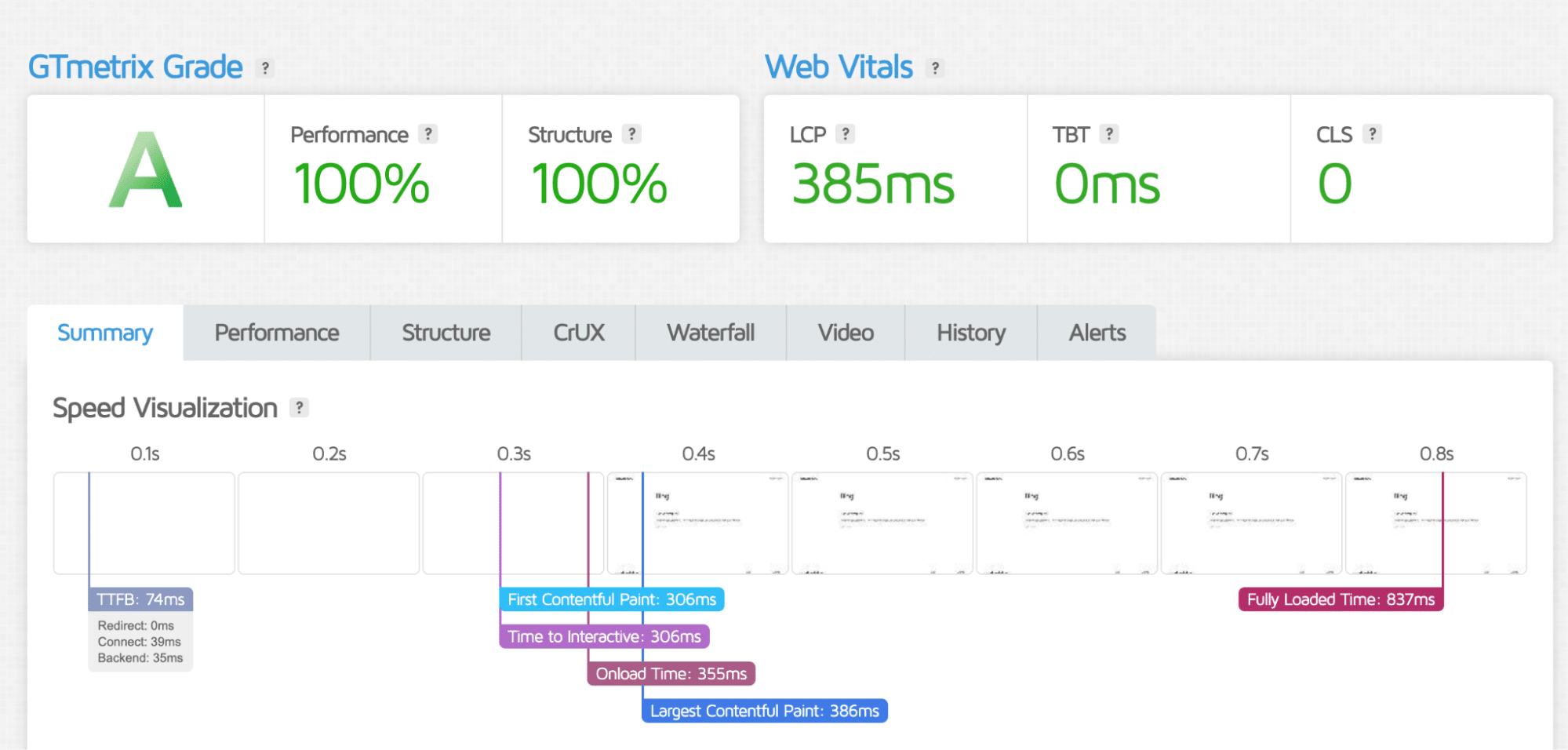
Speed tests, such as those provided by GTmetrix or PageSpeed Insights, serve a valuable purpose. They can highlight glaring performance bottlenecks, assist development teams in tracking improvements, and establish a baseline for comparative analysis. However, it is imperative to recognize their inherent limitation: they offer only a snapshot. Most synthetic tests measure a single page, from a predetermined geographical location, at a specific point in time. Furthermore, depending on their configuration, these tests often evaluate a pristine, fully cached version of a page under optimal network conditions. While useful for controlled debugging and optimization, this idealized scenario rarely mirrors the diverse and often unpredictable environments of actual users.
Real-world visitors introduce a multitude of variables that synthetic tests cannot fully replicate. They access sites using an array of devices, browsers, and network connections, from disparate global locations. Some users benefit from fully cached pages, while others trigger uncached or partially cached requests due to unique session data. The crucial difference lies in their interaction: some are passively browsing, others are actively adding products to a cart, submitting forms, searching catalogs, or navigating complex multi-step checkout processes. Each of these interactions places distinct and varying demands on a WordPress site’s underlying infrastructure.
For instance, a synthetic test might confidently report that a homepage loads within milliseconds. What it often fails to convey is whether the checkout process remains responsive during a high-volume flash sale, if logged-in members can seamlessly transition through their account dashboards, or if a product page with extensive filtering options experiences significant slowdowns under increased traffic. This discrepancy is why the common assertion "our speed tests look fine" can be profoundly misleading. The tests themselves may be accurate for what they measure, but they simply do not encompass the full spectrum of user experiences that collectively define a site’s true performance.

Unveiling the Edges: The Power of Percentile Metrics (p95, p99)
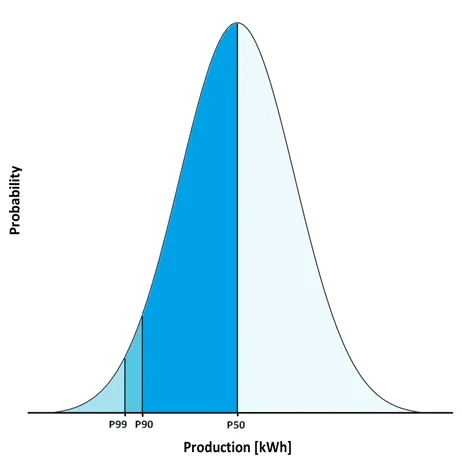
If traditional averages present the middle ground of performance, percentile metrics illuminate the extremes. Performance percentiles provide a more granular and honest view of user experience by focusing on what slower visitors encounter, rather than merely what the typical visit entails. Instead of amalgamating all requests into a single, potentially misleading number, percentiles delineate how performance varies across different user groups, particularly those at the tail end of the distribution.
For example, p95 performance signifies the slowest 5% of user experiences. If a website’s p95 load time is high, it indicates that 5 out of every 100 visits are experiencing a noticeably slower interaction than the majority. Extending this, p99 performance delves even deeper, representing the slowest 1% of experiences. While these percentages might appear small in isolation, their impact on a busy website can be substantial. Consider a site receiving 100,000 visits per month; a slow p95 experience could affect thousands of individual sessions. If these compromised sessions occur during critical junctures such as checkout, account login, lead generation forms, or product searches, the cumulative business impact—in terms of lost revenue, diminished brand loyalty, and increased support queries—can far exceed the seemingly small percentage suggests.
Percentiles are particularly instrumental in uncovering patterns that averages effectively obscure. A site might boast a respectable average response time, yet consistently deliver subpar experiences to users caught in traffic spikes, suffering from cache misses, making database-intensive requests, or navigating complex, uncached e-commerce workflows. For technical teams and site administrators, p95 and p99 metrics offer a more transparent and actionable framework for evaluating hosting performance. They provide answers to crucial questions like: "How consistently fast is the checkout process during peak hours?" or "What is the worst-case scenario for page load times for logged-in users?" These metrics do not supplant average speed but rather provide essential context, ensuring that a fast average translates into a genuinely reliable experience for the users who are most sensitive to performance degradation.
The Intricacies of Inconsistent WordPress Performance
The root cause of inconsistent WordPress performance is rarely a singular issue; rather, it typically stems from the variable demands of its workload. A static, cached page and a dynamic, personalized checkout request, while residing on the same domain, impose fundamentally different burdens on the server. When a hosting environment excels at serving one type of request but struggles with another, the site’s overall performance begins to feel uneven and unpredictable.
Cached Pages: The Low-Hanging Fruit
Caching mechanisms are fundamental to achieving blazing-fast WordPress performance. When a visitor accesses a cached homepage, blog post, or static landing page, the server can efficiently deliver a pre-rendered version of that page instead of rebuilding it from scratch. This process significantly reduces the workload on PHP, minimizes database queries, and results in rapid response times. Consequently, a site can often achieve stellar results in a homepage speed test precisely because the page is lightweight, fully cached, and easily served. However, many of the most critical user interactions within WordPress cannot rely on such straightforward caching.
Dynamic Pages: Resource-Intensive Operations
Consider a WooCommerce cart or checkout page. These pages, by their very nature, cannot be fully cached in the same manner as a public blog post. Their content is highly dynamic, changing based on the individual shopper, the specific items in their cart, shipping details, applied taxes, coupons, chosen payment options, and transient session data. The same principle applies to:
- User-specific membership dashboards
- LMS lesson pages that track progress
- Personalized account areas
- Filtered product searches
- Form submissions and subsequent confirmations
- Admin area activities
These dynamic requests invariably demand more server resources, often requiring dedicated PHP threads, complex database queries, execution of plugin logic, and sometimes interactions with external third-party services before WordPress can compile and return a response. It is precisely within these dynamic interactions that performance inconsistency most frequently surfaces. One visitor enjoying a cached article receives an instantaneous response, while another, seconds later, attempting to update their cart or submit a form, encounters a significantly heavier, slower request.
Plugins, Themes, and Third-Party Dependencies: Hidden Bottlenecks
The ecosystem of WordPress plugins and themes further complicates performance predictability. A poorly optimized plugin might introduce excessive database queries on product pages, while an inefficient theme could load superfluous scripts across the entire site. Form plugins often initiate calls to external services during submission, and critical integrations for shipping, tax calculation, CRM, analytics, or payment gateways can introduce additional latency into specific segments of the user journey. These issues rarely impact every page uniformly. The homepage may remain quick and responsive, but the checkout flow, search results, account pages, or the WordPress admin area can experience noticeable slowdowns, making comprehensive performance assessment frustratingly elusive.
Background Tasks: Silent Resource Competitors
Even when actively browsing, WordPress sites are engaged in a constant hum of background activity. Tasks such as product imports, scheduled posts, routine backups, plugin and theme updates, security scans, analytics jobs, email synchronizations, reporting tools, and general administrative actions all consume server resources. On a quiescent site, these tasks might execute without any discernible impact. However, during periods of heightened user activity, they can directly compete with live traffic for finite server resources. For example, a WooCommerce store running an inventory synchronization script during a major sale might inadvertently degrade the experience for shoppers attempting to complete their purchases. A membership site processing email automations could slow down lesson pages for logged-in users. These individual tasks, reasonable in isolation, can collectively push response times higher, contributing to overall inconsistency.
Traffic Spikes and Bots: Unpredictable Pressure Points
Website traffic rarely arrives in a perfectly steady stream. A successful marketing campaign, a featured newsletter, a viral social media post, or a press mention can trigger a rapid surge of legitimate visitors. Simultaneously, malicious bot traffic can create similar effects, often without warning and without any corresponding business activity to anticipate. The impact of such surges hinges on where the traffic lands. Bots hitting cached pages impose relatively minimal strain. However, bots or legitimate traffic directed towards dynamic endpoints—such as cart pages, filtered product URLs, or search queries with complex parameters—demand the same server resources as a real user for every single request. At scale, this type of automated or sudden high-volume dynamic traffic can quickly exhaust PHP capacity, leading to significant slowdowns for legitimate users, even if the site’s underlying code or configuration remains unchanged.
Shared Resources: The Unseen Variable
Shared hosting environments introduce an additional layer of unpredictability. When multiple websites share the same underlying CPU, memory, and I/O resources, the activity of one site can directly impinge upon the performance of another. A WordPress site might experience inexplicable performance dips despite no changes to its code, plugins, or traffic patterns, simply because resource contention has increased from neighboring sites on the same server. This inherent unpredictability renders troubleshooting considerably more complex, as optimizations applied directly to the site itself may still be undermined by the surrounding hosting environment.
The Business Imperative for Consistency
While peak speed might generate impressive headlines and benchmark scores, users do not evaluate a website by its theoretical best performance; they judge it by the experience they actually receive. A homepage that loads quickly in a synthetic test offers no guarantee of a smooth, efficient checkout process. A cached landing page provides no insight into the responsiveness of search functions, login screens, cart updates, or form submissions when the site is under pressure. And a fast result from a single location at a single moment in time offers no assurance that performance will remain stable throughout the day or across diverse user conditions.
Consistency is the bedrock of a reliable and trustworthy user experience. It directly translates into:
- Enhanced User Satisfaction: Users develop trust and loyalty when a site consistently performs as expected, regardless of their activity.
- Improved Conversion Rates: Eliminating slowdowns at critical conversion points (e.g., checkout, lead forms) directly boosts sales and sign-ups. Studies by Google indicate that even a 100-millisecond delay can reduce conversion rates by 7%, highlighting the acute sensitivity of users to speed.
- Stronger Brand Reputation: A consistently fast and responsive website reinforces professionalism and reliability, building a positive brand image. Conversely, inconsistent performance erodes trust and can lead to negative perceptions.
- Better SEO Performance: Search engines like Google prioritize user experience, with site speed being a crucial ranking factor. Consistent performance across all user interactions helps ensure better crawlability, indexing, and ultimately, higher search rankings.
For agencies and technical teams, a site that performs well only under ideal conditions becomes a constant source of support challenges. It introduces uncertainty, necessitates frequent troubleshooting, and often leads to difficult conversations with clients regarding unexplained performance dips. Predictable performance, underpinned by robust hosting infrastructure, provides teams with a stable foundation to monitor, explain, and continuously improve, fostering greater client satisfaction and operational efficiency.
Industry Perspectives and Solutions for Predictable Performance
Recognizing the critical shift from average to consistent performance, leading hosting providers are now engineering environments specifically designed to address these complex demands. The solution begins with the hosting architecture itself. Platforms that prioritize isolation, such as Kinsta, ensure that every WordPress site operates within its own isolated container, with dedicated resources that are not shared with other accounts. This fundamental separation directly mitigates the risk of one site’s activity negatively impacting another’s performance without any discernible cause, a common pitfall in traditional shared hosting.
Multi-layered caching strategies play a pivotal role. Advanced solutions incorporate Edge Caching, which distributes cached HTML across a global network of data centers. This allows pages to be served from locations geographically closer to each visitor, dramatically boosting performance—often by as much as 40%—and, critically, bypassing PHP threads entirely for cacheable requests. This frees up invaluable PHP capacity for the dynamic requests that genuinely require it. For dynamic pages that cannot be fully cached, Redis object caching is employed to reduce database load by storing query results in memory, preventing PHP from having to re-query the database on every subsequent request.
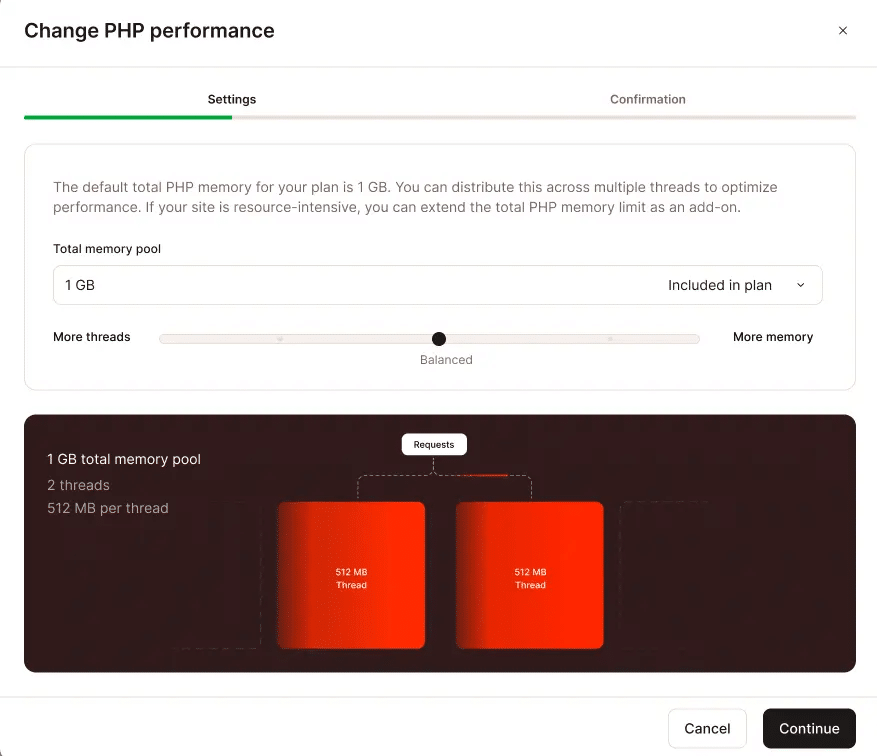
By keeping a significant portion of requests out of PHP through Edge Caching and Redis, the remaining PHP threads are reserved for the more resource-intensive workloads. For teams managing complex WordPress sites, visibility into and control over PHP performance is paramount. Platforms that offer tools to monitor and adjust PHP performance directly, especially for uncached WooCommerce pages, membership areas, LMS content, admin activity, or sustained, uneven traffic, provide a critical advantage.
Furthermore, robust Application Performance Monitoring (APM) tools are indispensable. The Kinsta APM, for example, helps technical teams identify specific PHP performance bottlenecks, slow MySQL queries, problematic external HTTP calls, and other backend activities that can degrade specific requests. Instead of relying on guesswork to diagnose why a checkout page, a login screen, or an account area is sluggish, teams can precisely pinpoint the components of the request that are consuming the most time, enabling targeted optimization.
These infrastructure-level solutions do not negate the need for sound site architecture, clean code, optimized plugins, and intelligent caching rules at the application layer. However, they provide WordPress teams with a significantly stronger foundation for handling the heterogeneous mix of traffic that real-world sites encounter: a blend of cached visitors, uncached requests, logged-in sessions, administrative work, and unpredictable traffic surges that rarely arrive neatly or evenly.
Conclusion: Beyond Averages, Towards Reliable Experiences
The era of relying solely on average speed metrics to gauge website performance is drawing to a close. While a fast average can be superficially appealing, it is an insufficient measure for the demands of modern, dynamic WordPress sites. A site might achieve an impressive benchmark score and still profoundly frustrate users when critical pathways—like checkout, logged-in experiences, search functions, or form submissions—suffer from unpredictable delays. These individual moments of friction, though potentially masked by an overall "good average," can significantly shape user perception, impact conversion rates, and ultimately define the success or failure of an online venture.
The true goal for contemporary WordPress hosting is not merely peak speed, but unwavering consistency. It is about delivering a reliable, smooth experience across all user interactions, from static content to complex dynamic requests, under varying traffic conditions. A site that is "fast on average" is fundamentally different from a site that is "fast for the user who’s ready to convert." As the digital landscape continues to evolve, prioritizing and investing in hosting solutions engineered for consistent performance will be paramount for any WordPress site aiming to thrive and retain its audience.