Accessibility in WordPress Themes: Bridging the Gap Between Complexity and Compliance

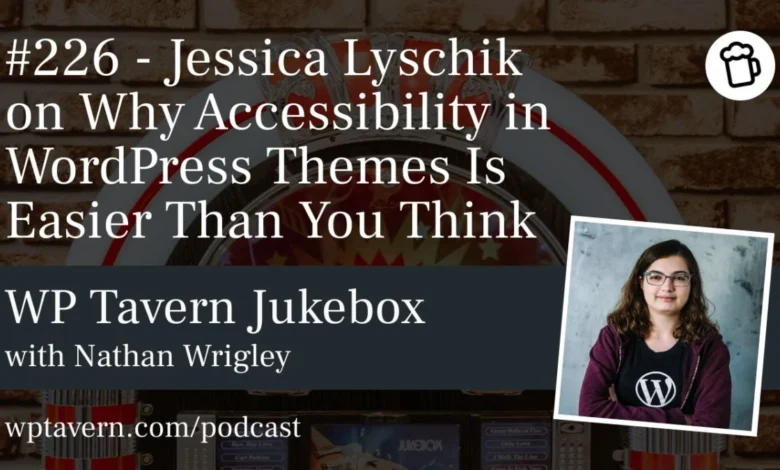
The digital landscape is undergoing a significant transformation as web accessibility moves from a niche technical concern to a core requirement for global digital infrastructure. At the heart of this evolution within the WordPress ecosystem is the ongoing effort to demystify accessibility standards for theme developers. Recently, at WordCamp Europe 2026, industry expert and long-time WordPress contributor Jessica Lyschik presented a pivotal session titled "Accessibility in Themes, Easier Than You Think." This presentation served as a strategic intervention, aimed at dismantling the persistent perception that building "accessibility-ready" themes is an overly burdensome, technically inaccessible task for the average developer.
The Current State of Accessibility in WordPress
As of mid-2026, the WordPress theme repository contains over 14,700 themes. However, data indicates that only approximately 270 of these—roughly 1.5%—carry the official "accessibility-ready" tag. This disparity highlights a significant gap between the growing demand for inclusive web design and the actual implementation within the developer community. Historically, developers have viewed the requirements for this designation as cryptic or overly complex, leading to a widespread reluctance to pursue the certification.
The technical hurdles often cited include the lack of clear, actionable documentation on how to interpret Web Content Accessibility Guidelines (WCAG) within the specific context of WordPress theme development. For many, the transition from classic themes to modern block-based themes has added another layer of complexity, as developers struggle to navigate the new architectural paradigms while simultaneously ensuring compliance with legacy and emerging accessibility standards.
Chronology of Accessibility Advocacy
The conversation around web accessibility in WordPress has evolved from an optional best practice to a central pillar of the platform’s development philosophy. In the early 2010s, accessibility was largely relegated to specialized plugins or niche developers. By 2020, as international legislative bodies began tightening regulations regarding digital inclusion—most notably the European Accessibility Act—the pressure on content management systems to provide native accessibility support reached a tipping point.
The recent update to the WordPress accessibility-ready requirements, which occurred in early 2026, marked a significant milestone. These updated guidelines were designed to provide a more rigorous framework for theme review. Among the new requirements is a policy mandating that themes should not recommend or require third-party plugins that fail to meet baseline accessibility standards. This shift represents a move toward an ecosystem-wide standard of accountability, where the responsibility for accessibility extends beyond the theme itself to the entire dependency chain.
Technical Implementation: Low-Hanging Fruit
During her presentation, Lyschik emphasized that many accessibility improvements are, in fact, "low-hanging fruit" that require minimal technical overhead. These include:
- Semantic HTML Usage: Proper implementation of header, footer, main, and section tags is essential for screen readers to parse page structure effectively.
- Skip-to-Content Links: These allow keyboard-only users to bypass navigation menus and jump directly to the core content. In the block-based environment, this is increasingly handled natively by the WordPress core.
- Alternative Text: The consistent application of descriptive alt-text for all visual assets remains the most fundamental, yet frequently neglected, aspect of accessibility.
- Aria Labels: For buttons or interactive elements that lack accompanying text—such as icons used for navigation—the addition of ARIA (Accessible Rich Internet Applications) labels is critical for providing context to assistive technology.
Lyschik noted that block themes, in particular, offer a distinct advantage. Because the WordPress core manages much of the underlying structure in block-based themes, the burden on developers to manually code accessible patterns has been significantly reduced. By utilizing core blocks and templates correctly, developers can achieve compliance with significantly less effort than was previously required for classic, custom-coded themes.
The Emergence of AI Agents as Accessibility Drivers
A notable development in 2026 is the role of AI agents in incentivizing accessibility. Unlike human users who navigate websites visually, AI agents—such as those used for automated shopping or research—rely entirely on the underlying technical structure of a site. If a website is not semantically built or lacks proper accessibility markup, AI agents may fail to interact with it correctly, leading to functional failure.
Industry analysts suggest that the rise of AI-driven web interaction will force a shift in developer behavior. As businesses realize that poor accessibility prevents AI from successfully performing tasks like e-commerce transactions or data retrieval, the commercial argument for accessibility will align with the moral one. Google and other major tech entities have recently signaled that they will prioritize accessibility as a ranking factor, specifically to facilitate more efficient navigation for automated agents.
Interdisciplinary Awareness and Organizational Impact
Accessibility is increasingly viewed as an interdisciplinary responsibility rather than the sole domain of the developer. Successful implementation requires coordination across SEO, design, and content strategy teams. For example, content writers must be trained in creating logical heading structures (H1 through H6), while designers must ensure color contrast ratios meet WCAG standards.
Organizations that have adopted a "compliance-by-design" approach report positive outcomes, including improved SEO rankings and broader market reach. Case studies presented at the conference highlighted that when accessibility is integrated into the initial development phase, the long-term maintenance costs are significantly lower than attempting to retrofit a site after it has already been launched.
Future Implications and Documentation Needs
The path forward, according to industry experts, lies in better documentation and a more gradual, education-first approach. Rather than imposing punitive measures or strictly mandating compliance for all 14,000+ themes, the community is moving toward a model of empowerment. This includes:
- Standardized Documentation: Translating complex WCAG requirements into "plain-English" technical guides that provide actionable steps for developers.
- Accessibility.txt: The promotion of an
accessibility.txtfile standard, which would act as a manifest for a theme’s accessibility features, providing transparency for users and automated tools alike. - Community Mentorship: Leveraging experienced developers to create peer-to-peer training programs, reducing the "intimidation factor" associated with theme reviews.
While the "accessibility-ready" badge remains a voluntary designation, the pressure for widespread adoption is building. Legal mandates in Europe and North America are expected to continue tightening, making accessibility a baseline requirement for any commercial entity. The consensus among experts like Lyschik is clear: the technical requirements are not the barrier they once were. The remaining challenge is shifting the culture of the WordPress community toward a proactive adoption of these standards.
As the ecosystem continues to integrate AI and block-based architecture, the convergence of technological necessity and moral obligation appears likely to make accessible web development the standard rather than the exception. For the individual developer, the message is one of opportunity: by mastering these practices today, they are not only future-proofing their work against legal and technological shifts but are also contributing to a more inclusive digital environment for all users.