The Top Social Media Management Alternatives to Metricool for Growing Teams and Agencies

Social media management has evolved from a simple scheduling task into a complex, data-driven discipline that requires robust analytics, multi-platform integration, and seamless team collaboration. Metricool has long been a popular entry point for many creators due to its competitive pricing and straightforward dashboard. However, as organizations scale, the limitations of its tier-based feature set—where essential tools are often locked behind paywalls or auxiliary add-ons—frequently lead marketing departments to seek more comprehensive, scalable solutions. This analysis explores the current landscape of social media management software, evaluating alternatives based on scalability, reporting depth, and operational efficiency.
The shift toward specialized social media management tools is largely driven by the increasing fragmentation of digital marketing. In the past decade, platforms have transitioned from chronological feed displays to algorithmic content discovery, requiring brands to post more frequently and engage more deeply with their audiences. According to recent industry benchmarks, mid-sized businesses now manage an average of five to seven social channels simultaneously. This operational burden necessitates tools that can centralize publishing, community management, and performance analysis into a single, cohesive workflow.

The Evolution of Social Media Tooling
When Metricool first gained market traction, it distinguished itself by providing accessible analytics for smaller creators. As the digital landscape matured, however, the industry began to prioritize "all-in-one" platforms. Enterprise-level solutions like Hootsuite and Sprout Social paved the way for advanced competitive benchmarking and social listening, while agile alternatives like Buffer and Planable focused on user experience and streamlined approval processes.
The primary friction point for many users migrating away from Metricool is the "price creep" associated with expanding a digital footprint. When a brand moves from a single account to managing a portfolio of clients or multiple regional channels, the cost of Metricool’s add-ons—such as the additional fees for X (formerly Twitter) integration—can quickly exceed the monthly subscription costs of more robust, enterprise-ready platforms.
Comparative Analysis of Leading Alternatives
Buffer: The Flexible Scaler
For creators and small teams, Buffer remains the benchmark for usability. Its transition from a pure scheduling tool to a full-service management suite has been marked by a commitment to transparent pricing. Unlike many competitors, Buffer includes major networks like X and LinkedIn across its entire pricing structure, including the free tier. For agencies, the Team plan offers unlimited team members at no additional cost, a significant departure from the per-seat pricing model that characterizes much of the industry. This makes it an ideal candidate for firms experiencing rapid growth that need to avoid the compounding costs of adding new staff members to their software subscriptions.
Hootsuite: The Enterprise Standard
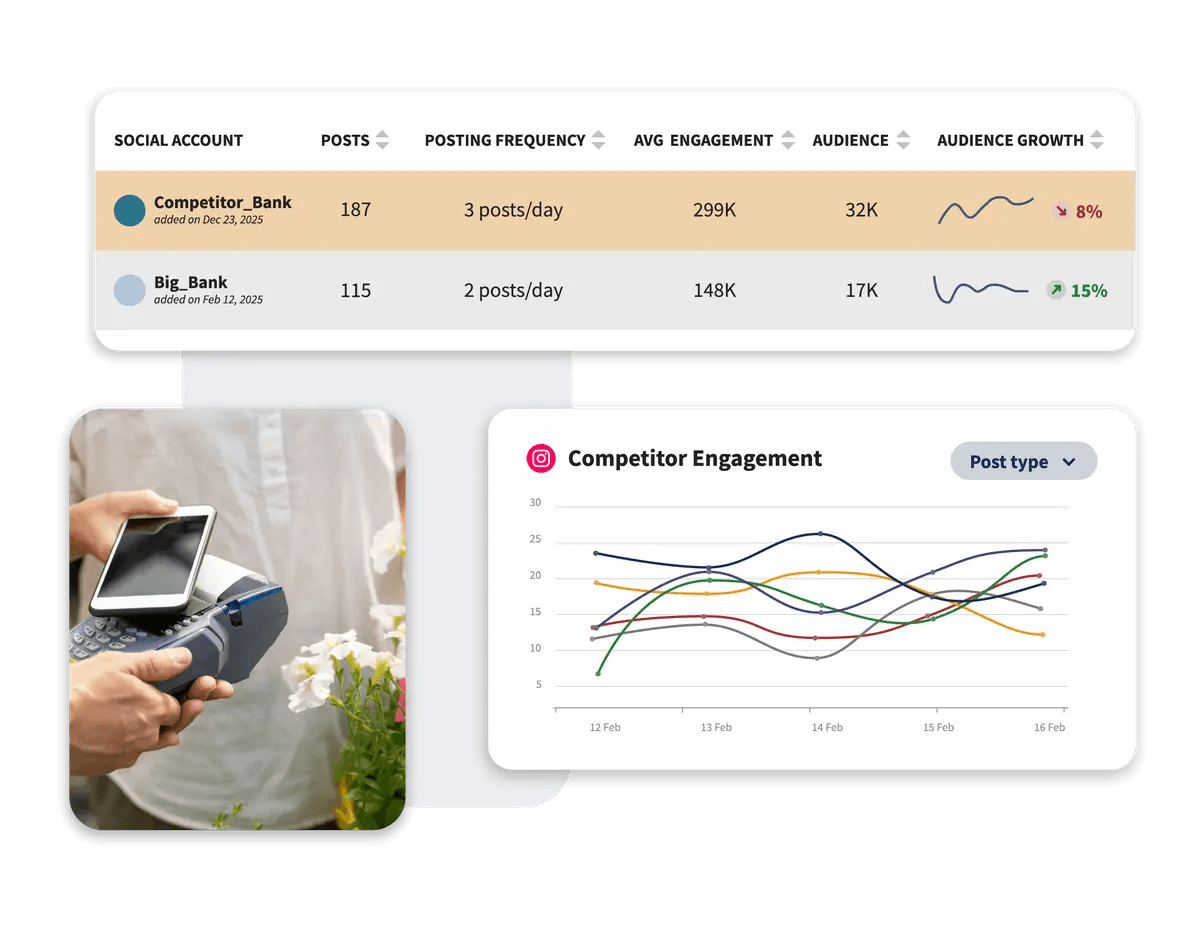
Hootsuite remains the industry incumbent for organizations requiring deep competitive intelligence. Its platform allows for the creation of sophisticated watchlists that monitor competitor post frequency, engagement rates, and follower growth trends. While the entry point is significantly higher—starting at $149 per user—the investment provides access to over 100 integrations, including CRM powerhouses like Salesforce and Zendesk. The implication for agencies is clear: Hootsuite is designed for teams that require a high degree of technical integration to map social performance directly to sales data.
Sprout Social: The Engagement Hub
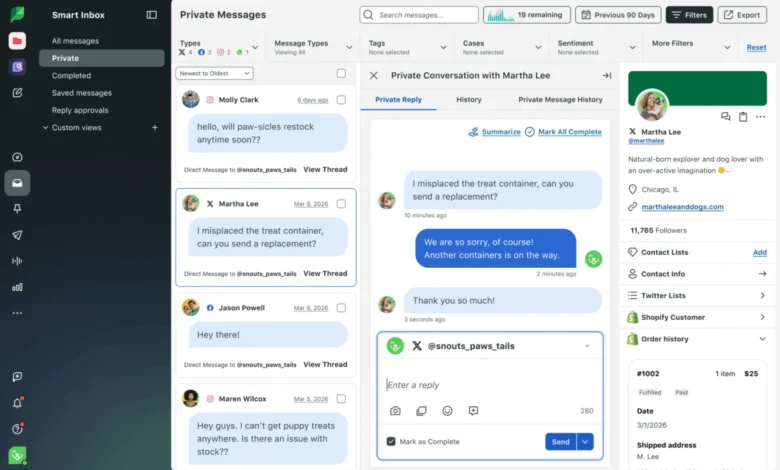
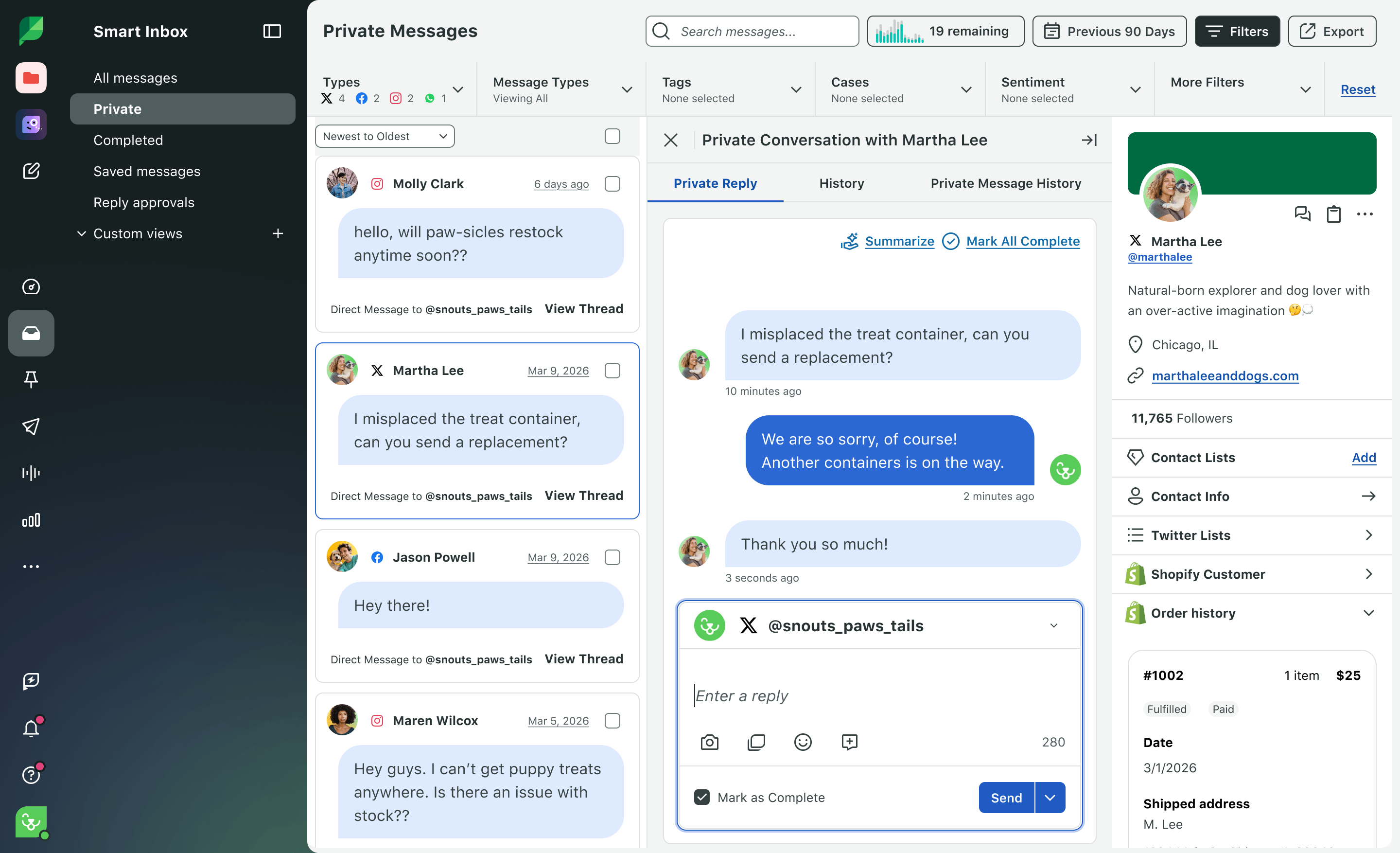
When the volume of incoming communication becomes the primary bottleneck, Sprout Social stands out. Its "Smart Inbox" functionality is engineered to handle high-velocity engagement, allowing teams to aggregate comments, DMs, and mentions from disparate networks into a unified stream. The platform’s ability to categorize messages by sentiment and trigger spike alerts when engagement volume deviates from the norm provides a layer of operational security that smaller tools lack. For brands managing crisis communication or high-traffic community hubs, the utility of these features often justifies the $99-per-seat investment.
Agorapulse: Data-Centric Reporting
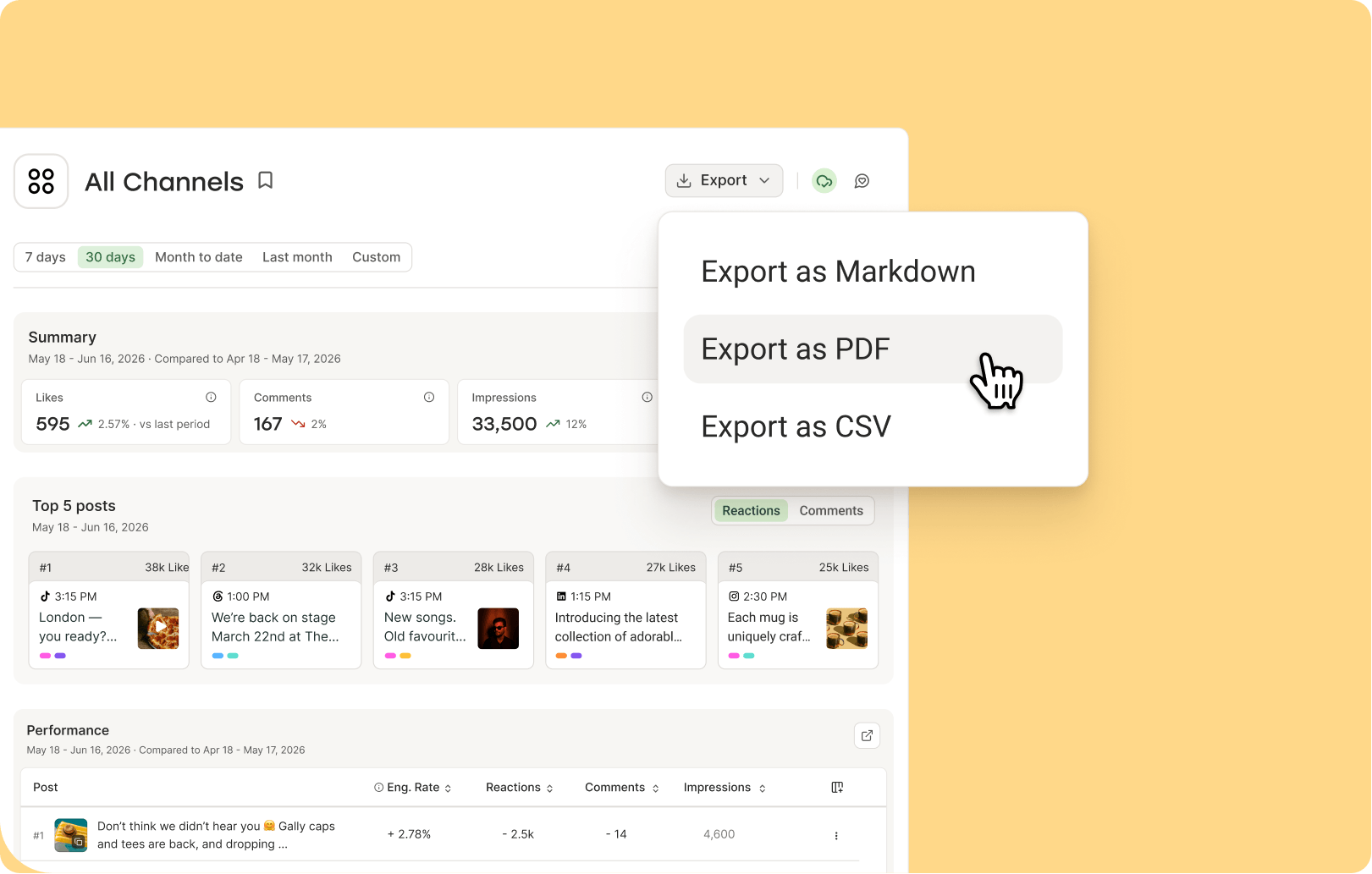
For organizations that report directly to stakeholders or executive boards, Agorapulse offers a high-fidelity approach to analytics. The platform specializes in ROI-focused reporting, allowing users to tie specific social activities to conversion events. Its integration with Looker Studio enables marketing teams to pull raw data into custom, white-labeled dashboards. This capacity for granular analysis is particularly effective for agencies that need to prove the tangible value of social media spending to clients who may be skeptical of "vanity metrics" like likes or shares.
SocialPilot and Planable: The Agency Specialists
Agencies often face the unique challenge of needing to present a polished, branded experience to their clients. SocialPilot excels here by offering comprehensive white-labeling, allowing agencies to host the dashboard on their own domain with custom branding. Conversely, Planable differentiates itself through its collaborative workflow. By offering multi-step, customizable approval chains, it solves the problem of "rogue" posts, ensuring that every piece of content undergoes the necessary scrutiny before reaching a public audience.
Strategic Considerations for Migration
The decision to migrate from one platform to another is not merely a financial choice; it is a fundamental shift in operational workflow. Before committing to a transition, marketing managers should conduct a 14-to-30-day trial period using active accounts.
Key Evaluation Metrics for Teams:
- Approval Bottlenecks: Does the tool allow for seamless internal and external feedback loops without relying on third-party email threads?
- Platform Parity: Does the tool support all your existing channels (e.g., TikTok, Threads, Pinterest) without requiring premium-tier upgrades?
- Historical Data Portability: How much past performance data can be ingested or exported during the transition?
- Integration Capability: Does the tool sync with existing tech stacks, such as HubSpot, Salesforce, or Canva?
Broader Industry Implications
The current consolidation and pricing adjustments in the social media management space suggest that the "free" or "low-cost" era of advanced analytics is closing. As social media platforms tighten their APIs—restricting how third-party tools access data—management platforms are forced to invest more heavily in their own backend infrastructure. This cost is inevitably passed to the user.
For agencies and enterprises, the strategy moving forward should prioritize "tool consolidation." The most efficient teams are those that reduce the number of disparate apps in their stack. If a team can replace three separate tools—a scheduler, an analytics reporter, and a collaboration platform—with one unified, albeit more expensive, solution, the long-term ROI in saved labor hours often outweighs the increased monthly subscription fee.
Frequently Asked Questions
Does moving tools result in data loss?
Generally, no. Your historical posts and engagement data remain live on the social platforms. When you connect a new tool, many platforms will import the last 30 to 90 days of performance data automatically, though this varies by the specific social network’s API permissions.
Are there truly free alternatives?
Yes, though they are limited. Buffer offers a robust free tier that is highly functional for individual creators. However, for agencies requiring white-labeling or multi-step approvals, the value lies in the paid, professional-tier offerings.
How do I determine if my team is ready for an enterprise tool?
If your team spends more than 10 hours per week manually gathering data for reports, or if you have experienced at least two instances of human error in content publishing due to a lack of approval workflows, your team has likely outgrown entry-level management software.
The selection of a social media management platform is a strategic commitment. Whether you prioritize the visual planning capabilities of Later, the deep analytics of Agorapulse, or the collaborative structure of Planable, the ultimate goal is to remove friction from the creative process, allowing teams to focus on strategy rather than the mechanics of posting. As the digital landscape continues to evolve, the tools that provide the most flexibility and the cleanest data visualization will continue to lead the market.