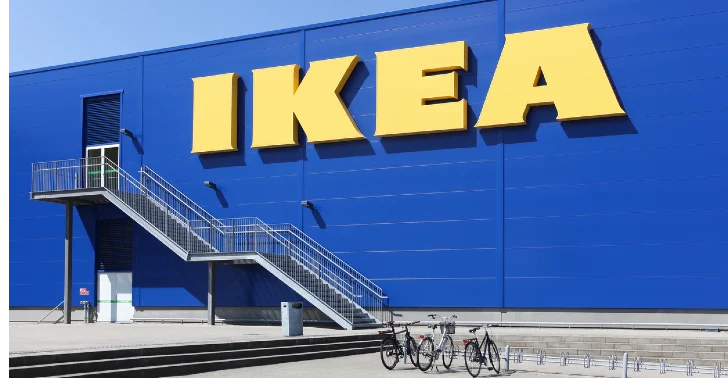
The global furniture giant, Ikea, has officially entered a significant new phase of its circularity strategy, confirming the expansion of its peer-to-peer (P2P) second-hand marketplace into the United Kingdom, Ireland, and Germany. This strategic rollout marks a major milestone for the Ingka Group—the largest franchisee of the Ikea brand—as it seeks to formalize its presence in the burgeoning resale economy. With these three additions, the marketplace is now operational in nine distinct markets, cementing Ikea’s position as a dominant force in both the traditional retail sector and the increasingly competitive sustainable consumer goods space.
Beyond the geographic expansion of its P2P platform, the retailer is diversifying its circular offerings by introducing a direct Buyback service in Portugal and Spain. This dual-pronged approach—facilitating customer-to-customer transactions while simultaneously allowing for direct inventory acquisition—underscores a comprehensive effort to extend the lifecycle of Ikea products and capture value from items that would otherwise end up in landfills.
A Chronology of the Second-Hand Pivot
Ikea’s venture into the resale market is not a sudden pivot but rather the culmination of a multi-year strategy aimed at reaching "climate positive" status by 2030. The journey began in earnest during the early part of 2024, when the company launched a pilot project for its C2C marketplace in Spain and Norway. The objective was to create a digital ecosystem where consumers could buy and sell pre-loved Ikea furniture with the same ease as purchasing new items from the store.
The pilot’s success surpassed internal expectations, leading to a rapid, phased expansion into Portugal, Poland, Sweden, and Belgium throughout the remainder of 2024. By mid-2025, the platform had gained significant traction, providing a centralized hub for enthusiasts of the brand to trade furniture without the friction often associated with third-party classified sites. The current expansion into the UK, Ireland, and Germany—three of the brand’s most mature and high-volume retail markets—signals that the platform has successfully transitioned from an experimental pilot to a core component of Ikea’s global business model.
Quantifying the Success of the Circular Model
The metrics surrounding the marketplace offer a compelling look at the consumer appetite for second-hand furniture. According to internal data provided by the Ingka Group, the platform reached a milestone of 15 million visits by August 31, 2026. During this same timeframe, the marketplace facilitated 95,700 active listings, a figure that highlights both the supply of pre-owned goods and the confidence users have in the Ikea-branded environment.
Perhaps most significantly for the company’s broader retail strategy, the marketplace has served as a powerful tool for customer acquisition and retention. Approximately 25.5 percent of all marketplace users have either joined or reactivated their Ikea Family membership. This synergy is largely attributed to the company’s incentive structure; by allowing members to list products for free, Ikea has created a "sticky" ecosystem that encourages long-term engagement with the brand. By integrating the marketplace with its loyalty program, Ikea has effectively turned a sustainability initiative into a robust marketing engine that drives recurring traffic to both its digital storefronts and physical retail locations.
The Evolution of the Buyback Service
While the P2P marketplace focuses on facilitating trades between individuals, the new Buyback service in Portugal and Spain introduces a more direct relationship between the retailer and its historical inventory. Starting in late 2024, the service allows customers to list eligible products on the marketplace while opting to receive a direct purchase offer from Ikea itself.
The process is designed for maximum convenience: once a customer receives an automated valuation for their furniture item, they can choose to either wait for a peer-to-peer buyer or accept the offer from Ikea and drop the item off at a designated store location. This hybrid model provides consumers with an "exit strategy" for their furniture, ensuring that items that might otherwise struggle to find a buyer on the open market are still diverted from waste streams. It also allows Ikea to reclaim high-quality used stock, which can then be refurbished or sold in the "As-Is" sections of their stores, further closing the loop on their supply chain.
Perspectives from the Ingka Group
The strategic shift has been championed by leadership at the Ingka Group, who view these developments as a necessary evolution of the retail landscape. Emily Birkin, Development & Transformation Manager at Ingka Group, emphasized that the company’s approach has been defined by patience and responsiveness to consumer data.
"We started small, listened closely and have developed the marketplace step by step," Birkin noted in a statement regarding the expansion. "The data tells us there is clear interest. Testing the option for customers to sell direct to IKEA on the marketplace and exploring delivery partnerships are practical next steps. Together with the launch in the UK and Ireland, these tests will help us make it simpler for the many people to buy and sell pre-owned IKEA products."
Birkin’s comments highlight a "test-and-learn" methodology that has shielded the company from the risks of premature scaling. By focusing on practical, incremental improvements—such as delivery partnerships and the buyback integration—Ikea is attempting to solve the logistical hurdles that have historically plagued the second-hand furniture market, namely transportation and the physical condition of used goods.
Market Implications and Competitive Analysis
Ikea’s aggressive expansion into the resale space comes at a time when the broader furniture industry is facing increased pressure to improve its sustainability credentials. Earlier this year, Cross-Border Commerce Europe recognized Ikea as the continent’s best-performing cross-border seller, a testament to the company’s logistics infrastructure and its ability to adapt to changing consumer behaviors.
The implications of this move are twofold. First, it directly challenges third-party platforms like eBay, Facebook Marketplace, and specialized furniture resale apps. By providing a curated, brand-specific environment, Ikea can offer higher trust, verified product information, and seamless integration with their existing store network—advantages that generic classified sites often lack.
Second, the marketplace serves as a hedge against the rising cost of raw materials and global supply chain disruptions. By fostering a secondary market for its own products, Ikea is essentially creating an "inventory reserve" that it does not have to manufacture itself. If a significant percentage of furniture is recirculated, the company can maintain its brand presence in the household without necessarily needing to extract new virgin materials for every transaction.
Future Outlook and Challenges
While the expansion into nine markets is a significant achievement, the path ahead presents both opportunities and challenges. Scaling the logistics of the Buyback service, for example, will require significant coordination at the retail store level. Inspecting, cleaning, and re-pricing used goods requires labor and space, both of which are premium resources in the high-volume environment of an Ikea store.
Furthermore, the company will need to navigate the regulatory landscapes of each new market, particularly concerning consumer rights and product liability in second-hand transactions. Despite these hurdles, the momentum behind the project suggests that Ikea is fully committed to the circular economy. The company’s ability to leverage its massive customer base to populate these marketplaces creates a virtuous cycle that its competitors will find difficult to replicate.
As the marketplace continues to grow, industry analysts will be watching to see how Ikea balances its primary goal of selling new, mass-produced furniture with its stated commitment to reducing its environmental impact. If the company can successfully scale its resale operations without cannibalizing its new-product sales, it may set a new standard for how global retailers address the lifecycle of their products in the 21st century. With the UK, Ireland, and Germany now on board, the infrastructure for a truly circular Ikea is moving from a visionary concept to a tangible, global reality.