Top 8 Zendrop Alternatives for 2026: Comprehensive Analysis and Comparison

The landscape of global dropshipping is shifting as e-commerce entrepreneurs look to optimize fulfillment costs and improve logistics transparency heading into 2026. While Zendrop has established itself as a major player in the Shopify ecosystem, the recent proliferation of specialized sourcing platforms has prompted many business owners to re-evaluate their operational stack. Based on an extensive audit of eight leading dropshipping applications, DSers emerges as the premier free-to-access alternative, though the choice for a business owner ultimately depends on specific requirements regarding private labeling, multi-channel integration, and regional shipping speed.
Evolution of the Dropshipping Market
The dropshipping model has matured significantly over the past five years. Historically, the industry was defined by simple, manual connections to platforms like AliExpress. By 2023 and 2024, the market moved toward integrated supply chain management, where platforms began offering value-added services such as automated order synchronization, branded packaging, and dedicated sourcing agents.
Industry analysts observe that as shipping costs fluctuate and consumer expectations for delivery times tighten, the "one-size-fits-all" approach is becoming obsolete. Merchants are now segmenting their tech stacks: using specialized apps for product research, separate entities for local inventory, and sophisticated automation tools for cross-channel sales. This shift explains the rising interest in alternatives that offer deeper, more technical features than the standard entry-level packages found in earlier years.
Comparative Methodology and Performance Metrics
To provide a data-driven evaluation of these platforms, this analysis utilizes a weighted framework focused on the operational realities of modern e-commerce. The criteria are categorized as follows:
- Pricing and Value (25%): Assessing the total cost of ownership, including base subscription fees, per-order transaction costs, and hidden charges.
- Shipping Speed and Warehouse Proximity (20%): Evaluating the availability of domestic fulfillment centers (US/EU) versus international transit times.
- Automation and Order Synchronization (20%): Measuring the reliability of inventory updates and order tracking between the supplier and the storefront.
- Branding and Private Labeling (15%): Analyzing the ease of applying custom logos, inserts, and packaging.
- Platform Integrations (10%): Checking compatibility with non-Shopify environments like WooCommerce, TikTok Shop, and ClickFunnels.
- Support and Market Reputation (10%): Gauging the responsiveness of customer service and community feedback regarding reliability.
Leading Alternatives: An In-Depth Look
DSers: The Efficiency Leader
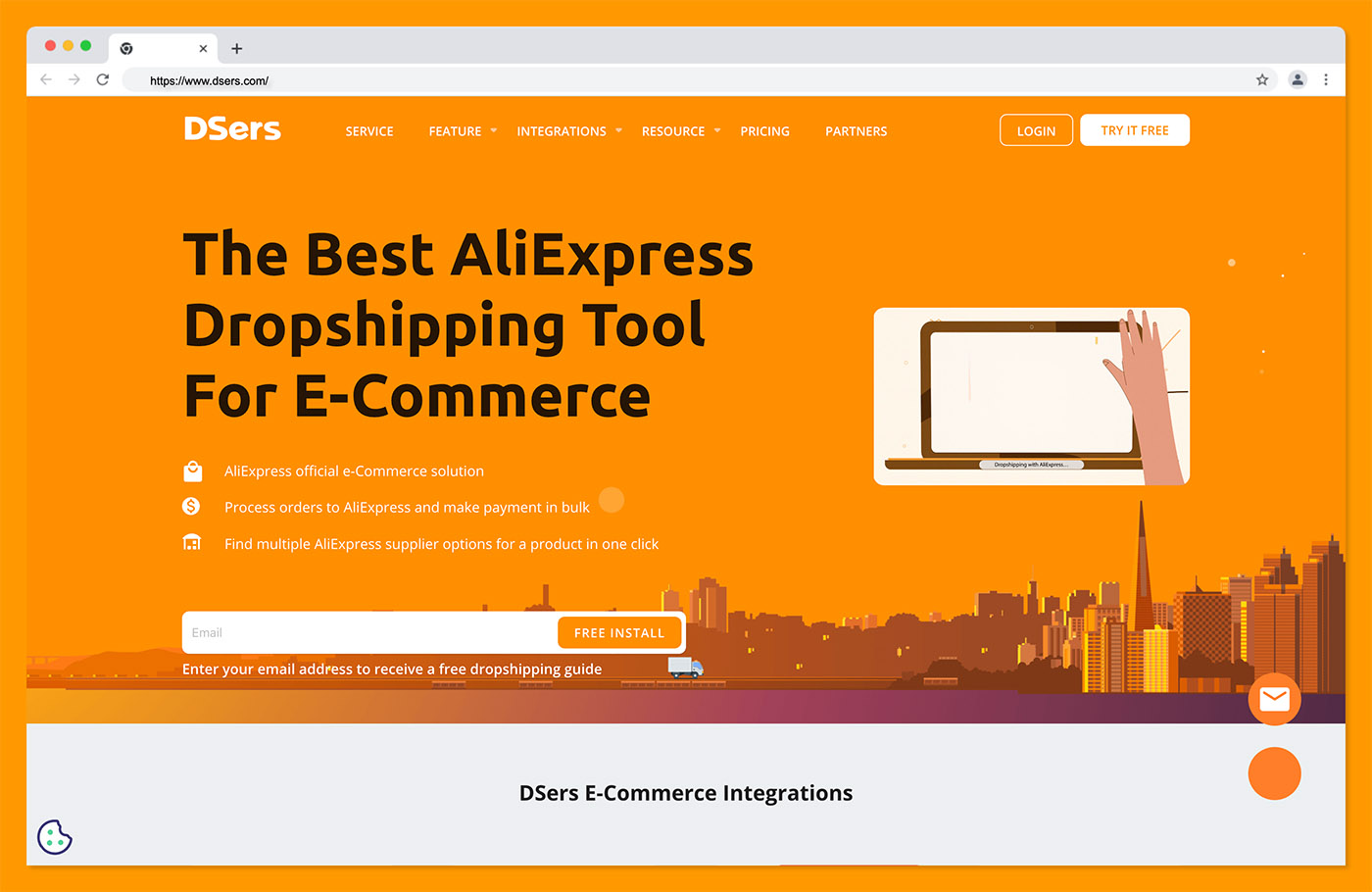
DSers has solidified its position as the primary free alternative for merchants scaling on a budget. Its integration with AliExpress remains its core strength, allowing for the bulk processing of orders—a critical function for high-volume stores. With a free tier supporting up to three stores and 3,000 products, it offers an accessible entry point. However, users should note that DSers functions primarily as an order processing layer. Unlike some competitors, it does not manage its own warehouses, meaning shipping times are largely determined by the specific AliExpress suppliers selected.
AutoDS: The Multichannel Powerhouse
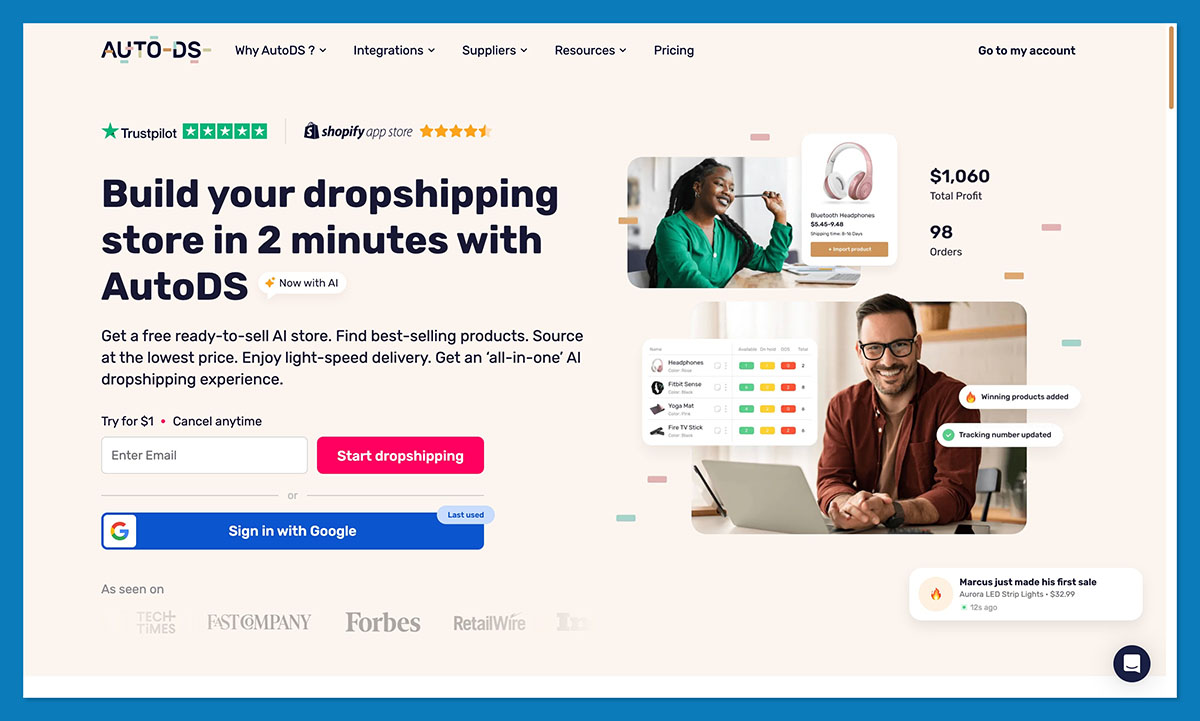
AutoDS is distinct in its approach to automation. While many platforms focus solely on the Shopify ecosystem, AutoDS supports eight distinct sales channels, including Amazon, Etsy, and eBay. Acquired by Fiverr in 2024, the platform has pivoted toward more aggressive product discovery and automation features. It is best suited for merchants operating across multiple marketplaces, though the additional $9.90 monthly fee for auto-ordering can inflate costs for those who do not account for it in their profit margins.
CJ Dropshipping: The Logistics Specialist
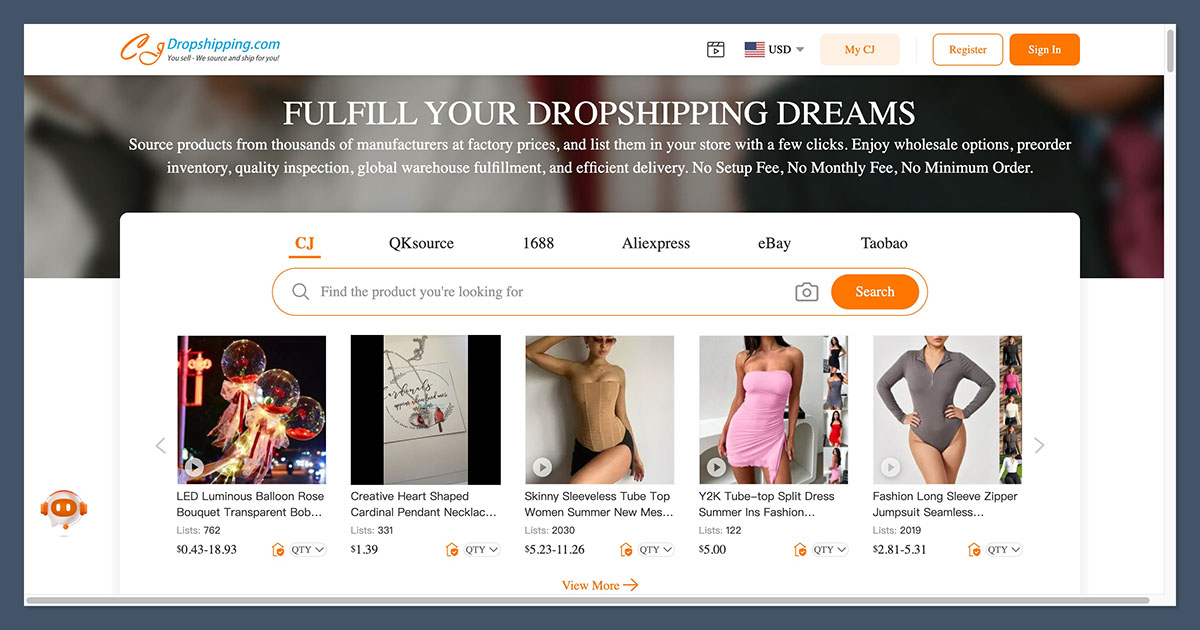
CJ Dropshipping remains the industry standard for those prioritizing US-based stock. By maintaining its own warehouses in locations such as Kentucky and Los Angeles, it provides a competitive advantage in delivery speed. Furthermore, its ability to handle branded packaging without the stringent revenue requirements seen in other private-agent programs makes it an attractive choice for growing brands. The trade-off is a more manual, agent-dependent communication process, which can lead to inconsistencies if not monitored closely.
Spocket: The Domestic Sourcing Hub
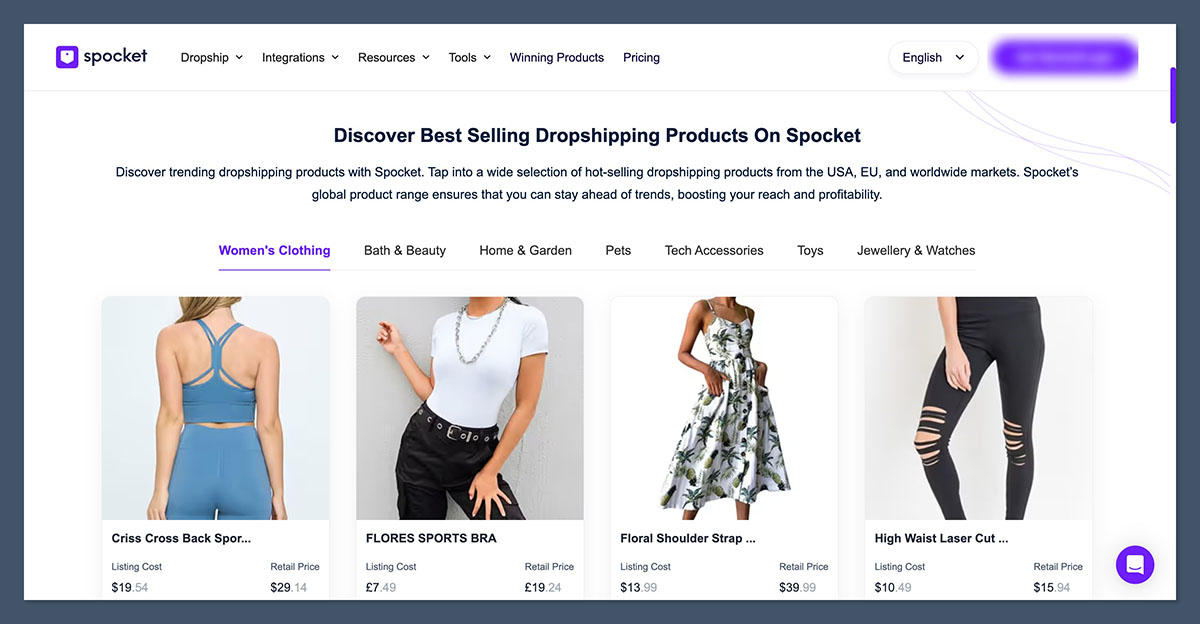
For brands targeting the North American and European markets, Spocket focuses exclusively on suppliers located in these regions. By shortening the supply chain, the platform significantly reduces the "China-to-Customer" transit time. While the entry-level pricing is higher than some competitors, the value proposition lies in the reduction of shipping-related customer service inquiries. It is an ideal solution for boutique stores that rely on high-quality, domestic products to justify premium pricing.
EPROLO and Syncee: Niche Solutions
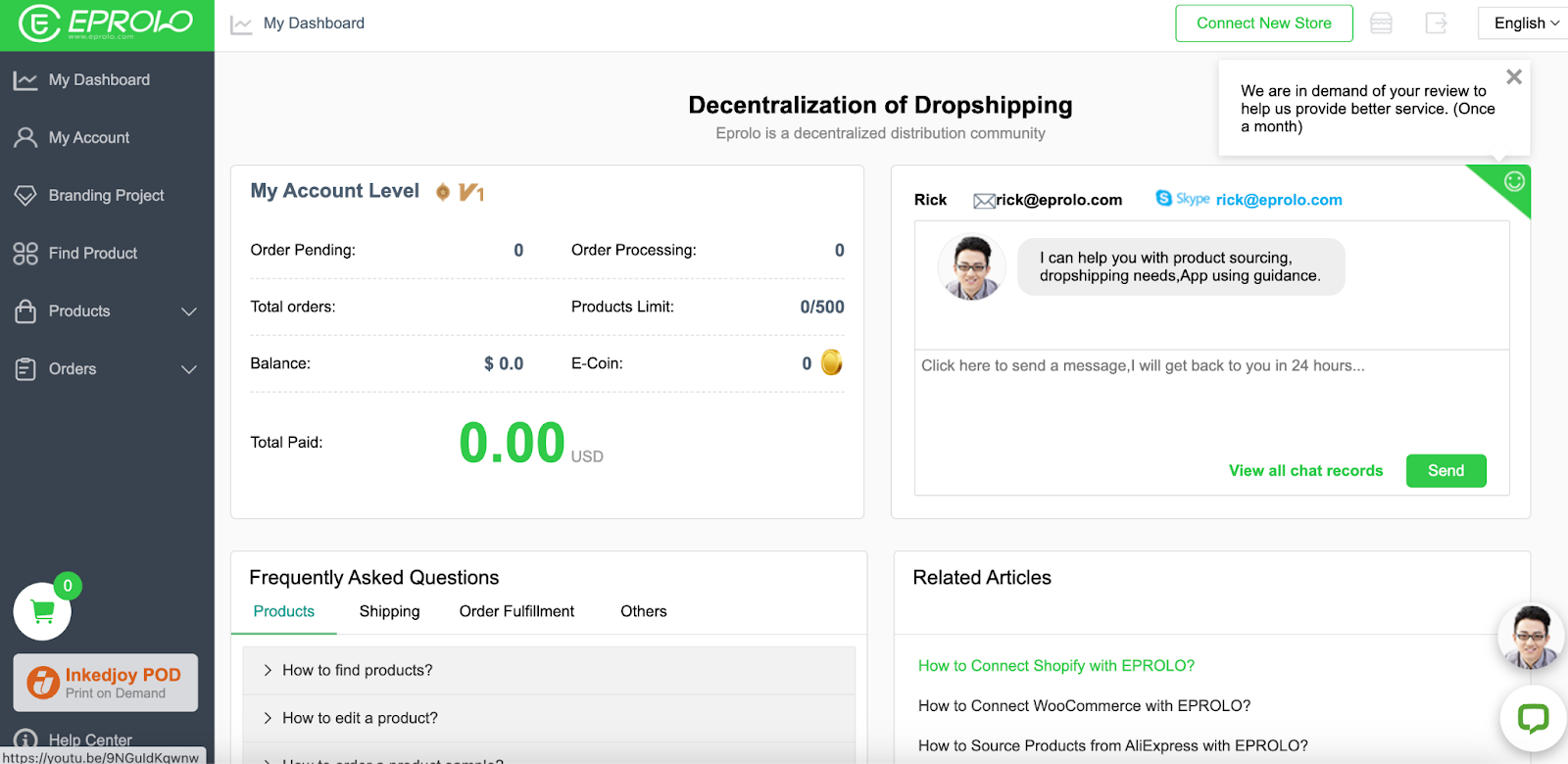
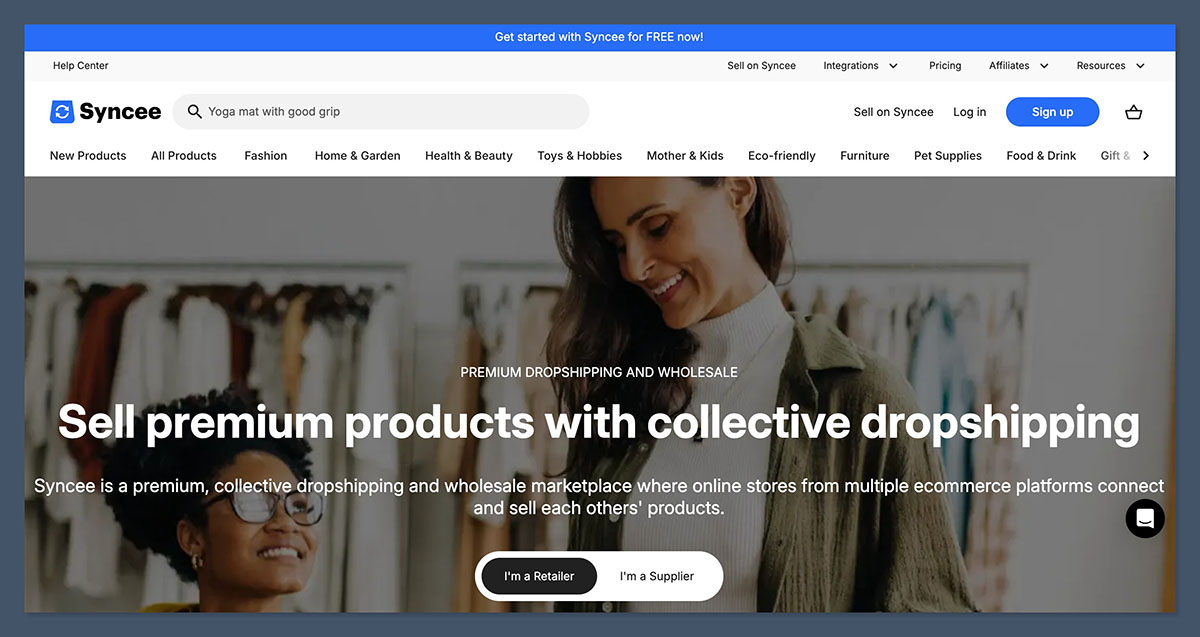
EPROLO offers a unique value proposition for brands looking to enter the private-label market at a low cost, with branding add-ons starting at $19.90 annually. Meanwhile, Syncee is the preferred choice for those using alternative store builders like Squarespace, BigCommerce, or Ecwid. Its ability to aggregate local suppliers makes it a strong contender for non-Shopify merchants.
Strategic Implications of Switching
The transition from one dropshipping provider to another is a critical operational maneuver. A common mistake is to delete existing product listings, which destroys SEO rankings, internal URLs, and customer reviews. The recommended process is a "re-mapping" strategy:
- Maintain the existing Shopify product page and keep the product ID intact.
- Install the new dropshipping application.
- Import the new product variant from the new supplier.
- Use the new app’s mapping feature to link the existing product variants to the new supplier’s backend.
- Deactivate the old supplier connection only after confirming the new connection is synced and active.
Market Outlook for 2026
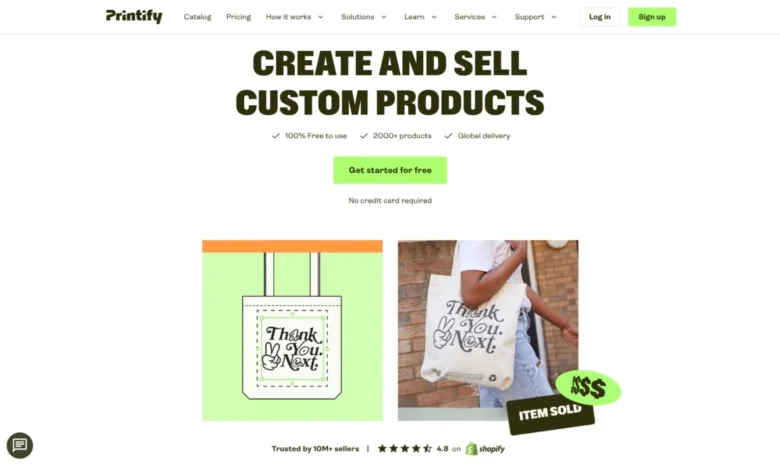
The dropshipping sector is expected to continue its trend toward vertical integration. As platforms like Printify prove that on-demand production can be profitable, and as CJ Dropshipping continues to expand its domestic warehouse footprint, the reliance on generic overseas sourcing is expected to wane.
Official statements from these platforms indicate a massive investment in AI-driven supplier vetting. By 2026, the focus will shift from "how many products can you import" to "how reliable is the fulfillment data." Merchants are encouraged to test multiple providers simultaneously. Using a secondary application to fulfill a subset of orders is a common, low-risk way to stress-test a new supplier’s capabilities before committing to a full-scale migration.
Final Analysis
There is no single "best" alternative to Zendrop; rather, there is the "right" alternative for a specific business model. For the cost-conscious, DSers is the clear winner. For the multichannel seller, AutoDS provides the necessary infrastructure. For those building a brand with custom packaging and domestic shipping, CJ Dropshipping remains the most robust choice.
Ultimately, the success of a dropshipping store in 2026 will depend on the merchant’s ability to balance cost-efficiency with supply chain reliability. By conducting thorough due diligence, requesting samples, and testing the integration with a limited number of SKUs, store owners can mitigate the risks associated with changing fulfillment partners and position their businesses for sustained growth in a competitive digital economy.
Related posts: