DHL eCommerce Shifts Expansion Focus to Eastern Europe Following Strategic Acquisition Spree

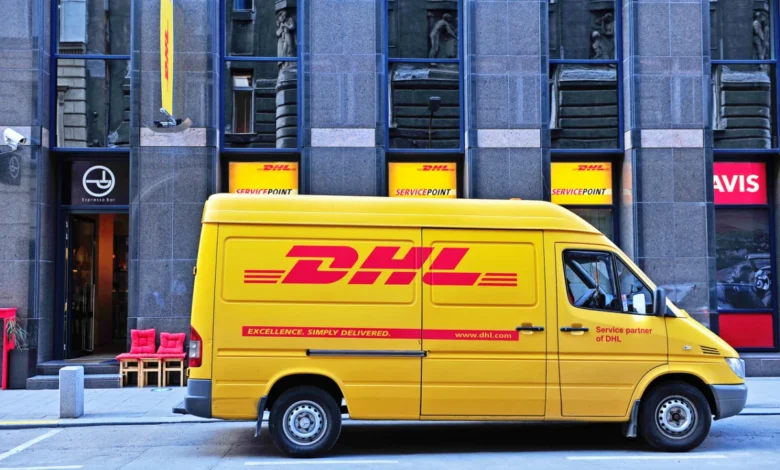
DHL eCommerce is aggressively pivoting its European growth strategy toward Eastern Europe, signaling a departure from the consolidated markets of the West as the logistics giant seeks to double its revenue within the next five years. Following a series of tactical maneuvers in the UK, Italy, and the Iberian Peninsula, the division has identified the Baltic states and the broader Eastern European corridor as the primary theaters for its next phase of infrastructure development and market integration.
The strategic pivot was confirmed by DHL eCommerce CEO Pablo Ciano in a recent discourse with industry analysts, where he articulated that the company has largely satisfied its requirement for major network gaps in Western and Southern Europe. With the logistics landscape in these mature markets now stabilized through high-profile mergers and joint ventures, the focus has shifted to building a robust, interconnected cross-border delivery ecosystem in the East.
The Strategic Blueprint: From Western Integration to Eastern Expansion
DHL’s expansion methodology over the past twenty-four months has been defined by a "build-or-buy" approach tailored to specific regional challenges. In Western Europe, where market density is high and competition is fierce, the company opted for consolidation. This included the significant merger of its UK parcel operations with Evri, a move designed to achieve economies of scale in one of the world’s most demanding e-commerce markets.
In Southern Europe, the company pursued a partnership-heavy strategy. The collaboration with Portugal’s state-owned CTT (Correios de Portugal) serves as a template for how DHL intends to capture cross-border flows in Iberia. By leveraging the existing domestic reach of national incumbents, DHL effectively bypassed the need to build a redundant last-mile fleet, instead opting for a "plug-and-play" integration of its international logistics network with local expertise.
However, the strategy for Eastern Europe is distinct. Unlike the West, where regulatory and operational hurdles often favor joint ventures, the Eastern European market remains fragmented. To secure a dominant position, DHL has pivoted toward direct acquisitions, starting with the notable agreement to purchase Venipak.
Baltic Consolidation: The Case of Venipak
The acquisition of Venipak, announced in July, represents the cornerstone of DHL’s current Baltic strategy. Subject to final regulatory approvals, the deal provides DHL with an immediate, mature operational footprint in Lithuania, Latvia, and Estonia. Venipak’s infrastructure—comprising approximately 800 automated parcel lockers and a well-established network of collection points—is precisely the asset class DHL is prioritizing.
By integrating Venipak into the DHL global network, the company aims to solve the "last-mile friction" that often plagues cross-border shipments in the region. For the average consumer in the Baltics, this means that a package originating in Germany or France can be seamlessly handed off to the Venipak local network, utilizing the same locker infrastructure used for domestic retail, thereby increasing efficiency and reducing the carbon footprint of individual deliveries.
The Second-Hand Economy: A Catalyst for Parcel Point Growth
A critical driver behind DHL’s aggressive investment in physical touchpoints—such as lockers and parcel shops—is the explosive growth of the Circular Economy. Peer-to-peer (P2P) marketplaces, led by companies such as Vinted, have fundamentally altered consumer behavior. In 2025 alone, Vinted reported a Gross Merchandise Volume (GMV) of 10.8 billion euros, marking a 47 percent year-on-year increase.
This trend is not merely a retail phenomenon; it is a logistics imperative. P2P sales require a different delivery architecture than traditional Business-to-Consumer (B2C) e-commerce. In a B2C model, the goal is often high-speed, doorstep delivery. In the second-hand market, cost-efficiency and flexibility are paramount, as the margins on individual items are often razor-thin.
DHL has observed a 50 percent annual growth rate in volumes processed through its parcel shops and lockers. These locations are functioning as the "central nervous system" of the second-hand trade. By facilitating a drop-off point for the seller and a pickup location for the buyer, carriers avoid the prohibitive costs associated with failed doorstep deliveries and the complexity of reverse logistics. Consequently, DHL is doubling down on this infrastructure to capture the logistics volume generated by the platforms that power this circular economy.
Financial Targets and Strategic Ambition
The financial stakes are significant. In 2025, DHL eCommerce generated 6.9 billion euros in revenue. Mr. Ciano has set a bold strategic target to double this figure over the next five years. While he characterized this as a strategic ambition rather than a rigid forecast, the capital expenditure required to support such growth is already visible in the company’s balance sheet.
The growth is supported by a robust 15 percent annual increase in cross-border parcel volumes. Furthermore, DHL is actively developing new trade lanes between Europe and the Americas, betting that the globalization of e-commerce will continue to outpace traditional retail growth. The focus remains strictly on parcel services; this metric excludes the underlying value of the goods being transported, highlighting the sheer volume of parcels the company is now processing.
Regulatory and Competitive Landscape
As DHL moves into Eastern Europe, it faces a complex regulatory environment. Each nation in the region maintains its own postal regulations, and anti-trust bodies are increasingly vigilant regarding the consolidation of logistics services. The acquisition of Venipak will likely be scrutinized to ensure that the integration does not unfairly stifle competition for smaller local couriers.
However, industry analysts suggest that the entry of a global heavyweight like DHL could actually stimulate the Eastern European market. By introducing standardized, high-tech logistics solutions and modernizing infrastructure, DHL may force regional competitors to improve their own service offerings. This "competitive pressure effect" is expected to lead to faster delivery times and lower costs for consumers across the region.
The Broader Implications for European Logistics
The transformation of DHL eCommerce reflects a broader trend in the European logistics sector: the transition from regional postal services to pan-European logistics networks. The era of the "national champion" is giving way to the "continental integrator."
The implications for the European consumer are twofold. First, the standardization of parcel lockers across borders will likely make international returns and P2P shipments as seamless as domestic ones. Second, the centralization of logistics networks under large-scale operators like DHL may lead to a reduction in the variety of last-mile carriers, potentially consolidating the market into three or four major players.
For logistics stakeholders, the lesson is clear: the physical network is once again becoming the most important asset. While software and algorithms optimize the route, the proximity of a parcel locker or a collection point to the consumer’s front door is the final battleground for market share.
Conclusion and Future Outlook
As DHL eCommerce continues to scout for further acquisitions in Eastern Europe, the market should anticipate additional announcements of localized takeovers and joint ventures. The company’s ability to successfully integrate the Venipak network will serve as a bellwether for its broader expansion strategy.
If the company meets its goal of doubling revenue, it will effectively cement its status as the backbone of European e-commerce. By focusing on the intersection of cross-border trade, the second-hand economy, and high-density locker networks, DHL is positioning itself to capitalize on the structural shifts in how goods move across the continent. The coming years will be defined by this push eastward, as the logistics industry continues to evolve in response to the changing digital habits of 500 million European consumers.