As the digital landscape evolves, merchants are facing a dual challenge: the need to provide hyper-personalized, conversational shopping experiences and the requirement to streamline the complexities of international trade. The industry is currently witnessing a rapid deployment of AI-powered logistics, automated reputation management, and sophisticated cross-border payment solutions, all designed to reduce friction for both the merchant and the end consumer.
The Rise of Agentic AI and Conversational Commerce
The most prominent trend emerging this week is the transition from simple chatbots to "agentic" AI—autonomous systems capable of performing tasks, comparing products, and navigating complex logistics on behalf of users.

Amazon Ads has taken a major step in this direction by partnering with OpenAI to pilot advertising services within ChatGPT. This integration allows advertisers to extend their reach into conversational interfaces, engaging potential customers as they research products, compare features, and deliberate on purchasing decisions. This move signals a departure from static display ads, favoring a model where brands participate directly in the consumer’s decision-making dialogue.
Similarly, Instacart has launched "Clementine," an AI-powered shopping assistant that helps users with meal planning and grocery procurement. By allowing shoppers to upload recipes or describe dietary preferences, the tool leverages the company’s massive catalog to provide personalized recommendations. To bolster this, Instacart is rolling out its white-label "Cart Assistant" to its retail partners, ensuring that individual grocery chains can maintain their brand identity while benefiting from the same sophisticated AI intelligence.
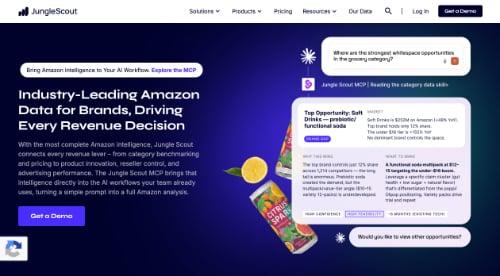
In the realm of shopping research, Jungle Scout has debuted "AI Solutions," which includes "Ask Cobalt." This tool provides merchants with immediate insights into category trends and competitive positioning through a conversational interface, while their "MCP" (Master Channel Processor) allows sellers to integrate this high-level data into common AI platforms like Claude, Gemini, and Microsoft Copilot.
Logistics and Supply Chain Innovation
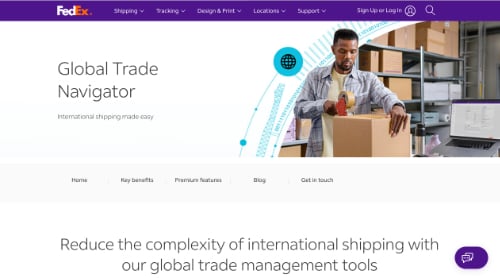
International shipping remains a significant barrier to entry for many small and medium-sized enterprises (SMEs). To address this, FedEx has unveiled its "Global Trade Navigator," a comprehensive suite of digital tools designed to simplify the complexities of international compliance. The system includes "Trade Planner," which provides self-service regulatory guidance, and a Shopify-integrated app that displays duty and tax guarantees at the point of checkout. By automating the harmonization of HS (Harmonized System) codes and providing real-time duty calculations, FedEx is effectively lowering the technical threshold for businesses looking to expand globally.
Parallel to this, DHL Group and Alibaba.com have formed a strategic partnership to bring AI-powered logistics to SMEs. The collaboration focuses on integrating DHL’s logistics infrastructure with Alibaba’s "Accio" agentic platform. By enabling real-time freight quoting and automated booking directly through the AI agent, businesses can evaluate shipping options with unprecedented speed. This represents a shift from reactive logistics management to proactive, data-driven supply chain orchestration.
Cross-Border Payments and Financial Infrastructure
As commerce becomes more global, the underlying financial infrastructure must adapt to diverse regulatory and currency requirements. Ant International, the operator of Alipay+, is collaborating with Visa and Mastercard to establish a new payments standard driven by AI agents. This initiative aims to address the security and authentication challenges inherent in machine-to-machine transactions, focusing on a "know your agent" framework to ensure that every AI transaction is linked to a valid, verified entity.

In a related move, Xflow, a fintech platform backed by Stripe and PayPal Ventures, has launched a dedicated collection service for global businesses operating in India. By enabling the acceptance of local payment methods—including UPI, cards, and bank transfers—without requiring the merchant to establish a physical entity in the country, Xflow is effectively removing the regulatory friction that has historically prevented foreign companies from capturing the Indian market.
Furthermore, Mastercard and Flowcart have teamed up to embed secure, card-based payments into WhatsApp-based social commerce journeys in East Africa. This development is critical for the region, as it allows consumers to browse products and complete transactions within a single chat window, bypassing the need for redirects to external websites that often suffer from high bounce rates.
Strategic Marketing and Reputation Management
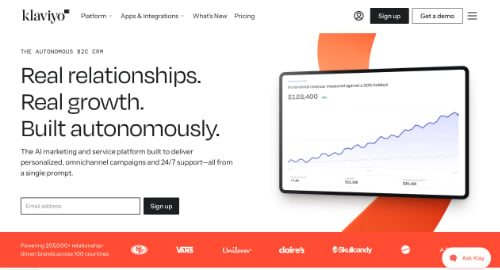
The integration of disparate marketing channels is becoming a priority for enterprise-level retailers. Mntn and Klaviyo have announced a partnership that bridges the gap between Connected TV (CTV) advertising and email/SMS marketing. By allowing marketers to trigger automated digital communication based on CTV ad exposure, brands can create a more cohesive multi-channel journey for their customers.
On the reputation management front, RankRabbit AI has introduced "Reputation AI," a tool designed to automate the monitoring and response process for online reviews. By utilizing sentiment analysis, the tool can flag negative trends in real-time and draft professional responses, allowing businesses to maintain a positive public image without the manual labor typically associated with community management.
Finally, SurveyMonkey has updated its platform with an "AI Analysis Suite," which utilizes conversational language to interact with data. This enables merchants to quickly derive insights from open-ended customer feedback, automatically categorizing responses into actionable themes. This shift toward AI-assisted data analysis underscores the broader industry trend: the move toward making complex data accessible and actionable for non-technical users.
The Broader Economic Implications
The proliferation of these tools suggests that the ecommerce industry is entering a "post-friction" era. For decades, the primary obstacles for merchants have been technical, regulatory, or geographic. Today, those hurdles are being systematically addressed by AI agents and integrated service platforms.
However, these advancements bring new challenges. The "trust gap" in agentic commerce—where consumers may be wary of recommendations made by AI that may or may not be unbiased—has prompted the launch of platforms like M11 Labs. M11 Labs’ "OpenMarket" operates on a Universal Commerce Protocol, which checks the veracity of claims made by competing brand agents in real-time. As AI becomes the primary interface for shopping, the accuracy and transparency of these agents will become a competitive differentiator for brands.
From a macroeconomic perspective, the convergence of AI and logistics signifies that the digital divide between small merchants and large retailers is narrowing. Access to enterprise-grade logistics, global payment rails, and sophisticated sentiment analysis is no longer reserved for companies with large in-house technical teams. By offloading these functions to third-party AI agents and integrated services, merchants of all sizes can focus on product innovation and brand differentiation.
Conclusion
The developments of this week illustrate a fundamental shift in the ecommerce ecosystem. The focus has moved beyond simply having an online presence to creating an automated, intelligent, and borderless infrastructure. Whether through the logistical support of FedEx and DHL, the payment innovations of Ant International and Xflow, or the conversational marketing capabilities of Amazon Ads, the merchant of the future is increasingly reliant on a web of interconnected AI agents. As these technologies continue to mature, the focus will likely shift from the implementation of these tools to the optimization of the strategies that govern them, ensuring that AI-led growth remains both transparent and beneficial to the consumer.