The Definitive 2026 Guide to WordPress Black Friday and Cyber Monday Discounts and Cyber Week Software Deals

The annual retail phenomenon encompassing Black Friday and Cyber Monday has evolved far beyond traditional brick-and-mortar storefronts and consumer electronics, becoming a critical fiscal window for the digital infrastructure and software-as-a-service (SaaS) sectors. As the global economy navigates digital transformation trends in 2026, website owners, developers, and enterprises are increasingly relying on the late-November promotional cycle to procure essential web architecture components at reduced margins. Industry analysts project that enterprise software and developer tool expenditures during this year’s cyber week will surpass previous benchmarks, driven by an expanding global WordPress ecosystem that powers over forty percent of all active websites on the internet.
The historical trajectory of Black Friday within the WordPress community has transformed from sporadic, single-day promotions into prolonged, multi-week fiscal events commonly designated as "Cyber Week." Software vendors, web hosting conglomerates, and independent plugin developers now utilize this period not merely for inventory clearance, but as a primary customer acquisition channel for annual subscriptions. This strategic shift allows small-to-medium enterprises and freelance developers to secure enterprise-grade tools—ranging from high-performance cloud hosting to complex e-commerce extensions—at discounts frequently ranging from thirty to eighty percent. Industry observers note that this extended timeline mitigates server strain associated with single-day traffic spikes while providing purchasers adequate duration to evaluate complex software integrations before deployment.

To navigate the expansive marketplace of available promotions, industry aggregators have systematically categorized thousands of active discounts into specialized verticals. Web hosting infrastructure represents one of the most capital-intensive overhead expenses for digital enterprises; consequently, major hosting providers have introduced aggressive incentives for the 2026 cycle. Tiered cloud and managed WordPress hosting providers such as Kinsta and Cloudways have deployed promotional structures offering up to fifty percent reductions on annual commitments. Meanwhile, volume-driven legacy hosting corporations, including Bluehost and InMotion Hosting, have announced promotional price drops reaching up to seventy-five percent off standard rate cards. Specialized developer platforms like WPMUDEV have introduced value-added structures, providing up to eleven months of complimentary service with select multi-site management packages, fundamentally altering the short-term cost analysis of enterprise-level infrastructure deployment.
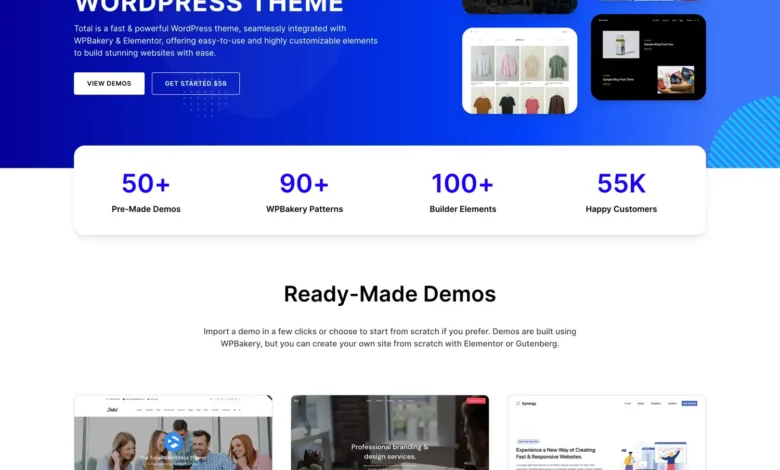
Concurrently, the aesthetic and structural framework market—comprising themes, page builders, and design systems—features substantial price contractions designed to capture market share among new digital properties. Premium design ecosystems such as Elegant Themes have released price concessions of up to eighty percent, while flexible framework architectures like the Total WordPress Theme, Astra, and Kadence feature markdowns varying between thirty and fifty percent. These design-centric promotions intersect directly with advanced layout engines, including WPBakery and Elementor integrations, allowing developers to construct modular, responsive digital environments with minimized upfront capital expenditure. Similar discounting trends are visible across marketplace aggregates like Envato and Template Monster, where curated libraries of digital assets experience widespread valuation adjustments.
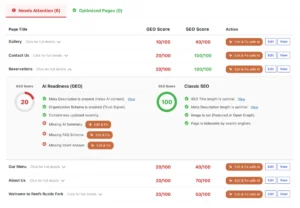
Beyond aesthetic configuration, functional plugins governing search engine optimization (SEO), data analytics, and conversion rate optimization have emerged as focal points of the Cyber Week promotional calendar. Industry-standard utility suites, including All In One SEO (AIOSEO) and MonsterInsights, have initiated promotional campaigns featuring discounts of up to sixty-five percent. These specialized marketing tools are complemented by performance enhancement plugins such as WP Rocket and security utilities like Duplicator, which have deployed price reductions averaging between forty and sixty percent. Data analysts indicate that these software investments are critical for organizations seeking to enhance organic visibility and core web vitals performance ahead of subsequent fiscal quarters.

The e-commerce and transactional sector within the WordPress ecosystem—anchored heavily by WooCommerce and its expanding constellation of specialized extensions—reflects similarly aggressive pricing dynamics. Retail management tools, inventory synchronization utilities like FlexStock, and advanced checkout optimization frameworks such as CartFlows are currently available at reductions spanning from fifteen to fifty percent. Furthermore, enterprise-grade form architecture and customer relationship management (CRM) systems, including WPForms, Gravity Forms, and FluentCRM, have structured promotional entries offering up to seventy percent savings alongside extended trial periods. These incentives directly target merchants aiming to optimize conversion funnels and customer data collection protocols prior to the subsequent high-volume retail seasons.
From an economic perspective, market researchers analyze the sustained growth of Cyber Week promotions in the digital software sector as an indicator of robust competition within the open-source community. The availability of deep discounts forces both legacy enterprises and bootstrapped startup developers to continuously innovate, offering enhanced feature sets, improved security protocols, and advanced artificial intelligence integrations—such as localized AI translation tools like LocoAI—to maintain consumer interest. While these promotional windows compress short-term margins for software developers, the resultant volume of recurring subscription renewals typically sustains operational scalability throughout the subsequent calendar year.
As web professionals and enterprise stakeholders evaluate the extensive array of available software promotions, industry bodies emphasize the necessity of rigorous pre-purchase verification. Because individual vendor sales operate under disparate activation schedules—frequently commencing prior to Thanksgiving and extending through mid-December—purchasers are advised to verify that promotional codes and discounted pricing tiers are accurately reflected at checkout before finalizing transactions. Furthermore, due diligence regarding auto-renewal terms and regular subscription pricing remains essential to prevent unintended long-term expenditures once introductory promotional periods expire.