Breuninger accelerates its European expansion strategy by launching in eleven new markets and scaling its digital marketplace

The German luxury department store operator Breuninger has officially announced a significant expansion of its digital footprint, extending its e-commerce operations into eleven additional European countries. This strategic maneuver marks a pivotal shift in the company’s trajectory, effectively doubling its geographical reach and reinforcing its ambition to establish itself as a dominant digital fashion and lifestyle destination across the continent. By bringing its total active markets to 24, the Stuttgart-headquartered retailer is signaling a departure from its traditional reliance on physical department stores, pivoting instead toward a scalable, technology-driven growth model.
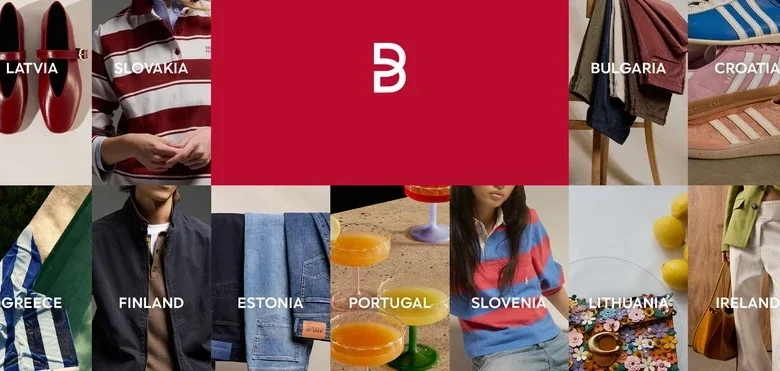
The new markets now serviced by Breuninger include Finland, Estonia, Latvia, Lithuania, Ireland, Bulgaria, Slovenia, Slovakia, Croatia, Portugal, and Greece. Customers in these regions will be provided access to an English-language online storefront, designed to offer a seamless shopping experience consistent with the brand’s premium positioning. This development follows a busy first half of the year for the family-owned enterprise, which had already successfully initiated operations in Denmark, Sweden, and Romania earlier in 2024.
A Chronology of Digital Transformation
To understand the scale of this expansion, one must look at the evolution of Breuninger’s digital roadmap. Founded in 1881 as a textile store in Stuttgart, the company spent over a century focused exclusively on the brick-and-mortar luxury experience. It was not until 2008 that the company ventured into e-commerce, a move that proved prescient as consumer behavior shifted rapidly toward digital platforms.
For over a decade, the online store served as a digital extension of its physical luxury department stores. However, the turning point in its modern history occurred in 2020 with the launch of the Breuninger Marketplace. This platform allowed the company to move beyond traditional inventory models, inviting third-party brand partners to sell directly through its portal. The integration of the marketplace model provided the agility necessary for the rapid cross-border expansion now being witnessed.
By 2023, the executive board began finalizing plans to pivot from a regional German powerhouse to a pan-European digital player. The phased rollout that followed has seen the company systematically clear regulatory and logistical hurdles to enter the Nordic, Baltic, and Mediterranean regions, culminating in the current eleven-country launch.
Strategic Drivers: Marketplace and BEYOND
Beyond the geographical expansion of its direct-to-consumer online shop, Breuninger is simultaneously scaling its digital marketplace and its loyalty program, BEYOND. The marketplace, which acts as a curated ecosystem for premium fashion and lifestyle brands, is expanding into Poland, Austria, and the Netherlands. This specific expansion is particularly telling; these markets possess high purchasing power and well-developed e-commerce infrastructures, making them ideal testing grounds for the marketplace model outside of Germany.
The BEYOND loyalty program, a cornerstone of the brand’s customer retention strategy, is also being rolled out to these new territories. By offering personalized experiences, early access to collections, and member-exclusive events, Breuninger aims to cultivate a loyal customer base that transcends national borders. The synergy between the online shop, the marketplace, and the loyalty program forms the "three-pillar" strategy that leadership believes will insulate the business from the volatility of the retail sector.
Executive Perspective and Corporate Strategy
The decision to expand at such a rapid pace is not merely an exercise in geographic reach, but a deliberate move to capitalize on the increasing consolidation of the European luxury fashion market.
"With the simultaneous launch in eleven additional European countries, we are taking a major and important step in our internationalization strategy and strengthening our online business as a key growth driver for Breuninger," said Holger Blecker, CEO of Breuninger. "The expanded European presence creates the foundation for acquiring new customers and further developing our international business in the long term."
This sentiment is echoed by Dr. Felix Kreyer, the company’s Chief Customer Officer. "Our online shop, marketplace and BEYOND complement each other in our digital growth strategy: We are opening up new markets, expanding our curated product range and strengthening the long-term relationship with our customers," Kreyer stated. He emphasized that the objective is to move from being a store that happens to have a website to becoming a digital lifestyle destination that integrates itself into the daily lives of European consumers.
Market Analysis and Implications
The European e-commerce landscape is currently characterized by high levels of competition, with major players like Zalando, Farfetch, and Mytheresa competing for the premium fashion consumer. Breuninger’s strategy differs from these platforms in its "curated" approach. Rather than attempting to stock every available item, Breuninger maintains a high barrier for brand entry, ensuring that its marketplace remains aligned with its luxury department store heritage.
The economic implications of this expansion are significant. By diversifying its market presence across 24 countries, Breuninger mitigates the risk of a domestic downturn in the German economy. If consumer confidence in Germany falters, the company now has revenue streams in emerging luxury markets like Romania and established ones like Ireland or Portugal to balance its ledger.
However, the expansion is not without risks. Managing cross-border logistics, navigating varying tax and regulatory environments across the European Union, and providing localized customer service are massive operational challenges. The company’s ability to maintain its high standard of customer experience—often cited as its main differentiator—will be tested as it moves further away from its central distribution hubs in Germany.
The Role of Technology and Logistics
Behind the scenes, the expansion relies heavily on advanced data analytics and automated logistics. To manage 24 markets, Breuninger has invested heavily in its IT infrastructure, ensuring that the online storefront can handle multi-currency payments, local language support, and regional return logistics. The marketplace model, in particular, is highly dependent on API integrations with third-party brands, which allows Breuninger to offer a wider array of products without the capital expenditure required to hold that inventory in its own warehouses.
Furthermore, the integration of the BEYOND program suggests a sophisticated data strategy. By gathering cross-border consumer data, Breuninger can predict fashion trends with greater accuracy, allowing its buying teams to curate collections that appeal to a diverse European audience rather than relying solely on German taste profiles.
Future Outlook
Looking ahead, industry analysts suggest that Breuninger’s current expansion is unlikely to be its last. Having established a presence in much of the European Union, the next logical step would be deeper penetration into existing markets or expansion into non-EU European territories.
The successful integration of the marketplace in Poland, Austria, and the Netherlands will likely serve as the blueprint for future expansions. If these markets perform as expected, the company may look to further diversify its vendor base on the marketplace, potentially moving into home goods, beauty, and premium electronics—categories that have historically performed well within its physical department stores.
In conclusion, Breuninger’s move into eleven new markets represents a defining moment in the company’s 143-year history. It is a bold, calculated transition from a regional luxury retailer to a pan-European digital entity. While the challenges of scaling a high-touch, premium brand across diverse cultural and economic landscapes are substantial, the company’s integrated digital strategy provides a clear path forward. As Breuninger solidifies its position as a digital fashion and lifestyle destination, the European retail landscape will undoubtedly be forced to adapt to this newly expanded, highly aggressive player. The coming fiscal year will be critical in determining whether this rapid growth can be sustained while maintaining the service quality that has defined the Breuninger name for over a century.