Navigating the Balance Between AI Discovery and Server Performance: A Modern Web Administrator Guide


The modern web ecosystem faces a structural dilemma that pits digital discoverability directly against infrastructure preservation. For years, website administrators operated under a binary premise regarding automated traffic: allow web crawlers to ensure visibility across search engines, or block them entirely if server resources deteriorated under heavy loads. However, the rapid proliferation of artificial intelligence technologies, generative search tools, and autonomous agent systems has rendered this black-and-white approach obsolete. Treating automated traffic as a monolithic entity no longer serves the operational or commercial interests of website owners, ranging from independent publishers to enterprise-level e-commerce platforms.
The Evolving Landscape of Automated Web Traffic
The digital landscape has transformed drastically over recent years, driven by the explosive growth of artificial intelligence applications. According to comprehensive traffic data compiled by web infrastructure and security giant Cloudflare, the composition of automated traffic shifted dramatically by mid-2026. AI training activities alone accounted for an overwhelming 52 percent of all crawler requests across monitored networks, while mixed-use crawlers that perform multiple functions simultaneously comprised over 36 percent. Traditional search-only crawling, once the primary focus of web optimization strategies, now represents a much smaller fraction of overall bot activity.

This diversification of automated requests exposes the fundamental flaw of blanket allow-or-block security policies. Modern platforms often operate multiple distinct bots under a single corporate umbrella, with individual crawlers executing varied tasks ranging from real-time data retrieval and product recommendation indexing to deep model training. Consequently, a single automated visitor can simultaneously act as a beneficial search indexing agent and a resource-intensive model training bot. Recognizing these distinctions has become paramount for system administrators seeking to maintain high site performance without sacrificing visibility in emerging AI-driven search environments.
Quantifying the Return on Investment for Automated Traffic
To establish an effective traffic management policy, organizations must evaluate the tangible return on investment generated by automated requests. While traditional search crawlers like Googlebot and Bingbot offer clear pathways to organic traffic and user acquisition, the value proposition for generative AI crawlers remains more complex. Empirical analyses of crawl-to-referral ratios—exemplified by telemetry data released throughout 2025 and 2026—demonstrate a staggering disparity between the resources consumed by AI platforms and the direct referral traffic they send back to source websites.
For instance, platforms such as Anthropic and OpenAI frequently execute tens of thousands of page requests for every single measurable referral click delivered to a publisher. Other systems, like Perplexity, demonstrate different operational footprints, often maintaining lower crawl-to-referral ratios. However, evaluating AI traffic strictly through standard referral metrics presents an incomplete picture. Advanced AI applications frequently operate via native interfaces that omit traditional HTTP referer headers, obscuring the true volume of attributed visits. Furthermore, AI citations and brand mentions within synthesized answers expose content to audiences who may engage with the brand through alternative channels without ever executing a direct click-through.

To navigate this complexity, web administrators must weigh infrastructural costs against strategic visibility risks. A systematic evaluation requires answering fundamental operational questions: Does a specific crawler genuinely support AI discovery? Does it generate measurable direct traffic? Which specific endpoints or directory paths are being targeted? By assessing the frequency and resource intensity of these requests, organizations can transition away from reactionary blocking toward a nuanced, value-driven traffic management strategy.
Mitigating Server Strain on High-Cost Endpoints
Beyond identifying the origin of automated traffic, administrators must scrutinize the specific resources targeted during a crawl session. A bot that periodically indexes static, cached articles generates a negligible server workload compared to an automated system that repeatedly hammers dynamic endpoints, such as internal search results, filtered product catalogs, user authentication portals, or e-commerce cart and checkout URLs. These dynamic requests compel underlying content management systems—such as WordPress—to generate fresh, un-cached responses for every single hit, severely depleting server memory and processing power.
The operational toll of unmanaged bot activity is well-documented in enterprise hosting analytics. Industry analyses of automated traffic targeting WordPress installations revealed staggering figures, such as millions of automated requests directed exclusively at e-commerce add-on and cart URLs within a single 24-hour period. Specific AI agents, including ClaudeBot, have been observed accounting for millions of dynamic requests on single platforms. The core issue does not lie in the mere presence of an AI crawler, but rather in the unrestricted access granted to dynamic, resource-heavy URLs that offer zero value to search visibility or content discoverability.
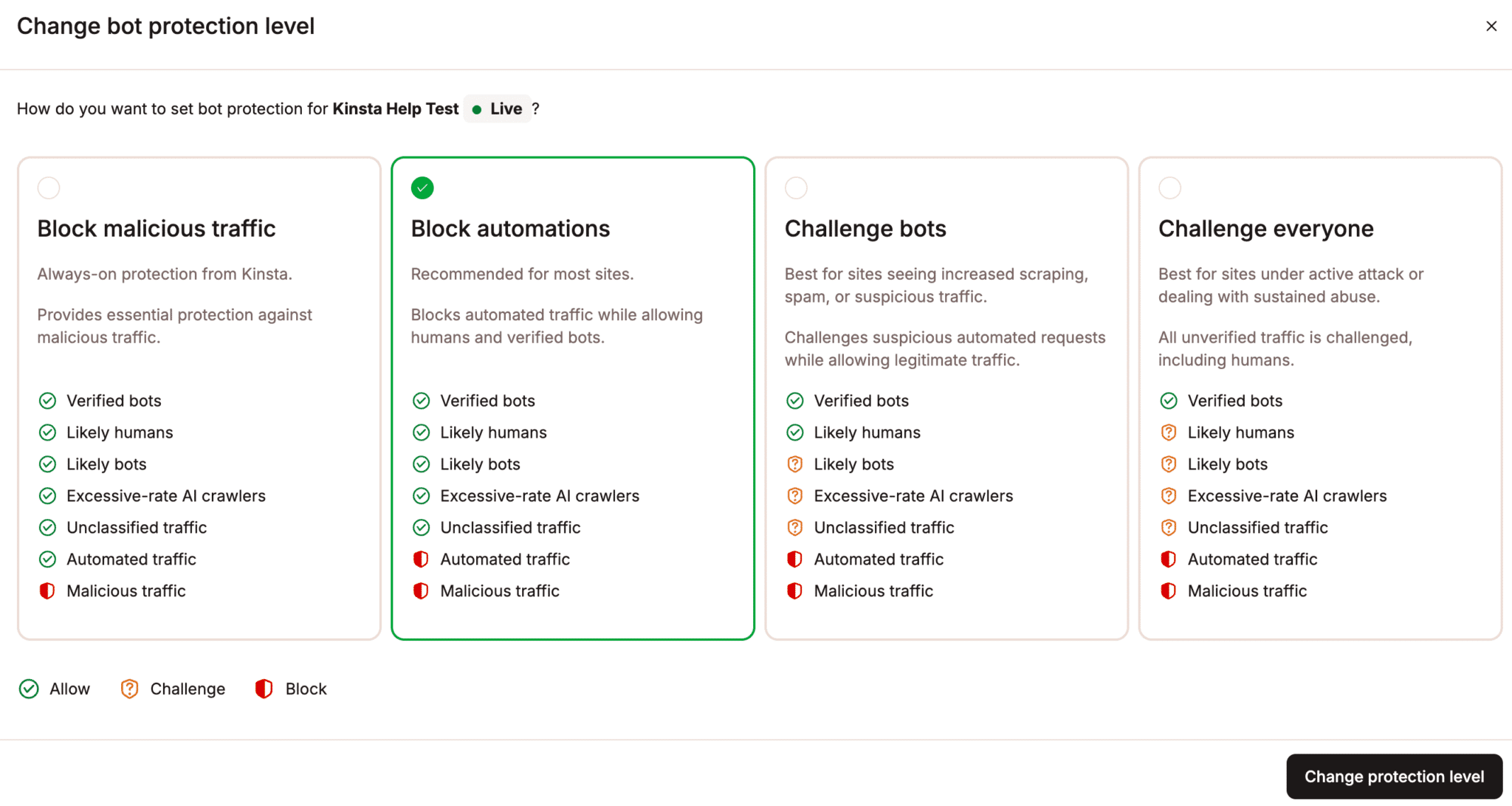
Implementing granular access controls allows administrators to protect vulnerable server infrastructure. By permitting bots to read public-facing informational articles while simultaneously restricting access to expensive database queries and transactional endpoints, organizations can drastically reduce server load without compromising their broader search visibility goals.
Shifting Regulatory and Technical Frameworks in Bot Management
The broader tech industry has begun adapting its architectural tools to address the multifaceted nature of automated traffic. In July 2026, Cloudflare overhauled its bot management framework, replacing its legacy single-switch AI bot blocking mechanism with granular controls categorized into Search, Agent, and Training traffic. This structural shift allows domain owners to independently permit or restrict specific categories of automated behavior across entire sites or selectively on monetized pages displaying advertisements.
These industry-wide adjustments reflect a growing consensus among infrastructure providers and web developers: the binary approach to bot management is officially dead. Web hosting providers, including managed WordPress platforms like Kinsta, have similarly introduced advanced, multi-layered bot protection mechanisms. These modern toolsets move far beyond simple allowlists or blocklists, offering tiered protection levels that automatically challenge suspicious activity, differentiate between verified search engines and excessive AI crawlers, and safeguard crucial background processes.

For instance, robust hosting-level protections typically ensure that traditional, vital search crawlers—such as Googlebot and Bingbot—remain fully operational even when aggressive restrictions are deployed against specialized AI training bots. Additionally, sophisticated filtering options ensure that essential internal automations, scheduled system tasks, payment gateway webhooks, and REST API integrations are not inadvertently crippled by strict security protocols.
Strategic Recommendations for Web Agencies and Enterprises
Digital agencies and enterprise IT departments managing large portfolios of client websites must adopt highly customized, client-specific bot policies rather than relying on uniform configurations. A high-traffic WooCommerce retail store requires strict rate-limiting and aggressive defense mechanisms to prevent automated scrapers and bots from degrading the user experience for genuine shoppers during peak traffic events. Conversely, a digital publishing house or news organization may choose to tolerate higher volumes of AI retrieval traffic to maximize its presence in generative search summaries and conversational AI discovery tools.
To successfully implement and maintain these tailored policies, organizations should adhere to a continuous optimization lifecycle:
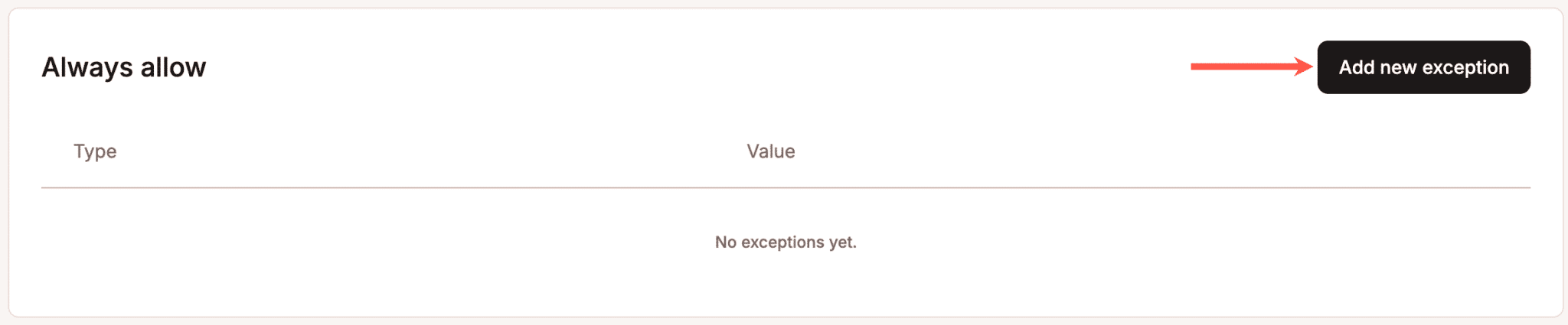
- Observe and Audit: Utilize platform analytics and request breakdown tools to categorize incoming automated traffic, identifying spikes in verified bots, excessive AI crawlers, and automated scripts.
- Adjust Granularly: Implement targeted rules that restrict resource-intensive paths while preserving access for legitimate search indexes and necessary system automations.
- Compare Performance: Monitor server response times, infrastructure load, and organic search performance metrics before and after policy modifications.
- Iterate Continuously: Regularly update bot management rules to adapt to shifting crawler behaviors, evolving AI referral patterns, and changing business objectives.
Ultimately, mastering automated web traffic requires a strategic equilibrium. By abandoning rigid, all-or-nothing security postures and embracing granular, behavior-based access controls, website administrators can successfully protect their server infrastructure, reduce hosting overhead, and maintain robust visibility across both traditional and AI-powered discovery channels.