Samsung Galaxy Card Marks Tech Giants Strategic Expansion into the Financial Services Sector to Rival Apple Card

Samsung has officially announced the launch of the Galaxy Card, a credit card designed to integrate deeply with its ecosystem of mobile devices and services. This move comes nearly seven years after Apple’s high-profile entry into the financial sector with the Apple Card and signals a significant escalation in the battle for consumer loyalty between the world’s two largest smartphone manufacturers. The announcement was strategically timed just forty-eight hours prior to Samsung’s second Galaxy Unpacked event of the year, where the South Korean conglomerate is expected to unveil its latest iterations of smartwatches and foldable smartphones. Issued by Barclays on the Visa network, the Galaxy Card represents a sophisticated attempt by Samsung to capture a share of the multibillion-dollar credit card market while simultaneously strengthening the "walled garden" of its Galaxy ecosystem.
The Evolution of the Tech-Centric Credit Card
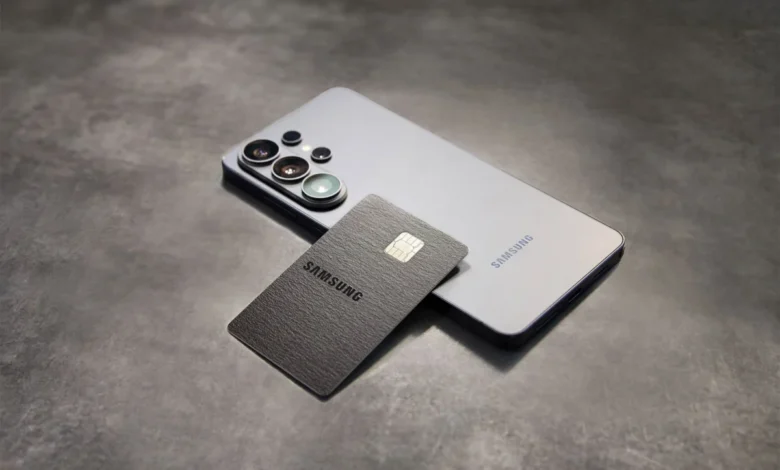
The Galaxy Card is not merely a financial tool but a strategic extension of the Samsung Wallet platform. While the Apple Card—originally issued by Goldman Sachs and currently transitioning to Chase—utilizes the Mastercard network, Samsung has opted for a partnership with Barclays and Visa. This choice of partners provides Samsung with a robust global infrastructure. Unlike the titanium construction of the Apple Card, the physical Galaxy Card is manufactured from recycled steel, reflecting the company’s increasing emphasis on environmental sustainability. For digital-first users, the card is provisioned directly to the Samsung Wallet, allowing for immediate use upon approval.
The rewards structure of the Galaxy Card is tiered to incentivize direct engagement with Samsung’s own sales channels. Under the "no annual fee" model, cardholders earn 5 percent cash rewards on all purchases made directly through Samsung’s US website or physical stores. This is complemented by a 3 percent cash reward on any purchase made using the Galaxy Card via Samsung Wallet, a 2 percent reward on streaming service subscriptions, and a baseline 1 percent on all other transactions made with the physical card. These rewards can be redeemed as statement credits or transferred directly into a linked checking or savings account, offering a level of flexibility that mirrors modern fintech expectations.
A Chronology of Tech Giants in Fintech
To understand the significance of the Galaxy Card, one must look at the timeline of technology companies encroaching on traditional banking territory. The trend began in earnest in the mid-2010s with the launch of mobile payment platforms like Apple Pay (2014), Samsung Pay (2015), and Google Pay (2015).
- August 2019: Apple launches the Apple Card in the United States, promising a "new kind of credit card" focused on privacy, transparency, and simplicity.
- May 2020: Samsung introduces "Samsung Money by SoFi," a mobile-first money management experience that included a cash management account and a debit card. This served as a precursor to a full credit offering.
- Late 2023: Reports emerge regarding the dissolution of the partnership between Apple and Goldman Sachs due to the bank’s desire to exit the consumer lending space after facing significant losses.
- January 2024: Official confirmation that Chase would eventually take over the Apple Card portfolio, highlighting the volatility and complexity of tech-bank partnerships.
- July 2024: Samsung announces the Galaxy Card, moving from a debit-focused model to a high-rewards credit model to directly compete for the premium consumer segment.
This chronology illustrates a shift from tech companies acting as "digital wrappers" for existing cards to becoming the primary interface through which consumers manage their debt and rewards.
Strategic Incentives and the VIP Advantage
Beyond the standard cash-back percentages, Samsung is leveraging its broad product portfolio to offer perks that traditional banks struggle to match. A primary differentiator is the 20 percent discount on Samsung’s "VIP Advantage" membership. This program, which typically carries its own annual fee, provides consumers with extended device protection (akin to Samsung Care+), specialized technical support, and exclusive access to early deals on new hardware.
Furthermore, to drive rapid adoption during the initial launch phase, Samsung is offering a $200 cash reward for new cardmembers who spend $2,000 within the first 90 days of account opening. This "sign-up bonus" is a standard tactic in the competitive US credit market, designed to capture "top of wallet" status among consumers who might otherwise stick to established travel or grocery-focused cards. Applications for the Galaxy Card are scheduled to open on July 22, coinciding with the retail availability of the new devices announced at Galaxy Unpacked.
Market Analysis: Brand Loyalty and Data Ecosystems
The introduction of the Galaxy Card is a calculated move to address the "churn" of the smartphone market. In an era where hardware specifications have largely plateaued, software and financial services become the primary drivers of brand "stickiness." According to Brian Riley, Director of Credit Advisory Services at Javelin Strategy & Research, the entry into this space is vital for brand presence.

"Cards are basically a commodity at the end of the day; how you differentiate them is really what makes the difference," Riley notes. He emphasizes that for companies like Samsung, the goal is to become the "anchor" of the consumer’s financial life. By offering 3 percent rewards on Samsung Wallet transactions, Samsung is effectively training its users to use their phones for every transaction—from transit turnstiles to grocery stores—rather than reaching for a physical wallet. This generates a wealth of consumer behavior data that, while often anonymized, is invaluable for refining marketing strategies and ecosystem development.
However, industry experts also warn of the risks associated with rewards-heavy cards. Riley points out that the "revolving" nature of credit can often negate the benefits of rewards. If a cardmember carries a balance, the high Annual Percentage Rate (APR)—which varies based on creditworthiness—quickly exceeds the 1 to 5 percent earned in cash back. This remains a central challenge for tech companies trying to position themselves as consumer-friendly alternatives to "predatory" big banks.
The "Platform Lock-in" Dilemma
One of the most contentious aspects of tech-branded credit cards is what happens when a consumer decides to switch hardware platforms. The Samsung Wallet app is exclusively available on Samsung smartphones and watches. This creates a potential barrier for users considering a move to Google’s Pixel or Apple’s iPhone.
Samsung has clarified that the Galaxy Card is not strictly limited to Samsung device owners in terms of ownership; anyone can use the physical steel card, and account management is available via a Barclays web portal. However, the loss of the Samsung Wallet interface means the loss of the 3 percent "tap-to-pay" reward tier, effectively devaluing the card for those outside the ecosystem. This mirrors the Apple Card’s structure, where switching to Android renders the card a standard 1 percent cash-back tool managed through a web browser, stripped of its most innovative features.
Sara Rathner, a credit card expert at NerdWallet, suggests that while these features are compelling, they may not be "world-changing" in the way the original iPhone was. "The Apple Card is far from the iPhone in terms of changing the world. It’s fine; it’s a cash-back card," Rathner observes. She notes that the success of the Galaxy Card will depend on its resonance with "card-maxxers"—consumers who meticulously optimize their spending across multiple cards to maximize rewards points.
Broader Impact on the Credit Industry
The launch of the Galaxy Card is likely to force traditional financial institutions to further innovate their digital offerings. Apple’s influence has already been felt in the industry; features such as showing a user’s potential interest rate before a "hard" credit pull and the daily posting of rewards (rather than waiting for a monthly statement) are becoming more common.
If Samsung successfully integrates its "VIP Advantage" and hardware discounts into the credit experience, it may set a new standard for "embedded finance," where the purchase of a product (a phone) and the financing of that product (the card) are seamlessly intertwined. This could lead to a future where every major consumer brand—from automotive companies to retail giants—offers a deeply integrated credit product that provides utility far beyond a simple line of credit.
As the July 22 application date approaches, the financial industry will be watching closely to see if Samsung can avoid the pitfalls that led to the friction between Apple and Goldman Sachs. With Barclays acting as a more traditional and experienced retail banking partner, Samsung may be better positioned to handle the regulatory and logistical hurdles of managing a massive credit portfolio. Ultimately, the Galaxy Card represents the next chapter in the convergence of Silicon Valley and Wall Street, a trend that continues to redefine how the modern consumer interacts with money.