Letterboxd Sale Rumors Controlling Investor Tiny Reportedly Seeks Exit as Platform Surges to 26 Million Users

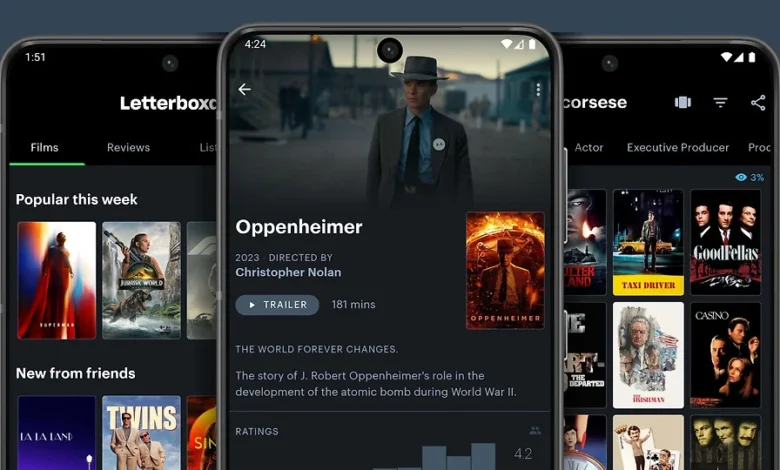
The digital landscape for cinephiles is facing a potential seismic shift as reports emerge that Letterboxd, the social media platform that has become the definitive home for film enthusiasts, may soon be under new ownership. Just three years after the Canadian holding company Tiny acquired a majority stake in the platform, internal movements suggest a strategic exit is on the horizon. According to industry insiders and recent reports from Semafor, Tiny is currently exploring a sale of its 60% controlling interest, signaling a major turning point for an application that has transitioned from a niche hobbyist site to a central pillar of the global film industry’s marketing and engagement ecosystem.
The news comes at a time of unprecedented growth for Letterboxd. What began in 2011 as a small project founded by Matthew Buchanan and Karl von Randow in Auckland, New Zealand, has ballooned into a cultural phenomenon. By the spring of 2026, the platform’s user base has reportedly reached 26 million, a staggering increase from the 1.7 million users recorded at the start of 2020. This meteoric rise, fueled largely by a younger demographic of Millennials and Gen Z users, has transformed the platform into a "social media refuge"—a space where long-form engagement and community-driven curation take precedence over the algorithmic chaos of larger social networks.
The Potential Suitors and Financial Context
The reported interest in Letterboxd from major media entities underscores the platform’s value as a data-rich environment. Among the primary names linked to a potential acquisition is Versant, the powerful parent company that oversees prominent media brands including CNBC and MS NOW. An acquisition by Versant would represent a significant vertical integration, allowing the media giant to leverage Letterboxd’s highly engaged audience to bolster its entertainment news and streaming coverage.
Another surprising but logical contender is The Ankler, the Hollywood-centric newsletter and media brand that has rapidly become a must-read for industry insiders. While smaller in scale than Versant, The Ankler’s interest highlights Letterboxd’s status as a "trade-adjacent" powerhouse. For a publication focused on the inner workings of Hollywood, owning the platform where the audience actually discusses those films provides a closed-loop system of influence and information.
In 2023, when Tiny first acquired its majority stake, the deal valued Letterboxd at approximately $50 million. Given the exponential growth in user accounts and the platform’s increasing relevance to film studios for promotional purposes, analysts suggest that any current deal would likely value the company significantly higher. However, representatives for both Letterboxd and Tiny have declined to comment on the rumors, maintaining a standard of confidentiality common during high-level M&A (mergers and acquisitions) discussions.
A Chronology of Growth: From Niche to Necessity
The journey of Letterboxd is a masterclass in slow-burn platform building followed by a pandemic-era explosion. For nearly a decade, the site operated as a "best-kept secret" for film critics and hardcore movie buffs. Its simple interface, which allows users to log films, write reviews, and maintain "top four" favorite film lists, created a sense of digital scrapbooking that resonated with those dissatisfied with the increasingly commercialized nature of IMDb or the critical gatekeeping of Rotten Tomatoes.
The turning point arrived in 2020. As global lockdowns forced audiences toward streaming services, the need for a digital space to track and share viewing habits became paramount. Between 2020 and 2022, the site saw its first massive wave of adoption, moving from 1.7 million to nearly 10 million users. It was during this period that the "Letterboxd Effect" began to manifest in real-world cinema culture. Red carpet reporters started asking actors for their "Letterboxd Top Four," and the platform’s signature orange, green, and blue branding became a staple of film festival marketing.
In 2023, the acquisition by Tiny provided the capital necessary to scale operations. Under the stewardship of Tiny’s founders, Andrew Wilkinson and Chris Sparling, the platform remained largely independent in its editorial voice while expanding its technical capabilities. By 2024, Letterboxd had secured a high-profile partnership with the Academy of Motion Picture Arts and Sciences, becoming an official social partner of the Oscars. This partnership allowed the site to host exclusive content and provide a direct pipeline between the industry’s most prestigious awards body and a younger, tech-savvy audience that traditional broadcasters were struggling to reach.

Supporting Data: The Power of Gen Z Engagement
The value of Letterboxd lies not just in the number of its users, but in the specific demographics it commands. According to internal data and independent market research, over 70% of Letterboxd’s active user base is under the age of 35. This demographic is notoriously difficult for traditional film studios to capture through standard advertising.
The platform’s engagement metrics are equally impressive. Unlike platforms where users passively scroll, Letterboxd users are active creators. In 2025 alone, users logged over 1 billion film entries. The "Lists" feature, where users curate films based on specific themes (e.g., "Movies that feel like a fever dream" or "Best cinematography in 1970s neo-noir"), has become a primary discovery tool for new releases and catalog titles alike. For studios, this represents a goldmine of first-party data. By analyzing what films are being added to "Watchlists," distributors can predict opening weekend interest with greater accuracy than traditional tracking methods.
Official Responses and Market Reaction
While official statements remain elusive, the reaction from the broader film community has been a mix of excitement and apprehension. Inferred reactions from industry analysts suggest that while a sale could provide the platform with the resources to introduce long-requested features—such as integrated ticket buying or expanded television tracking—there is a palpable fear of "corporate bloat."
Long-time users have expressed concerns on social media that a transition to a larger media conglomerate like Versant might lead to an increase in intrusive advertising or a shift in the algorithm that prioritizes big-budget studio releases over independent cinema. The "indie" spirit of Letterboxd has been central to its brand identity, and any new owner will face the delicate challenge of monetizing the platform without alienating the core community that built its value.
Broader Impact and Industry Implications
The potential sale of Letterboxd is indicative of a broader trend in the media industry: the "socialization" of film criticism. As traditional newspapers and magazines shutter their film departments, the vacuum is being filled by community-led platforms. Letterboxd has democratized film criticism, allowing a teenager in suburban Ohio to have the same reach and influence as a professional critic in New York, provided their writing resonates with the community.
Furthermore, the acquisition interest from entities like Versant and The Ankler suggests that the future of entertainment media is inextricably linked to community data. In an era where streaming algorithms often dictate what we watch, Letterboxd represents a return to human-centric recommendation. If Versant were to acquire the site, it could potentially integrate Letterboxd’s "social graph" into its news broadcasts, using real-time user sentiment to drive entertainment segments on CNBC or MS NOW.
For the film industry at large, Letterboxd has become an essential part of the "word-of-mouth" machine. A film that trends on Letterboxd often sees a corresponding "long tail" in its box office or streaming performance. Small independent films, such as Past Lives or Everything Everywhere All At Once, benefited immensely from early Letterboxd buzz, which served as a signaling mechanism for broader mainstream success.
Conclusion: What Lies Ahead for the "Film Diary"
As Tiny looks toward a potential exit, the future of Letterboxd remains at a crossroads. The platform has successfully navigated the transition from a niche tool to a global social network, but the next phase of its evolution will likely require a balance between commercial viability and community integrity.
Whether the platform lands with a media giant like Versant or a specialized industry player like The Ankler, the sale will likely mark the end of Letterboxd’s era as an independent-minded startup and its beginning as a formalized arm of the Hollywood machine. For the 26 million users who log their daily viewings, the hope remains that the site will continue to be a place where the love of cinema remains the primary focus, regardless of who holds the keys to the boardroom. The coming months will be critical as negotiations proceed, and the film world watches closely to see where the world’s most popular film diary finds its next home.