Snapchat Unveils Immersive AR Spectacle in Times Square, Reimagining Digital Advertising

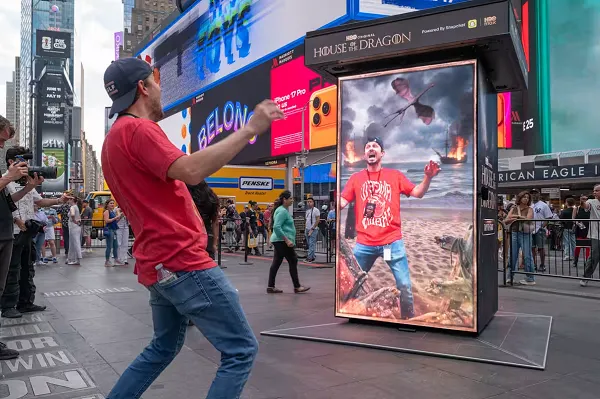
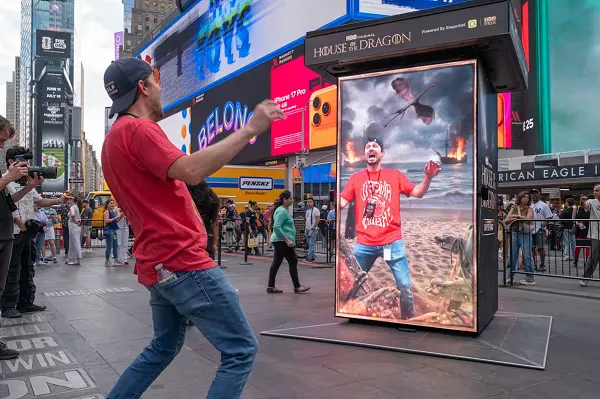
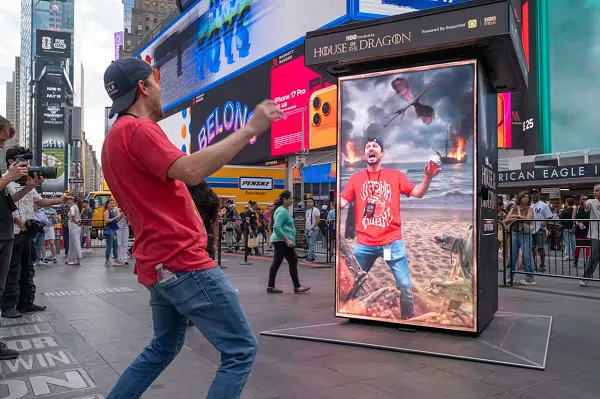
Snapchat has embarked on a bold new frontier in augmented reality advertising, launching an ambitious activation in the heart of New York City’s iconic Times Square. On June 18th, passersby were invited to step into a world where digital advertisements leap off massive, large-format video screens, allowing them to interact directly with AR content in a physical, real-world setting. This groundbreaking initiative, dubbed "Snapchat Outfront AR Spectacle," signifies a strategic pivot for the social media giant as it seeks to deepen user engagement and unlock new revenue streams through innovative AR experiences.
The centerpiece of this Times Square spectacle is a specially designed booth that acts as a portal to an immersive AR environment. Users are placed directly within the scene of a digital advertisement, blurring the lines between the physical and virtual worlds. For its inaugural campaign, Snapchat partnered with HBO Max to create a captivating AR promotion for the highly anticipated upcoming season of "House of the Dragon." This collaboration allows individuals to virtually insert themselves into a dramatic, fictional battle scene inspired by the popular series, offering a truly unique and memorable brand interaction.
Snapchat elaborated on the significance of this endeavor, stating, "This new IRL advertising format is the first Snapchat AR experience to project visitors live onto Times Square billboards in New York City and features first-ever four-sided AR Mirror." This statement highlights the technical innovation and the scale of the activation, positioning it as a landmark event for both Snapchat’s advertising offerings and the broader AR marketing landscape. The aim is twofold: to enhance the visibility and appeal of Snapchat’s advertising platform and to simultaneously drive traffic and adoption of the Snapchat application itself.
This is not Snapchat’s first foray into leveraging real-world activations to generate buzz and engagement. The company has a history of integrating its AR technology into physical spaces, seeking to bridge the gap between its digital-first platform and tangible user experiences. For instance, the Snapchat camera has become a familiar feature at numerous sporting events, where fans are often displayed on in-stadium jumbotrons, enhanced with popular Snap filters. This practice has been ongoing for several years, demonstrating Snapchat’s early understanding of the power of real-time, interactive digital overlays in public spaces. These in-stadium activations, often seen during major events like the Super Bowl, have provided a consistent stream of user-generated content and brand visibility for Snapchat.
Beyond the realm of live events, Snapchat has also explored AR activations within retail environments. Reports have indicated experiments with in-store AR promotions for select brands, allowing customers to visualize products or experience interactive brand narratives within the physical store. Furthermore, the platform has hosted engaging AR art projects at renowned institutions such as the Palace of Versailles, showcasing the versatility of its AR capabilities beyond typical advertising. These initiatives, while successful in demonstrating AR’s potential, have often been more localized or brand-specific.
The Times Square activation, however, represents a significant escalation in scale and public visibility. Placing a large-format AR experience in one of the world’s most trafficked and recognizable locations is a strategic move designed to capture widespread attention. The success of this venture hinges on its ability to generate substantial interest from both consumers and advertisers, potentially paving the way for a more lucrative sponsored ad offering for Snapchat.
Strategic Pivot Amidst Shifting Market Dynamics
Snapchat’s intensified focus on developing and showcasing its advertising opportunities, particularly through advanced AR tools and interactive experiences, comes at a critical juncture for the company. Recent financial reports have indicated a less-than-stellar revenue performance, with a lower-than-expected result in the first quarter of 2026. Compounding these financial pressures, the app is also reportedly experiencing declining user engagement in key geographical markets. This confluence of factors underscores the urgent need for Snapchat to innovate and find new avenues for revenue generation, while simultaneously managing its escalating development costs.
The company is making substantial investments in artificial intelligence and is dedicating significant resources to the development and marketing of its new AR glasses. This forward-looking strategy signals a commitment to the future of augmented reality, positioning Snapchat as a potential leader in the emerging AR hardware and software ecosystem. However, with the ongoing investment in hardware and platform development, the need to generate substantial returns becomes paramount. The exploration of more diverse and impactful ad options, such as the Times Square activation, is a direct response to this imperative.
The Future of AR Advertising: Beyond the App
The Times Square activation may, in fact, represent a glimpse into Snapchat’s most promising future trajectory: serving as a provider of third-party AR tools and immersive experiences that extend beyond the confines of its own application. If user growth within the app is plateauing, and the platform has already saturated its existing ad inventory without overwhelming its audience, then exploring external opportunities becomes a logical next step.
This approach could involve facilitating advanced AR experiences for major tech players like Apple, with its Vision Pro headset, and Meta, with its anticipated AR devices. As augmented reality moves closer to mainstream adoption, the demand for robust AR development tools and platforms will undoubtedly surge. Snapchat, with its established expertise in AR creation and deployment, is well-positioned to capitalize on this trend.
While the long-term viability of Snapchat’s own AR hardware and platform remains an open question, the success of experiences like the Times Square spectacle—powered by Snapchat but extending beyond the app—could offer a significant new revenue stream. These external activations demonstrate Snapchat’s capacity to deliver cutting-edge AR solutions that can be integrated into diverse environments and by various stakeholders, solidifying its role as an enabler of the broader AR revolution.
A Timeline of Snapchat’s AR Innovations
Snapchat’s journey into augmented reality advertising has been a gradual but consistent evolution. The platform, which launched in 2011, quickly distinguished itself with its ephemeral messaging and playful camera filters. The integration of AR was a natural progression, starting with simple face filters and gradually evolving into more sophisticated lenses and world-tracking augmented reality experiences.
Early Innovations (2015-2017): Snapchat began experimenting with AR lenses that overlaid digital elements onto the user’s environment, transforming everyday scenes into interactive playgrounds. These early lenses were primarily for entertainment and social sharing, laying the groundwork for more complex applications.
Integration into Live Events (2017-Present): As mentioned, Snapchat started appearing at major sporting events, projecting user-generated content enhanced with AR filters onto stadium screens. This marked a significant step in bringing AR out of the app and into public, shared spaces. Events like the Super Bowl have consistently featured these activations, fostering a sense of communal AR experience.
Brand Partnerships and Retail Experiments (2018-Present): Snapchat began collaborating with brands to create bespoke AR lenses and filters for marketing campaigns. This extended to testing in-store AR activations for select retailers, allowing customers to interact with products and brands in new ways within the physical shopping environment. Examples include virtual try-ons and interactive product displays.
Cultural and Artistic Integrations (2019-Present): The platform ventured into the cultural sphere by hosting interactive AR art projects at museums and historical sites, such as the Palace of Versailles. These initiatives showcased AR’s potential for educational and artistic expression, broadening its perceived utility beyond pure advertising.
The Times Square Spectacle (June 18, 2026): The launch of the "Snapchat Outfront AR Spectacle" in Times Square represents the culmination of these efforts. This large-scale, high-visibility activation signifies a new era for Snapchat’s AR advertising, moving from localized or event-specific activations to a flagship, landmark installation.
Supporting Data and Industry Context
The global augmented reality market is projected for substantial growth in the coming years. According to various market research reports, the AR market is expected to reach hundreds of billions of dollars by the end of the decade. This growth is fueled by advancements in hardware, software, and increasing consumer adoption of AR-enabled devices.
For instance, reports from firms like Statista and Grand View Research indicate a compound annual growth rate (CAGR) of over 40% for the AR market. This rapid expansion is driven by applications in gaming, entertainment, retail, education, and industrial sectors. Snapchat’s investment in AR advertising and its exploration of external AR platforms align directly with these market trends.
The digital advertising landscape is also evolving rapidly. Brands are increasingly seeking more engaging and immersive advertising formats that can cut through the clutter and create deeper connections with consumers. Traditional banner ads and video pre-rolls are often bypassed or ignored, leading advertisers to seek out innovative solutions like AR. Snapchat’s Times Square activation directly addresses this demand by offering an interactive and memorable brand experience.
Furthermore, the increasing accessibility of AR development tools and the growing popularity of AR-enabled smartphones make large-scale public AR activations more feasible and impactful. Snapchat’s own Lens Studio, a powerful platform for creating AR lenses, empowers a vast community of creators, fostering innovation and content development that can be leveraged for advertising.
Analysis of Implications and Broader Impact
The strategic implications of Snapchat’s Times Square activation are far-reaching. Firstly, it solidifies Snapchat’s position as a leader in AR advertising technology. By demonstrating its ability to execute complex, large-scale AR experiences in highly public spaces, the company is sending a strong signal to advertisers about the potential of its platform. This could lead to increased investment in Snapchat’s advertising solutions.
Secondly, the activation serves as a powerful marketing tool for Snapchat itself. It generates significant media attention, showcasing the platform’s innovative capabilities and potentially attracting new users who are drawn to the cutting-edge AR experiences. In a competitive social media landscape, differentiation is key, and Snapchat’s AR prowess provides a distinct advantage.
Thirdly, this move suggests a potential diversification of Snapchat’s revenue model. While the core of its business remains within the app, the company is actively exploring how to monetize its AR expertise externally. This could involve licensing its AR technology, offering consulting services for AR development, or partnering with other tech giants to integrate its AR solutions into their platforms.
However, challenges remain. The cost of deploying and maintaining such large-scale activations is significant. Ensuring a seamless and engaging user experience in a high-traffic, dynamic environment like Times Square requires robust technical infrastructure and creative execution. Moreover, the long-term impact on user behavior and advertising ROI needs to be carefully measured and analyzed.
Future Outlook and Potential Avenues
The success of the Times Square AR spectacle could pave the way for a more expansive rollout of similar activations in other major cities around the world. This would create a global network of interactive AR advertising spaces, further cementing Snapchat’s influence in the experiential marketing domain.
Beyond physical activations, Snapchat’s continued investment in AR glasses and its potential role in facilitating AR experiences for platforms like Apple and Meta suggest a broader ambition. The company might evolve into a key enabler of the metaverse, providing the tools and infrastructure for others to build and deploy immersive AR content.
While the exact future of Snapchat’s AR strategy is still unfolding, its recent moves indicate a clear intent to push the boundaries of what’s possible with augmented reality. The Times Square activation is not just an ad campaign; it’s a statement of intent and a tangible demonstration of Snapchat’s vision for the future of digital interaction and advertising. As AR technology matures, platforms like Snapchat that can offer innovative, engaging, and scalable solutions will likely play a pivotal role in shaping how we experience the digital and physical worlds in unison. The journey from playful filters to immersive Times Square spectacles signifies a significant leap, positioning Snapchat at the forefront of this evolving technological landscape.