The Strategic Imperative: Mastering Influencer Management for Scalable Brand Growth


Effective influencer partnerships are no longer a fringe marketing tactic but a cornerstone of modern brand strategy, capable of propelling visibility and fostering deep audience trust. However, the true power of these collaborations lies not in ad-hoc campaigns, but in intentional, programmatic influencer management. This approach transcends the immediate needs of a single promotion, focusing instead on cultivating a scalable network of brand partners for sustained growth. A robust influencer management strategy encompasses every facet of creator-driven content, from the meticulous identification and vetting of influencers who authentically align with brand values, to the intricate dance of content planning, calendar synchronization, and contractual agreements. By adopting such a strategic framework, brands can transform fleeting gifting arrangements into enduring partnerships where creators evolve into genuine brand ambassadors. Furthermore, the integration of sophisticated influencer management tools shifts operational paradigms from manual tracking to structured, scalable collaboration, ensuring these relationships mature alongside the brand itself.
Defining Influencer Management: Beyond Transactional Relationships
At its core, influencer management is the strategic process of discovering, selecting, and collaborating with influential individuals to promote a company’s products or services. While specific objectives can vary, the overarching goal is to forge close working relationships with influencers to generate compelling content that captivates target audiences, sparks conversation, and significantly amplifies brand reach. This endeavor extends far beyond mere administrative tasks, demanding recognition as a strategic priority within an organization. It’s best understood as a dynamic ecosystem with a defined lifecycle, encompassing critical stages such as creator discovery, targeted outreach, contract negotiation, content creation oversight, performance measurement, and equitable payout. This integrated, repeatable process ensures efficiency and effectiveness.
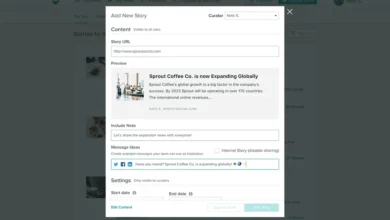
The advent of dedicated influencer marketing platforms, such as Sprout Social’s Influencer Marketing solution, has been instrumental in simplifying this complex landscape. These tools provide a unified workspace that centralizes collaboration among cross-functional teams, including social media managers, media buyers, and external agencies. Anna Larson, Director of PESO Content at Flint Group, attests to the transformative impact of such platforms: "Tools like Sprout Social Influencer Marketing have helped us significantly accelerate our creator and influencer marketing offering. We’re able to identify highly aligned creators much faster, spend less time on manual research and focus more energy on strategy, relationship building and development." This sentiment underscores the shift from time-consuming manual processes to strategic engagement, enabled by technological advancements.
The Advantages of Programmatic Influencer Management
Programmatic influencer management represents a paradigm shift towards building a scalable and sustainable creator strategy. This is typically achieved through the strategic leverage of specialized influencer marketing tools designed to automate, maintain, and grow creator partnerships. Adopting a programmatic approach yields several key benefits for marketing teams.
Predictable Campaign Timelines: Navigating the Complexity
Creator campaigns, by their nature, involve numerous moving parts and distributed resources, which can often lead to unpredictable timelines, especially if the foundational strategy lacks clarity. A programmatic approach, however, introduces automation, robust tracking, and meticulous planning into influencer collaborations. Predictability is fostered by establishing clear, standardized protocols for creator strategies. This standardization, from outlining campaign objectives to content creation and delivery, makes it significantly easier to forecast production timelines and anticipate the emergence of tangible results. Unified interfaces and intuitive tracking tools provide end-to-end visibility, enabling teams to monitor campaigns from inception through publishing and analysis, thereby mitigating bottlenecks and ensuring content plans remain on schedule across all partnerships.
Creative Consistency: Harmonizing Brand Voice with Creator Authenticity
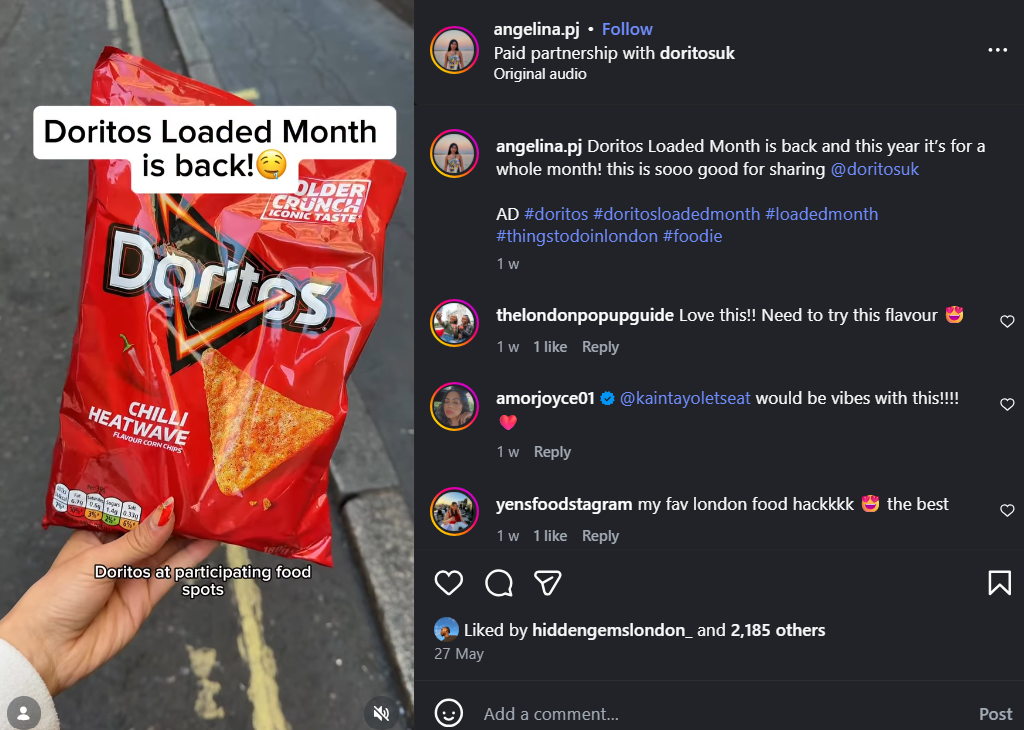
While collaborating with influencers offers the invaluable benefit of leveraging their unique expertise, established communities, and creative direction to articulate a brand’s narrative, it also presents a potential challenge to maintaining creative consistency. This is particularly true when managing multiple creators simultaneously. The most impactful influencer campaigns often stem from genuine value alignment and innovative creative concepts. A notable example is Doritos UK’s "Doritos Loaded Month," which ingeniously combined creator and restaurant partnerships. London-based influencers visited participating restaurants, creating engaging Reels that consistently showcased the Doritos branding and promotion details while authentically retaining their individual stylistic flair. This balance highlights how programmatic management can ensure clear creative strategies are established from the outset, aligning all parties on campaign outcomes and smoothing the creative process for both brands and creators.
Enhanced Compliance and Brand Safety: Mitigating Risk Through Proactive Measures
Influencer oversight necessitates heightened vigilance regarding brand safety, as brands do not have direct control over an influencer’s actions or their audience’s responses. Mitigating this inherent risk requires diligent research and vetting of potential partners, a process that can be both tedious and time-consuming without a structured approach. Programmatic influencer management establishes clear guidelines for influencer research and vetting, significantly increasing the likelihood of identifying creators whose values and brand ethos align from the beginning. This structured communication extends to defining specific guardrails for creators. Tools like Sprout Social Influencer Marketing streamline the search process, enabling alignment beyond mere follower count and reach, focusing instead on genuine brand and audience interest compatibility. By standardizing briefing and contracting, this management approach facilitates compliance with relevant regulations and ensures all stakeholders remain informed of compliance expectations at every stage.

Cultivating Long-Term Creator Retention: Building Enduring Brand Ambassadors
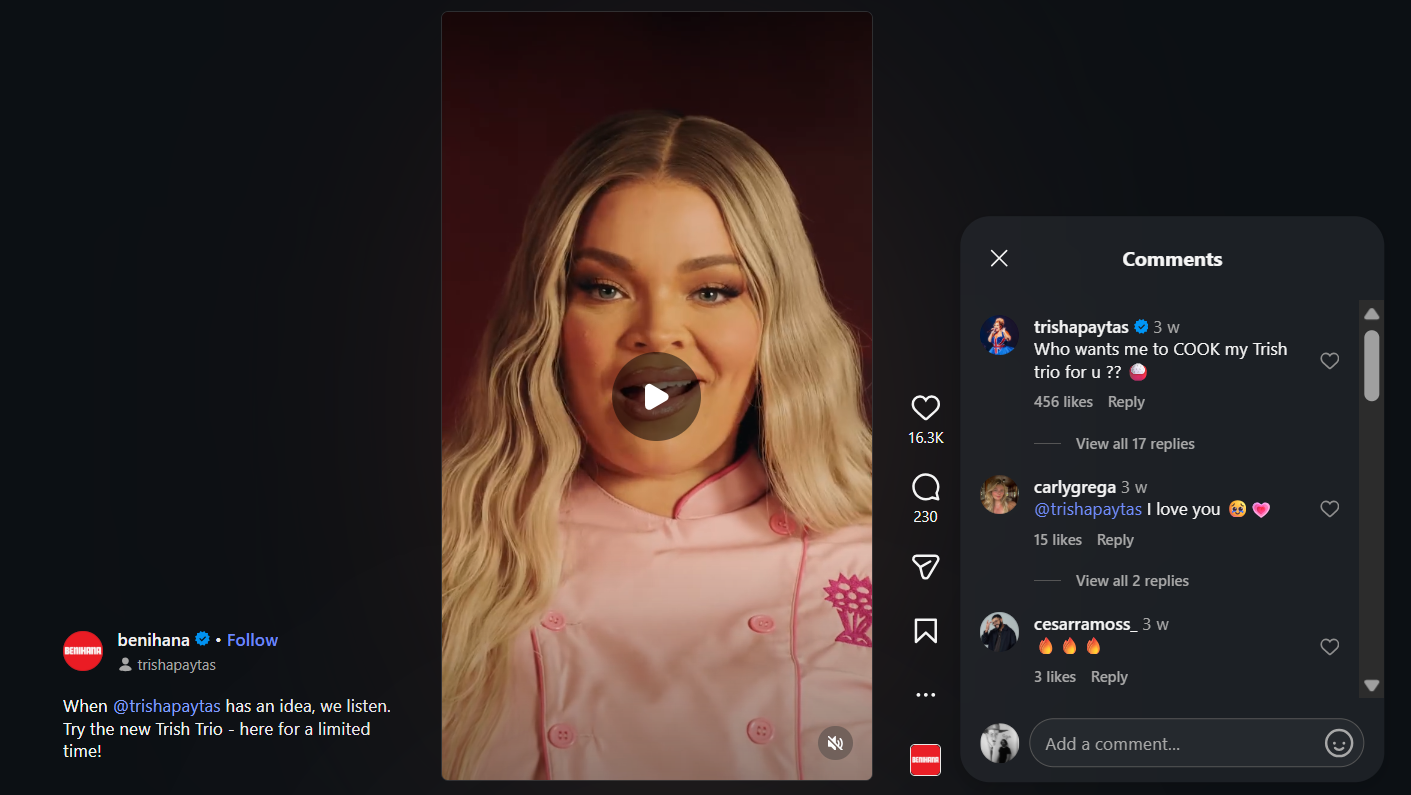
While one-off campaigns can yield short-term results, they rarely offer the enduring value of long-term influencer partnerships. Consistent collaboration with the same creators fosters a deeper association with a brand, thereby enhancing audience trust and increasing the likelihood of community crossover. Building and maintaining these relationships also reduces the logistical overhead for each new campaign, leading to cost efficiencies and increased effectiveness as creators become intimately familiar with the brand. Trisha Paytas’s extended collaboration with Benihana serves as a compelling illustration. Benihana has effectively positioned her as their most dedicated fan, even incorporating her signature order onto their menu, while Paytas seamlessly integrates Benihana into her social presence, delivering sustained brand value. Investing in seamless processes, consistent communication, and constructive feedback is paramount to forging strong relationships that accelerate creators’ transition into reliable brand ambassadors.
A Continuous Flow of Fresh Content Ideas: Tapping into Creator Ingenuity
Influencers are inherently attuned to the latest social media trends, as their professional success hinges on creating highly shareable and engaging content. They possess an intimate understanding of their audience’s preferences, enabling them to develop original sponsored content ideas that make brands stand out. A programmatic approach allows for dedicated campaign planning sessions where brands can brainstorm directly with their creator partners. This fosters deeper, one-on-one relationships, ensures creator voices are valued in the planning phase, and contributes to the development of more innovative and resonant campaigns.
Establishing Robust Data Benchmarks: Driving Performance Through Insights
Influencer marketing is an iterative process that requires experimentation, evaluation, and refinement to achieve consistent success. This is only possible with reliable access to campaign data. Establishing clear success metrics for creator content from the outset is crucial for creating meaningful performance benchmarks. Tools such as Sprout Influencer Marketing offer detailed reporting capabilities, providing insights into campaign performance, real-time competitor share of voice, and industry benchmarks. This data-driven approach replaces guesswork with concrete intelligence, accelerating the improvement of creator collaborations.
A Step-by-Step Playbook for Effective Influencer Management
The landscape of influencer marketing is diverse, catering to various industries, social media platforms, and budget constraints. However, the fundamental principles of influencer management remain consistent. Elevating creator campaigns to a core marketing function can be achieved through a systematic, six-step approach.
1. Automate Discovery and Alignment: Finding the Perfect Fit
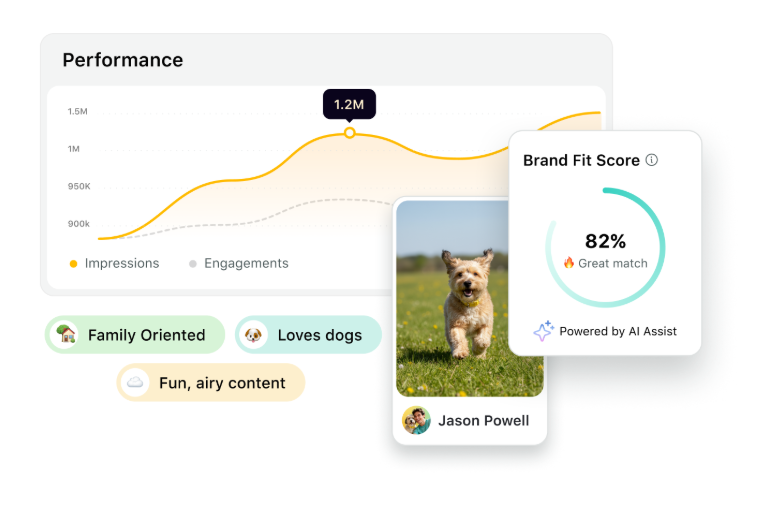
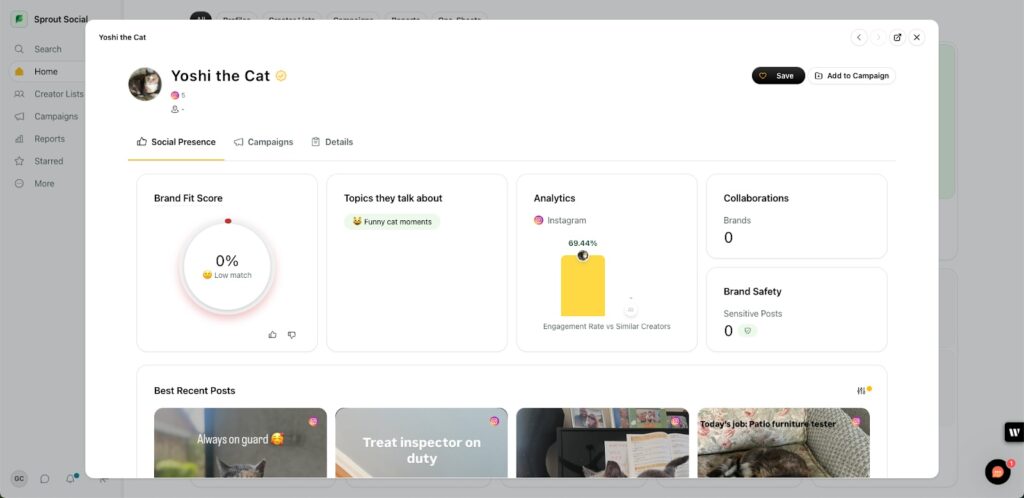
The initial step involves a profound understanding of the target audience and brand identity to define the ideal influencer profile. Potential partners should be evaluated based on their interests, past collaborations, engagement metrics, and follower demographics. Algorithms increasingly reward topical focus, making it essential to examine what creators are discussing on their platforms. AI-powered natural language search, as offered by tools like Sprout Social, can assist in identifying creators based on the type of content they produce. Further validation can be achieved through features like a Brand Fit Score, which instantaneously assesses a creator’s alignment with a brand’s values, thereby eliminating the need for laborious manual audits and expediting the approval process. Larson reiterates the importance of this step: "We typically begin by establishing the right Brand Safety and Brand Fit Score criteria based on the client’s goals, audience and values. The Brand Fit Score helps validate what we’re looking for and surfaces creators who align with the brand."
2. Expedite Recruitment and Contracting: Streamlining the Onboarding Process
Standardizing influencer outreach through pitch templates ensures consistency and efficiency. Incorporating essential campaign details into outreach emails allows for rapid communication with potential partners. Dedicated CRM-like features, such as Sprout Social’s Creator Lists, enable organized management of influencer relationships, offering AI-driven suggestions, recruitment forms, and built-in compliance support. Comprehensive and consistent contracts are vital to prevent future campaign confusion. Developing an influencer contract template streamlines this process for scalable outreach.
3. Crafting the Creative Brief: Guiding Without Constraining
Similar to contracts and outreach, the creation of an influencer marketing brief template that includes foundational brand information is a crucial first step. This template should then be customized to guide influencers towards the brand’s vision without stifling their individual creative expression. A balance must be struck between non-negotiable requirements (e.g., specific calls-to-action, tag placement) and flexible guidelines that encourage creator input.
4. Streamlining Content Approvals and Compliance: Ensuring Quality and Safety
Content creation inherently involves creative processes that benefit from strategic feedback loops for review and approval. Establishing a clear content approval workflow with defined deadlines for drafts and sign-offs is essential. Platforms like Sprout Social facilitate collaboration in shared workspaces, simplifying complex approval lists for agencies, brands, and creators. Adherence to industry-specific disclosure regulations, regional requirements, and platform rules is paramount to brand protection. Features such as Sprout Social’s Brand Safety Reporting allow for the customization of brand-specific red flags and automated safety audits of a creator’s posting history, identifying profanity, controversial topics, or misaligned themes to ensure content remains on-brand.
5. Campaign Launch and Paid Amplification: Maximizing Reach and Impact
Standardizing go-live procedures and content amplification strategies is critical for successful campaign launches. Pre-campaign standardization simplifies replication for future initiatives. Clear reminder processes and scheduled posts ensure timely content dissemination. To effectively connect top-of-funnel impressions with final results, it is essential to create UTM links, promo codes, and conversion pixels prior to posting. A unified workspace and single source of truth for campaign launch and management promote cross-team visibility. Larson emphasizes the value of integrated platforms: "What saves the most time is having the data, creator discovery and presentation tools all in one place. Instead of spending hours across multiple platforms and spreadsheets, we’re able to focus on evaluating fit, building strategy and providing clients with thoughtful recommendations backed by data." Stakeholders should have access to reporting and listening dashboards for real-time performance monitoring and optimization. Leveraging integrations, such as Sprout Social’s Meta Partnership Ads integration, further streamlines network-specific amplification by enabling direct post boosting from the influencer management platform.
6. Reporting and Payouts: Measuring Success and Maintaining Relationships
Campaign evaluation extends beyond publication, with reporting being fundamental to continuous improvement. Automated reporting capabilities within platforms like Sprout Social enable the creation of customized data visualizations tailored to the needs of various stakeholders. Ensuring influencers are paid accurately and promptly is vital for maintaining strong relationships. Payment terms should be clearly stipulated in contracts and adhere to industry standards. Integrated payment solutions, such as those offered by Sprout Social with PayPal and Lumanu, facilitate globally compliant payouts directly from the campaign workflow, ensuring timely compensation and fostering a positive creator experience, thereby increasing the likelihood of future collaborations.
Navigating Influencer Management Challenges
Influencer management is inherently collaborative, requiring constant coordination and communication across individuals with diverse schedules and preferences. The ability to manage expectations, ensure alignment, and track multiple moving parts is crucial. Several common challenges can arise, and addressing them proactively is key.
Addressing Non-Compliance with Campaign Briefs
When influencers deviate from the campaign brief, it often stems from a lack of understanding or missed critical details. Crystal-clear communication from the outset, supported by detailed campaign briefs, is essential. Regular check-in calls provide opportunities to address questions, offer examples, and deepen collaboration while keeping creators on track.
Mitigating Timing Issues in Campaigns
Campaign timing can significantly impact success. Delays in posting about product launches can diminish attention, while inconsistent posting frequency can affect results. Setting clear deadlines and utilizing scheduling tools are paramount. Building buffer time around launch dates provides flexibility for unforeseen issues, and automated reminders help maintain momentum.
Ensuring High Content Quality
Subpar content quality may result from insufficient resources or a misunderstanding of requirements. Requiring influencers to submit content drafts well in advance of the campaign launch allows for feedback and refinement. Transparent communication and collaborative problem-solving are key.
Overcoming High Reach, Low Engagement
This issue is often observed with macro and mega-influencers who possess large audiences but may exhibit lower engagement rates. Prioritizing influencers with highly engaged followings, rather than solely focusing on follower count, can lead to more impactful campaigns. As Larson emphasizes, "At the end of the day, we’re looking for trust. Whether a creator has 1,000 followers or 1 million, the most effective partnerships happen when audiences believe the person behind the content. That’s something no follower count can measure on its own." Micro and nano-influencers, while having smaller followings, often cultivate highly engaged niche communities whose interests may align with a brand’s, leading to greater interaction and brand loyalty.
Rectifying Inadequate Post-Campaign Reporting
The absence of comprehensive reporting hinders the ability to learn from past campaigns. Identifying critical influencer marketing metrics and results from the outset is essential. Features like link tracking, which enables UTM parameter and platform pixel integration, provide full-funnel performance insights, while automated reporting capabilities allow for customized reports aligned with campaign goals.

Resolving Late Influencer Payments
As the number of influencer collaborations increases, managing onboarding and payments becomes more complex. Relying on siloed systems for creator compensation heightens the risk of delayed or missed payouts. Integrated payment solutions, such as Sprout Social Influencer Marketing’s built-in functionality, allow for seamless tracking and initiation of payments directly within active campaigns. This streamlines the process for marketers and finance teams, ensuring timely compensation and fostering positive relationships with creators.
Selecting the Right Influencer Management Tool
The most effective approach to managing influencer marketing campaigns involves leveraging specialized influencer marketing tools. These platforms are designed to streamline and organize every aspect of a campaign, transitioning operations from manual processes to automated systems. Key features to consider when evaluating such tools include:
- Creator Discovery and Vetting: AI-powered search, brand fit scoring, and audience demographic analysis.
- Campaign Management: Workflow automation, content approval processes, and calendar synchronization.
- Communication Tools: Centralized messaging and collaboration portals for seamless interaction with creators.
- Performance Tracking and Reporting: Real-time analytics, customizable dashboards, and detailed campaign reports.
- Payment Processing: Integrated solutions for timely and compliant influencer compensation.
Top Influencer Management Tools:
- Sprout Social Influencer Marketing: An end-to-end, AI-powered platform offering comprehensive capabilities from creator discovery with custom landing pages to social listening, competitive analysis, and robust reporting templates. It features in-app portals for real-time communication and integrates with numerous essential platforms.
- Heepsy: This tool provides robust influencer discovery and engagement features, offering access to detailed data such as engagement rates, growth trends, follower demographics, and audience interests. It enables analysis of past posts to predict future campaign performance and verify influencer legitimacy.
- Pitchbox: Designed to save time on influencer outreach, Pitchbox offers customizable pitch templates and automated follow-ups. It facilitates campaign progress tracking through performance reports and custom data analytics.
The Cornerstone of Efficient Influencer Management
Influencer management is inherently a collaborative endeavor, involving numerous stakeholders. Success hinges on clear communication and mutual respect among all parties. By embracing programmatic influencer management and leveraging sophisticated tools, brands can optimize their strategies, build scalable networks of authentic partners, and ultimately achieve sustained growth and deeper audience connection. Embarking on this optimization journey by exploring comprehensive influencer marketing solutions, such as Sprout Social Influencer Marketing, can significantly streamline every facet of the process, from initial discovery to final reporting and payout.