Google Expands Demand Gen Suite with Conversational AI, One-Tap Formats, and Promoted Map Pins

Google has announced a major expansion of its Demand Gen advertising ecosystem, deploying a suite of advanced artificial intelligence tools, streamlined user interaction formats, and location-based discovery features across its most prominent digital properties, including YouTube, YouTube Shorts, Gmail, and Google Maps. Unveiled as part of the company’s broader push toward automated, high-intent marketing solutions, these updates aim to bridge the gap between passive content consumption and immediate consumer action.
The rollout, which begins deploying to global advertisers this week, represents a strategic evolution in how brands connect with audiences across the buyer’s journey. By integrating generative artificial intelligence directly into video streams, simplifying conversion pathways on high-engagement mobile placements, and capturing physical foot traffic through interactive mapping interfaces, Google is providing marketers with sophisticated mechanisms to drive measurable returns on investment (ROI).
These enhancements follow closely on the heels of announcements made during YouTube’s annual Made On event, where executives underscored the platform’s commitment to fusing video discovery with seamless transactional capabilities. As digital advertising increasingly relies on cross-channel integration and privacy-safe data utilization, Google’s latest Demand Gen updates offer a comprehensive framework designed to maximize audience engagement without disrupting the user experience.
Revolutionizing Product Discovery with In-Stream Conversational AI
At the forefront of Google’s latest updates is an innovative AI-powered assistance feature designed for YouTube. Unveiled initially at the Made On event, this tool transforms passive video viewing into an interactive shopping experience. When brands incorporate product feeds into their in-stream video campaigns, viewers can now engage with a conversational AI assistant—powered by the "Ask YouTube" bot—directly alongside the video playback window.
This functionality allows consumers to ask detailed questions about products featured within a clip, compare specifications, check availability, and review pricing information without ever having to pause or leave the video. By removing the friction traditionally associated with mobile product research, Google aims to significantly lower the drop-off rates that typically occur when a user is forced to navigate away from content to find out more about an advertised item.
Industry analysts have noted that conversational commerce is rapidly becoming a baseline expectation for digital consumers. By embedding this capability natively into the YouTube viewing environment, Google is leveraging its advanced natural language processing models to replicate the personalized assistance of an in-store sales associate. For advertisers, this means campaigns can capture high-intent queries at the exact moment of inspiration, translating visual engagement into informed consideration far more efficiently than standard static banner ads or delayed landing page interactions.
Streamlining Conversion Pathways with One-Tap Image Ads
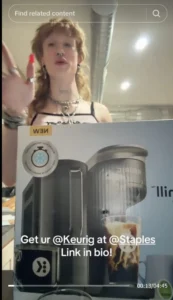
In addition to deep interactive capabilities on long-form video, Google is streamlining the conversion process on high-velocity mobile environments through the introduction of single-tap image ads on YouTube Shorts and Gmail.
For YouTube Shorts, advertisers utilizing 9:16 full-bleed vertical image formats will now benefit from a streamlined one-click user experience. Because Shorts commands billions of daily impressions from users accustomed to rapid, continuous swiping, minimizing the steps required to interact with an advertisement is critical. The new format ensures that interested consumers can seamlessly transition from viewing a vibrant, full-screen creative to exploring a brand’s offering with a single touch.
Concurrently, Google is expanding these streamlined interactions into Gmail, a channel that has historically proven to be a powerhouse for performance-driven marketing. According to internal data provided by Google, advertisers who integrate Gmail into their broader Demand Gen campaigns experience remarkable efficiency gains. On average, marketers adding Gmail to these campaigns see their image creatives achieve a 40% increase in conversions while maintaining the exact same return on investment (ROI).
This performance metric highlights the enduring efficacy of personalized inbox marketing when paired with modern, automated asset optimization. By reducing friction in both the Shorts and Gmail environments, Google is equipping advertisers with the tools necessary to capitalize on micro-moments of consumer attention, turning fleeting impressions into tangible business outcomes.
Bridging Digital Discovery and Physical Foot Traffic via Google Maps
Expanding beyond media and inbox placements, Google is also targeting local commerce by introducing affiliate location extensions within Google Maps. This feature enables businesses to prominently display and promote their physical store locations directly within the map interface, capturing high-intent local searchers and commuters.
The strategic layout of this new offering bears strong similarities to competing innovations in the location-based advertising sector, such as Snapchat’s promoted places on the Snap Map. By integrating sponsored locations seamlessly into the mapping experience, Google provides businesses with a powerful mechanism to display location-specific content, special promotions, and real-time operational details directly to consumers who are actively navigating their physical surroundings.
The implications for brick-and-mortar retail, hospitality, and service-based industries are substantial. As consumer behavior increasingly blends online research with offline execution—often referred to as web-to-store attribution—having a prominent, interactive presence in Google Maps is vital. The affiliate location extensions allow brands to bridge the digital-to-physical divide, transforming digital ad spend into verified foot traffic and in-store sales.
Chronology of the Product Rollout and Strategic Context
The integration of these advanced features represents the culmination of a multi-year strategy by Google to unify its disparate advertising products into cohesive, AI-driven solutions. The timeline of these developments reflects an aggressive pace of innovation tailored to changing market demands:
- Early 2023 to Late 2024: Google introduces and subsequently expands its Demand Gen campaigns, designed to replace traditional Discovery ads by combining image and video formats across YouTube, Discover, and Gmail into a single, automated buying framework.
- Throughout 2025: Machine learning models are progressively integrated into campaign creation tools, allowing for automated asset generation, predictive bidding, and advanced audience lookalike modeling.
- September 2026: YouTube hosts its annual Made On event, showcasing next-generation engagement tools and previewing conversational AI shopping assistants.
- Mid-September 2026: Google officially releases its comprehensive September Demand Gen updates, rolling out the Ask YouTube AI assistant, one-click Shorts and Gmail ads, and Google Maps affiliate location extensions to global advertisers.
This systematic evolution underscores Google’s pivot toward fully automated, intent-aware marketing ecosystems. Rather than requiring marketers to manually manage hyper-specific parameters across dozens of discrete platforms, Demand Gen leverages Google’s vast data infrastructure and machine learning capabilities to place the right creative in front of the right user at the optimal moment.
Macroeconomic Implications and Industry Impact
The deployment of these Demand Gen features arrives at a critical juncture for the digital advertising industry. As brands navigate tightening marketing budgets and heightened demands for accountability, platforms that can demonstrate clear, attributable ROI are capturing an increasing share of ad spend.
By incorporating generative AI directly into the ad experience, Google is redefining consumer expectations regarding brand interaction. The ability for a user to converse with an AI assistant about a product without leaving a video sets a new benchmark for user experience (UX) design in advertising. Competitors across social media and streaming video will undoubtedly be forced to accelerate their own conversational commerce initiatives to match the convenience offered by the Ask YouTube integration.
Furthermore, the significant performance gains reported in Gmail—specifically the 40% conversion increase—validate the ongoing utility of email-adjacent placements within a multi-channel strategy. While social feeds and video platforms capture initial discovery, inbox placements continue to serve as highly effective conversion engines, particularly when optimized through automated creative delivery.
Finally, the introduction of promoted pins on Google Maps highlights the continued convergence of digital advertising and local commerce. As mobile devices remain the primary navigational tool for consumers on the go, the ability for brands to bid on physical attention spaces represents a lucrative new frontier for performance marketers.
Future Outlook for Advertisers
As these features become globally available to advertisers utilizing Google’s Demand Gen campaigns, marketing professionals will need to adapt their asset creation workflows to maximize the new capabilities. Success in this evolving landscape will require high-quality 9:16 vertical video and image assets, comprehensive product feed integration to feed the conversational AI, and robust local data management to capitalize on Maps-based opportunities.
Google’s ongoing refinement of its advertising suite signals that the future of marketing lies in fluid, intelligent automation. By abstracting the complexity of cross-channel distribution and replacing it with responsive, AI-driven interaction layers, Google continues to shape the standards of modern digital commerce.