Cognitive Inclusion in UX Research: How Neurodivergent Participants Identify Nearly Double the Usability Issues of General Users


A landmark exploratory user research study conducted by Fable, a leading accessibility testing platform, in collaboration with the University of California, Irvine, has revealed that participants with cognitive disabilities identify significantly more usability flaws than general population testers. The study, led by Fable’s VP of Innovation and a working group of expert researchers, found that neurodivergent participants identified 1.8 times more issues and provided 1.8 times more suggestions for improvement compared to their non-disabled counterparts. These findings suggest that including people with cognitive disabilities in user experience (UX) research acts as a "stress test" for digital products, uncovering friction points that might otherwise remain hidden until they impact broader market retention and conversion rates.
The Rising Prevalence of Cognitive Disability
Cognitive disability is an umbrella term encompassing a wide range of conditions that affect how individuals process, store, and retrieve information. These conditions typically impact memory, focus, and learning. According to data from the Centers for Disease Control and Prevention (CDC), cognitive disability is the most prevalent form of disability in the United States, affecting approximately 13.9% of the population. Furthermore, a recent study from Yale University indicates that the number of U.S. adults reporting cognitive disabilities is increasing rapidly, driven by factors such as an aging population, the long-term neurological effects of COVID-19, and improved diagnostic criteria for neurodivergent conditions like ADHD and Autism.
Recognizing this demographic shift, the Fable research team set out in the summer of 2024 to establish best practices for accessibility testing within this group. The initiative began with the formation of a working group dedicated to determining how to effectively recruit and facilitate research with people who experience challenges with memory and focus.
Chronology of the Study and Research Framework
The research was conducted in several iterative phases to ensure the validity of the methodology.
- Development of Screening Protocols: The team created a specialized screener to recruit participants who self-identified as having challenges with memory, focus, and learning. This was paired with an extensive review of existing academic literature to establish a baseline for best practices.
- Pilot Study: An initial group of 25 testers participated in a pilot study. This phase allowed researchers to fine-tune their interview guides and develop a specialized survey instrument—the Accessible Usability Scale (AUS)—to quantify the experiences of cognitive testers.
- The Comparative Study: Following the pilot, a joint study was launched with the University of California, Irvine. This study aimed to validate the hypothesis that cognitive testers uncover more insights than the general population (gen pop).
- Prototyping and Testing: Researchers generated three distinct websites using AI prototyping tools to test a variety of user goals and content structures.
The research involved 30 facilitated user interviews—10 per website—with an even split between cognitive and general population participants. Each session required participants to complete specific tasks, followed by the completion of the 10-question AUS survey to evaluate the website’s usability on a scale of 0 to 100.
Comparative Analysis of Tested Environments
The study utilized three distinct website models to ensure a broad spectrum of digital interactions:
Strong Snacks (Simple Design): This website featured high-protein recipes with a minimalist, "brutalist" design. Tasks included finding a specific recipe and signing up for a newsletter. While this site had the highest usability scores overall, cognitive participants still identified 3.4 times more issues than the general population. The average AUS score from cognitive participants was 76.8, compared to 90.5 from the gen pop group.
Turning Pages (Functional Complexity): A bookstore site with extensive filtering, a "book swiping" profile builder, and a full checkout flow. This site generated the highest volume of issues due to its complex functionality. Cognitive participants identified an average of 17 issues per person, whereas gen pop participants found 11. The cognitive group’s AUS score dropped significantly here to 60.8, reflecting the high cognitive load of the checkout process.
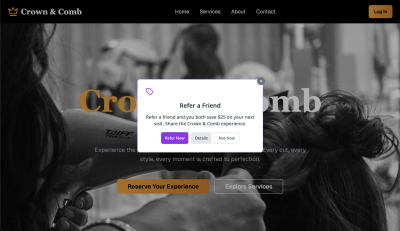
Crown & Comb (Visual and Structural Complexity): A hair salon site designed to be intentionally difficult, particularly regarding a "bridal package" task. Interestingly, while cognitive participants found 12 issues on average compared to the gen pop’s 5, they actually rated the site higher on the AUS scale (63.8 vs. 49.5). Researchers believe this anomaly occurred because the general population participants were more frustrated by the lack of direct interaction, whereas cognitive participants were more focused on the overwhelming nature of the visual elements.

Data Breakdown: Where the Issues Reside
The research categorized the identified issues into five primary areas: content, navigation, buttons and links (affordances), icons or visual elements, and media.
The data showed a stark disparity in how the two groups perceived digital obstacles. Cognitive participants surfaced significantly more issues related to content clarity and the function of buttons. For example, on the Turning Pages site, cognitive participants identified 20 issues regarding buttons and links, while gen pop participants identified only 7.
In the category of visual elements on the Crown & Comb site, cognitive participants flagged 23 issues compared to just 4 from the general population. These issues often involved icons that lacked clear labels or visual "noise" that distracted from the primary task.
Qualitative Insights and User Impact
Beyond the raw numbers, the study highlighted a profound difference in the emotional and psychological impact of poor UX. Qualitative feedback revealed that while general population participants often felt "frustrated" or "unengaged" by poor design, cognitive participants reported feeling "drained" and "less able to focus."
One cognitive participant noted that excessive pop-ups and redundant options made them feel "mentally exhausted," a state that directly hinders their ability to complete a purchase or find information. This suggests that for neurodivergent users, usability issues are not merely inconveniences; they are accessibility barriers that can lead to total task abandonment.

The Business Case for Cognitive Inclusion
The implications of this study extend far beyond compliance with accessibility laws. From a business perspective, the "Curb Cut Effect"—the phenomenon where designs intended for people with disabilities end up benefiting everyone—is highly applicable here.
By addressing the issues raised by cognitive participants, companies can:
- Increase Trust: Issues such as lack of source citations for reviews or ambiguous "Add to Bag" interactions were flagged primarily by cognitive users. Resolving these builds credibility for all users.
- Reduce Abandonment: The study found that complex checkout flows and unpredictable interactions caused significant distress for cognitive users. Simplifying these flows directly impacts the bottom line by reducing cart abandonment.
- Prepare for a Demographic Shift: With the U.S. Census Bureau projecting that 1 in 4 Americans will be over the age of 65 by 2060, cognitive decline will become a universal user experience. Designing for cognitive accessibility today is a strategy for long-term market relevance.
A UX Manager at Bell Media, commenting on the value of these insights, stated, "Two sessions with cognitive users feel like 200 because of the volume of insights we get." This efficiency allows UX teams to identify the "weakest links" in their design faster than they would through traditional testing.
Expert Analysis and Implications
The study concludes that cognitive inclusion in UX research is a powerful "on-ramp" for broader accessibility initiatives. By focusing on cognitive load, clarity, and predictability, design teams create a foundation that makes future work with assistive technologies—such as screen readers or alternative navigation—much more effective.
However, the researchers acknowledged certain limitations. The study featured a relatively small sample size of 30 participants and utilized two different testing platforms (Fable Engage for cognitive participants and UserFeel for the general population). While these variables were controlled through a consistent analysis of transcripts and recordings by a single lead researcher, they highlight the need for further large-scale quantitative research in the field of cognitive accessibility.
Despite these limitations, the evidence remains compelling. The 1.8x multiplier in identified issues proves that neurodivergent users are not just a "niche" audience to be accommodated; they are the ultimate "power users" for identifying systemic design flaws. As digital environments become increasingly saturated with AI-generated content and complex interfaces, the need for clarity and cognitive ease will only grow.
For organizations looking to improve their digital products, the path forward is clear: inclusive research is not just a matter of social responsibility—it is a rigorous methodology for achieving superior usability and commercial success. By centering the needs of those with the highest cognitive load, developers can ship products that are simpler, faster, and more reliable for every user.