Solving YouTube TV Compatibility Issues on New Hardware Through Widevine Integration

The transition to a new computing environment is typically characterized by increased processing speeds and a streamlined user interface, yet the migration to modern hardware often introduces unforeseen technical friction regarding proprietary media playback. Recent diagnostic reports indicate that users migrating to the latest generation of Apple MacBook hardware, specifically those utilizing Silicon-based architecture, frequently encounter a "This video format is not supported" error when attempting to access YouTube TV via standard web browsers. While the error message suggests a lack of codec support or a fundamental hardware limitation, technical analysis reveals that the obstacle is rooted in Digital Rights Management (DRM) protocols rather than the machine’s ability to process high-definition video streams. The resolution lies in the activation of the Widevine Content Decryption Module (CDM), a proprietary component that serves as the bridge between encrypted content and the hardware’s display capabilities.
The Technical Architecture of Modern Streaming Errors
When a user encounters the "This video format is not supported" message on a platform as robust as YouTube TV, the terminology used by the browser is often a simplified placeholder for a more complex handshake failure. In the context of modern web architecture, streaming services do not merely send raw video files to a browser; they transmit encrypted data packets that require a specific "key" to unlock. This process is governed by DRM systems, which are designed to prevent the unauthorized distribution and recording of copyrighted material.

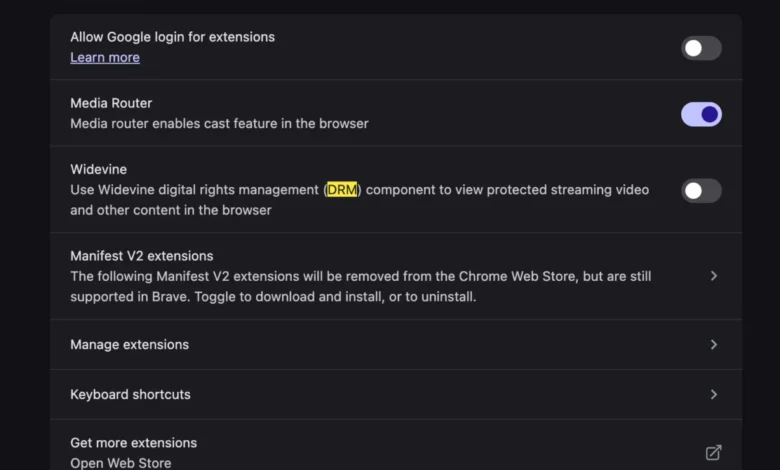
On new devices, particularly those running macOS or privacy-oriented browsers, these DRM modules may be disabled by default or require manual initialization to ensure the user consents to the execution of proprietary code. The Widevine CDM, owned by Google, is the industry standard for this process across Chromium-based browsers, including Google Chrome, Microsoft Edge, and Brave. Without this module active, the browser cannot decrypt the incoming stream from YouTube TV, leading the software to conclude that the video format is incompatible, despite the hardware being more than capable of handling the resolution and bitrate.
A Chronology of Web-Based Media Protection
The reliance on integrated modules like Widevine represents a significant shift in how digital media is consumed on the internet. To understand the current landscape of streaming errors, it is necessary to examine the evolution of web-based video delivery:
- The Plugin Era (2000–2015): During this period, video playback was largely dependent on third-party plugins such as Adobe Flash and Microsoft Silverlight. These tools operated independently of the browser’s core engine, often leading to security vulnerabilities and high CPU consumption.
- The HTML5 Transition (2011–2016): The World Wide Web Consortium (W3C) pushed for the deprecation of plugins in favor of native HTML5 video tags. This improved performance but initially lacked a standardized way to protect premium content.
- The Encrypted Media Extensions (EME) Implementation (2017–Present): To bridge the gap between open standards and the needs of content owners (like Disney, NBCUniversal, and Warner Bros.), the EME standard was introduced. This allowed browsers to communicate with CDM software like Widevine, FairPlay (Apple), and PlayReady (Microsoft).
- Hardware-Backed DRM (2020–Present): With the rise of 4K and 8K streaming, software-based decryption became insufficient for high-security requirements. Modern hardware, such as Apple’s M-series chips and Intel’s SGX, now includes dedicated "secure enclaves" where decryption happens at the hardware level, adding a layer of complexity to initial setup.
Technical Resolution: Enabling Widevine for YouTube TV
For users on a new MacBook or a fresh installation of a Chromium-based browser, the path to restoring YouTube TV functionality involves a specific sequence of configurations within the browser’s internal settings. Unlike the "good old days" of the internet, where users had to manually download and install .exe or .dmg codec packs, modern solutions are toggled within the application’s security or site settings.

Configuration for Chromium-Based Browsers
In browsers such as Google Chrome or Brave, the "This video format is not supported" error is typically resolved by navigating to the "Privacy and Security" section of the settings menu. Under "Site Settings" and the "Additional Content Settings" submenu, users will find a toggle for "Protected Content IDs." Enabling this allows the browser to use the Widevine CDM to play protected videos and use identifiers to recognize the device. In many instances, a browser restart is required to finalize the handshake between the YouTube TV servers and the local hardware.
Privacy-Centric Browser Nuances
Browsers like Brave or Firefox often present a more prominent barrier because they prioritize user privacy by blocking proprietary trackers and modules by default. When a user first visits a DRM-heavy site like YouTube TV, these browsers may display a small notification icon in the address bar asking for permission to "Run Widevine." If this prompt is ignored or missed during the initial setup of a new computer, the service will remain inaccessible until the user manually grants the permission in the settings.
Supporting Data: The Scale of the Streaming Ecosystem
The importance of resolving these compatibility issues is underscored by the massive scale of the digital streaming market. According to industry data from 2023 and early 2024, YouTube TV has surpassed 8 million subscribers, making it the leading virtual Multichannel Video Programming Distributor (vMVPD) in the United States. This growth places it ahead of competitors like Hulu + Live TV and FuboTV.

Furthermore, market share data indicates that Chromium-based browsers account for over 70% of global desktop browser usage. Because YouTube TV is a Google-owned property, it relies heavily on the Widevine CDM, which is also a Google product. Any friction in the integration of these two components affects millions of users who are increasingly moving away from traditional cable boxes toward browser-based and app-based viewing.
| Metric | Data Point |
|---|---|
| YouTube TV Subscribers | ~8 Million (as of Q1 2024) |
| Chrome Browser Market Share | ~65% (Desktop) |
| Global Streaming Market Valuation | $500+ Billion |
| Widevine Security Levels | L1 (Hardware), L2, L3 (Software) |
Official Responses and Industry Implications
While Google and YouTube have not issued a formal "bug report" for this specific error on new MacBooks, their support documentation consistently points toward DRM configuration as a primary troubleshooting step. The "Video format not supported" message is technically accurate from the browser’s perspective—if it cannot decrypt the format, it cannot "support" the playback.
Industry analysts suggest that the increasing frequency of these errors on new hardware is a byproduct of the "security-first" approach adopted by modern operating systems. Apple, for instance, has integrated its FairPlay DRM deeply into the macOS architecture. When a user chooses to use a third-party browser like Chrome instead of Safari, there is a technical hand-off that occurs between the OS and the browser’s internal CDM. If the user’s security settings are tuned to the highest level, this hand-off may be blocked to prevent potential data "leaks" from the secure enclave.

Broader Impact and Future Outlook
The necessity of manual intervention to enable Widevine raises broader questions about the balance between digital privacy and consumer convenience. On one hand, requiring user consent before running proprietary decryption modules protects the user from "fingerprinting"—a technique where websites use unique hardware IDs to track users across the internet. On the other hand, the average consumer may lack the technical literacy to understand why their brand-new, $2,000 laptop cannot perform a task as simple as playing a YouTube video.
As we move toward an era of even more stringent content protection, such as the implementation of "Verified Media Paths" and more aggressive hardware-based DRM, the frequency of these configuration errors is likely to increase. The transition to Apple Silicon has already shown that changes in instruction sets (from x86 to ARM) require software developers to rewrite how their DRM modules interact with the CPU and GPU.
In conclusion, the "This video format is not supported" error is a modern symptom of a highly secured digital ecosystem. By enabling Widevine, users are not merely installing a codec; they are participating in a complex authentication sequence that satisfies the legal and technical requirements of content providers. For the user, the "bliss" of a new computer is only fully realized once these invisible digital gates are opened, allowing for the seamless integration of high-performance hardware and premium digital content. The solution is simple, yet it highlights the intricate web of permissions that define the modern internet experience.