Microsoft Ads Launches Product Explorer: A Comprehensive Tool for Enhanced Product Catalog Management and Performance Optimization

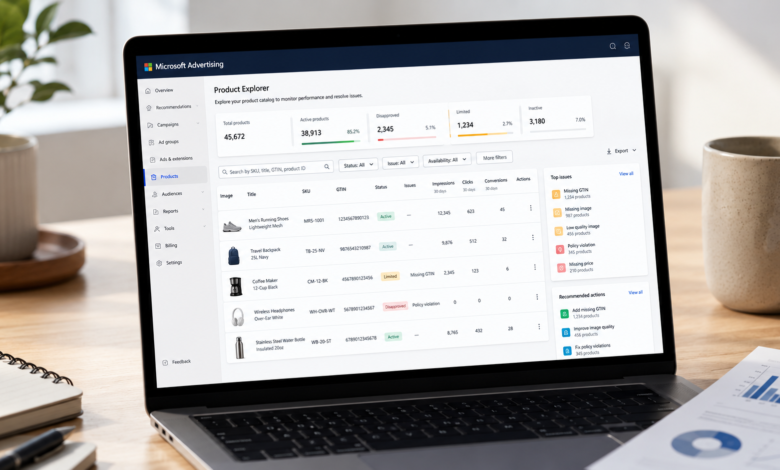
Microsoft Ads has officially rolled out Product Explorer, an innovative reporting tool designed to provide advertisers with an unprecedented, centralized view of their product catalog’s health and performance. This significant development, confirmed by Microsoft Product Liaison Navah Hopkins, marks a crucial step in simplifying the complexities associated with managing extensive product feeds, a perennial challenge for e-commerce advertisers seeking to maximize their reach and return on investment. The tool is already live in advertiser accounts, signaling an immediate enhancement to the Microsoft Ads ecosystem.
Addressing the Critical Need for Feed Management Efficiency
The digital retail landscape is characterized by its dynamic nature and intense competition, where the effectiveness of advertising campaigns is increasingly tethered to the quality and accuracy of underlying product data. Advertisers, particularly those with large and frequently updated inventories, have long grappled with the arduous task of monitoring vast product feeds. Identifying which specific items are eligible to serve, generating impressions, or suffering from missing critical data points has historically been a time-consuming and often manual endeavor. This operational friction directly impacts campaign performance, leading to missed opportunities, inefficient ad spend, and reduced visibility for potentially high-value products. Product Explorer aims to fundamentally transform this process, offering a streamlined solution to these persistent challenges.
Core Functionality: Unveiling a New Level of Visibility
Product Explorer introduces a highly intuitive and searchable interface that presents an advertiser’s entire product catalog in a consolidated view. This centralized dashboard allows users to apply sophisticated filters, enabling them to dissect their inventory by crucial attributes such as Stock Keeping Unit (SKU), product title, Global Trade Item Number (GTIN), and product ID. This granular filtering capability empowers advertisers to quickly pinpoint specific items or groups of products, moving beyond the aggregate data views that often obscure individual product issues.
A key feature of Product Explorer is its ability to immediately highlight the operational status of products. Advertisers can swiftly ascertain which products are active within their feed, actively serving ads, and, critically, driving performance. This real-time insight into the ad-serving status of products is invaluable for agile campaign management and rapid issue resolution.

Beyond mere status reporting, the tool delves deeper into diagnostics. It proactively identifies eligibility issues that might prevent products from appearing in ads, flags metadata gaps—such as missing descriptions, incorrect pricing, or absent product imagery—and points out other underlying factors that impede a product’s serving potential. Such detailed diagnostics are complemented by actionable recommendations, guiding advertisers on the specific steps required to rectify identified problems. For instance, if a product is underperforming due due to a low-quality image, the tool might suggest updating the visual asset. Furthermore, Product Explorer facilitates the export of filtered product lists, allowing advertisers to conduct more in-depth analyses using external tools or to share specific action items with their teams for prompt implementation. The tool also provides product-level performance data covering the previous 30 days, offering a snapshot of recent trends and impacts.
The Evolution of Retail Media and the Imperative of Data Quality
The introduction of Product Explorer is situated within a broader industry trend towards the increasing sophistication and automation of product-based advertising. Originating with early Product Listing Ads (PLAs) and evolving into comprehensive Shopping Campaigns, retail media has become a cornerstone of digital marketing strategies for e-commerce businesses. Platforms like Microsoft Ads, Google Shopping, Amazon Ads, and Meta Shops now leverage vast product feeds to dynamically generate ads, personalize recommendations, and connect consumers with relevant products at critical points in their purchasing journey.
This reliance on automated systems underscores the paramount importance of feed quality. A well-optimized product feed is not merely a technical requirement; it is a strategic asset. High-quality data ensures that products are correctly categorized, accurately described, and competitively priced, directly influencing metrics such as impression share, click-through rates (CTR), conversion rates, and ultimately, return on ad spend (ROAS). Conversely, a poor-quality feed can lead to product disapprovals, reduced ad visibility, irrelevant ad placements, and wasted advertising expenditure. Industry reports frequently highlight that common feed issues, such as missing GTINs, inconsistent product titles, or outdated pricing, can account for a significant percentage of product disapprovals and underperforming ad units across various platforms. Some studies suggest that up to 20-30% of products in large feeds may suffer from critical data errors, leading to substantial revenue loss for advertisers. The growth of e-commerce, projected to continue its upward trajectory globally, further intensifies the need for robust tools that ensure advertisers can maintain optimal feed health.
Strategic Implications for Advertisers and Microsoft Ads
For advertisers, Product Explorer offers a multifaceted benefit:
- Enhanced Efficiency: By combining feed diagnostics and performance reporting into a single, intuitive interface, the tool dramatically reduces the time and effort traditionally spent on identifying and resolving product feed issues. This operational efficiency frees up valuable resources, allowing marketing teams to focus on higher-level strategic initiatives rather than manual data reconciliation.
- Improved Campaign Performance: The direct link between feed quality and ad performance means that advertisers can proactively address issues that impede product visibility and conversion. By moving more products into a "servable" state and optimizing underperforming inventory, businesses can expect to see tangible improvements in their campaign reach, engagement, and profitability. The ability to identify specific products that are not performing well, coupled with actionable recommendations, enables targeted optimization efforts.
- Data-Driven Decision Making: The granular, product-level performance data empowers advertisers with deeper insights into their inventory. This allows for more informed decisions regarding product assortment, pricing strategies, and promotional activities. Understanding which products are driving performance and which require attention helps optimize inventory management and marketing spend.
- Competitive Advantage: In a crowded digital marketplace, even marginal gains in efficiency and performance can translate into a significant competitive edge. Advertisers leveraging Product Explorer on Microsoft Ads can ensure their products are always presented optimally, maximizing their chances of capturing consumer attention against competitors.
From Microsoft Ads’ perspective, Product Explorer strengthens its position as a robust advertising platform for retail advertisers. By offering tools that directly address core pain points, Microsoft Ads enhances advertiser satisfaction and loyalty. This move also aligns Microsoft Ads with the industry-wide trend of providing more transparent and actionable insights, fostering a more effective and user-friendly advertising environment. It signals Microsoft’s commitment to investing in tools that empower e-commerce businesses to thrive on its platform, ultimately contributing to increased ad spend and platform stickiness.

Official Statements and Industry Reception
Navah Hopkins, Microsoft Product Liaison, confirmed the immediate availability of Product Explorer, underscoring Microsoft’s responsiveness to advertiser needs. While specific third-party statements are not yet widely available, industry analysts and e-commerce specialists are expected to welcome this development. The consensus among digital marketing professionals often highlights the critical need for unified dashboards that integrate data quality checks with performance metrics. Experts are likely to commend Microsoft Ads for adopting an integrated approach, recognizing that the ability to diagnose and optimize from a single point of access represents a significant leap forward in product feed management. This integrated methodology is a stark contrast to previous workflows that often required advertisers to juggle multiple tools or dashboards to gain a holistic understanding of their product feed health and ad performance.
Looking Ahead: The Future of Unified Advertising Platforms
The launch of Product Explorer by Microsoft Ads is indicative of a broader industry trajectory toward more comprehensive, unified advertising platforms. As digital advertising becomes increasingly complex, with diverse channels and data sources, advertisers are seeking consolidated solutions that streamline operations and provide a clearer picture of their marketing ecosystem. The emphasis on first-party data, privacy considerations, and the ongoing evolution of AI-driven optimization further reinforce the need for robust platform tools that can process, analyze, and act upon vast quantities of product and performance data.
Product Explorer represents a vital component in this evolving landscape, empowering advertisers to overcome the technical hurdles of product feed management and focus on strategic growth. By making it easier to identify and rectify catalog issues and optimize underperforming inventory, Microsoft Ads is not only enhancing its own platform but also contributing to the overall maturity and efficiency of the retail media ecosystem. The continuous development of such tools will be crucial for platforms vying for market share in the competitive and rapidly expanding domain of e-commerce advertising.
In conclusion, Product Explorer is poised to be a game-changer for retail advertisers utilizing Microsoft Ads. By providing unparalleled visibility into product catalog health, coupled with actionable insights and performance data, Microsoft Ads is making it significantly easier for businesses to ensure their products are always ready to serve, perform optimally, and drive maximum value. This strategic enhancement underscores the growing importance of feed quality as a cornerstone of successful product-based advertising in the modern digital economy.