Google’s AI Overviews Now Fully Integrate News Updates and Top Stories for U.S. Mobile Users, Signaling a Significant Shift in Information Discovery.

Google has officially confirmed the full rollout of news updates and top stories within its AI Overviews section, now live for all mobile users across the United States. This enhancement represents a critical evolution in how Google’s AI-powered search features present timely information, aiming to provide users with immediate access to breaking developments and curated news narratives directly within their search results. The move underscores Google’s ongoing commitment to integrating artificial intelligence more deeply into its core search product while attempting to balance immediate answers with the critical need to direct traffic to original source publishers.
The Evolution of AI Overviews: A Strategic Context
The introduction of AI Overviews marked a pivotal moment for Google Search, initially unveiled at Google I/O in May 2024 as part of a broader "AI-powered Google Search experience." Designed to provide concise, AI-generated summaries at the top of search results, AI Overviews aimed to streamline information retrieval, offering users direct answers to complex queries without necessarily requiring them to click through to multiple websites. The initial rollout was met with a mix of excitement and skepticism, as users and publishers alike grappled with the implications of AI-generated content potentially reducing direct traffic to source material.
From its inception, Google articulated a vision for AI Overviews that would not merely summarize existing information but also synthesize it, offering fresh perspectives and deeper insights. However, the early phases of AI Overviews were not without their challenges. Reports of factual inaccuracies, peculiar recommendations, and a perceived reduction in traditional web traffic for some publishers sparked widespread debate. These initial teething problems highlighted the immense complexity of deploying large language models (LLMs) at the scale of Google Search and the inherent difficulties in ensuring accuracy, reliability, and appropriate attribution across a vast and dynamic web.
The integration of news and top stories within this AI framework is a direct response to the need for timeliness and dynamic content. Unlike static informational queries, news topics are inherently fluid, requiring constant updates and the ability to distinguish between established facts and evolving narratives. By specifically incorporating "news updates and top stories," Google is signaling a refinement of its AI Overview strategy, emphasizing its capability to handle highly dynamic information categories that demand freshness and a clear understanding of developing events. This also reflects Google’s continuous effort to enhance the utility and reliability of its AI Overviews, addressing previous criticisms by focusing on high-quality, time-sensitive content from reputable sources.
Key Features of the News Integration
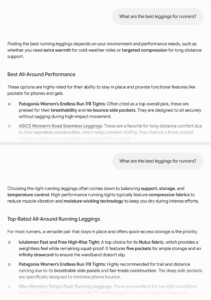
The newly implemented feature presents news updates and top stories through prominent carousels directly within the AI Overviews section. As observed during its initial, partial rollout and confirmed by the official launch, these carousels are designed to highlight multiple relevant articles pertaining to a developing topic. Screenshots from early observations showcased a clear visual distinction for these news clusters, allowing users to quickly identify and navigate through various reports on a particular subject.
A crucial aspect of this integration, first announced in May, includes the display of "Preferred Sources" and "Highly Cited Labels." The concept of "Preferred Sources" suggests a mechanism by which Google’s algorithms identify and prioritize news outlets deemed authoritative or particularly relevant to a user’s query or browsing history, potentially offering a personalized news experience. While the exact criteria for becoming a "Preferred Source" remain proprietary to Google, industry experts speculate that it likely involves a combination of factors such as domain authority, editorial quality, adherence to journalistic standards, freshness of content, and historical performance in search rankings for news-related queries. This could also be influenced by explicit user preferences or implicit signals derived from user interaction data.
The "Highly Cited Labels," on the other hand, are intended to provide transparency and bolster credibility by indicating articles that have been extensively referenced by other reputable news organizations. This feature serves as a valuable signal for users, helping them to quickly identify widely corroborated or influential reports amidst a deluge of information. Both "Preferred Sources" and "Highly Cited Labels" are mechanisms Google has deployed to enhance the trustworthiness and authority of the information presented within AI Overviews, a direct countermeasure to the misinformation and accuracy concerns that have plagued AI-generated content. These labels are particularly vital in the context of news, where the provenance and reliability of information are paramount.

A Chronology of Development
The journey towards this full news integration began several months prior to its official U.S. mobile rollout:
- May 2024: At Google I/O, Google officially announced its plans to introduce "fresh perspectives, new updates and prominent links" within AI Overviews. During this announcement, Google specifically mentioned that "for some searches when you have a question about a developing topic, you’ll start seeing a prominent carousel, which will also highlight your Preferred Sources. This will help make timely articles more visible on a wider range of queries." This initial announcement laid the groundwork for the current rollout, outlining the strategic intent to bring dynamic, timely news content into the AI Overview experience.
- Early Observations (Prior to Official Confirmation): Reports from prominent SEO and search industry blogs, such as the Search Engine Roundtable, began to surface, detailing instances of users observing these news carousels and top stories appearing within AI Overviews on mobile devices. These early sightings indicated a phased or limited rollout, allowing Google to test the functionality and gather initial feedback before a broader deployment. These observations often included screenshots, providing the first public glimpse of the feature’s visual implementation.
- Official Confirmation (Recent): A Google spokesperson officially confirmed that the rollout is now "fully live" in the United States for mobile users. This confirmation signifies the completion of the phased deployment and the general availability of the feature across the intended user base. The focus on mobile users aligns with current trends in news consumption, where a significant majority of individuals access news and information via their smartphones.
This timeline illustrates a methodical approach by Google, from initial conceptualization and announcement to phased testing and eventual full deployment, underscoring the complexity and careful consideration involved in integrating such a dynamic feature into a globally impactful product like Google Search.
Google’s Stated Goals and Publisher Engagement
Google has consistently emphasized that its AI search features, including AI Overviews and AI Mode, are designed to send "billions of clicks" to websites each week. This commitment is crucial for maintaining the health of the open web and for ensuring that content creators and publishers continue to be a vital part of the information ecosystem. The integration of news and top stories within AI Overviews is framed by Google as another avenue to achieve this goal, providing enhanced visibility and direct pathways for users to discover and engage with original journalistic content.
For news publishers, this represents a dual-edged sword. On one hand, the prominent placement of news carousels and the inclusion of "Preferred Sources" and "Highly Cited Labels" could significantly increase visibility for their articles, potentially driving substantial traffic. In an increasingly fragmented media landscape, any mechanism that can direct users to authoritative news sources is welcomed. The promise of billions of clicks from AI search features suggests a potential new frontier for audience acquisition, particularly for publishers who can adapt their content strategies to align with how AI Overviews select and present information.
On the other hand, a persistent concern among publishers since the advent of AI Overviews has been the potential for AI summarization to reduce direct clicks to their websites. If an AI Overview provides a sufficiently comprehensive answer or summary, users might feel less compelled to visit the original source, thereby impacting ad revenue and subscription opportunities. This tension highlights the delicate balance Google must strike: providing users with immediate, satisfying answers while simultaneously supporting the economic models of the content creators upon whom its search engine ultimately relies. The "prominent links" and "carousels" are Google’s attempt to mitigate this concern by ensuring clear pathways to the original articles.
The Publisher Perspective: Opportunities and Challenges
The full integration of news into AI Overviews presents both distinct opportunities and significant challenges for news publishers.
Opportunities:

- Enhanced Visibility: For quality news outlets, the potential to appear in "Preferred Sources" or be highlighted with "Highly Cited Labels" within AI Overviews offers an unprecedented level of visibility directly at the top of search results. This can lead to increased brand recognition and authority.
- Direct Traffic Generation: Google’s emphasis on sending clicks to the open web suggests that these features are designed to facilitate direct visits to publisher websites, rather than simply summarizing content. The carousels and prominent links provide clear calls to action for users to delve deeper into original articles.
- Reach for Developing Stories: For breaking news and rapidly evolving topics, this feature ensures that publishers’ timely updates are surfaced quickly and effectively to a broad audience, potentially increasing their impact and reach during critical events.
- Emphasis on Authority and Quality: The "Highly Cited Labels" and "Preferred Sources" implicitly reward high-quality, authoritative journalism. This could incentivize publishers to focus even more on journalistic integrity, fact-checking, and original reporting, knowing that these attributes might be recognized and amplified by Google’s algorithms.
Challenges:
- Dependence on Google’s Algorithms: Publishers’ visibility and traffic will become even more intertwined with Google’s evolving AI algorithms. Understanding the criteria for "Preferred Sources" and optimizing content for AI Overviews will become a new frontier in SEO, potentially requiring significant resource investment.
- The Summarization Dilemma: Despite Google’s reassurances, the inherent nature of AI Overviews is to summarize. Publishers remain wary that even with prominent links, a significant portion of users might be satisfied with the AI-generated summary, reducing the need to click through to the full article. This could impact page views, ad impressions, and ultimately, revenue.
- Attribution and Monetization: While clicks are promised, the economic impact of AI Overviews on publisher revenue streams remains to be fully seen. Publishers rely not just on clicks but on sustained engagement, repeat visits, and the ability to monetize their content through advertising, subscriptions, and other models. The shift in user behavior driven by AI Overviews could subtly alter these dynamics.
- Competitive Landscape: The increased visibility for some publishers means increased competition for others. Smaller or less established news organizations might find it harder to gain prominence within AI Overviews compared to larger, more established players who are more likely to be designated as "Preferred Sources."
User Experience and Information Consumption
For the end-user, the integration of news into AI Overviews promises a more efficient and comprehensive news discovery experience on mobile devices. Users can expect:
- Immediate Access to Timely Information: When searching for information on developing events, users will receive instant, AI-curated summaries and links to top stories, bypassing the need to sift through multiple traditional search results.
- Diverse Perspectives at a Glance: The carousel format allows users to quickly scan headlines and snippets from various news outlets, offering a broader perspective on a topic without extensive navigation.
- Enhanced Trust Signals: "Highly Cited Labels" and "Preferred Sources" provide immediate indicators of reliability and authority, helping users make more informed decisions about which articles to trust and engage with.
- Personalized News Discovery: The "Preferred Sources" mechanism could potentially lead to a more personalized news feed within search results, aligning with individual user interests and previously favored outlets.
However, potential downsides for users include the risk of algorithmic filter bubbles, where personalized preferences might inadvertently limit exposure to diverse viewpoints. Moreover, over-reliance on AI summaries could reduce critical engagement with original journalistic content, potentially diminishing media literacy and the capacity for deep analysis.
The Broader Landscape of AI in Search and Future Implications
This latest rollout positions Google at the forefront of AI-driven news aggregation within search, reinforcing its dominant role in how users discover information. It also serves as a competitive response to other AI search players and news aggregators that have emerged, some of which specialize in providing summarized content. By baking news directly into AI Overviews, Google aims to provide a comprehensive, one-stop solution for information discovery, from factual queries to breaking news.
For SEO professionals and content strategists in the news industry, this development necessitates a re-evaluation of current optimization practices. Beyond traditional SEO signals, understanding how to satisfy AI Overviews’ requirements for clarity, authority, and timeliness will be paramount. This includes:
- Focus on E-E-A-T (Experience, Expertise, Authoritativeness, Trustworthiness): These principles, already foundational to Google’s ranking algorithms, become even more critical for news publishers aiming to be recognized as "Preferred Sources" or "Highly Cited."
- Structured Data and Clarity: Providing clear, concise, and well-structured content that is easily digestible by AI models will be essential for effective summarization and inclusion in carousels.
- Timeliness and Original Reporting: For developing stories, being among the first to report accurately and comprehensively will likely be a significant factor in gaining visibility within the AI Overviews.
- Building Brand Authority: Investing in journalistic integrity and developing a strong reputation as a reliable news source will indirectly contribute to algorithmic favorability.
Looking ahead, this integration is likely just one step in Google’s ongoing evolution of AI in search. Future iterations could see even more sophisticated personalization, deeper integration with multimedia content, and potentially new monetization models for publishers working in conjunction with Google’s AI capabilities. The challenge for Google will be to continue refining these features, ensuring they serve both the user’s need for information and the publisher’s need for a sustainable business model, thereby fostering a healthy and vibrant ecosystem for news and information on the open web.
In conclusion, the full integration of news updates and top stories into Google’s AI Overviews for U.S. mobile users marks a significant milestone in the ongoing transformation of digital search and news consumption. While promising enhanced information access and potential traffic benefits for publishers, it also ushers in a new era of challenges and strategic considerations for the entire digital news ecosystem. The success of this initiative will hinge on Google’s ability to maintain a delicate balance between AI-powered efficiency and the imperative to support high-quality journalism, ensuring that the future of information discovery remains robust, diverse, and credible.