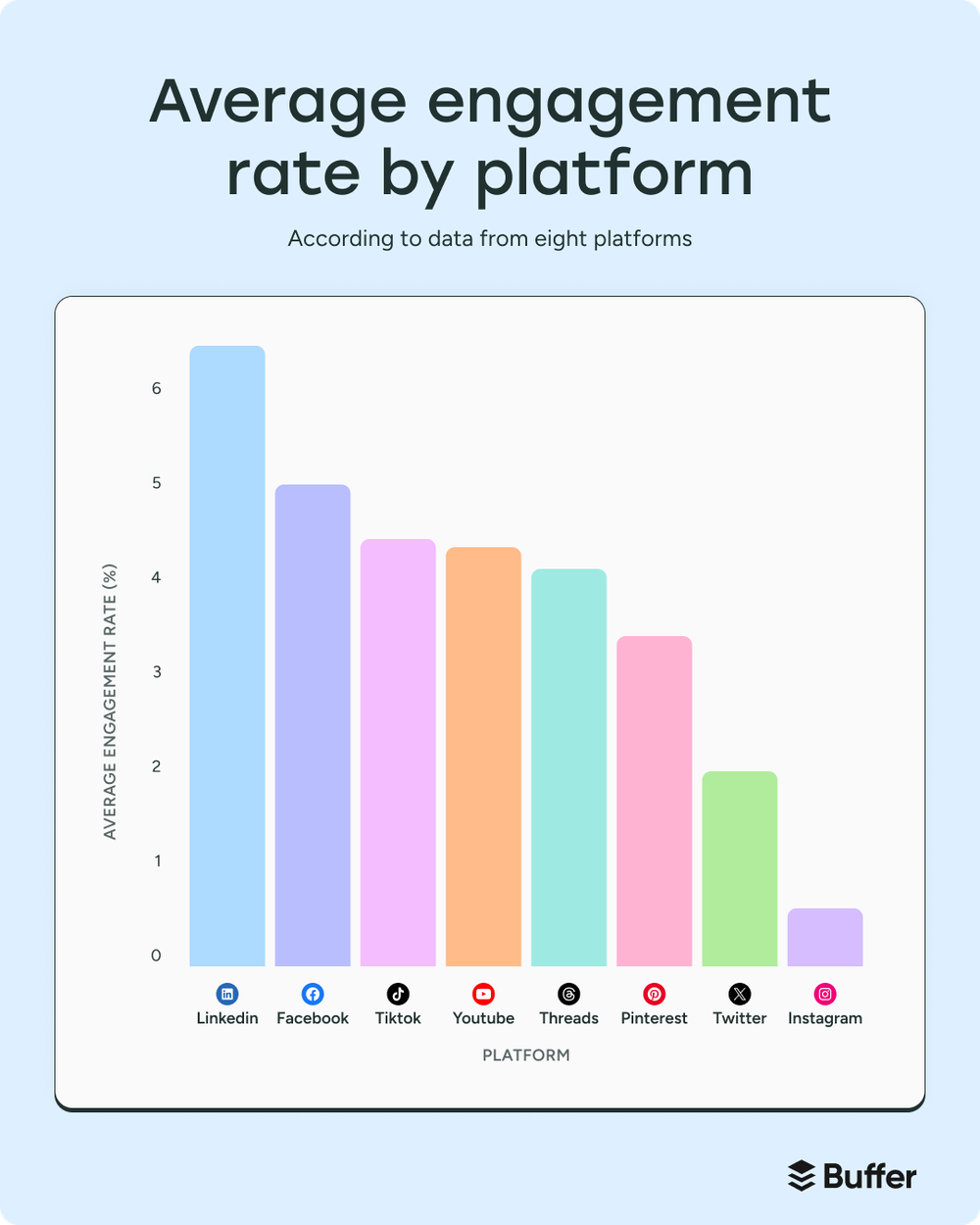
LinkedIn has cemented its position as the premier digital ecosystem for professional growth, boasting over 1.3 billion registered members. Recent data from the 2026 State of Social Media Engagement report indicates that the platform maintains a median engagement rate of 6.2%, the highest among all major social media networks. As artificial intelligence continues to reshape information retrieval, LinkedIn has simultaneously emerged as the most-cited source for professional queries within AI-powered search engines, making the content shared on the platform a critical component of professional visibility.

The evolution of the platform has shifted from a static digital resume repository to a dynamic content hub. Since 2020, user behavior has migrated toward active participation, with professionals leveraging the platform to secure brand partnerships, speaking engagements, and career opportunities. This transition has necessitated a more strategic approach to audience building, moving away from "growth hacks" and toward intentional, algorithm-aligned content strategies.
The Architecture of a High-Performance Profile
Optimizing a profile serves as the foundational step for organic growth. Research suggests that the majority of users visit a profile after encountering a post before deciding to follow the account. To maximize conversion, users are advised to implement four structural adjustments.
First, transitioning the primary profile action from "Connect" to "Follow" simplifies the acquisition of an audience. By navigating to Settings & Privacy, selecting Visibility, and enabling "Make follow primary," users remove the barrier of mutual acceptance, allowing for a broader reach without limiting the ability for others to send connection requests via the "More" menu.
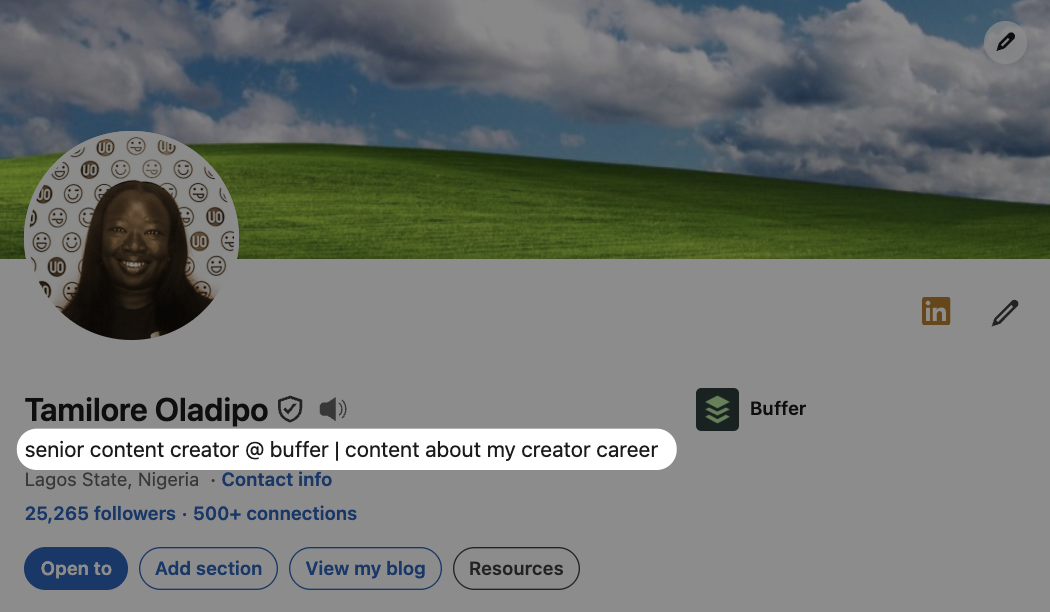
Second, the professional headline requires a shift from mere job titles to value-driven statements. Analysis shows that the optimal formula involves stating one’s role paired with the specific topics or audience segments served. With 220 characters available, the first 60 to 70 characters are the most critical, as these are the only segments visible in search results and comment sections.
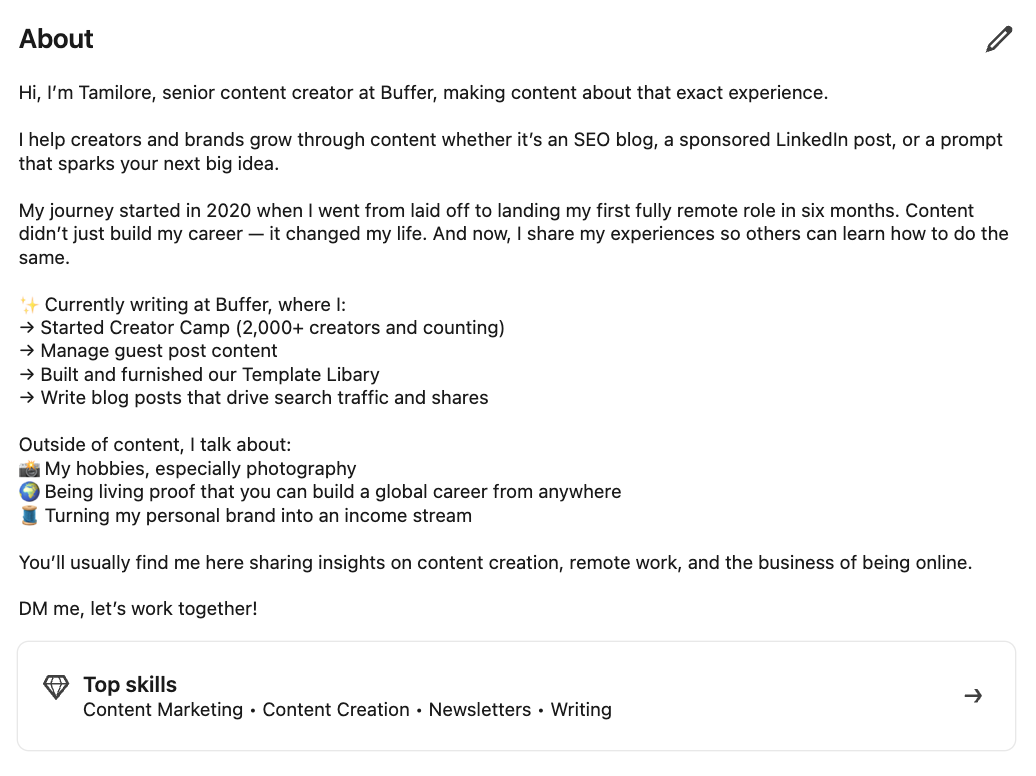
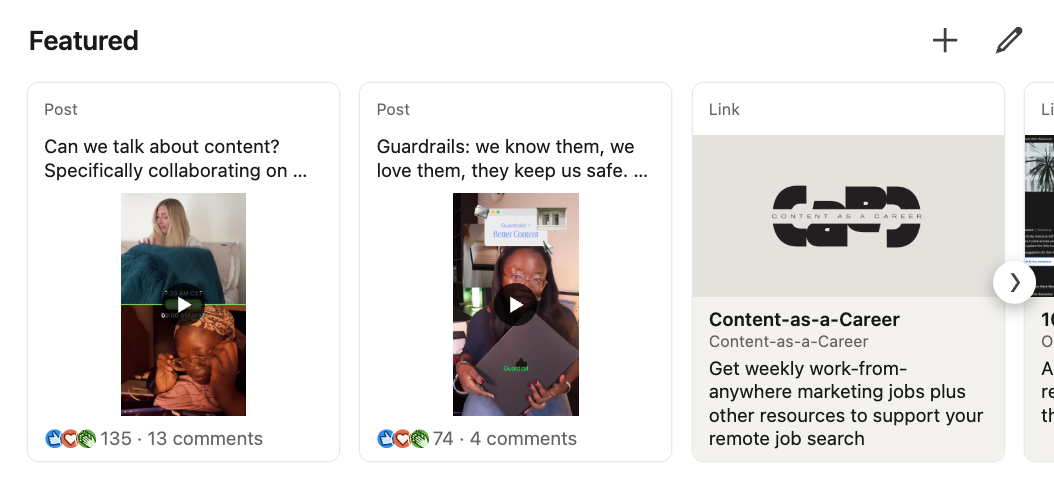
Third, the "About" section should be utilized as a narrative tool rather than a biographical list. Given that only the first 300 characters appear before the "see more" prompt, brevity and storytelling are essential. This space allows for the articulation of professional philosophy, providing prospective followers with a compelling reason to engage. Finally, the "Featured" section acts as a digital portfolio. Pinning high-performing posts, newsletters, or external projects allows users to curate the first impression made on visitors, effectively highlighting their most relevant professional contributions.
Algorithmic Dynamics and Content Strategy
Understanding the LinkedIn algorithm is essential for maintaining consistent reach. Following a comprehensive system rebuild in March 2026, LinkedIn now utilizes advanced large language models to rank content based on two primary metrics: "long dwell" time—the duration a user spends consuming a post—and interaction, specifically likes, comments, and shares.
The platform’s AI-driven feed is designed to categorize content topics with precision. Consequently, subject-matter consistency is a significant driver of visibility. By narrowing content focus to three to five core pillars, creators assist the platform in identifying the appropriate audience for their posts. This "niche-down" strategy is supported by data indicating that focused accounts with 8,000 followers often achieve greater reach and impact than broad, unfocused accounts with 80,000 followers.
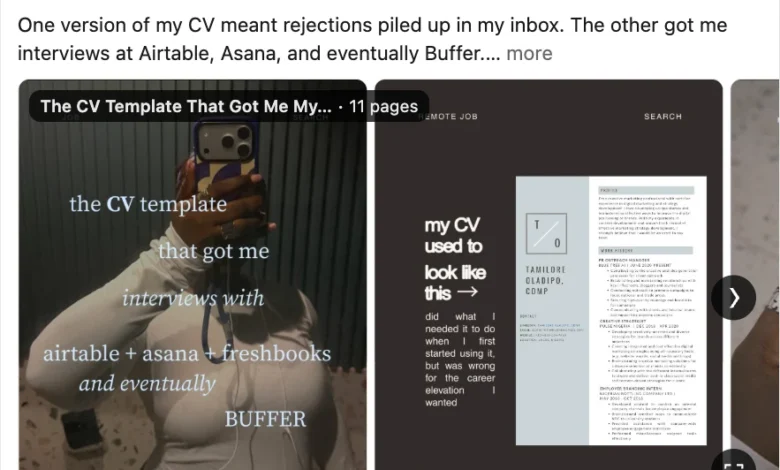
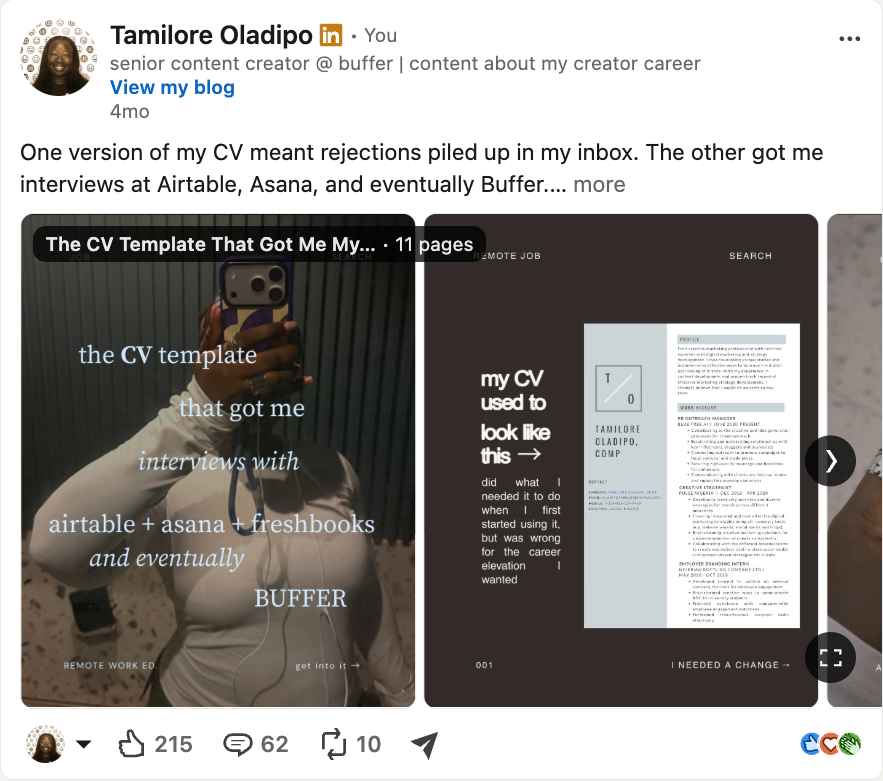
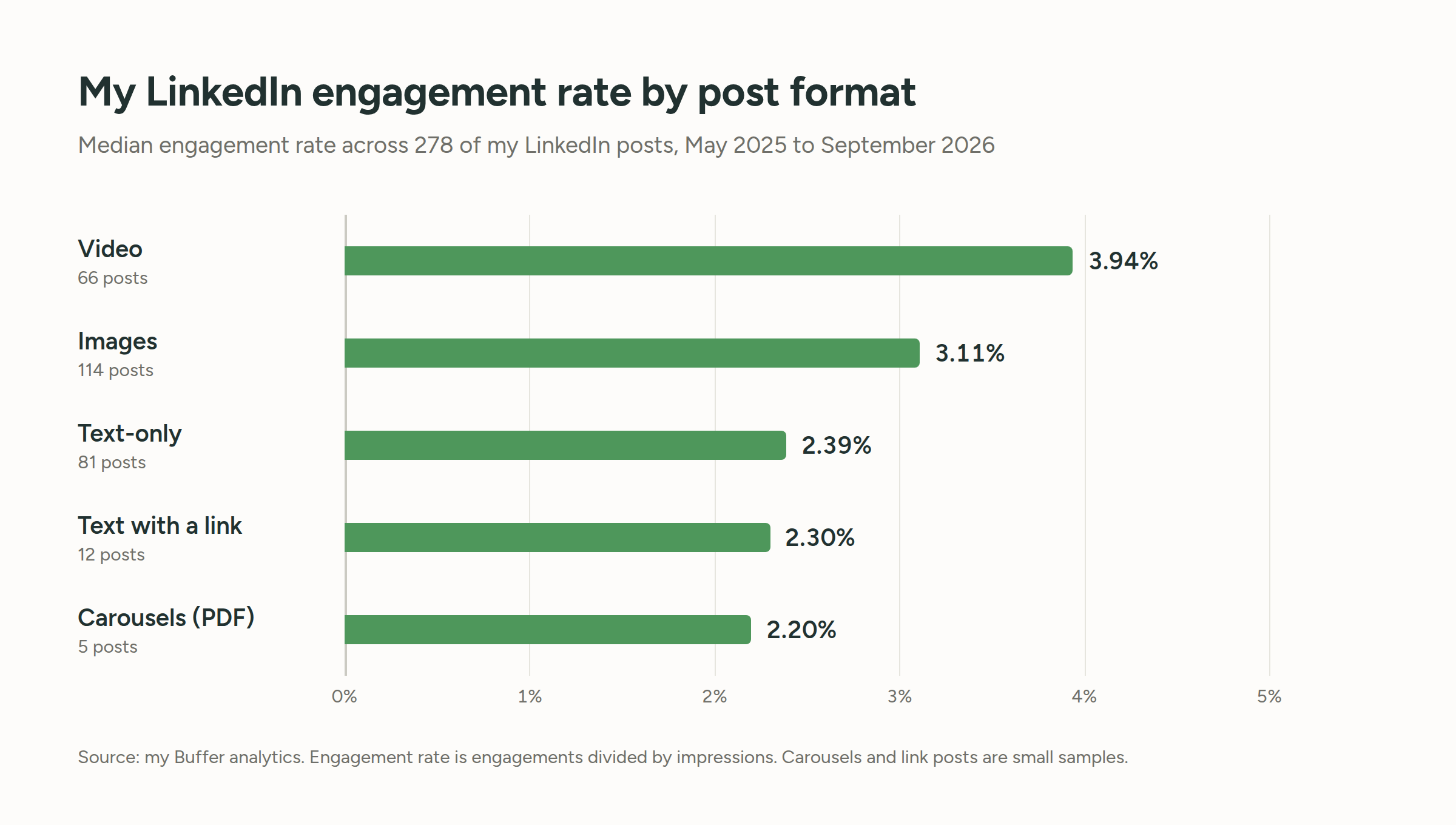
Content format also plays a measurable role in engagement. Data from 2026 indicates that document-based carousels lead with a 21.77% median engagement rate, followed by video at 7.35% and images at 6.52%. Text-only posts and link-based posts generally see lower engagement. Furthermore, the practice of "zero-click" content—providing full value within the post without requiring a redirect to an external site—is increasingly favored by the platform, as it keeps users within the LinkedIn environment.
The Role of Engagement and Collaboration
Interaction serves as a force multiplier for visibility. Research into nearly 2 million posts confirms that replying to comments increases a post’s engagement rate by approximately 30%. Furthermore, active participation in the comment sections of industry leaders exposes an account to a broader, pre-qualified audience.
Collaborative features, introduced in mid-2026, allow for co-authored posts. This functionality enables multiple users or company pages to be credited on a single post, effectively merging audiences and providing a significant boost in reach. This is particularly advantageous for company pages seeking to borrow the credibility and reach of their employees’ personal profiles.
Institutional Strategy: The Company Page Dilemma
For organizations, the landscape is increasingly challenging. Organic reach for company pages declined by 60% to 66% between 2024 and 2026. As a result, successful page growth is now intrinsically linked to employee advocacy. Data reveals that personal profiles consistently generate 63% higher engagement than company pages.
To counter this, organizations are adopting "Team of Creators" models, where employees are encouraged to share industry insights and organizational updates from their personal accounts. This decentralization of content creation ensures that the company remains visible in AI search results and personal feeds, where the algorithm prioritizes human-authored content over corporate messaging.
Long-term Sustainability and Data Tracking
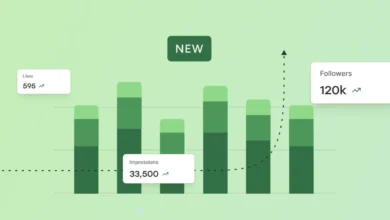
The trajectory of growth on LinkedIn is rarely linear. Successful creators often point to the importance of consistent scheduling over intensive "golden hour" tactics. Weekly analysis of analytics—focusing on impression counts, follower growth, and engagement rates—allows users to pivot their strategy based on empirical evidence rather than speculation.
Ultimately, the platform rewards those who view it as a long-term professional networking tool rather than a short-term marketing channel. By prioritizing consistent quality, fostering meaningful two-way conversations, and adapting to the platform’s focus on user retention, professionals can build a resilient audience. As the digital landscape continues to favor authentic, high-value interactions, the emphasis on deep, domain-specific expertise will remain the most reliable path to sustained influence on LinkedIn.