Buffer vs RecurPost: A Comprehensive Comparison of Social Media Management Solutions for Creators and Agencies

Modern digital marketing has evolved into a complex landscape where the efficiency of content distribution is just as critical as the quality of the content itself. For creators, influencers, and marketing agencies, the choice of a social media management platform acts as the operational backbone for their online presence. As businesses pivot between short-form video, static imagery, and long-form text, the market has segmented into tools optimized for specific workflows. Two prominent contenders in this space, Buffer and RecurPost, offer distinct philosophies: Buffer emphasizes streamlined, team-oriented publishing and analytics, while RecurPost centers its value proposition on evergreen content recycling and automated engagement.

The divergence in these two platforms reflects a broader shift in how social media is managed. While Buffer has long been the industry standard for intuitive, user-friendly scheduling, RecurPost has carved out a niche for power users who rely on library-based automation to maintain a constant social media cadence without the need for daily manual input.
Strategic Foundations and Market Positioning
Buffer, which originated as a simple scheduling tool in 2010, has matured into a comprehensive management suite that prioritizes accessibility and user experience. Its core design philosophy rests on a "no learning curve" approach, allowing solo creators to jump from an idea to a published post in minutes. This is bolstered by a robust free tier—a rarity in the current software-as-a-service (SaaS) landscape—which provides users with three social channels, basic analytics, and the company’s proprietary AI Assistant without requiring credit card details.

RecurPost, conversely, appeals to a different strategic need. It was built with the premise that social media content should be "evergreen"—meaning it remains relevant long after the initial posting date. By utilizing libraries that auto-loop content, RecurPost allows users to maintain a persistent online presence with minimal ongoing effort. This makes it a favored tool for agencies managing high-volume accounts that require constant, automated engagement cycles.
Comparative Cost Structures and Scalability
The financial model of each platform presents different implications for business owners and agency heads. Buffer employs a "per-channel" pricing structure. This model is highly scalable; as a business grows and adds more social channels, the cost increases linearly, but often with volume discounts. Notably, Buffer’s "Team" plan includes unlimited users, which significantly lowers the cost of scaling a department. A firm with 10 employees using 35 channels would pay a predictable, flat monthly fee, allowing for clear budget forecasting.

RecurPost utilizes a more complex, modular pricing architecture. While its base plans start at a competitive price point, scaling requires navigating a series of add-ons. Users can add accounts at $4 per profile and additional user seats at $20 per month. This "a la carte" approach can be more economical for smaller teams with a limited number of channels, but costs can accelerate rapidly for large-scale operations requiring premium features like Meta Ads Manager integration, boosted posts, and high-frequency AI generation.
Scheduling and Workflow Management
The workflow experience inside these platforms highlights their distinct intended audiences. Buffer’s "Create" space functions as a collaborative project management board. It allows teams to brainstorm, draft, and refine ideas before they reach the publishing queue. This feature is particularly vital for agencies where content must pass through a formal approval process. Because Buffer’s approval workflow is enforced per user and covers all content types, it provides a high degree of brand safety and operational control.
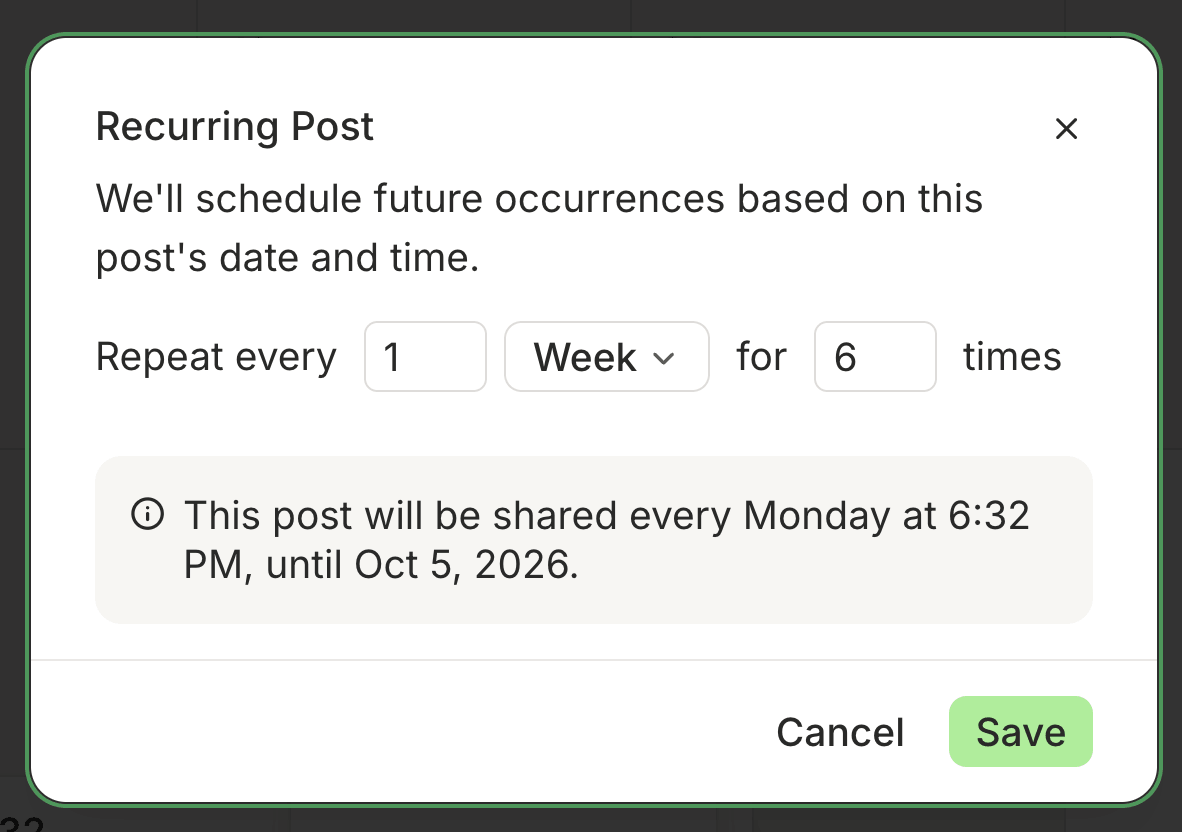
RecurPost’s scheduling, meanwhile, is designed for the "set-it-and-forget-it" crowd. Its library system is the engine of the platform. Users categorize content into specific libraries—such as "Industry News," "Testimonials," or "Product Updates"—and assign those libraries to specific time slots. The platform automatically cycles through these posts. While this is highly efficient for evergreen content, it lacks the intuitive, collaborative brainstorming boards found in Buffer. For teams that rely on unique, timely posts rather than recycled content, RecurPost’s library-centric UI can feel overly complex.
Engagement, Analytics, and AI Integration
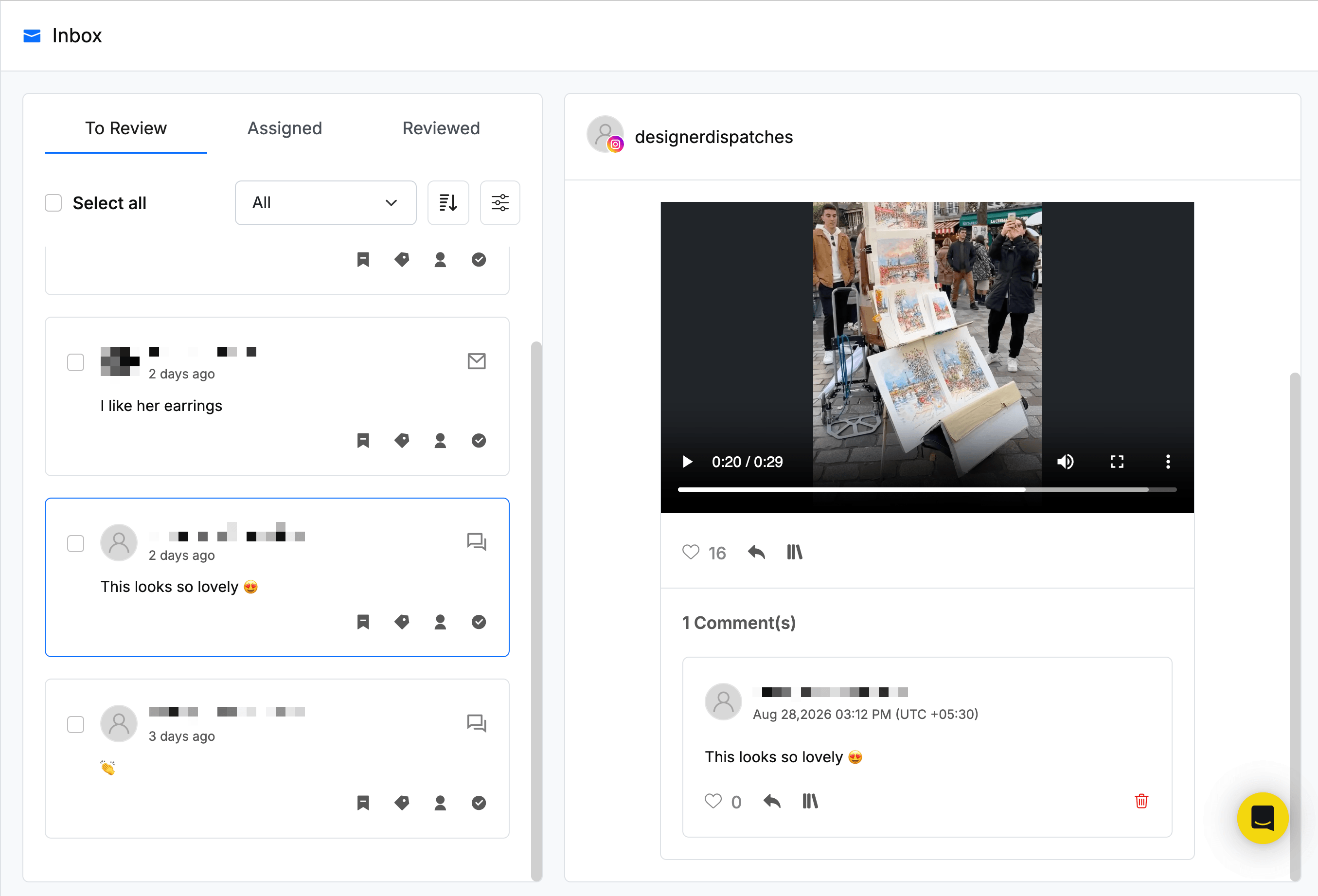
The "Community" inbox remains a critical battleground for social media tools. Buffer offers a broad, cross-platform approach, covering 10 major networks including Facebook, LinkedIn, Instagram, X (formerly Twitter), Threads, Bluesky, TikTok, YouTube, and Mastodon. By integrating AI reply suggestions, Buffer enables teams to handle high volumes of comments consistently. Its "Comment Score" metric provides managers with a quantitative view of team responsiveness, a key KPI for customer-facing brands.

RecurPost’s inbox is more limited in terms of platform variety—covering four primary networks—but it offers a deeper feature set for Instagram. Its Instagram DM automation, which allows for keyword-triggered responses, is a sophisticated tool for lead generation. However, the absence of saved replies for platforms outside of Instagram creates a potential bottleneck for larger teams, as staff must manually draft responses, increasing the risk of inconsistent brand messaging.
In terms of analytics, the divide is clear. Buffer’s Insights dashboard is built for actionable speed. It allows users to filter data by tags, which is an excellent way to track the performance of specific content campaigns. The AI-powered takeaways provide quick, data-driven suggestions for improvement. RecurPost, however, offers a much more granular reporting suite. For agencies that need to provide white-labeled, branded PDF reports to clients, RecurPost provides a level of detail—including demographic breakdowns and specific visualization types—that is highly sought after in professional service environments.

Technical Infrastructure and Developer Ecosystem
A significant differentiator for Buffer is its commitment to an open developer ecosystem. By offering an API on all plans, including the Free tier, Buffer has cultivated a community of developers who build custom automations. The integration of Message Content Protocol (MCP) allows Buffer to function within environments like Claude, ChatGPT, and Cursor. This is a substantial advantage for technical users who wish to build bespoke workflows, such as automatically turning Slack discussions into social media posts.
RecurPost maintains a functional API, but it lacks the documentation, community support, and dedicated developer advocacy that Buffer provides. For a non-technical user or a small business owner, this may be irrelevant. However, for agencies looking to build proprietary tools or integrate social media data into larger business intelligence systems, Buffer’s ecosystem is a massive, tangible asset.
The Verdict: Choosing the Right Tool
The decision between Buffer and RecurPost should be driven by the specific operational needs of the organization:
- For Solo Creators and Startups: Buffer is the superior entry point. Its Free plan is robust, and the ability to manage three channels without cost provides a low-risk environment to build an audience.
- For Agencies and Growing Teams: Buffer is generally more cost-effective due to its unlimited user seats and enforced approval workflows. It provides the necessary oversight to ensure that multiple team members, or even clients, can collaborate safely.
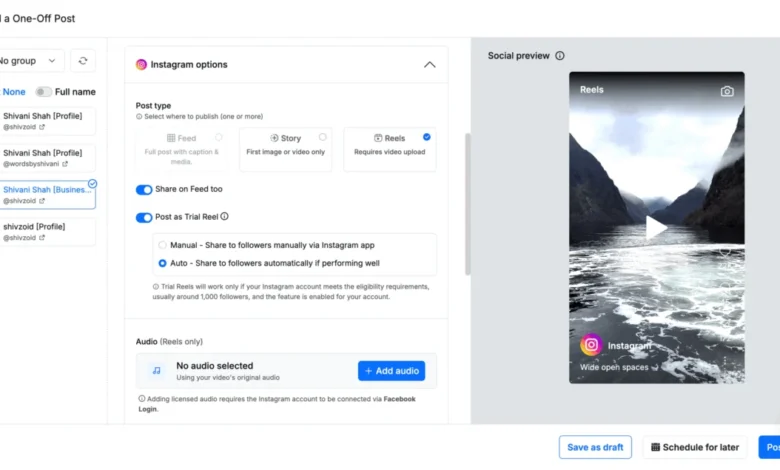
- For Video-First Creators: RecurPost holds the advantage. Its specialized toolkit for Instagram Reels, TikTok-specific settings, and full YouTube video management make it a powerhouse for creators who prioritize visual media.
- For Evergreen Content Strategies: If the core strategy involves recycling high-performing content to maximize reach, RecurPost’s library-based automation is the most efficient solution on the market.
Ultimately, both tools represent mature, capable platforms. While Buffer provides a safer, more collaborative, and developer-friendly environment, RecurPost offers specialized automation and deep analytics for users who have moved past the initial growth phase and are focusing on long-term, high-frequency evergreen distribution. Given that both platforms offer trial periods—or in Buffer’s case, a permanent free tier—the most practical approach remains a hands-on trial to determine which interface aligns best with the existing rhythm of the content team.
Related posts: