A Serendipitous Connection: How a Personal Project Sparked a Public Integration Between Buffer and TRMNL


A few weeks ago, an email landed in the personal inbox of Andy Yates, an engineer at Buffer. The sender was the team behind TRMNL, a company renowned for its minimalist e-ink displays and a vibrant ecosystem of user-developed plugins. TRMNL’s mission includes identifying exceptional community-built plugins, and they had stumbled upon a private creation named "Buffer." Intrigued, they reached out to Yates, inquiring if he would be amenable to releasing his plugin for public access. Unbeknownst to the TRMNL team, Yates was not merely an enthusiastic user of their platform, but an integral part of the Buffer organization itself. This remarkable coincidence occurred just a week before Buffer was slated to launch its public API, setting the stage for an unexpected yet powerful demonstration of open API potential. This narrative, centered around a plugin that began as a personal hack and evolved into a publicly available integration, exemplifies the innovation that can arise when platforms empower their users with open access to their data and functionalities.
The Genesis of an Ambient Display: From Personal Curiosity to Public Utility
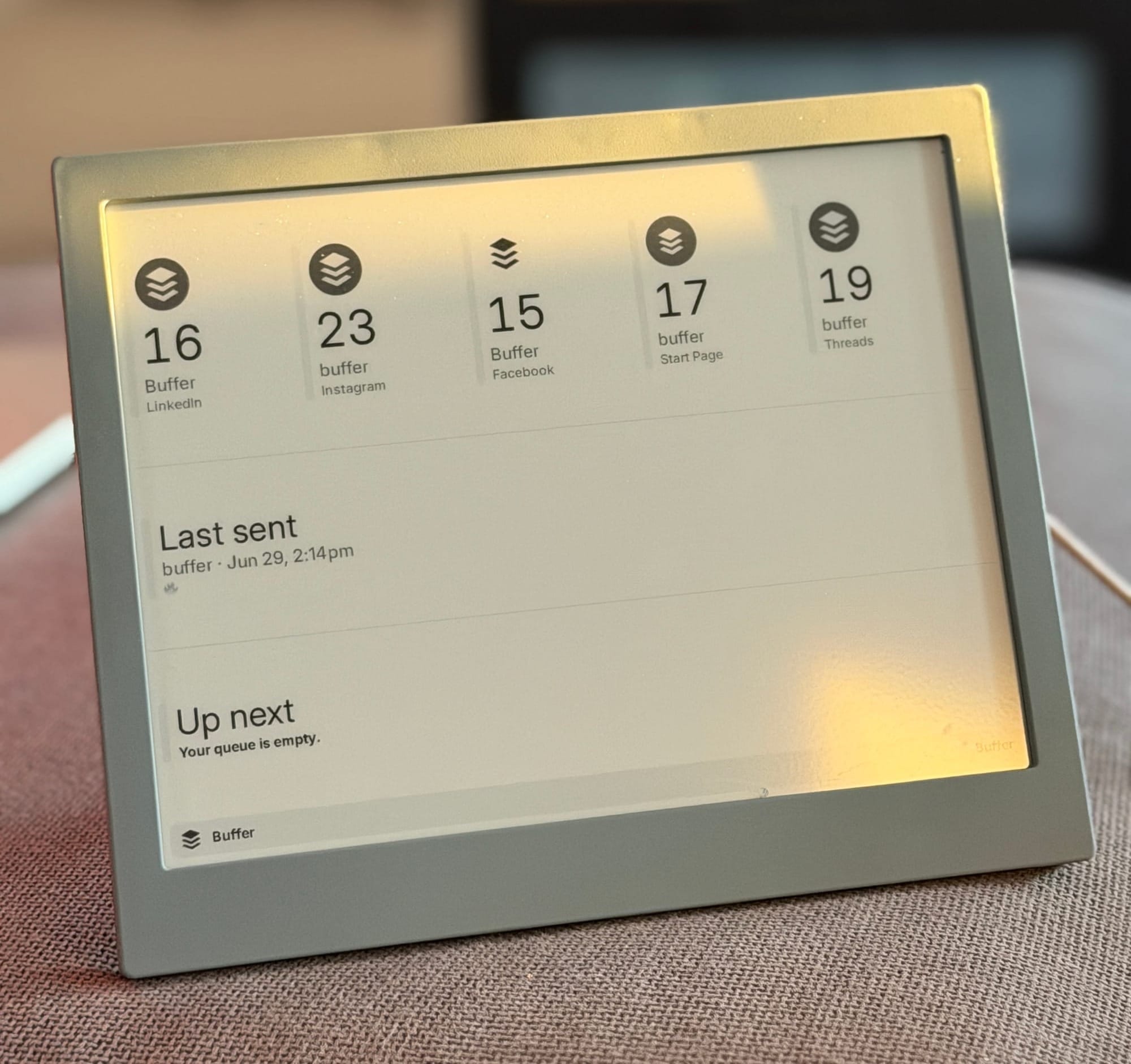
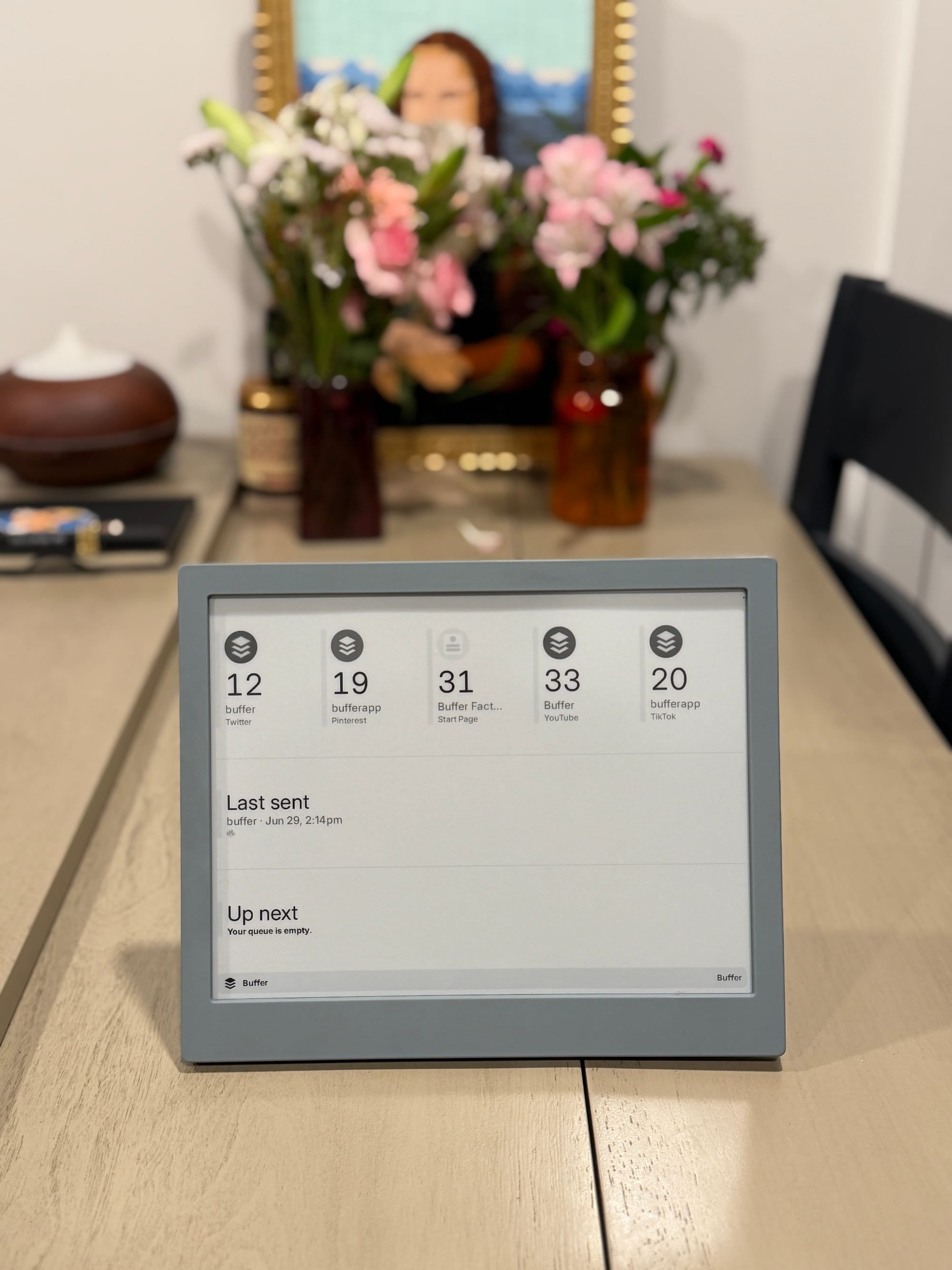
The story of the TRMNL "Buffer" plugin is rooted in Andy Yates’ personal exploration of the TRMNL e-ink display. Having recently acquired one of the devices, Yates was engaged in building custom plugins, a common practice within the TRMNL community. His curiosity led him to wonder how his Buffer content schedule would appear on the minimalist e-ink screen. The TRMNL philosophy centers on providing users with a calm, unobtrusive display of essential information, eschewing the constant demands of traditional screens. Users leverage TRMNL for a diverse range of applications, including calendars, weather updates, to-do lists, and an ever-expanding library of community-developed plugins. Yates’ personal plugin aimed to visualize his Buffer queue, showcasing the number of scheduled posts and highlighting recently published or upcoming content, all automatically updated. What began as a private endeavor has now transitioned into an officially recognized and accessible plugin, allowing any TRMNL user to connect their Buffer account and enjoy this ambient display of their content pipeline.
This integration represents a significant shift in how users might interact with their social media scheduling tools. Traditionally, managing content queues involves actively opening a platform like Buffer, checking the schedule, and potentially identifying gaps or areas for improvement. This deliberate act can sometimes lead to procrastination or missed opportunities, such as overlooking the need to schedule content for a particular day. The TRMNL plugin, however, flips this paradigm. By presenting the information passively and continuously, it offers a gentle, ambient reminder of the content calendar. For users striving for consistent posting schedules, this unobtrusive visibility can be invaluable. Furthermore, the physical manifestation of the content queue on a desk offers a tangible connection to the digital work, transforming abstract data into a visual presence that can be more engaging and perhaps even more motivating than a row of text in a digital dashboard.
Technical Underpinnings and Collaborative Development
A key aspect of the TRMNL "Buffer" plugin’s success lies in its technical architecture, which is entirely hosted on TRMNL’s platform. This approach eliminates the need for Andy Yates, or any user, to manage their own server infrastructure, simplifying deployment and ongoing maintenance. The plugin connects securely to Buffer’s services through OAuth with PKCE (Proof Key for Code Exchange), a modern and robust authentication protocol that enhances security by avoiding the direct exposure of API keys. This method ensures that user credentials remain protected throughout the authorization process.
The journey of the plugin from a private project to a public offering was also marked by significant collaborative effort. Ikraam, a member of the TRMNL team, worked closely with Andy Yates to refine the plugin. This collaboration resulted in the addition of new features and a streamlined setup process, making it more user-friendly than the initial version. This hands-on support from TRMNL is a testament to their commitment to fostering a thriving plugin ecosystem. Such dedicated assistance not only improves individual plugins but also provides a valuable resource for developers within the community, accelerating innovation and adoption.
Furthermore, the Buffer connector, integrated with Buffer’s newly launched public API, has been contributed to TRMNL’s public providers repository. This initiative is a cornerstone of the "build once, reuse often" philosophy. By making this connector publicly available, TRMNL and Buffer are empowering any developer interested in building their own Buffer-related plugins on the TRMNL platform. This shared component significantly reduces the development barrier, allowing creators to focus on unique features and user experiences rather than reinventing foundational integration logic. This open-source approach to API integration has the potential to catalyze a wave of new applications and tools that leverage Buffer’s capabilities.
The Broader Implications of Open APIs and Community Innovation
The successful integration of the "Buffer" plugin on TRMNL is more than just a novel application; it represents a broader trend in the technology landscape: the power of open APIs to unlock innovation and foster community-driven development. Buffer’s decision to make its public API generally available aligns with a growing understanding among technology companies that opening up their platforms can lead to unforeseen benefits. By providing developers with access to their data and functionalities, companies can tap into a global pool of creativity, leading to the development of tools and services that they might not have conceived of internally.
The "Buffer" plugin is a prime example of this. A product developed initially for personal use by an employee of the company whose service it integrates with, it highlights how internal expertise, combined with external platform capabilities, can lead to mutually beneficial outcomes. The fact that TRMNL discovered this private plugin and facilitated its public release underscores the importance of cross-company collaboration and community engagement.
From a business perspective, the implications of such integrations are multifaceted. For Buffer, it expands the reach and utility of its platform by enabling it to be integrated into new contexts and workflows. The TRMNL display offers a unique way for users to stay connected to their social media strategy without the constant distraction of digital interfaces. For TRMNL, it adds a valuable and popular integration to their ecosystem, attracting new users and further solidifying their position as a platform for ambient information. For the end-user, it provides enhanced functionality and a more integrated experience across their digital tools.
The "build once, reuse" model, as implemented with the shared Buffer connector, has significant economic and efficiency implications. It reduces redundant development efforts, allowing for faster iteration and deployment of new applications. This collaborative approach can accelerate the pace of innovation across entire industries. As more companies adopt open API strategies, we can anticipate a future where digital tools are more interconnected, customizable, and adaptable to individual and organizational needs. This decentralization of development can lead to a more diverse and robust technological landscape, where specialized tools cater to niche requirements, and complex workflows are seamlessly integrated.
A Limited-Time Opportunity: The Buffer x TRMNL Giveaway
To celebrate the launch of the Buffer API and the public release of the TRMNL "Buffer" plugin, Buffer and TRMNL are co-hosting a giveaway. This promotional event, running from July 13th to July 20th, offers participants the chance to win one of four TRMNL devices, accompanied by Buffer merchandise bundles. The giveaway aims to generate excitement around both products and encourage wider adoption of the integration.
Entry into the giveaway requires participants to follow specific steps outlined on Buffer’s LinkedIn page. Winners will be announced on July 27th. For those who participate and do not win, TRMNL is providing a consolation offer. A discount code, "bufferxtrmnl," will be available from July 27th through September 7th, offering $10 off any TRMNL device. This initiative not only promotes the integration but also provides a tangible incentive for interested users to explore TRMNL’s offerings. The full terms and conditions of the giveaway and discount offer are accessible via links provided in the relevant social media posts.
This collaborative marketing effort underscores the synergistic relationship between Buffer and TRMNL. By combining their promotional efforts, they can reach a broader audience and highlight the unique value proposition of their integrated offering. Such partnerships are becoming increasingly common as companies recognize the benefits of cross-promotion and shared audience engagement. The giveaway serves as a catalyst for discovery, introducing new users to both platforms and demonstrating the tangible benefits of their collaboration.
Conclusion: A Glimpse into the Future of Integrated Digital Experiences
The story of the TRMNL "Buffer" plugin is a compelling narrative of serendipity, collaboration, and the transformative power of open APIs. It illustrates how a personal project, nurtured within a supportive developer community and empowered by a company’s commitment to openness, can evolve into a valuable public integration. The ambient display of the Buffer queue on a TRMNL e-ink screen offers a novel way to manage social media content, promoting consistency and providing a more integrated, less intrusive user experience.
As Buffer’s public API continues to gain traction, it is likely that we will see more innovative applications emerge, mirroring the success of the TRMNL integration. The trend towards open platforms and community-driven development is not merely a passing fad; it represents a fundamental shift in how digital products are created, distributed, and experienced. The collaboration between Buffer and TRMNL serves as a potent reminder that by embracing openness and fostering developer ecosystems, companies can unlock new possibilities, drive innovation, and ultimately deliver greater value to their users. The future of digital experiences is increasingly about seamless integration and intelligent connections, and this particular plugin is a small, yet significant, testament to that evolving landscape.
Related posts: