Social Media Evolving into Primary Holiday Shopping Destination Amid Economic Pressures and Shifting Consumer Habits

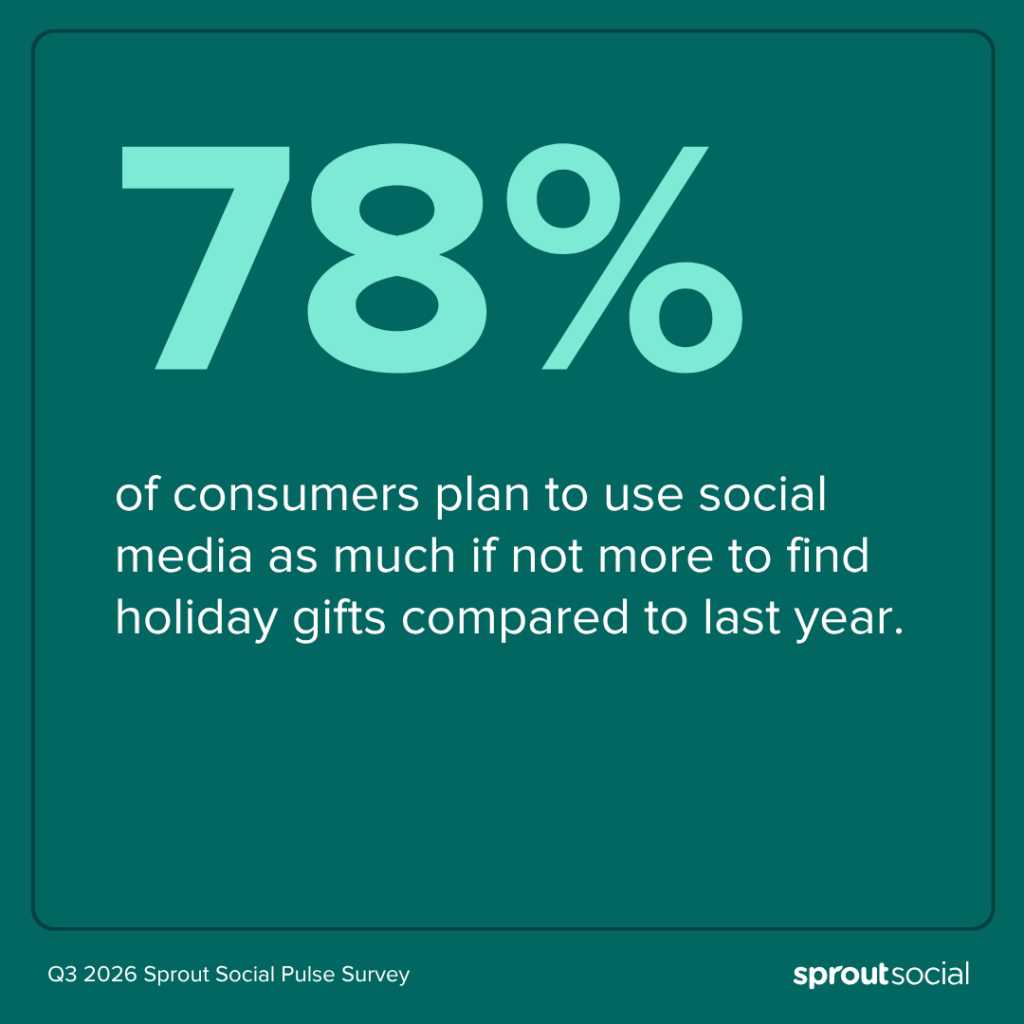
The modern holiday shopping season no longer begins exclusively on Black Friday or within the brick-and-mortar aisles of traditional department stores. Instead, it starts quietly on smartphone screens, months before the first winter frost. According to recent comprehensive data from the Q3 2026 Sprout Social Pulse Survey—which surveyed over 2,200 consumers across the United States, the United Kingdom, and Australia—social media has firmly cemented itself as a dominant force in holiday retail. More than three-quarters (78%) of consumers intend to utilize social media platforms as much as, or more than, they did last year to unearth gifts, compare prices, and finalize their holiday shopping lists.
This behavioral shift reflects a fundamental transformation in retail psychology. Social media is no longer merely a top-of-funnel brand awareness tool; it has evolved into a fully realized, end-to-end commercial ecosystem. Consumers now treat platforms like TikTok, Instagram, and Facebook as cohesive digital marketplaces where they can seamlessly discover products, view authentic peer reviews, secure promotional discounts, and complete direct transactions without ever opening a traditional web browser. As brands prepare for the critical fourth-quarter sales window, understanding these emerging patterns is no longer optional—it is a baseline requirement for market survival.

Economic Pressures and Tariff Concerns Redefine Early-Bird Buying Behavior
The macroeconomic landscape heading into the holiday season is markedly different from previous years. Persistent economic uncertainty, coupled with consumer anxieties surrounding potential tariff-induced price hikes, is fundamentally altering household budgeting strategies. Data indicates that 69% of shoppers harbor direct concerns about rising retail costs driven by tariffs, while 56% plan to intentionally reduce their overall holiday spending compared to previous years.
These financial pressures have triggered a defensive counter-strategy among shoppers: early acquisition. Approximately 36% of consumers report that they intend to start their holiday purchasing earlier than usual to circumvent anticipated future price increases. This proactive buying behavior directly impacts retail forecasting, forcing brands to abandon traditional calendar models that reserve holiday marketing exclusively for late November and December.
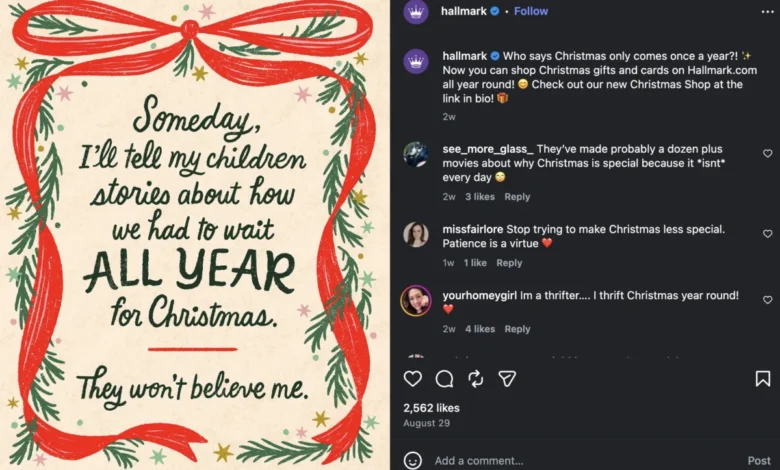
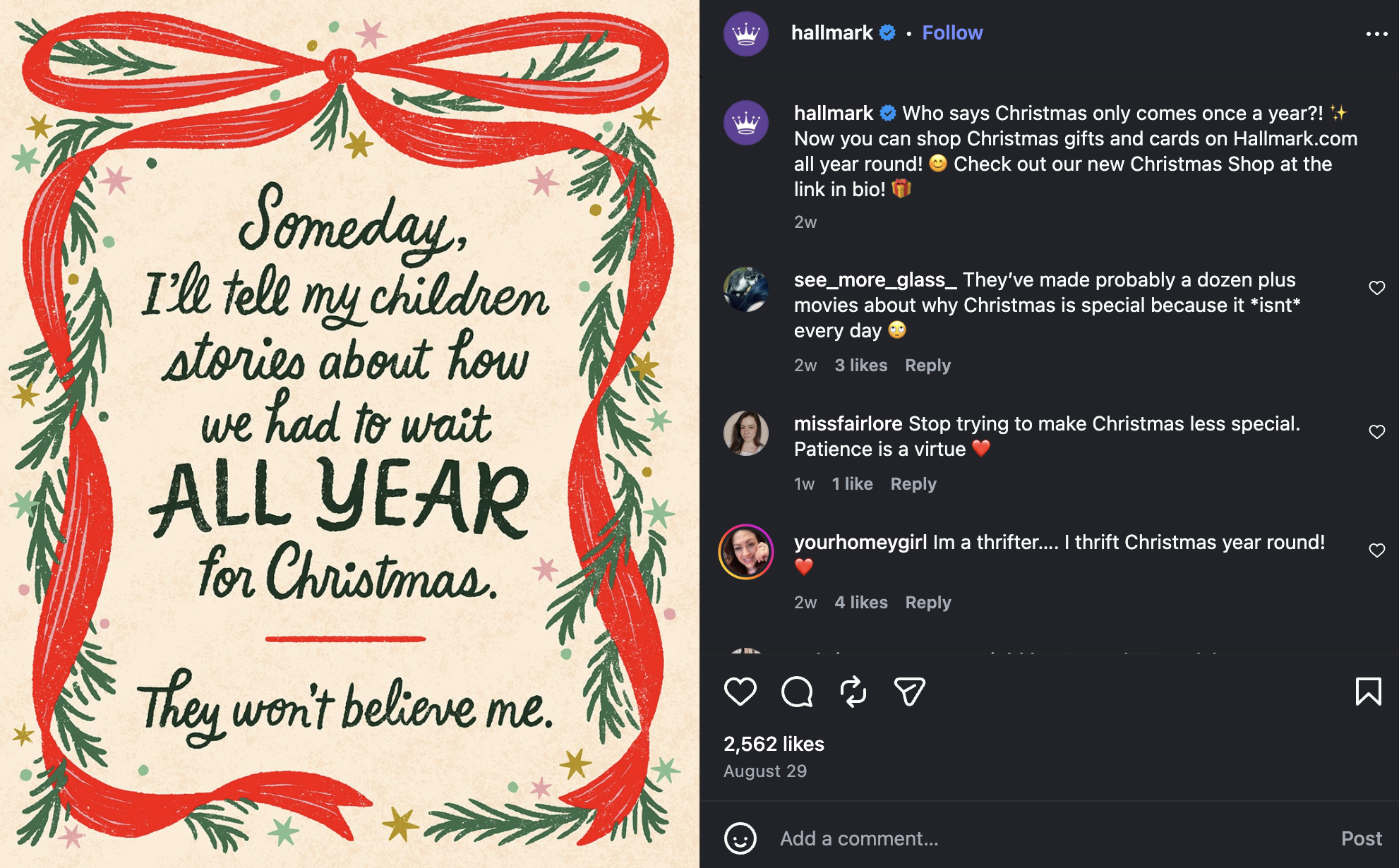
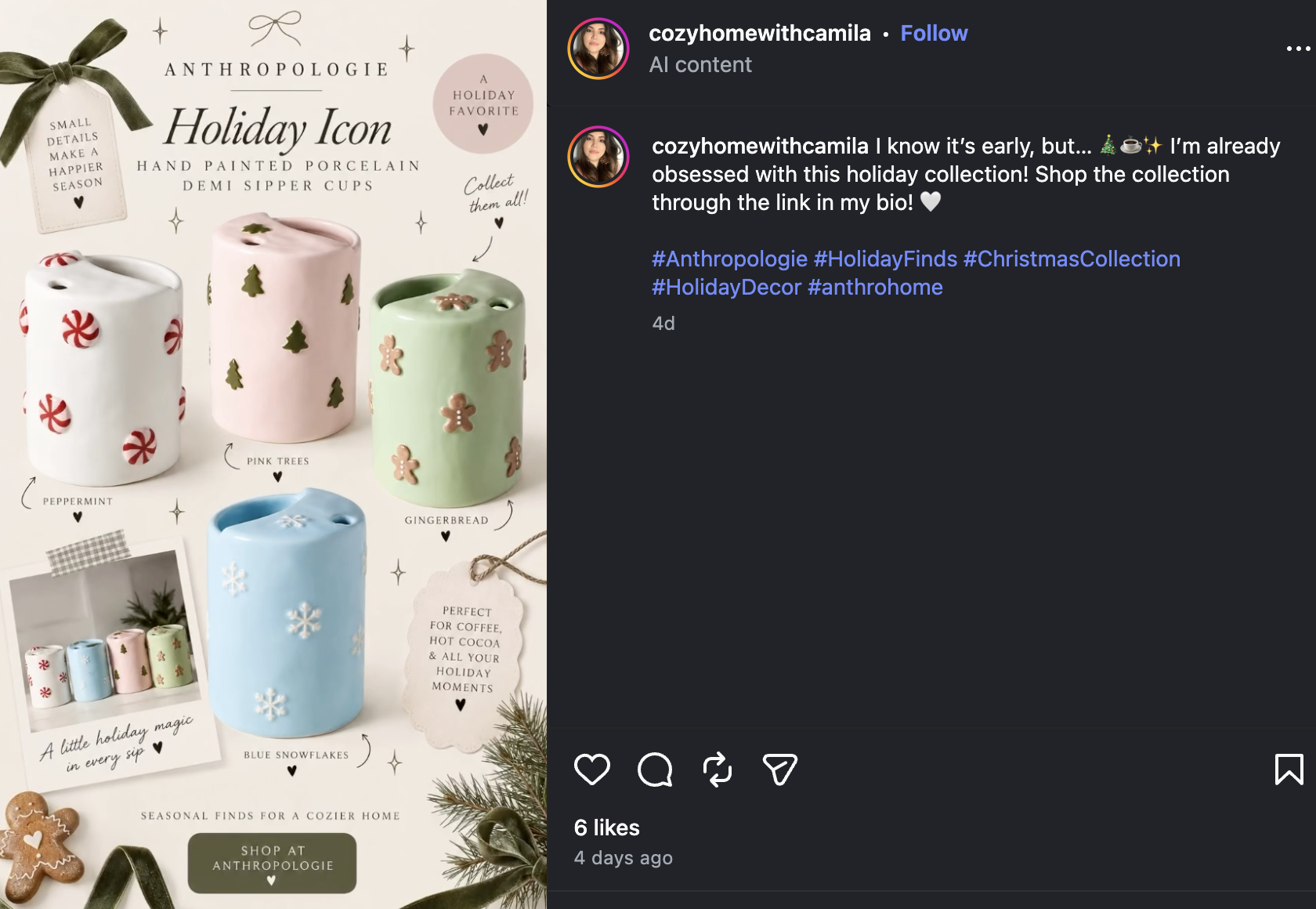
Interestingly, this economic urgency exists in tension with consumer preferences regarding campaign timing. Market research shows that while brands have increasingly initiated holiday campaigns earlier—with activations stretching into late summer months like August, mirroring early pumpkin spice launches and digital preview sales—consumers express a distinct preference for traditional timing. Exactly half (50%) of surveyed individuals believe brands should launch holiday advertising campaigns in October, a notable shift from 2025 preferences which favored August and September rollouts.
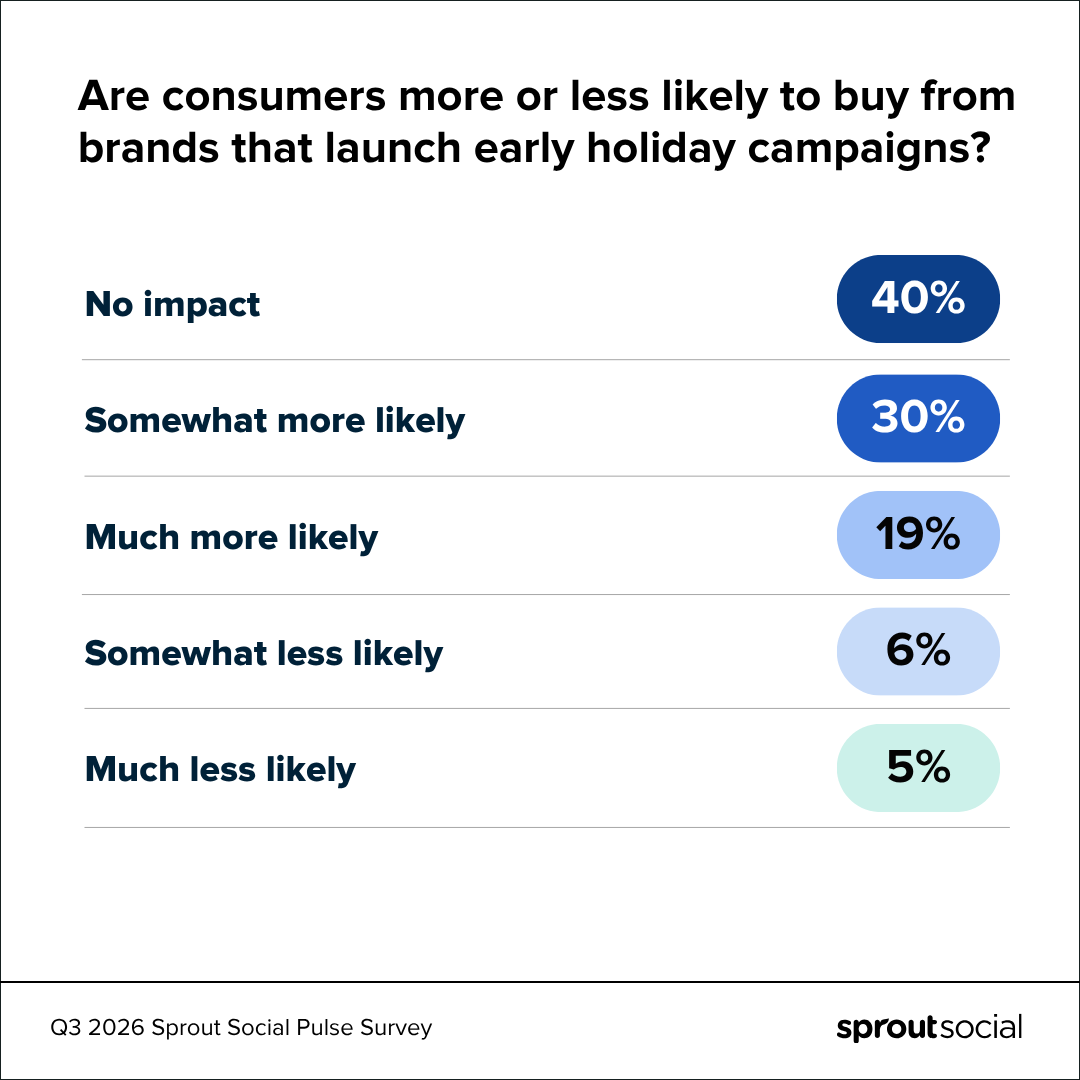
However, brand strategists will note a critical divergence between stated preferences and actual purchasing mechanics. When polled, 40% of consumers stated that early campaigns launching as August have zero net impact on their purchasing decisions, while nearly 50% reported being somewhat or much more likely to patronize brands that initiate holiday advertising as early as August. Consequently, industry analysts emphasize that campaign timing is secondary; the efficacy of a holiday campaign relies almost entirely on the intrinsic value and resonance of the creative content itself, rather than the calendar date on which it is published.
The Hierarchy of Purchase Motivators: Value, Transparency, and Originality
With household budgets constrained by economic headwinds, brands must strategically deploy specific incentives to capture consumer capital. The data reveals a clear hierarchy of what drives conversion during times of economic hesitation.
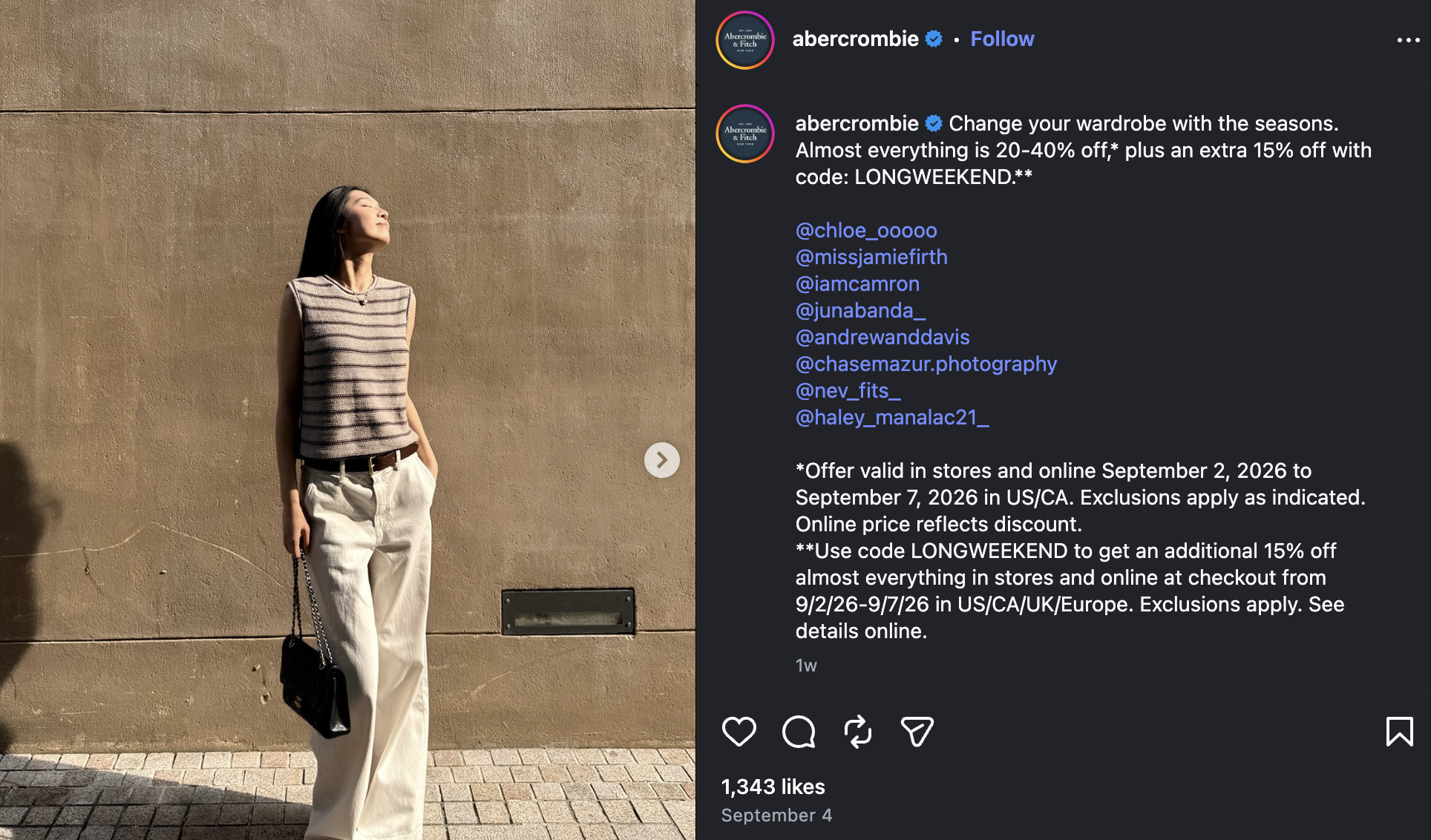
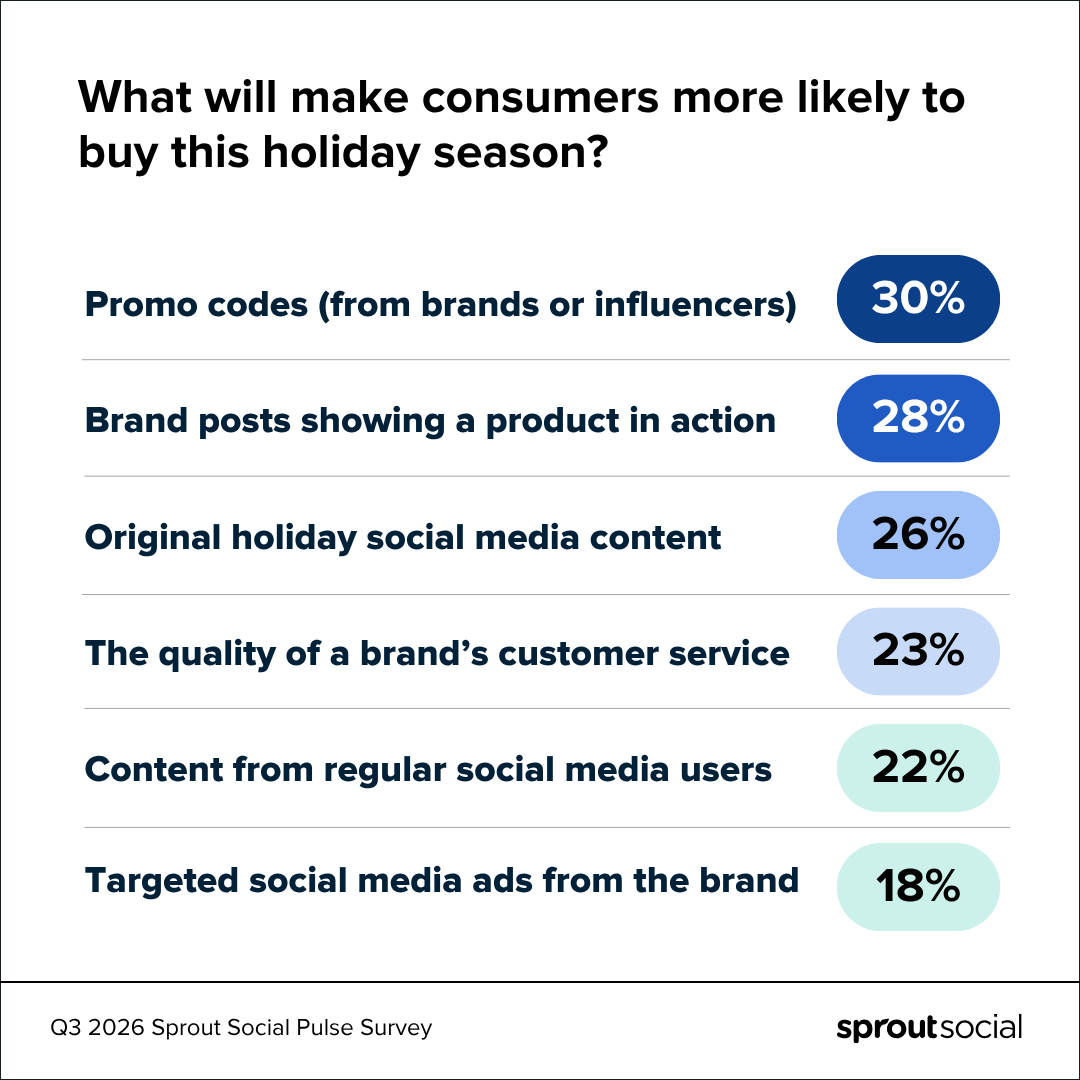
Promo codes have emerged as the single most effective conversion catalyst. Thirty percent of consumers state that an active promotional code—whether issued directly by the brand or distributed via influencer marketing partnerships—is necessary to persuade them to complete a purchase. This statistic underscores the intense price sensitivity defining the current retail environment. Brands must ensure that their discount strategies are clearly visible across all digital touchpoints.
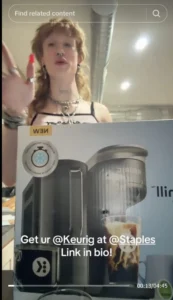
Beyond direct financial incentives, modern shoppers demand visual transparency and creative engagement. Twenty-eight percent of consumers report that they are more likely to buy when brands demonstrate their products in action, stripping away polished corporate artifice in favor of practical utility. Furthermore, 23% are swayed by original, holiday-specific content that cuts through seasonal digital noise. This represents a distinct evolution from the prior year, where user-generated content and baseline customer service responses held the highest conversion weight.
Influencer partnerships represent the most efficient vehicle to satisfy these multi-layered consumer demands. By collaborating with trusted creators who can simultaneously provide promo codes, demonstrate functional product utility, and deliver highly localized holiday storytelling, brands can effectively address the primary psychological and financial barriers inhibiting modern buyers.
Social Search and the Death of the Traditional Funnel
The normalization of social media as a primary search engine has profoundly accelerated its role in holiday retail. Building upon broader trends where consumers bypass traditional search engines in favor of visual, peer-driven platforms for experiential recommendations, social media now rivals physical brick-and-mortar storefronts in holiday gift discovery.
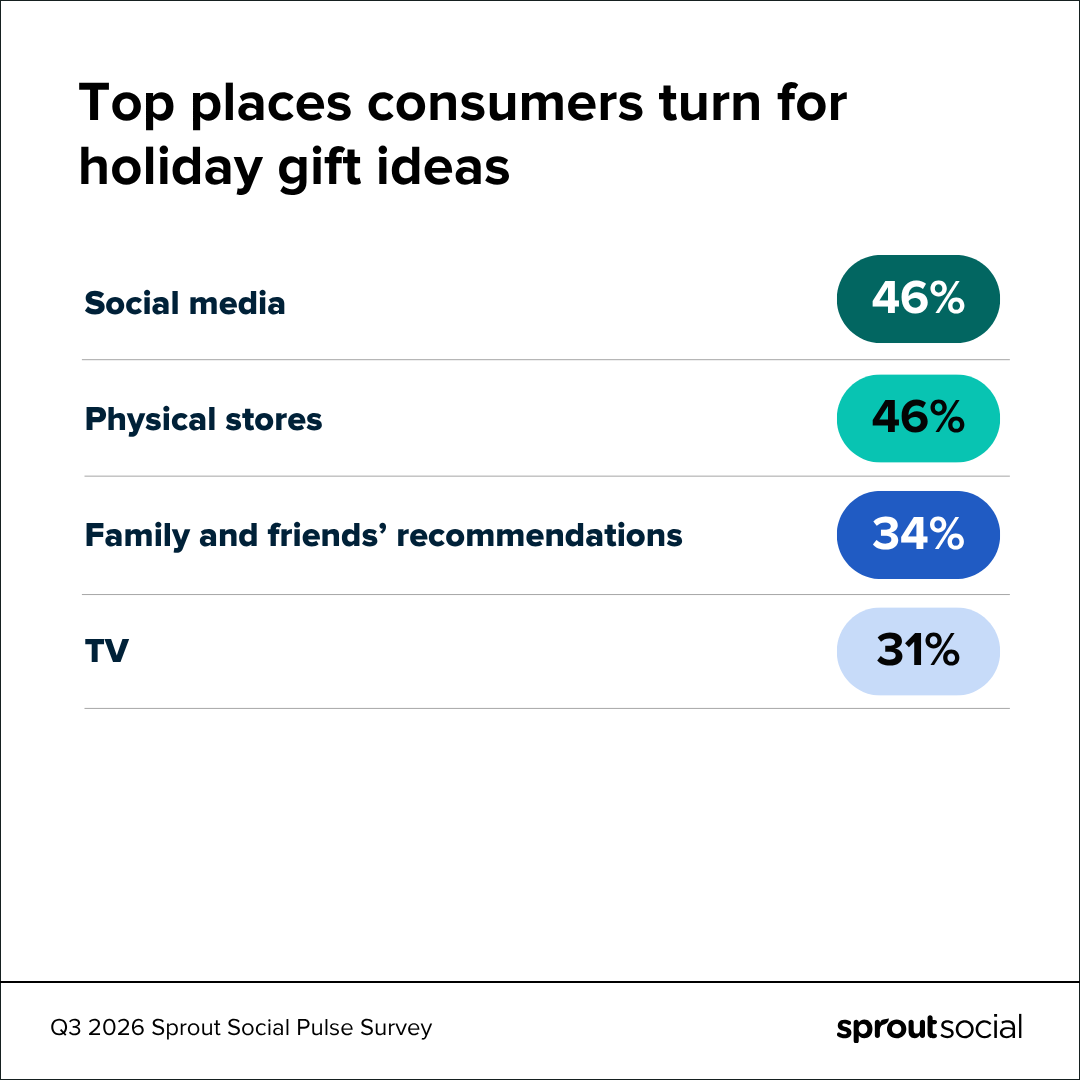
Statistically, social media shares the number one spot for holiday gift discovery in 2026, with 46% of consumers turning to platforms like Instagram and TikTok for inspiration—tying dead-even with traditional physical retail locations. Among younger demographics, the shift is even more pronounced: social media reigns as the absolute top discovery channel for Gen Z and Millennials, with at least half of these cohorts relying entirely on social feeds to curate their gift ideas.
Crucially, discovery is rapidly converting into immediate checkout. More than half of all consumers express openness to purchasing goods directly within a social media application. Integrated native shopping infrastructures—such as TikTok Shop, Instagram Checkout, and Facebook Shops—have streamlined the path to purchase, minimizing friction and capitalizing on impulse-driven, highly visual product placements.
The Customer Service Crucible: Speed, AI, and Public Accountability
As transaction volumes surge across social channels, customer service operations face unprecedented pressure. The Sprout Social Pulse Survey highlights that 86% of users plan to utilize social media as much as, or more than, they did previously to resolve customer service inquiries during the holidays.
Consumer preference heavily favors direct messaging channels, with 55% of shoppers choosing DMs to interface with brands. However, a significant and growing segment—nearly one-third (31%) of consumers—now routinely route their service requests and complaints directly into public comment sections. This migration to public forums radically amplifies the stakes for brand reputation management.
Platform preferences for customer service span multiple networks, led by TikTok (50%), Facebook (46%), and Instagram (44%), with secondary volume originating on platforms like X (28%) and WhatsApp (17%). In this high-velocity environment, speed is paramount: 70% of consumers expect a comprehensive response from a brand within a single day of reaching out. Furthermore, 89% state that response time directly dictates their overall perception of brand quality and trustworthiness.
To manage the staggering seasonal influx of inquiries without sacrificing response velocity, an increasing number of enterprises are integrating artificial intelligence into their customer support workflows. AI tools are increasingly deployed behind the scenes to triage incoming messages, categorize sentiment, and draft initial triage responses. Consumer sentiment toward this automation is surprisingly receptive: 70% of shoppers express comfort with brands offloading routine service tasks to AI, a figure that climbs to 77% among Gen Z respondents.
Industry analysts caution, however, that technological efficiency must not entirely eclipse human oversight. Because public comment sections expose service failures to an immediate audience, maintaining a hybrid model—where AI expedites backend logistics while human agents handle direct customer communication—is essential to preserving personalization and brand equity.
Strategic Imperatives for the Upcoming Retail Year
The structural shifts observed in the 2026 holiday shopping data paint a clear portrait of a market defined by economic pragmatism, digital-first discovery, and heightened consumer expectations. Tariffs and inflation may have reduced overall spending capacities and accelerated purchasing timelines, but they have simultaneously clarified the operational requirements for retail success.
Brands that successfully navigate this landscape are those that treat social media as an all-encompassing operational hub—balancing early, value-driven promotional campaigns with authentic influencer content, frictionless native checkout experiences, and agile, responsive customer care frameworks. By aligning digital strategies with these empirical consumer realities, businesses can not only optimize their fourth-quarter financial performance but also build durable brand loyalty that carries forward into the new year.
Related posts: