Unlocking Social Media Performance: A Deep Dive into Buffer Insights and AI-Driven Content Strategy

The landscape of digital marketing is undergoing a seismic shift as social media management platforms transition from simple scheduling tools to comprehensive intelligence hubs. Buffer, a long-standing player in the social media management space, has officially launched Buffer Insights, an advanced analytics suite designed to synthesize performance data across a vast ecosystem of platforms including Instagram, Facebook, X, LinkedIn, TikTok, Pinterest, Threads, Substack Notes, Bluesky, YouTube, and Mastodon. This development marks a significant move toward data-centralization, allowing marketers to navigate the increasingly fragmented social media environment through a single, unified dashboard.
The Evolution of Social Media Analytics
For over a decade, social media managers have grappled with the "silo effect," where engagement metrics, follower growth, and impression data remained isolated within individual platform interfaces. The emergence of Buffer Insights is a strategic response to the demand for cross-channel parity. By standardizing metrics across eleven distinct platforms, the tool enables organizations to compare performance not just within a platform, but across the entire social footprint.
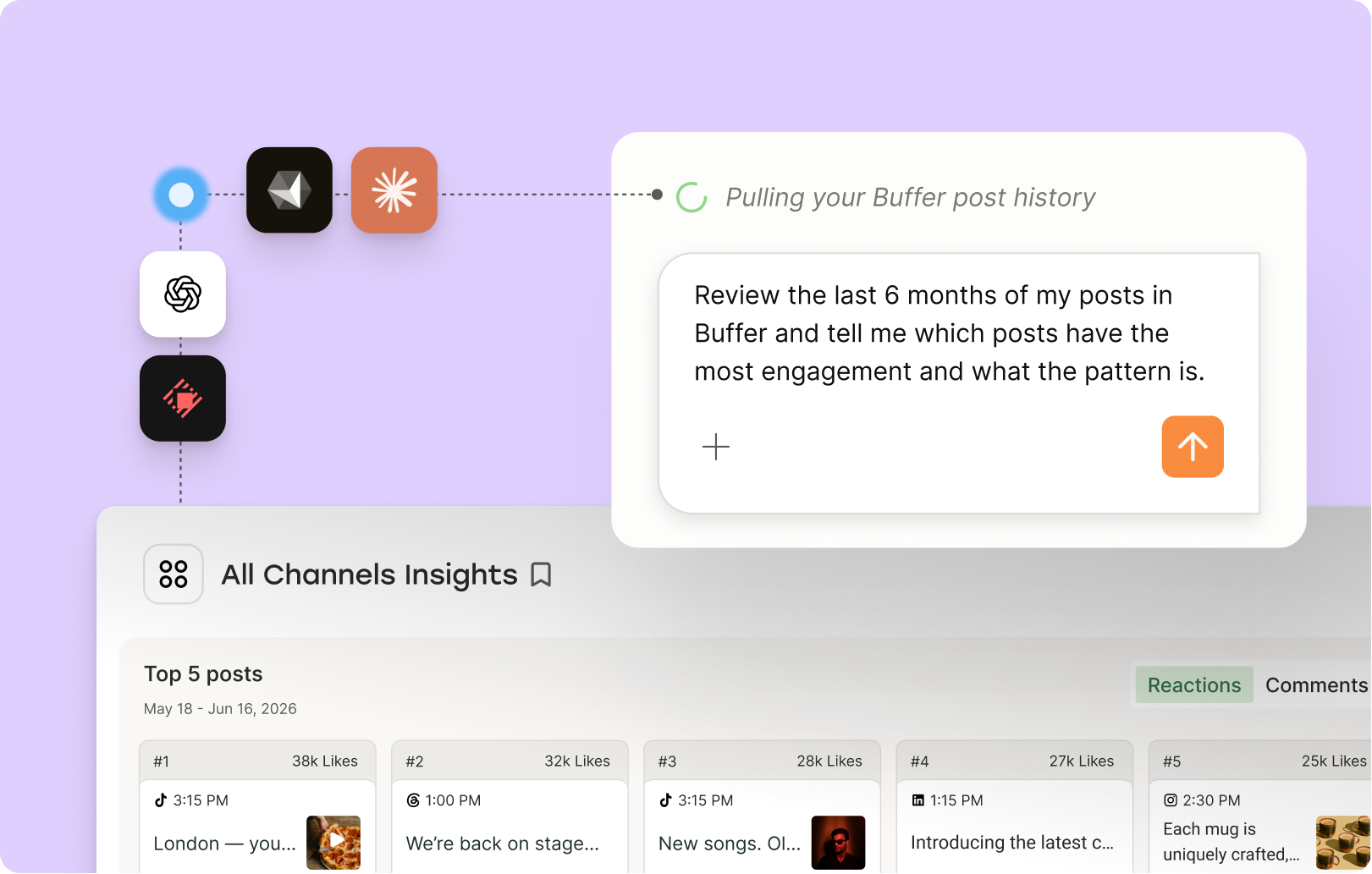
This shift comes at a time when the return on investment (ROI) for social media efforts is under greater scrutiny than ever before. With the inclusion of exportable reporting formats—including PNG, PDF, CSV, and Markdown—the tool aims to bridge the communication gap between marketing departments and executive leadership. Providing granular data that is easily digestible is essential for securing budgets and proving the efficacy of content strategies in a high-pressure fiscal environment.
The Integration of Generative AI: The Claude Connector
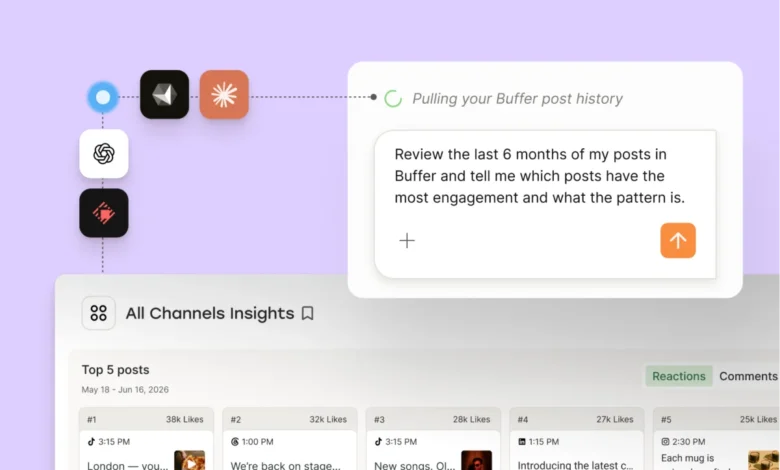
Perhaps the most notable feature of the new suite is the integration of the Claude Connector via Buffer’s Model Context Protocol (MCP). This allows users to pull historical social performance data directly into large language models (LLMs) such as Claude or ChatGPT. Rather than relying on static dashboards, users can now employ conversational prompts to derive actionable intelligence.
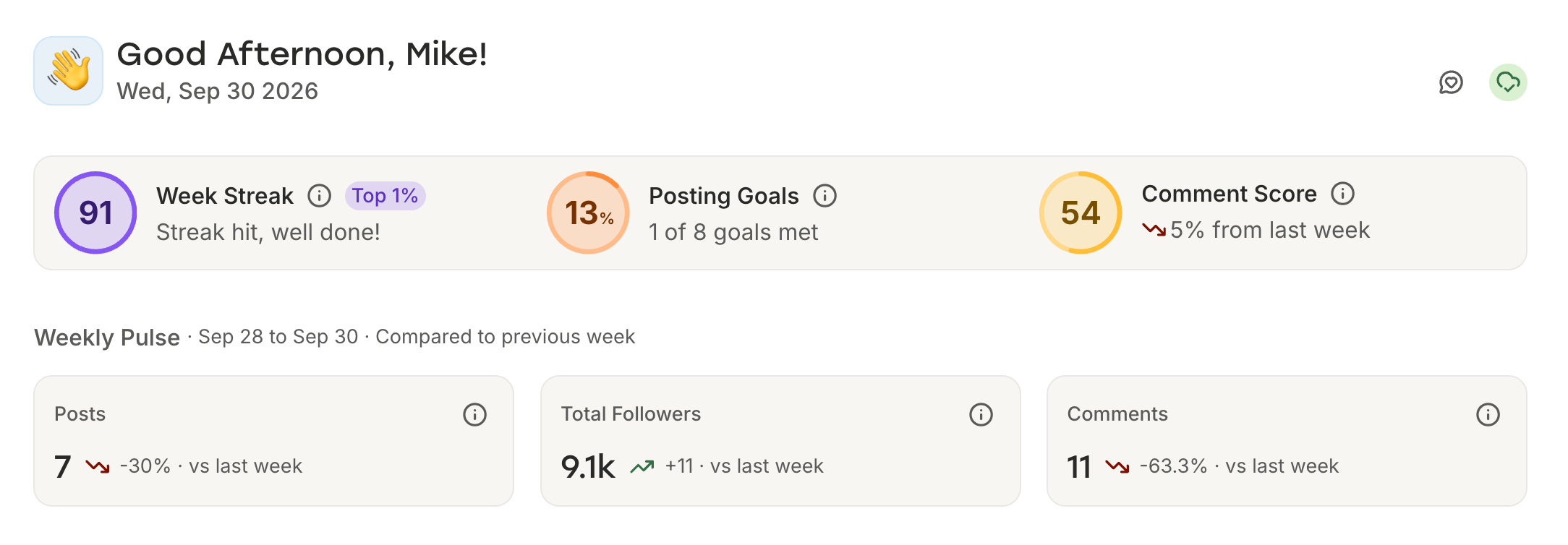
The operational workflow for this integration typically involves a monthly planning phase. A marketer can input a prompt, such as, "Plan a month’s worth of content for my LinkedIn and Threads profiles based on the highest-performing content from the past year," and the AI analyzes the raw data to provide a strategic roadmap. This methodology represents a departure from traditional "gut-feeling" content planning, favoring a data-backed approach that reduces the mental load on content creators while simultaneously increasing the probability of audience resonance.
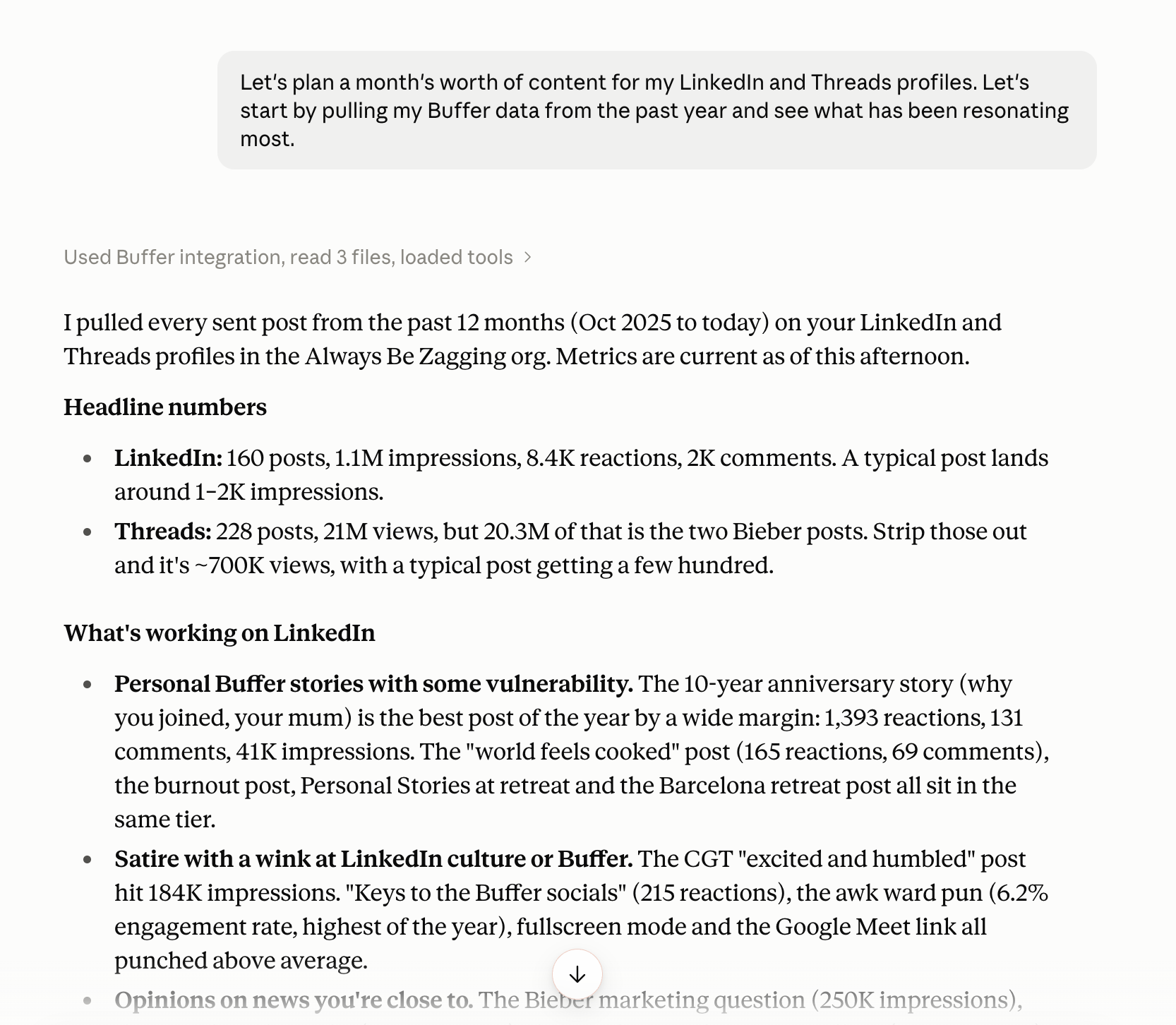
By automating the identification of successful themes, brands can minimize the production of underperforming content, thereby optimizing resource allocation. This is a crucial advancement for teams with limited bandwidth who must maximize the efficiency of every piece of published media.
Operational Agility: The Weekly Pulse and Real-Time Tracking
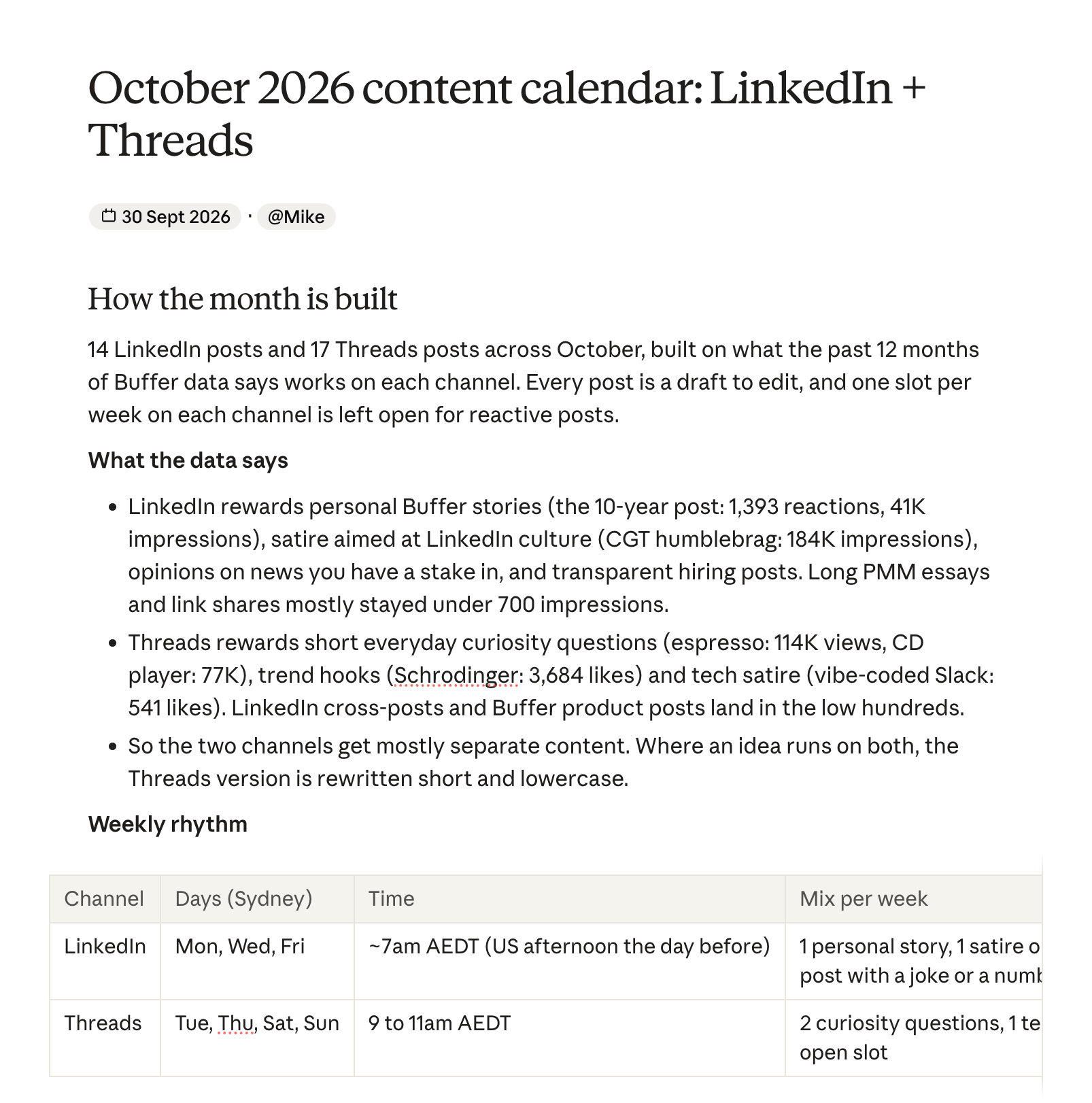
While monthly planning provides a macro-view, the volatile nature of social media requires daily, if not hourly, agility. The "Weekly Pulse" feature serves as a high-level command center, providing a snapshot of current performance. This tool tracks key performance indicators (KPIs) such as post volume, follower velocity, and engagement rates.
Data shows that engagement is not a passive metric; it is an active variable influenced by community management. Industry studies consistently confirm that active engagement—specifically timely responses to comments—correlates with higher algorithmic visibility. The Weekly Pulse allows managers to monitor their "comment score" in real-time, enabling them to pivot their engagement strategies if they observe a dip in community interaction. This level of granular visibility ensures that teams remain responsive to trending topics and spontaneous shifts in consumer sentiment.
Strategic Tagging for Campaign Attribution
One of the most persistent challenges in social media marketing is campaign attribution. Buffer Insights addresses this through an enhanced tagging system that allows for the categorization of posts during the scheduling phase. By assigning specific tags to individual campaigns—such as a new product launch or a seasonal promotion—marketers can isolate the performance of those specific initiatives within the broader data set.
For instance, during the recent rollout of Substack Notes integration, internal testing showed that utilizing a specific "launch" tag allowed the marketing team to aggregate results from multiple platforms instantly. In one recorded instance, six posts tagged for the launch generated 254 engagements and 17,000 impressions. The ability to compare these metrics against past launches provides a benchmark for success, helping teams distinguish between effective messaging and noise. This comparative analysis is vital for developing a longitudinal view of which metrics actually correlate with business outcomes, such as sign-ups or conversions.
Reporting and Organizational Alignment
The final pillar of the Buffer Insights suite is its reporting capability. The utility of data is often limited by its accessibility to non-marketing stakeholders. In many organizations, product managers and executive leadership require proof of concept, yet they lack the time to navigate complex analytics platforms.
Buffer’s reporting suite facilitates this by offering versatile export options. While CSV and PDF files serve the needs of detailed audits, the introduction of high-fidelity PNG snapshots has proven particularly effective for rapid communication within collaborative tools like Slack. By isolating a specific "win"—such as a spike in engagement or a successful launch day—marketers can present evidence-based results to leadership teams with minimal friction. This ensures that social media efforts are not treated as peripheral activities but as core drivers of brand visibility and growth.
Broader Implications for the Marketing Industry
The release of these features signals a broader trend toward the democratization of advanced analytics. By making these tools available across all tiers of service, including the free plan, Buffer is positioning itself as a platform that prioritizes accessibility.
However, the implications extend beyond mere utility. As AI integration becomes standard, the barrier to entry for high-level data analysis is falling. Smaller teams can now leverage insights that were previously the domain of large agencies with dedicated data scientists. This leveling of the playing field suggests a future where the efficacy of social media marketing is determined less by the size of the team and more by the intelligence of the systems they employ.

Furthermore, as the social media landscape continues to expand with the growth of decentralized platforms like Bluesky and Mastodon, the need for centralized analytics will only grow. Platforms that can successfully bridge these disparate ecosystems will become indispensable to the modern marketer.
Future Outlook and Conclusion
The integration of AI-driven planning, real-time pulse tracking, and robust campaign tagging represents a holistic approach to the social media lifecycle. By aligning content creation with empirical performance data, marketers can transition from reactive posting to proactive strategy.
For professionals managing multiple accounts, the ability to synthesize data from eleven different sources into a single coherent report is a major efficiency gain. It allows for a standardized approach to success measurement that was previously unattainable. As digital spaces evolve, the primary objective for organizations will remain consistent: reaching the target audience with the right message at the right time. With tools like Buffer Insights, the path to achieving that objective is becoming clearer, more data-driven, and significantly more efficient. The future of social media management is not just about posting; it is about the intelligent application of data to cultivate meaningful digital connections.
Related posts: