Demystifying the Instagram Algorithm: A Comprehensive Guide to Content Distribution and Platform Strategy

Instagram has transitioned from a chronological photo-sharing application into a complex, AI-driven ecosystem governed by multiple distinct algorithms. For creators, businesses, and digital marketers, understanding the nuances of how content is ranked across the platform’s various surfaces—Feed, Stories, Explore, and Reels—is no longer optional; it is a fundamental requirement for maintaining visibility. While the platform’s parent company, Meta, has historically maintained a veil of secrecy regarding its ranking signals, recent transparency initiatives led by Head of Instagram Adam Mosseri have provided a clearer roadmap for how content is surfaced to users.

The core of Instagram’s architecture is not a single, monolithic algorithm. Instead, the platform employs a series of specialized ranking systems, each tailored to the specific user intent associated with a particular surface. Whether a user is browsing their primary feed, catching up on ephemeral stories, scrolling through the discovery-focused Explore page, or watching short-form video in the Reels tab, the underlying objective remains consistent: to predict user behavior and maximize platform engagement.
The Shift from Chronology to Algorithmic Ranking
The decision to abandon a strictly chronological feed was driven by the rapid scaling of the platform. As the number of accounts followed by the average user grew, a chronological feed became unsustainable, leading to a "noise" problem where meaningful updates from friends and family were buried by the high-frequency posting schedules of commercial brands.

According to Adam Mosseri, the current ranking systems operate on two primary goals: keeping users connected with the people and interests they care about, and creating a discovery mechanism that allows new creators to find an audience. To achieve this, Instagram employs thousands of signals that evaluate a user’s interaction history, the popularity of a specific post, and the strength of the relationship between the creator and the viewer.
While each surface uses different weighted signals, the "evergreen" principles remain constant. The platform prioritizes original content, timely updates, and high-engagement interactions. Importantly, these systems are now underpinned by increasingly large AI models designed to improve the accuracy of content recommendations, making "hacks" or attempts to game the system increasingly ineffective compared to sustained, quality-based content strategies.

Surface-Specific Ranking Dynamics
To effectively navigate the platform, creators must differentiate between the primary functions of each surface. The Instagram Feed and Stories are primarily designed for retention and deepening relationships with an existing audience. Conversely, the Explore page and the Reels tab serve as the primary discovery engines, designed to push content to users who do not yet follow the creator.
- Instagram Feed: The feed prioritizes content based on a user’s interaction history. Key signals include the likelihood of a user liking, commenting, sharing, or saving a post, as well as the frequency of their profile interactions with the creator.
- Instagram Stories: These function as an intimate space. Ranking is heavily influenced by a user’s history of viewing a creator’s stories, direct message (DM) exchanges, and the overall "closeness" signal derived from previous engagement.
- Instagram Reels: As a discovery-first surface, Reels rely heavily on watch time, completion rates, and the frequency of "sends"—where a user shares the video with a friend. Because these videos are predominantly served to non-followers, the algorithm places a higher premium on viral potential and interest-based matching.
- Explore: The Explore page acts as a recommendation engine. It maps content to a user’s interests by analyzing the engagement patterns of similar users. If a user interacts with a specific topic, the algorithm identifies other accounts that share that same audience, effectively creating a discovery loop.
Core Principles of Platform Distribution
Instagram has formalized four key ranking principles that define how content is treated: Originality, Recency, Breaking Content, and Model Size.

Originality has become a major focus for the platform. In an effort to prioritize creators over aggregators, Instagram has implemented measures to reduce the reach of accounts that primarily repost content from others. This policy, which saw significant enforcement updates beginning in April 2026, ensures that distribution favors the source of the content rather than those who curate it.
Recency remains a critical factor for visibility. Data suggests that the platform’s ranking systems are increasingly optimized to surface content within the first 24 hours of posting. This shift acknowledges the ephemeral nature of digital discourse and forces creators to move away from static, long-term content strategies in favor of timely, relevant updates.
The concept of "breaking content" provides a vital pathway for smaller creators. Through a process described as "auditioning," Instagram tests content from smaller, public accounts on a limited audience. If the initial engagement metrics—such as watch time and shares—meet specific thresholds, the platform expands the reach of that post to a wider audience, allowing for rapid, viral growth regardless of the account’s follower count.
The Hierarchy of Engagement Signals
While Instagram tracks thousands of data points, Mosseri has confirmed that watch time, likes, and sends are the most significant indicators of quality.

Data analysis indicates that these signals are weighted differently depending on the goal. For reaching an existing follower base, likes serve as a primary indicator of affinity. However, for reaching new audiences on the Reels or Explore tabs, "sends" are the most potent signal. A user choosing to share a post via direct message signifies a high level of endorsement, which the algorithm interprets as a strong indicator of content value.
Creators are advised to move beyond raw reach metrics and focus on engagement rates per reach. By calculating the ratio of likes or shares to the total number of accounts reached, creators can gain a more accurate assessment of content performance. This data-driven approach allows for the refinement of content strategy, identifying which formats—whether single images, carousels, or short-form video—resonate most effectively with a specific target demographic.

Strategic Implications for Content Creators
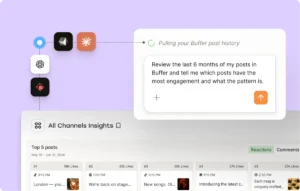
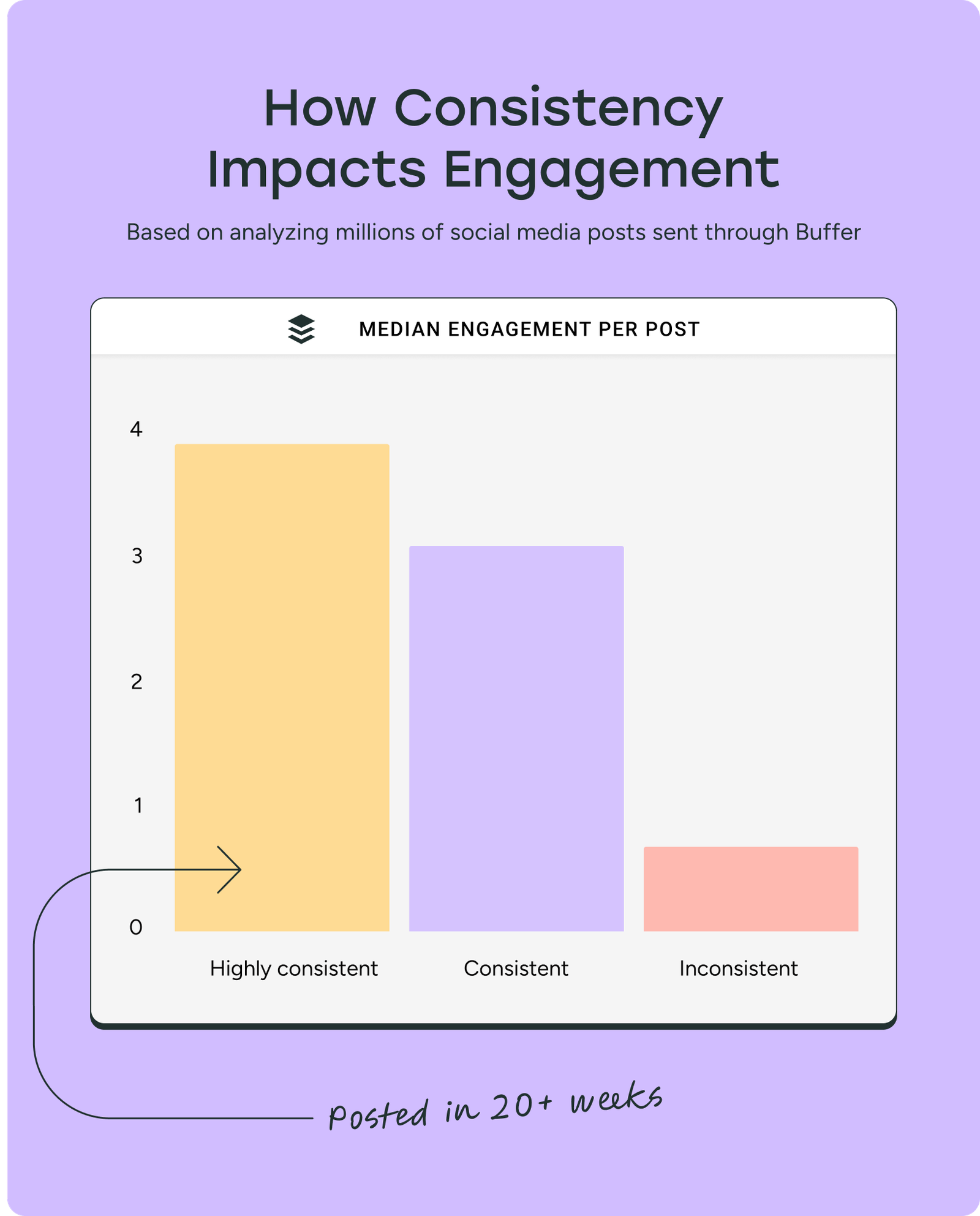
The data-driven shift in how Instagram operates carries several implications for long-term strategy. First, consistency is not merely a subjective suggestion; it is a statistical imperative. Research from Buffer, analyzing over 100,000 users, indicates that consistent posting schedules correlate with a five-fold increase in engagement per post compared to sporadic activity.
Second, the platform’s move toward "niche" indexing necessitates a disciplined approach to content topics. By using relevant keywords in captions and on-screen text, creators help the algorithm categorize their content. When a creator stays within a defined niche, the algorithm becomes more efficient at matching their content with the "right" audience, which in turn reduces the likelihood of "Not interested" signals that can penalize an account’s overall reach.

Third, the abandonment of traditional hashtag-heavy strategies is now a matter of record. Mosseri has explicitly stated that hashtags do not significantly drive reach. The current best practice involves using a limited number of highly relevant, descriptive tags (typically capped at five) and relying on SEO-optimized captions and keyword-rich profiles to facilitate searchability.
Future-Proofing Through Data and Adaptation
As the platform continues to refine its AI-driven models, the temptation to search for "hacks" or shortcuts will persist. However, the trajectory of Instagram’s updates suggests that the algorithm will continue to prioritize high-quality, authentic interactions over superficial engagement.

For brands and creators, the focus must remain on the foundational elements of digital media: providing value, fostering community, and responding to audience feedback. The "Your Algorithm" tool, which allows users to explicitly manage their content preferences, further underscores the platform’s intent to put power in the hands of the consumer. This requires creators to be more intentional with their content, ensuring that every post is designed to trigger a meaningful reaction, whether it be an emotional response, a save for later, or a share to a friend.
Ultimately, navigating the Instagram algorithm is an exercise in adaptation. While the technical specifics may shift with the next software update, the platform’s reliance on human engagement signals ensures that creators who focus on genuine connection, high-quality production, and data-backed insights will remain the most successful. The key to long-term growth is not to chase the algorithm, but to build a body of work that inherently aligns with the platform’s mission: to foster connection, discovery, and value.
Related posts: