The landscape of digital publishing underwent a significant shift on March 23, 2026, when Substack introduced native scheduling for its social feature, Notes. This development marked a departure from the platform’s previous reliance on manual posting or third-party workarounds, signaling Substack’s commitment to providing writers with more robust editorial tools. As independent newsletters increasingly compete with established social media giants for audience attention, the ability to plan, curate, and automate content delivery has become a critical requirement for professional creators.

For many writers, the introduction of the scheduling feature represents a transition from treating Notes as an ephemeral social feed to viewing them as an integrated component of a broader growth strategy. With the added compatibility of third-party management tools like Buffer, the technical barrier to maintaining a consistent daily publishing cadence has effectively been removed.
A Chronology of Platform Evolution
Before March 2026, Substack creators faced a rigid workflow. To engage with the Notes feed—a space designed to foster cross-pollination between newsletters—writers had to manually publish content in real-time. This limitation was particularly challenging for creators managing multiple time zones or those attempting to maintain a rigorous daily output.
The move to implement a native scheduler followed months of user requests for a more streamlined experience. By allowing creators to schedule content up to three months in advance, Substack aimed to reduce the "blank page" syndrome and the pressure of real-time posting. Shortly after this native rollout, the integration of professional social management suites, such as Buffer, provided an additional layer of utility. By leveraging Substack’s official API, these tools allow creators to treat their newsletter account as a professional social channel, placing it on the same level as LinkedIn, X, and Bluesky.
Technical Functionality: The Native Approach
Substack’s native scheduling mechanism is designed for accessibility. Across web, iOS, and Android platforms, the process is consistent:
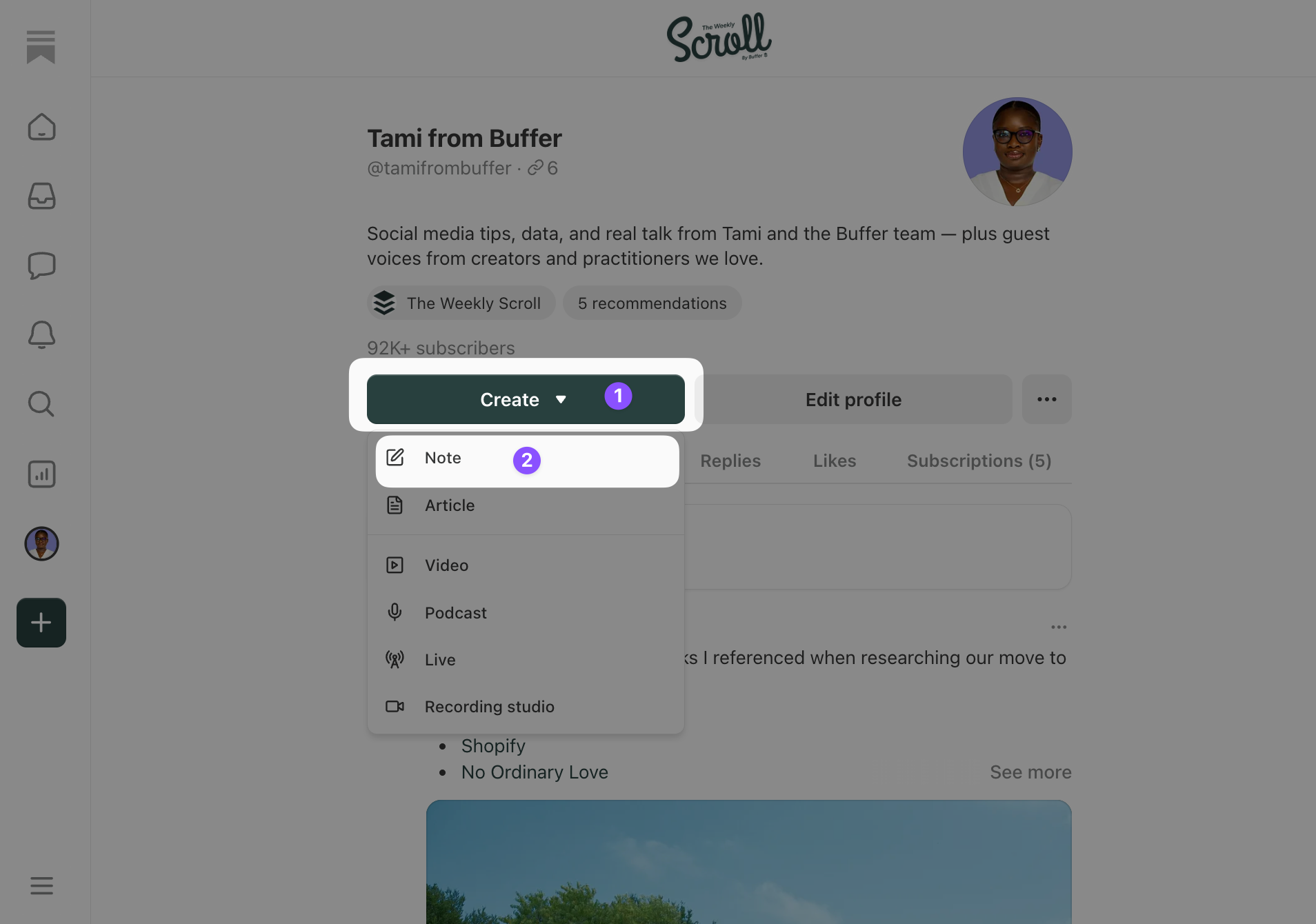
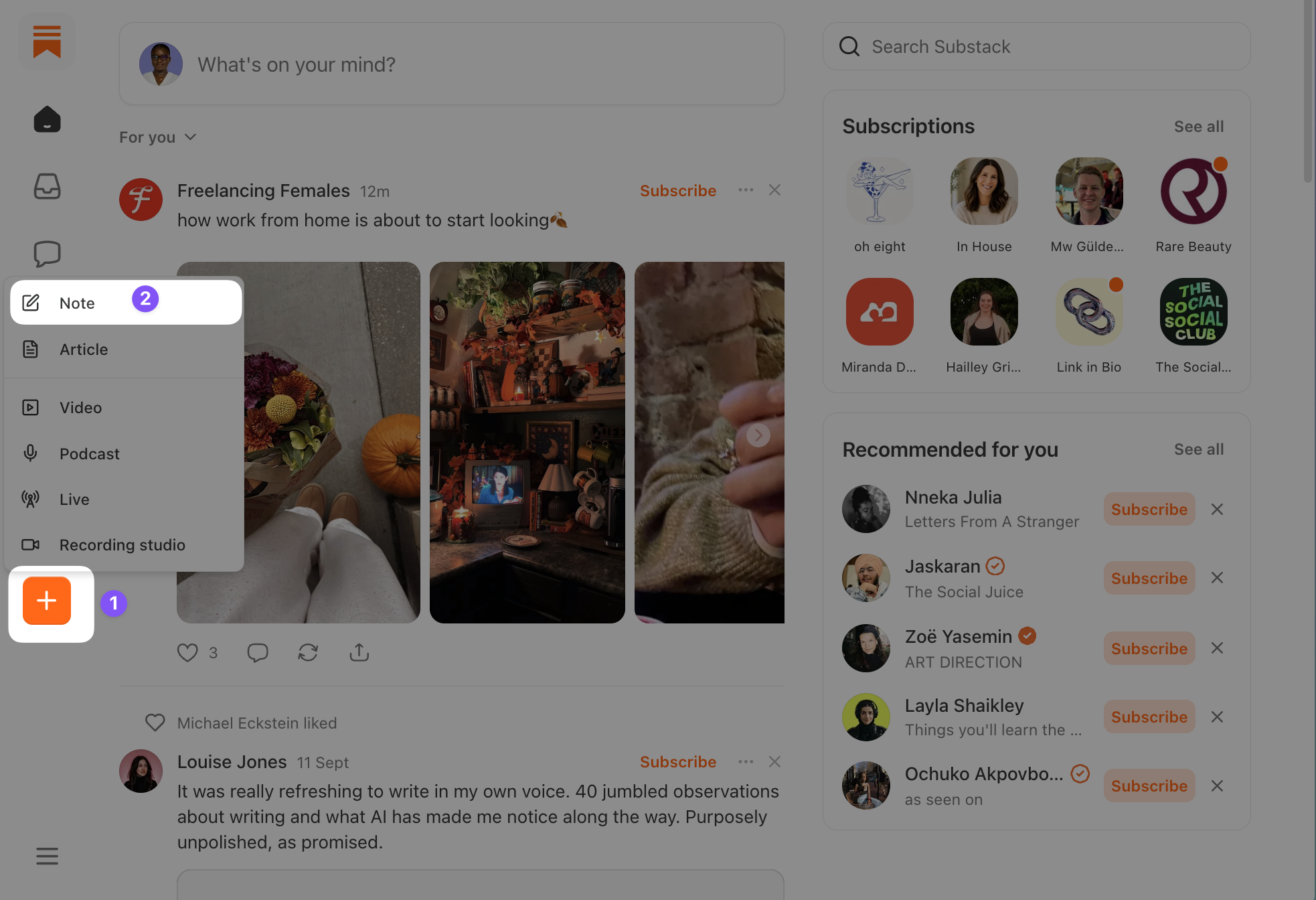
- Composition: Users access the Note composer via the "+" icon.
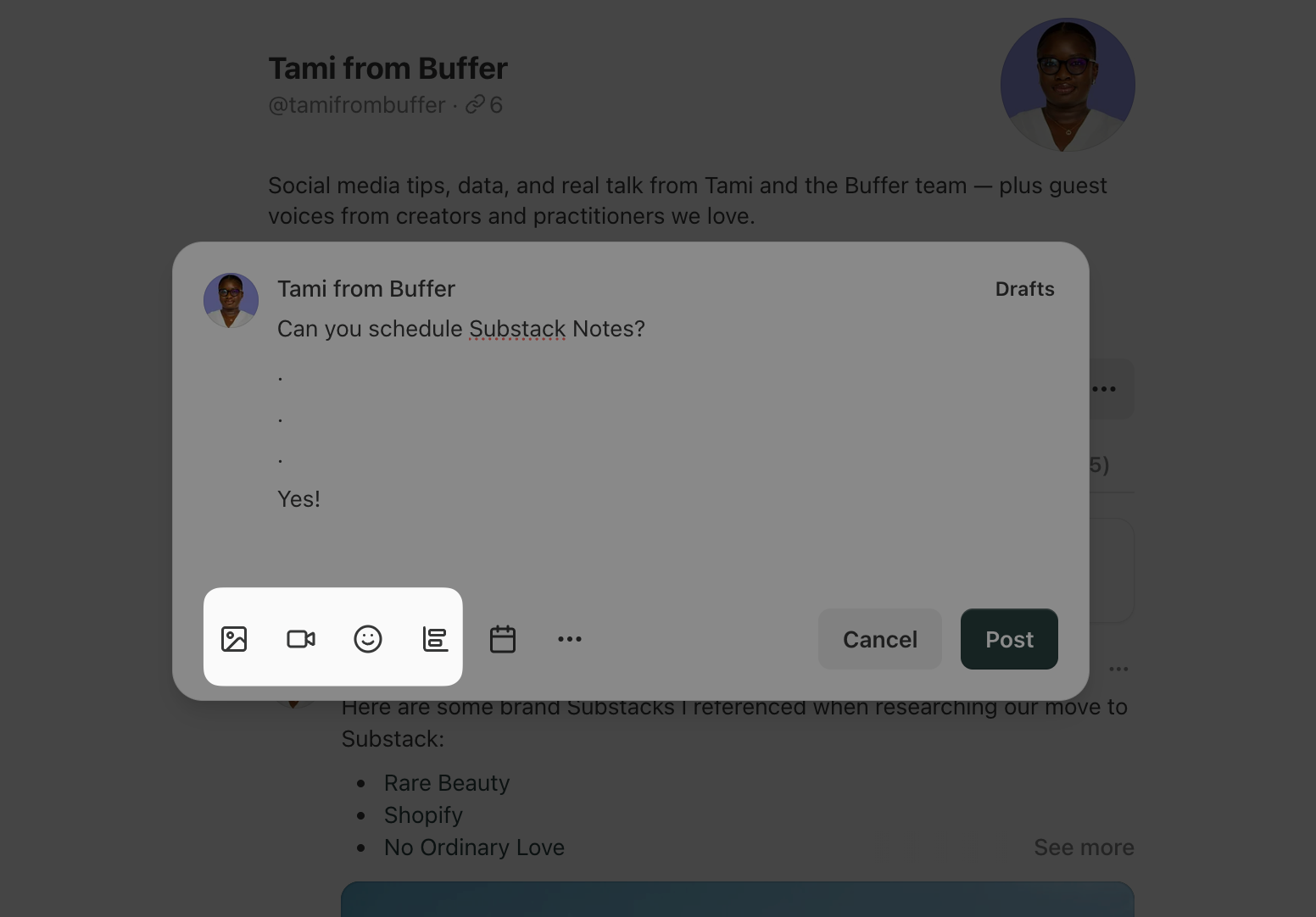
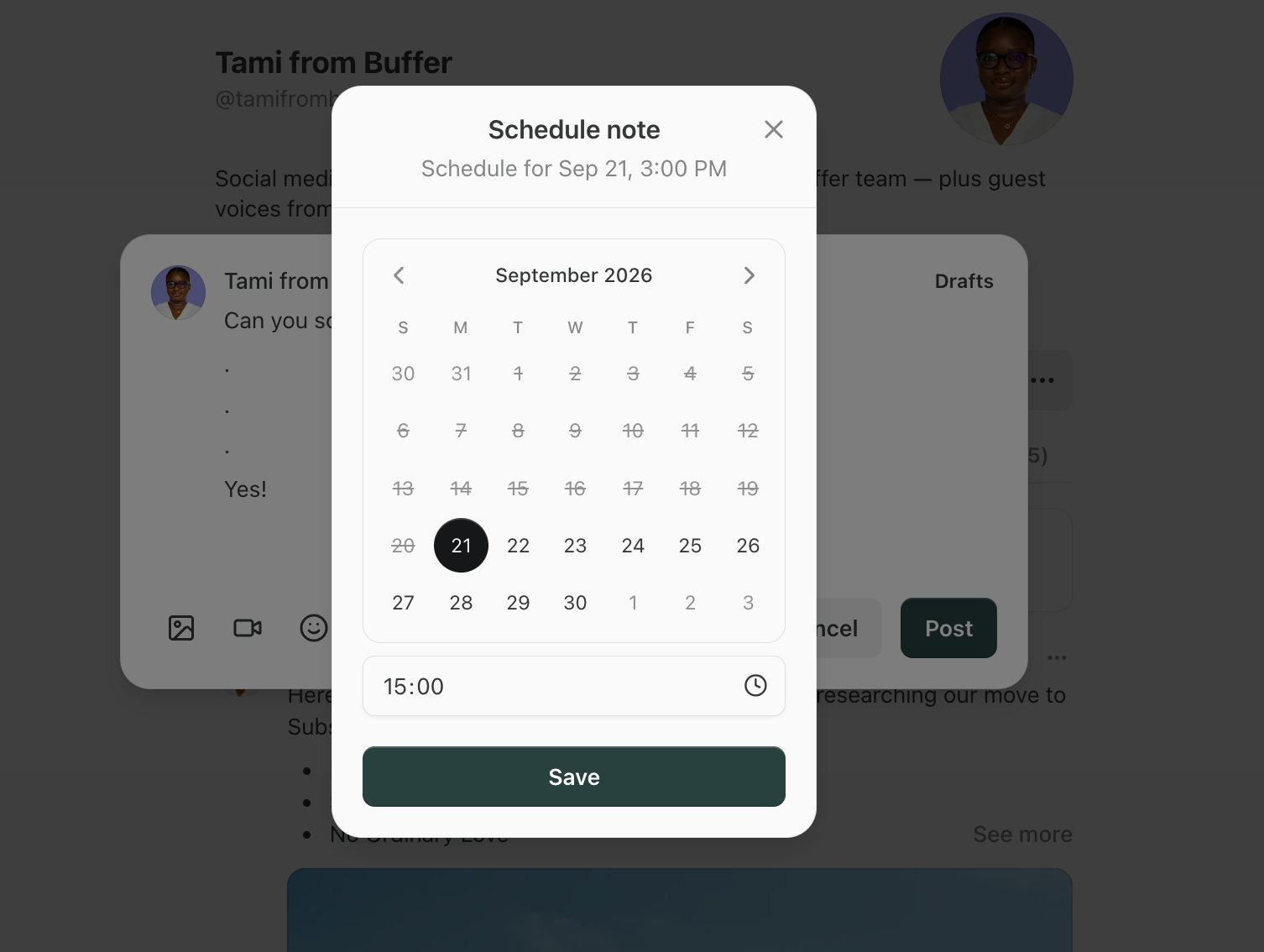
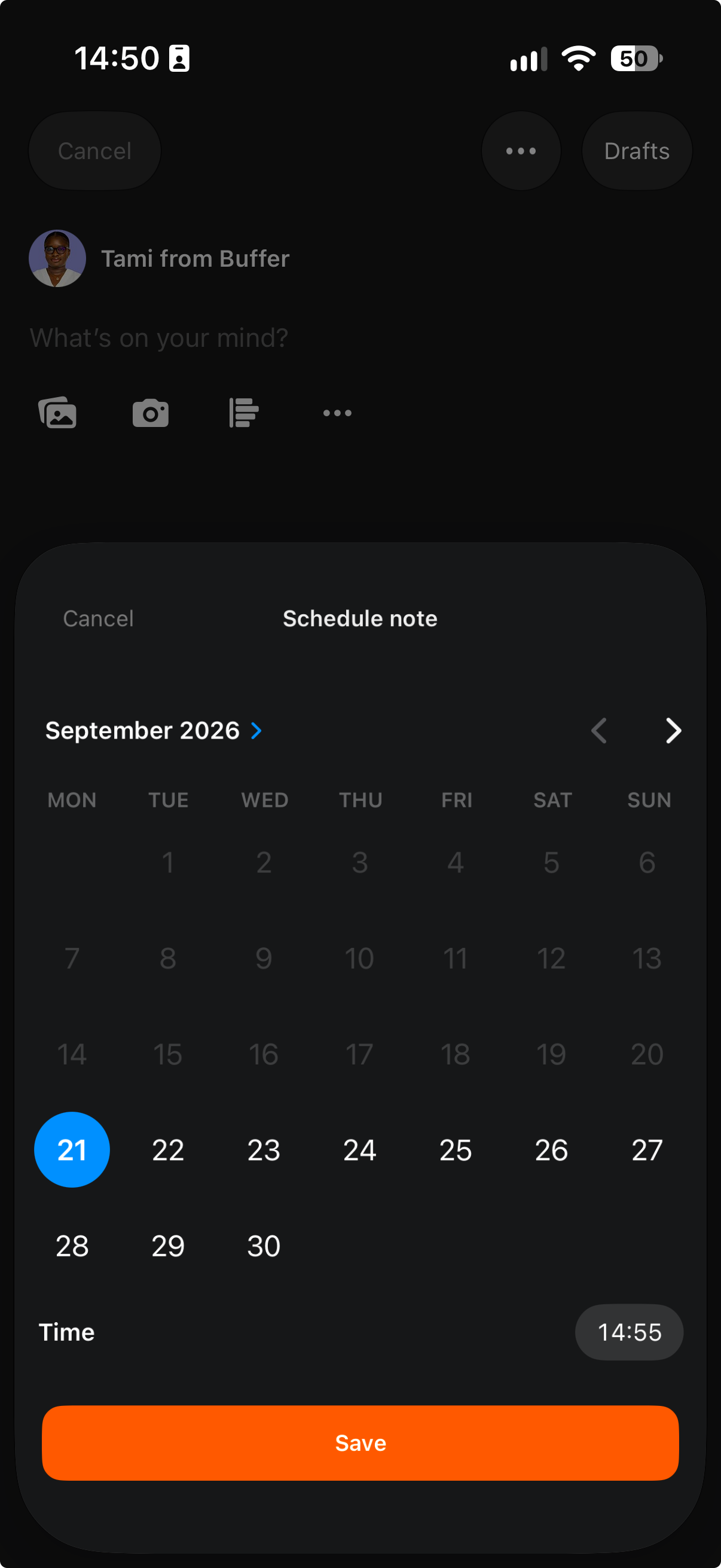
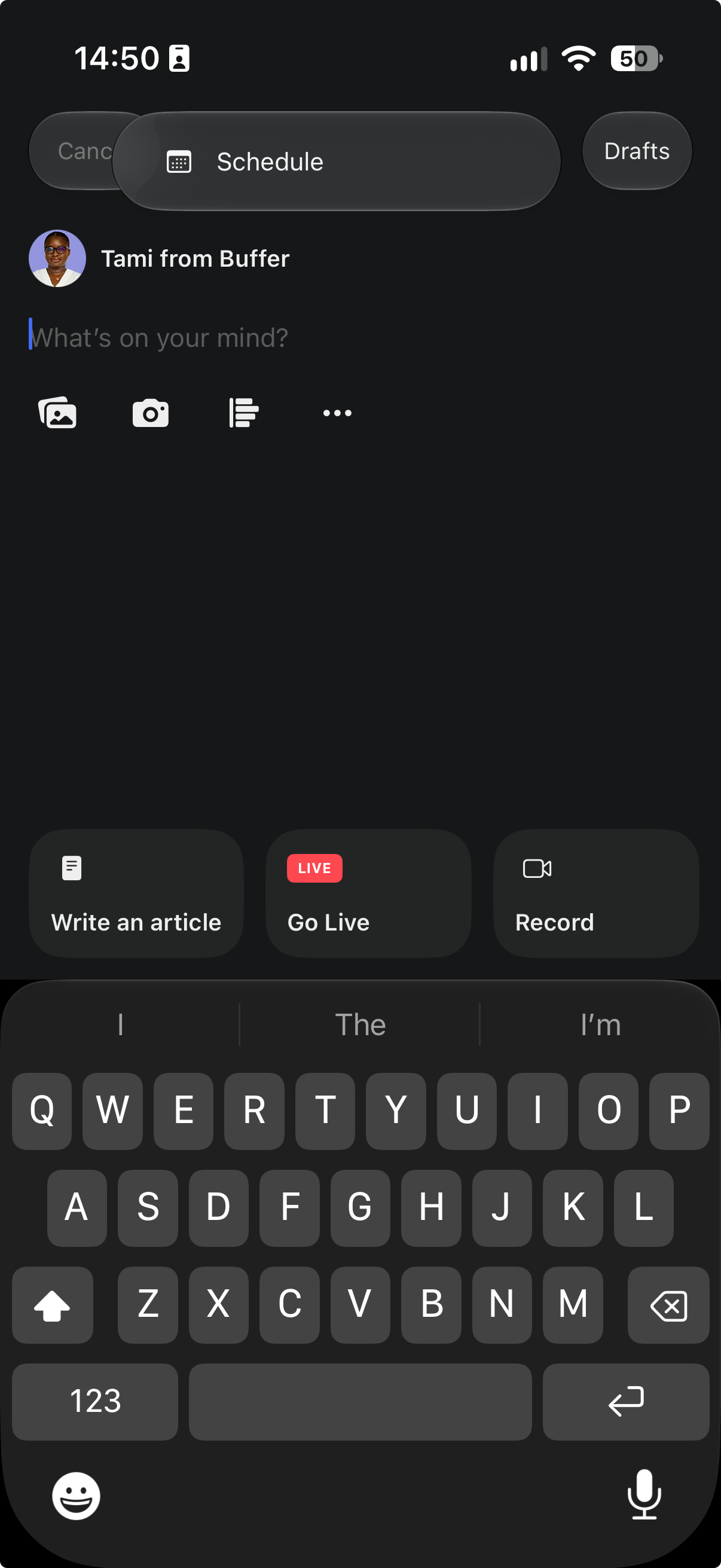
- Scheduling: After drafting, users select the three-dot menu, which now features a "Schedule" option.
- Draft Management: All scheduled items reside within a dedicated "Drafts" folder, where they remain editable until the precise moment of publication.
While this native functionality serves the needs of independent writers who focus exclusively on the Substack ecosystem, it is limited by a lack of a visual calendar view. For creators managing complex content calendars, this linear list of drafts can hinder long-term planning. Furthermore, native scheduling does not provide cross-platform synchronization, meaning a writer must manually replicate a post across other social networks to maintain a multi-channel presence.
Advanced Management: The Role of Third-Party Integration
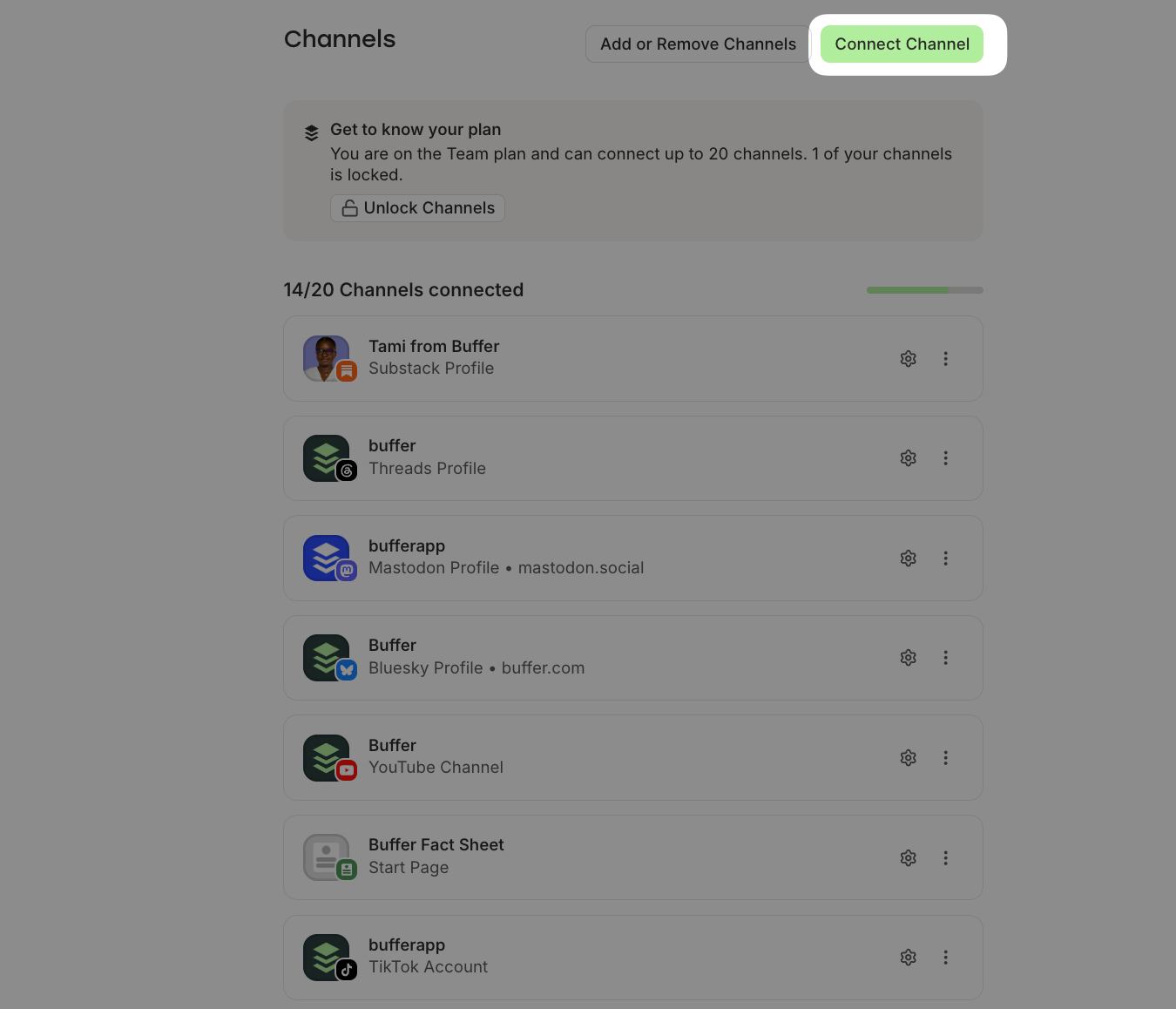
For professional content teams and high-output creators, the integration of tools like Buffer offers a distinct operational advantage. By connecting a Substack account to a centralized dashboard, creators can synchronize their newsletter presence with other social media channels.
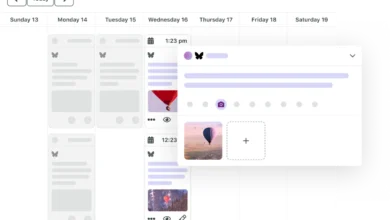
The primary benefit of this integration is the consolidation of the content calendar. A single interface allows a user to view a weekly or monthly roadmap of posts across various platforms, ensuring that messaging remains cohesive. Furthermore, the integration supports advanced analytics. While Substack’s internal dashboard tracks engagement metrics like likes and restacks, third-party tools provide a more granular look at performance, including follower growth attribution and the correlation between specific Notes and new subscriber conversions.
Data from users who have adopted this automated approach suggests that consistency is the primary driver of audience retention. By scheduling a daily Note, creators can ensure a steady stream of content without the overhead of manual daily intervention, allowing them to redirect their time toward community engagement—specifically, responding to comments and fostering discussion, which are the primary drivers of subscriber loyalty.
Fact-Based Analysis: The Impact on Creator Workflow
The implementation of scheduling features has a measurable impact on the "creator economy" of newsletters. Based on standard content marketing metrics, the ability to front-load content has two major implications:
- Operational Efficiency: Creators can batch-process their content, creating a week’s worth of Notes in a single sitting. This reduces the cognitive load associated with daily content creation and mitigates the risk of inconsistent posting, which often results in audience churn.
- Strategic Visibility: By aligning Notes with the publication of long-form articles, writers can create a "surround sound" effect for their content. When a subscriber sees a teaser in their feed, then receives the full article via email, the likelihood of engagement increases.
Industry observers note that while scheduled posts perform identically to live posts—as the algorithms on the platform do not penalize automated delivery—the success of a post remains tied to the creator’s presence. The most effective strategy involves scheduling the content delivery while remaining active in the comment section for the hour immediately following publication.

Addressing Frequently Asked Questions
For creators considering these tools, several technical questions remain relevant regarding implementation and platform rules.
Is there a cost to these scheduling features?
Both Substack’s native scheduler and the standard integration with platforms like Buffer are available to users at no cost. Buffer’s free-tier offering permits the connection of up to three channels, with a limit of 10 scheduled posts per channel.
Are there limitations on content types?
There are no significant restrictions. Both native and third-party tools support the standard array of media, including text, hyperlinks, high-resolution imagery, and video content. However, it is important to note that neither tool supports the scheduling of "restacks" or direct replies to other users’ content, as these features are intended for real-time interaction.
How does this affect multi-publication management?
For power users operating multiple Substacks, the third-party approach is superior. Because Buffer treats each newsletter as a unique channel, a single dashboard can manage multiple distinct publications simultaneously, keeping the analytics and audience data cleanly separated.
Are these methods compliant with Substack’s terms of service?
Yes. Because the integration relies on the official, sanctioned Substack API, the process is fully authorized. There is no risk of account suspension or restricted visibility for utilizing these automated tools.
Future Implications for Newsletter Strategy
The integration of scheduling into the Substack ecosystem marks a transition from a closed blogging platform to an open, integrated social media entity. As the competition for attention increases, the ability to plan and analyze content with precision becomes a baseline requirement for success.
For the modern writer, the goal is no longer just to write, but to manage an integrated media presence. By utilizing the available scheduling tools, creators can move away from the reactive cycle of daily posting and into a more proactive, strategic mode of operation. Whether through Substack’s native tools or through comprehensive platforms like Buffer, the path toward consistent growth is increasingly paved by automation and data-driven planning.
The current trajectory of these features suggests that in the coming year, we can expect even deeper integration between newsletter content and social media analytics, further blurring the lines between a traditional mailing list and a modern social network. For the individual creator, the message is clear: the technical infrastructure for scale is already in place. The next phase of success will depend on how effectively creators use that infrastructure to build and maintain their communities.
Related posts: