How Social Media Has Become the Frontline for Holiday Customer Service and Support Strategies

The modern holiday shopping season no longer begins with freezing predawn queues outside physical big-box storefronts or frantic phone calls to traditional call centers. Instead, the entire retail journey—from initial product discovery and peer-to-peer research to final checkout and post-purchase customer service—has migrated decisively to social media platforms. As digital marketplaces and integrated social shopping ecosystems like TikTok Shop, Instagram Checkout, and Facebook Marketplace capture an increasingly massive share of consumer spending, brands face a fundamental shift in how they must handle consumer engagement.
According to Sprout Social’s Q3 2026 Pulse Survey, an overwhelming 86% of consumers plan to use social media for customer service during the upcoming holiday season just as much (59%) or even more (27%) than they did in 2025. This surge in digital reliance underscores a permanent evolution in consumer expectations. Shoppers increasingly view social media channels not merely as marketing billboards, but as direct, responsive customer care pipelines. When deliveries are delayed, items go out of stock, or billing questions arise, contemporary consumers expect immediate, personalized assistance directly within the comment sections or direct message inboxes of their favorite brands.

The Evolution of the Holiday Shopping Timeline and Consumer Mindset
Understanding this paradigm shift requires examining the compressed timeline of modern retail pressure. Historically, the holiday shopping rush was confined primarily to the weeks between Thanksgiving and Christmas, anchored by traditional retail milestones like Black Friday and Cyber Monday. However, modern consumer research indicates that shoppers begin planning, budgeting, and hunting for gift ideas much earlier in the autumn months.
Simultaneously, macroeconomic factors heavily influence consumer behavior during these peak months. According to the 2025 Deloitte Holiday Retail Survey, approximately 58% of consumers find holiday shopping to be a profoundly stressful experience. Compounding this anxiety, the Q3 2026 Sprout Social Pulse Survey revealed that 56% of shoppers plan to actively reduce their overall spending due to persistent financial strain. This creates a delicate operating environment for customer care teams: consumers are more cost-conscious, highly stressed, and quicker to express frustration when retail experiences falter.

Consequently, brands that fail to integrate social media into their core customer service infrastructure risk severe reputational damage. Conversely, organizations that adopt a proactive, tool-equipped social care strategy can alleviate consumer stress, mitigate cart abandonment, and turn casual shoppers into lifelong brand loyalists.
Why Social Media Dominates the Entire Retail Journey
Social media has effectively transformed into a virtual, all-in-one shopping mall where discovery, validation, and purchasing occur seamlessly. The popular phrase "TikTok made me buy it" reflects a broader psychological reality of modern commerce. Data from the Q3 2026 Pulse Survey indicates that social media now ties directly with physical retail stores as the primary resource for gift ideas and product discovery, with 46% of respondents utilizing social platforms to source gifts.

This trend is heavily concentrated among younger demographics. Approximately 85% of Millennials and 88% of Gen Z consumers report that they plan to use social media just as much or more for gift research compared to previous years. Because discovery and initial inquiries happen on these apps, customer service must meet shoppers where they are. When queries regarding sizing, product specifications, or restocks go unanswered in social comment sections, potential sales are routinely lost to more agile competitors.
Furthermore, direct messaging has solidified its place as the preferred method of brand communication. The survey notes that 55% of consumers choose direct messaging when reaching out to a brand on social media, followed by public comments, company tags, and story replies. Because over half of surveyed consumers (57%) intend to complete purchases directly within social media apps this holiday season—with 38% having already done so and 19% willing to try it for the first time—customer care teams restricted exclusively to legacy email and phone channels are missing vital components of the modern consumer journey.
Ten Essential Strategies for Optimizing Holiday Social Media Customer Care

To navigate the impending volume spikes without burning out support staff or degrading response quality, retail and hospitality brands must implement rigorous operational frameworks. Industry experts and data-driven insights point toward ten critical strategies for seasonal success.
-
Plan Ahead Before the Seasonal Rush
Proactive preparation remains the primary defense against holiday chaos. Waiting until late November to organize staffing, finalize Black Friday campaigns, or draft response templates guarantees bottlenecks. Teams must map out key marketing milestones, projected shipping cutoff dates, and anticipated traffic spikes weeks in advance. Recognizing that consumers are dealing with heightened financial and emotional stress allows managers to design empathetic, streamlined support workflows long before holiday decorations appear. -
Create Comprehensive, Holiday-Specific FAQs
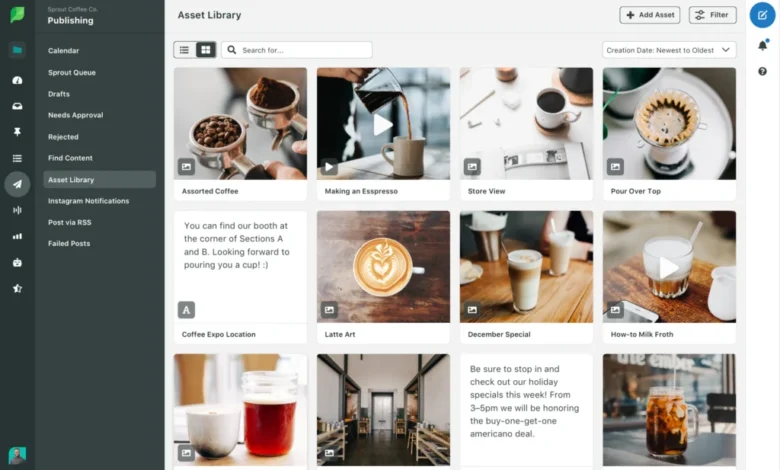
Anticipating recurring inquiries regarding shipping deadlines, return policies, gift card activations, and promotional restrictions allows brands to deflect repetitive questions. Organizations like the Educational Testing Service (ETS)—a nonprofit managing major standardized tests—have demonstrated the value of proactive resource creation. By analyzing historical inquiry data, ETS identified recurring pre-testing surges and built accessible digital resources, ultimately reducing corporate response times significantly while lightening the load on support agents. Utilizing tools like the Sprout Asset Library enables customer service agents to quickly search, select, and deploy pre-written, brand-consistent response templates during high-volume periods.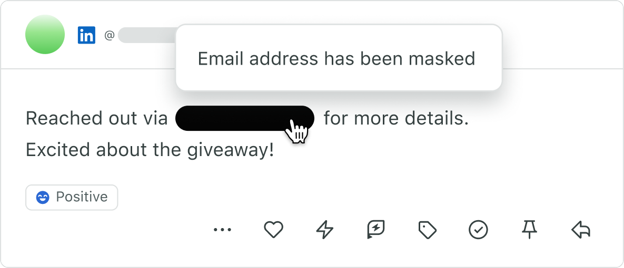
-
Staff Up and Onboard Efficiently
Quality and speed must coexist. The 2025 Sprout Social Index emphasizes that 70% of consumers expect personalized responses when reaching out on social channels. Furthermore, third-party data shows that one-third of consumers expect a public acknowledgement followed by a private conversation. To meet these rigorous expectations during peak season, brands must hire seasonal support staff. Rapid onboarding is critical; platforms recognized for high ease of use, such as Sprout Social, allow temporary agents to master case management, ticket routing, and messaging triage with minimal friction. -
Prioritize Inbound Messages Using Advanced Sentiment and Intent Tools
Not all customer inquiries carry the same urgency. Utilizing machine-learning models—such as Sprout’s Sentiment for Messages and Message Intent capabilities—allows support teams to automatically categorize inbound traffic into high-priority buckets like customer support issues, billing discrepancies, brand risks, or positive customer love. By separating urgent complaints from routine comments, managers can protect brand reputation and allocate human resources effectively. Smart triaging tools and automated case creation rules ensure that messages never fall through the cracks. -
Protect Sensitive Customer Data Against Digital Threats
The holiday shopping season consistently experiences a rise in cyberscams, phishing schemes, and financial fraud. According to the Internet Crime Complaint Center’s (IC3) 2025 report, non-payment and non-delivery cybercrimes cost victims more than $503 million that year. Brands operating on social media bear a strict ethical and legal responsibility to safeguard consumer data. Customer service agents must immediately transition public conversations involving order numbers or personal details into secure private messages. In highly regulated sectors, specialized tools like Guardian by Sprout Social offer automated data masking to hide sensitive details like credit card or identification numbers, alongside PCI-compliant secure forms for data collection.
-
Leverage Automation, Chatbots, and Generative AI
With 81% of marketers reporting positive impacts from artificial intelligence, modern support teams increasingly rely on AI assistants to maintain efficiency. Consumers have demonstrated a high tolerance for automation in the interest of speed; the Q3 2026 Pulse Survey revealed that 70% of respondents feel comfortable with companies utilizing AI-driven tools like chatbots for faster customer service. Features such as Sprout’s Enhance by AI Assist allow agents to instantly tailor the length and tone of their replies, ensuring brand consistency. Additionally, customizable rule-based chatbots built via Bot Builder can handle repetitive holiday tasks, such as order tracking and shipping inquiries, around the clock. -
Equip Agents with Integrated CRM Context
Fragmented technology stacks severely hinder support efficiency. Forcing customer care agents to jump between multiple standalone applications to piece together order histories, tracking numbers, and previous social interactions increases handle times and frustrates consumers. Integrating social management platforms with established customer relationship management (CRM) software—such as the Sprout Social and Salesforce integration—centralizes data into a single interface. Enhanced by AI tools like Salesforce Agentforce, support agents can access comprehensive customer histories within seconds, driving rapid resolutions and personalized omnichannel care. -
Establish Clear Collaboration Norms and Approval Workflows
Managing seasonal staff requires strict internal governance. Brands must define clear protocols regarding who handles specific issues, how escalated problems are routed, and which supervisory personnel must approve responses from new hires. Implementing reply approval workflows ensures that all outgoing public and private communications strictly adhere to brand voice and compliance standards. Centralizing internal communication through team-based collaboration hubs minimizes administrative back-and-forth and ensures accountability across departments.
-
Monitor Macro-Conversations to Prevent Crises
Individual customer inquiries represent only one facet of holiday monitoring. Shoppers frequently voice grievances, shipping complaints, or product feedback broadly across social media without tagging corporate accounts. To prevent localized issues from escalating into viral public relations crises, brands utilize predictive monitoring technologies. Tools such as NewsWhip by Sprout Social track emerging narratives across global news and social media channels, projecting potential trajectory. Paired with social listening capabilities, brands can track shifting audience sentiment and deploy rapid countermeasures. -
Capture Real-Time Feedback and Performance Metrics
Continuous improvement requires continuous measurement. Externally, deploying customer satisfaction (CSAT) and Net Promoter Score (NPS) surveys directly within social media platforms like Instagram, Facebook, and X captures immediate audience sentiment regarding the support experience. Internally, tracking quantitative service metrics—such as average handle time, reply speed, and resolved case volume—illuminates operational bottlenecks. Analyzing these performance indicators via comprehensive reporting dashboards provides stakeholders with concrete proof of customer care’s direct impact on overall revenue and brand loyalty.
Broader Industry Implications and Future Outlook
The definitive shift of customer service toward social media represents a permanent structural change in global retail. As social commerce continues to expand, corporate strategies that treat social media as a secondary or auxiliary support channel are increasingly obsolete.
Organizations that successfully bridge the gap between marketing, sales, and customer care on social platforms position themselves to weather seasonal surges with resilience. By investing in robust case management technology, intelligent automation, data security infrastructure, and comprehensive agent training, businesses can transform the traditionally stressful holiday rush into an engine for long-term customer retention. Ultimately, the brands that win the holiday season will be those that recognize that exceptional social customer service is not merely a cost center, but the most powerful relationship-building tool in modern commerce.