Website Marketing in 2026: Why the Traditional Customer Journey is Broken and How Brands Are Adapting


The paradigm of digital commerce and website promotion has undergone a fundamental transformation. For over two decades, the digital marketing playbook remained relatively consistent: drive organic traffic through search engine optimization, capture visitors with compelling landing pages, and convert prospects directly on the company website. However, data from early 2026 reveals that this linear pathway has fractured. Today’s consumers rarely encounter a brand in a vacuum; instead, their decision-making process is deeply mediated by artificial intelligence engines, peer-to-peer recommendation forums, and decentralized social media ecosystems long before they ever land on a corporate homepage.
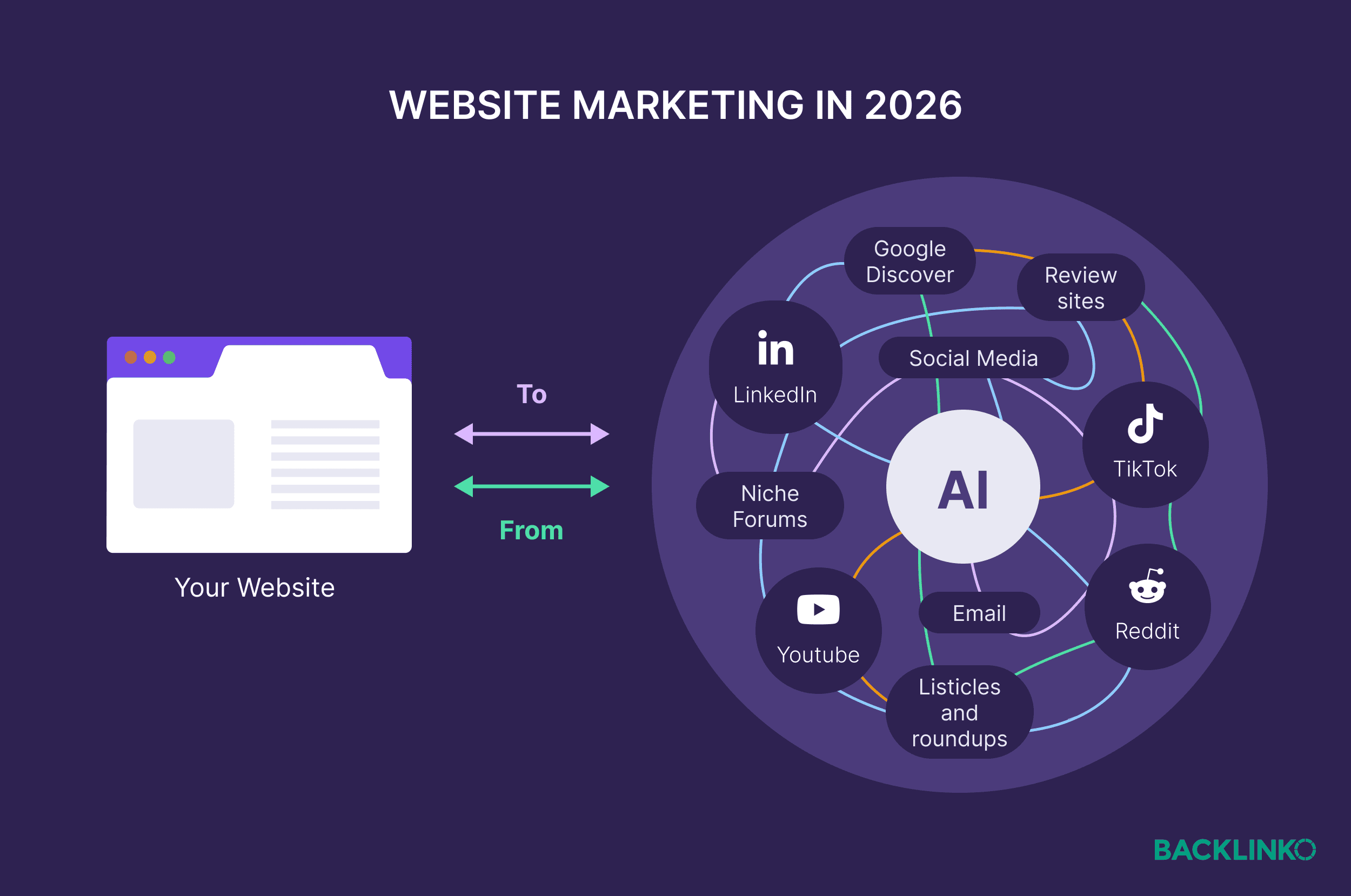
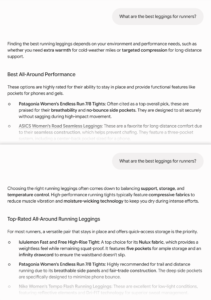
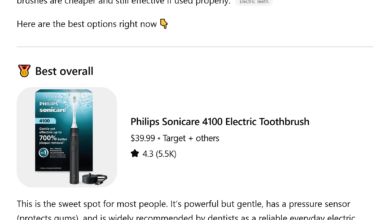
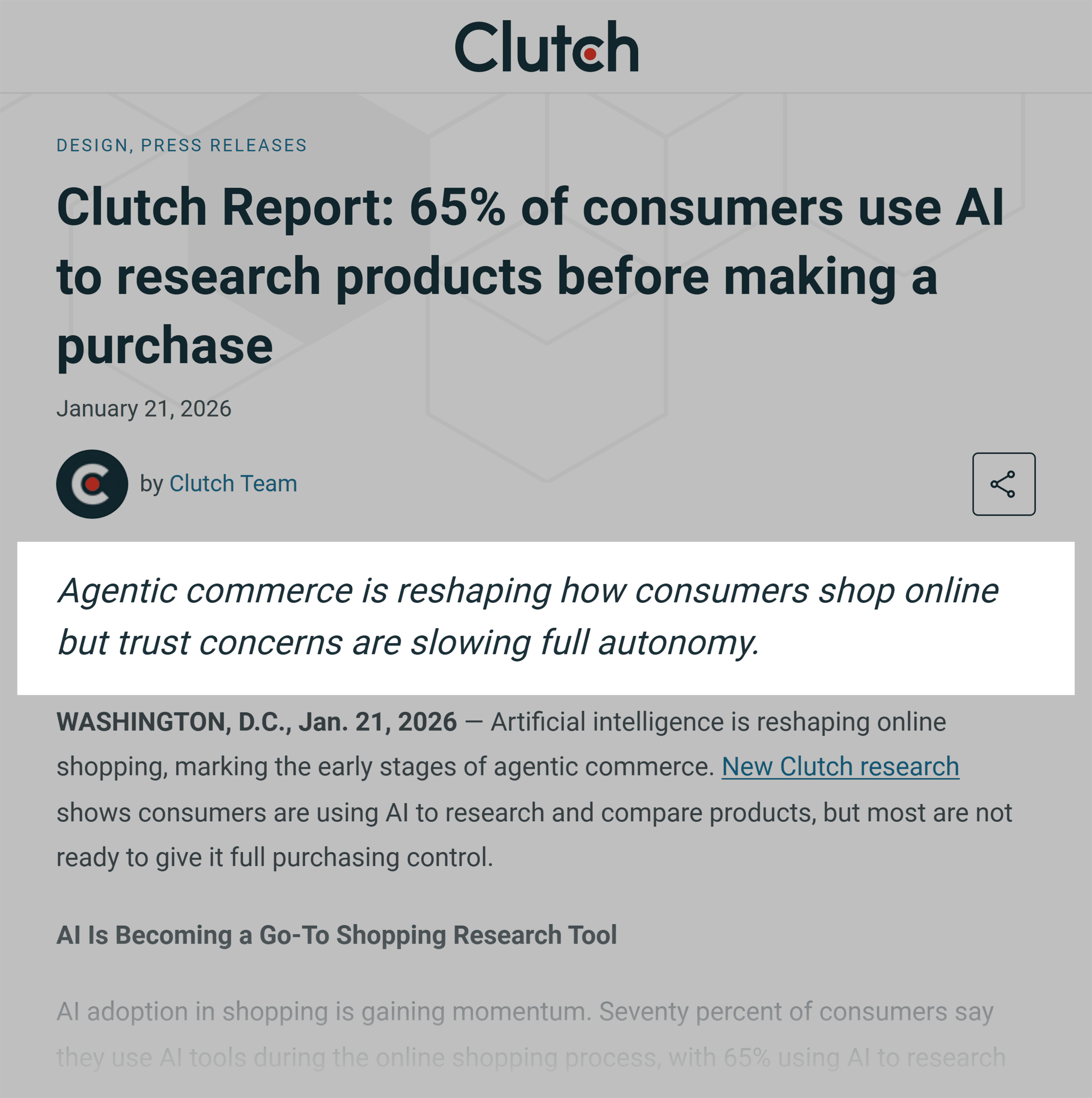
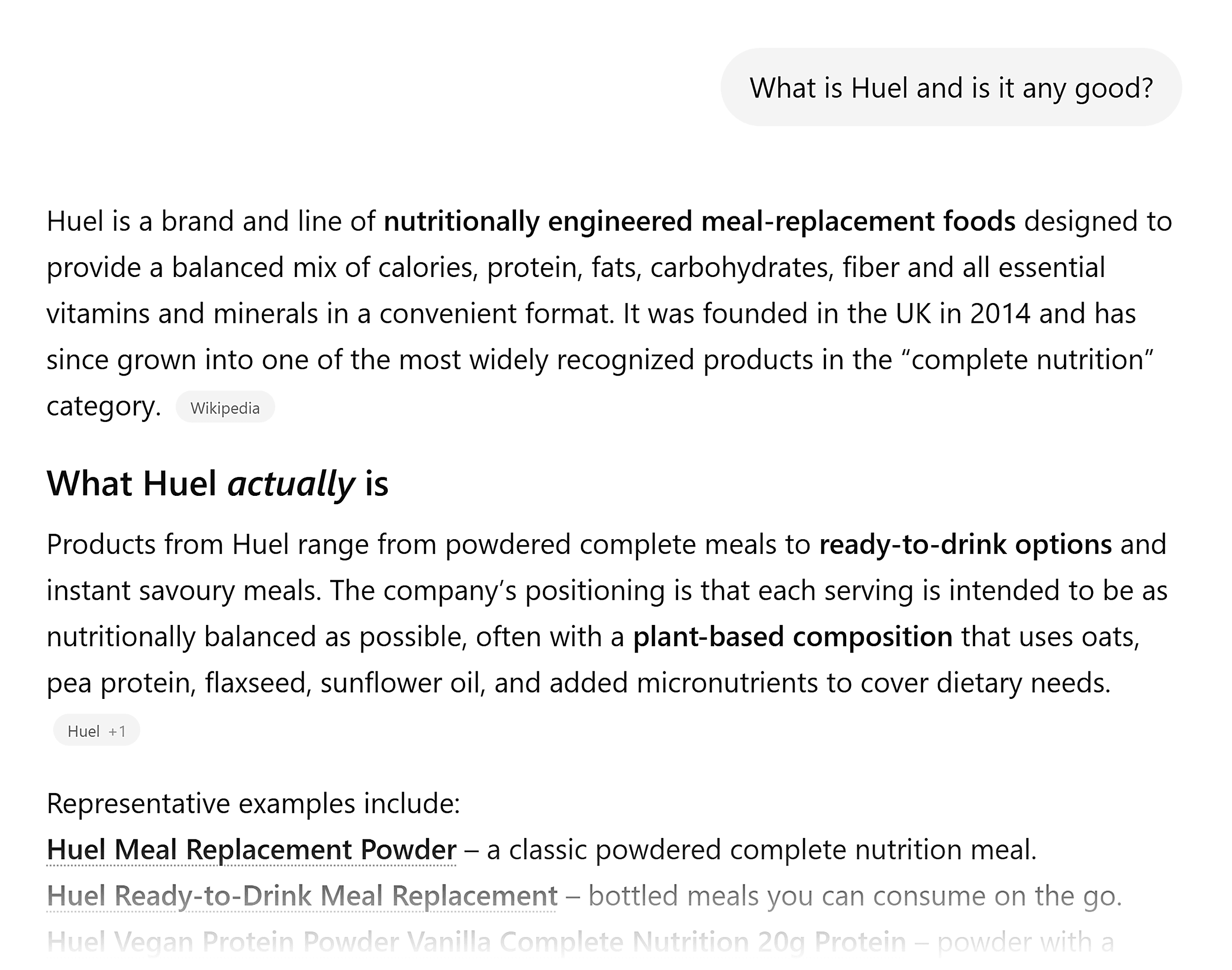
Market research released by Clutch indicates that more than 65% of modern consumers now leverage artificial intelligence tools—ranging from conversational LLMs to generative search assistants—to research products, compare competitors, and evaluate brand authority prior to making a purchase. Consequently, the traditional corporate website is no longer the starting point of the customer journey. Rather, it serves as the final validation checkpoint. If a business lacks visibility, credibility, and consistent messaging across third-party platforms, potential buyers may never reach the domain at all. This shift has forced marketing executives, small business owners, and enterprise brands to re-architect their strategies, moving away from isolated domain promotion toward a holistic ecosystem presence that bridges AI discovery, community engagement, and high-conversion web design.
The Evolution of Brand Discovery: AI and Human Consensus

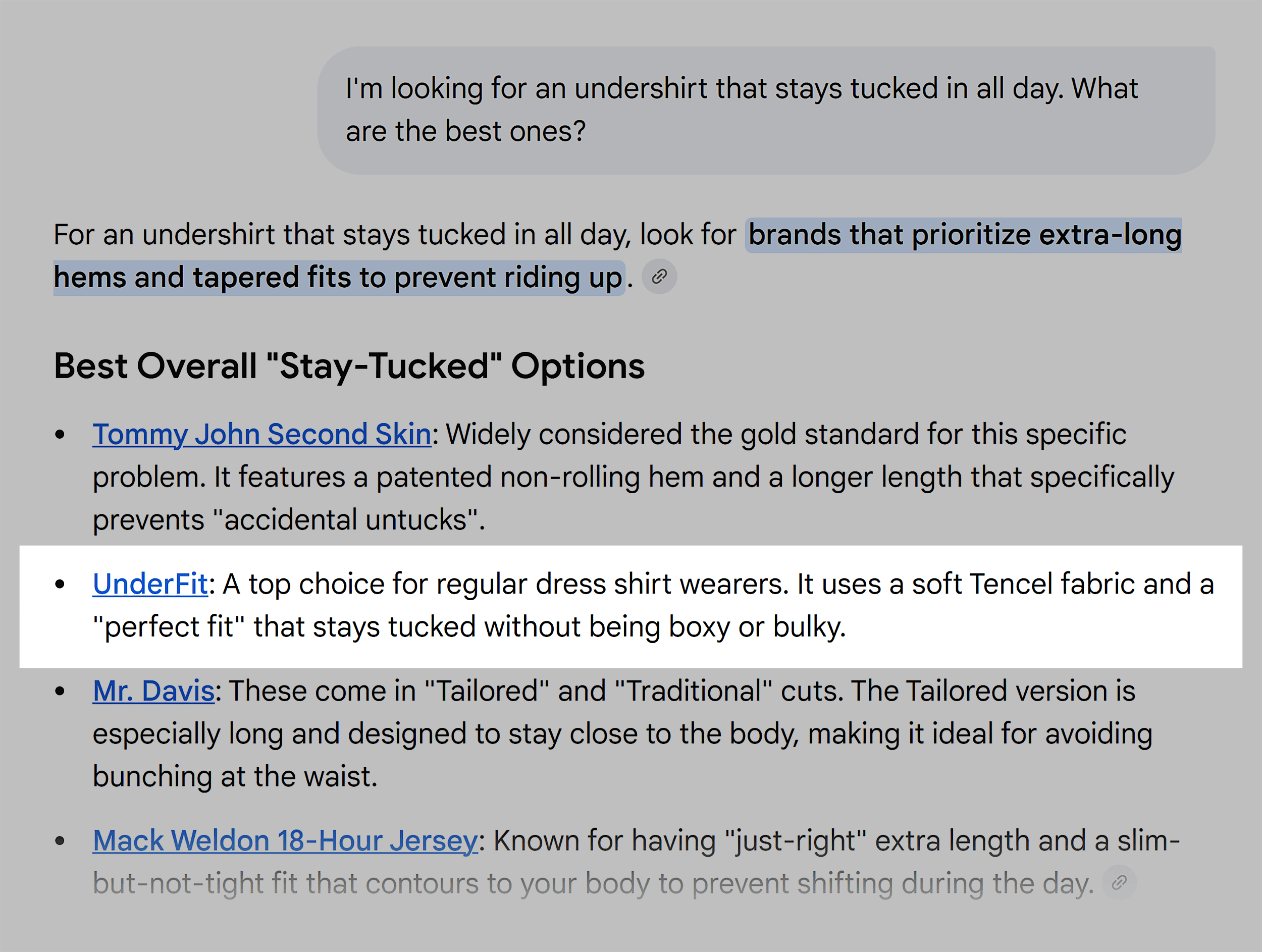
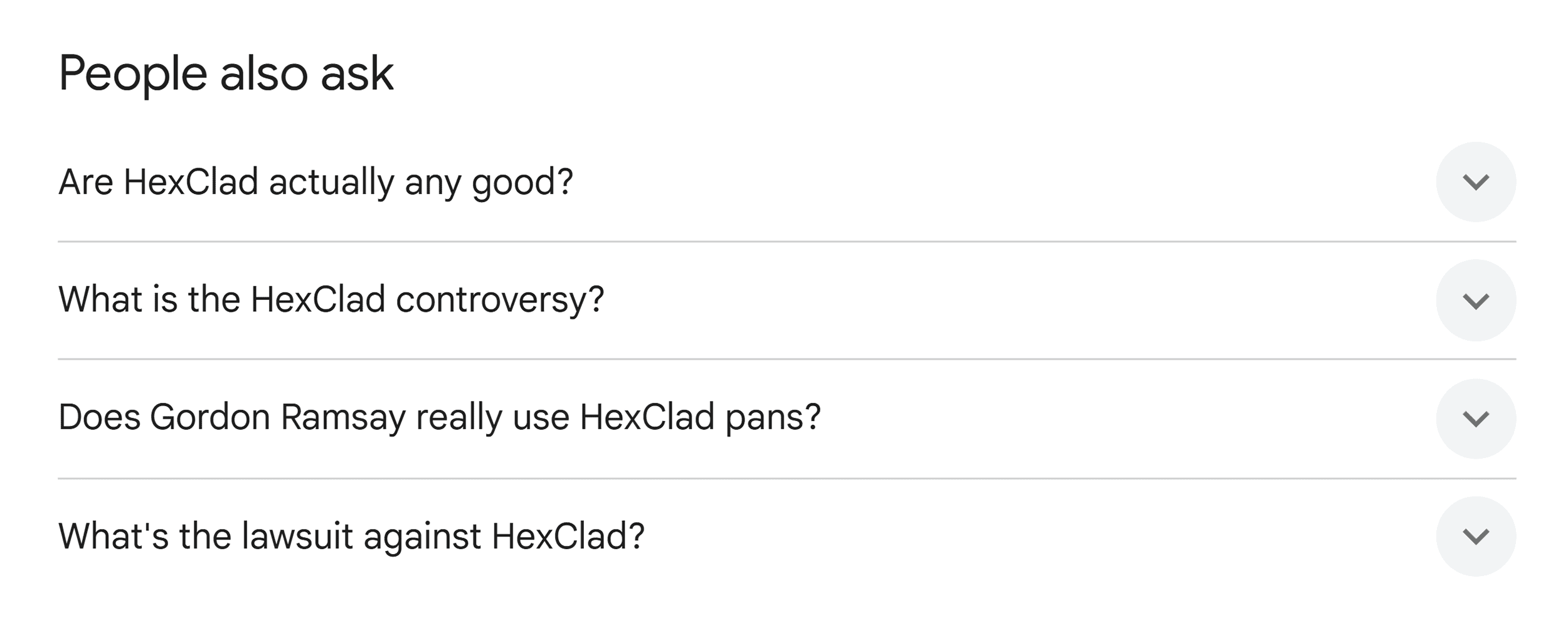
To understand the mechanics of modern website marketing, one must examine how information is aggregated and synthesized across the internet. Large language models do not crawl the web to read individual corporate slogans; they analyze patterns of consensus across Reddit threads, industry review sites, high-authority publications, and social media discussions. If a brand claims a specific value proposition—such as manufacturing an undershirt that remains tucked throughout a rigorous workday—that claim must be corroborated by real-world users across multiple digital touchpoints.

When discrepancies exist between internal brand messaging and external public sentiment, conversational AI tools will highlight the ambiguity, eroding trust before the consumer even views the product catalog. Industry analysts note that successful brands in 2026 actively engineer their digital footprint by establishing rigid, accessible brand messaging guidelines. These documents ensure that everyone from executive leadership to external partners and public relations teams uses precise, repeatable terminology. When this unified language is echoed across external platforms, AI models easily associate specific benefits with the brand, resulting in prominent placement in generative search results.
Structuring Infrastructure for Both Human Readers and Machine Parsers
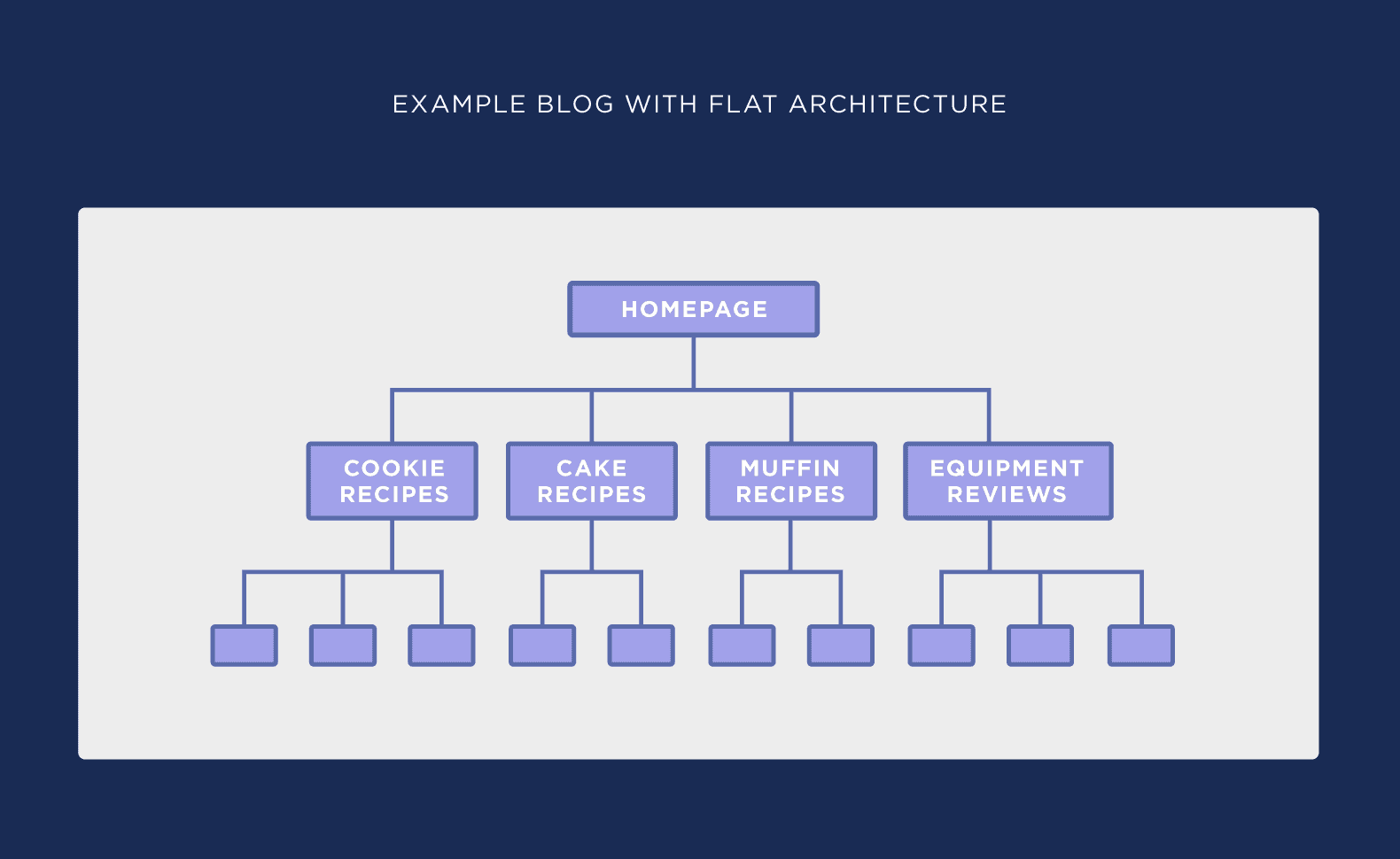
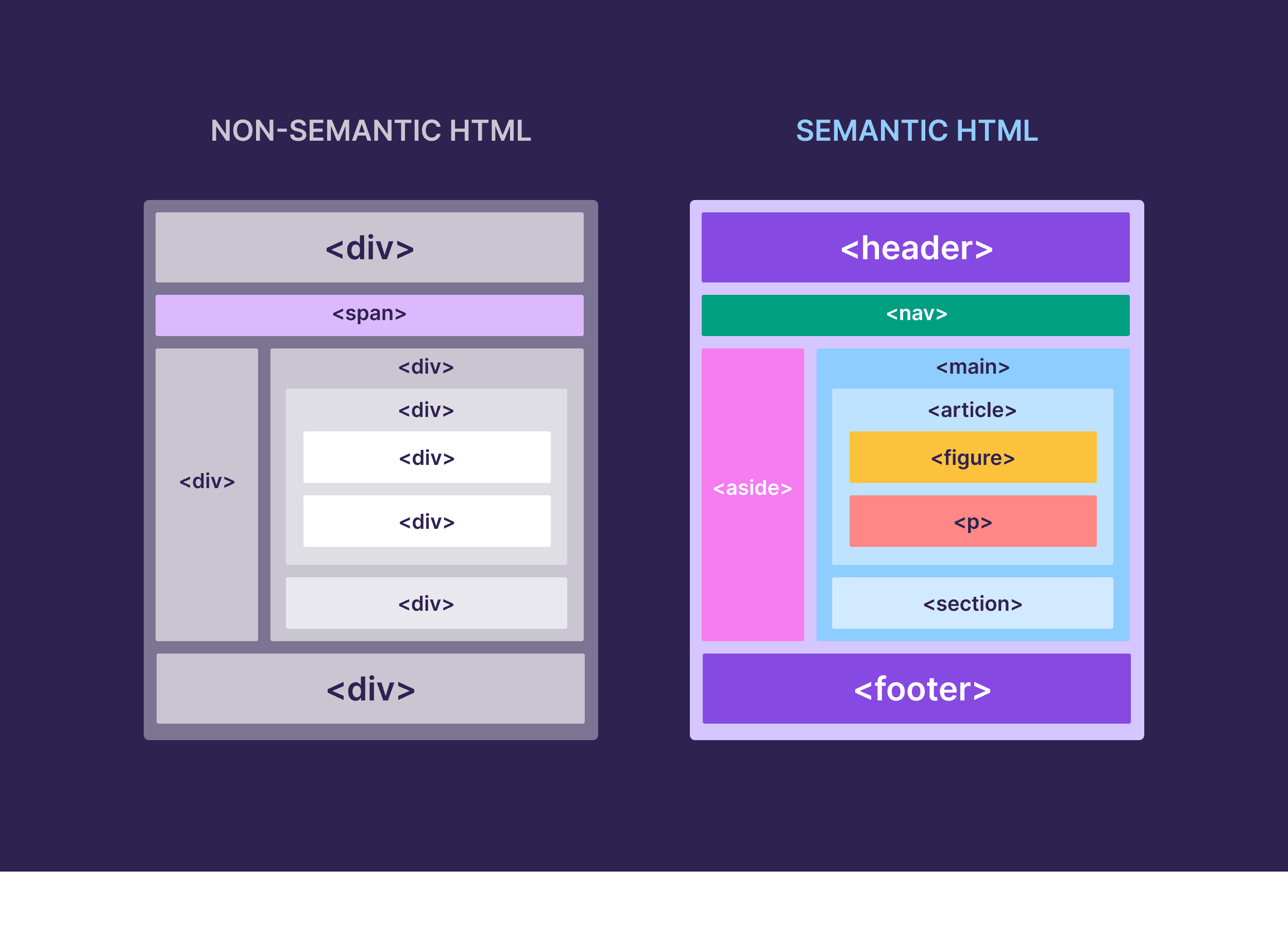
Simultaneously, the internal architecture of the website must adapt to serve two distinct audiences: human decision-makers and automated machine parsers. Because modern traffic arrives in a pre-educated, high-intent state, websites can no longer rely on convoluted navigation or walls of unstructured text. Site architecture must be flat, logical, and optimized for semantic HTML.
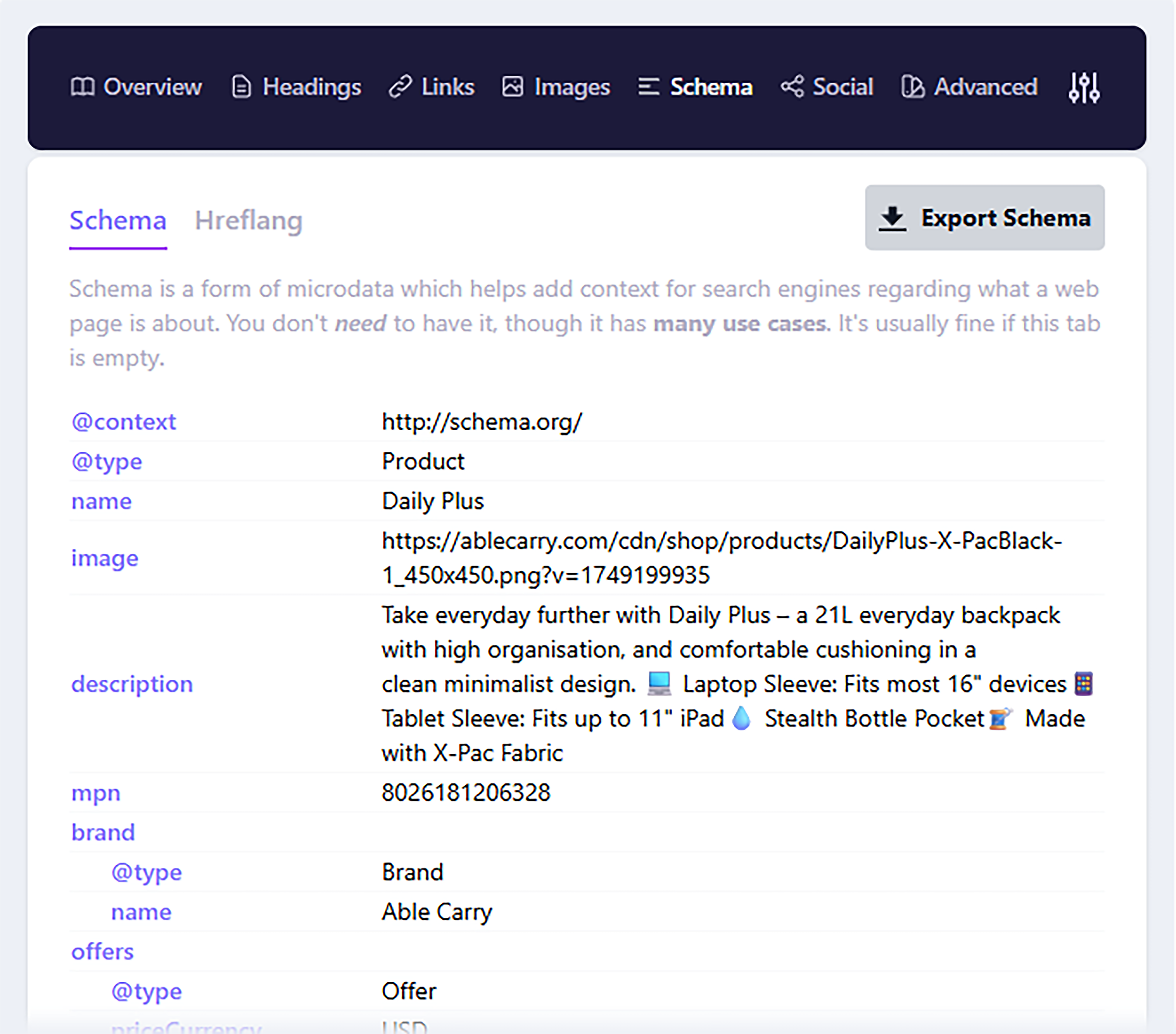
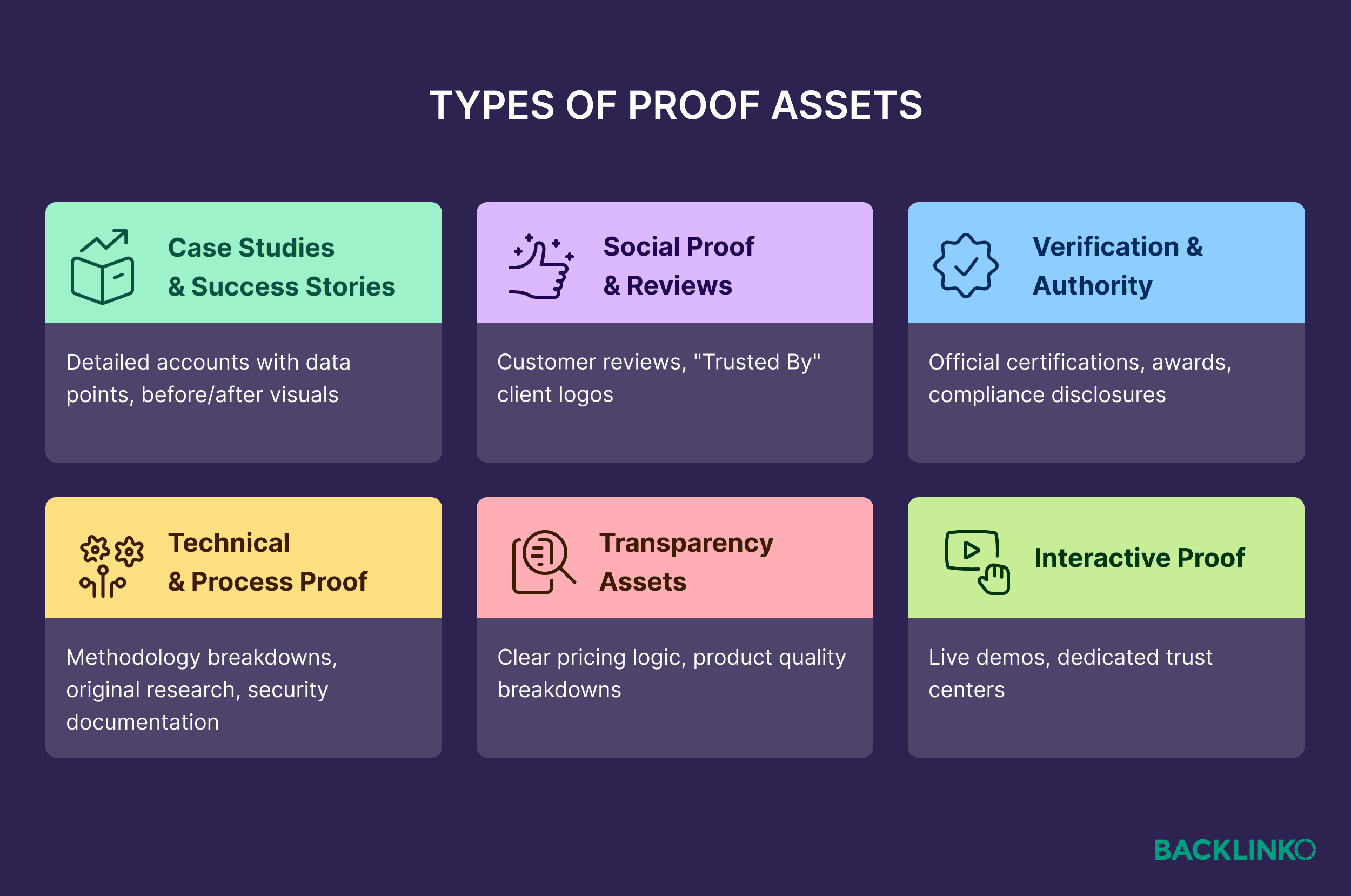
Web developers and content strategists are increasingly implementing rigorous on-page SEO practices, structured data markup (Schema), and clear content hierarchies. These technical elements allow search engine crawlers and LLM scrapers to extract core facts, pricing models, and product specifications instantly. Furthermore, because users arrive with elevated context, the digital interface must immediately reduce friction and address lingering anxieties. Pages located closest to the point of transaction—such as product pages, pricing matrices, and checkout flows—are subjected to aggressive conversion rate optimization (CRO) audits. Elements such as clear return policies, security compliance badges, and transparent pricing structures are critical in eliminating hesitation among skeptical buyers.

The Proliferation of Zero-Click Ecosystems and Multimedia Trust
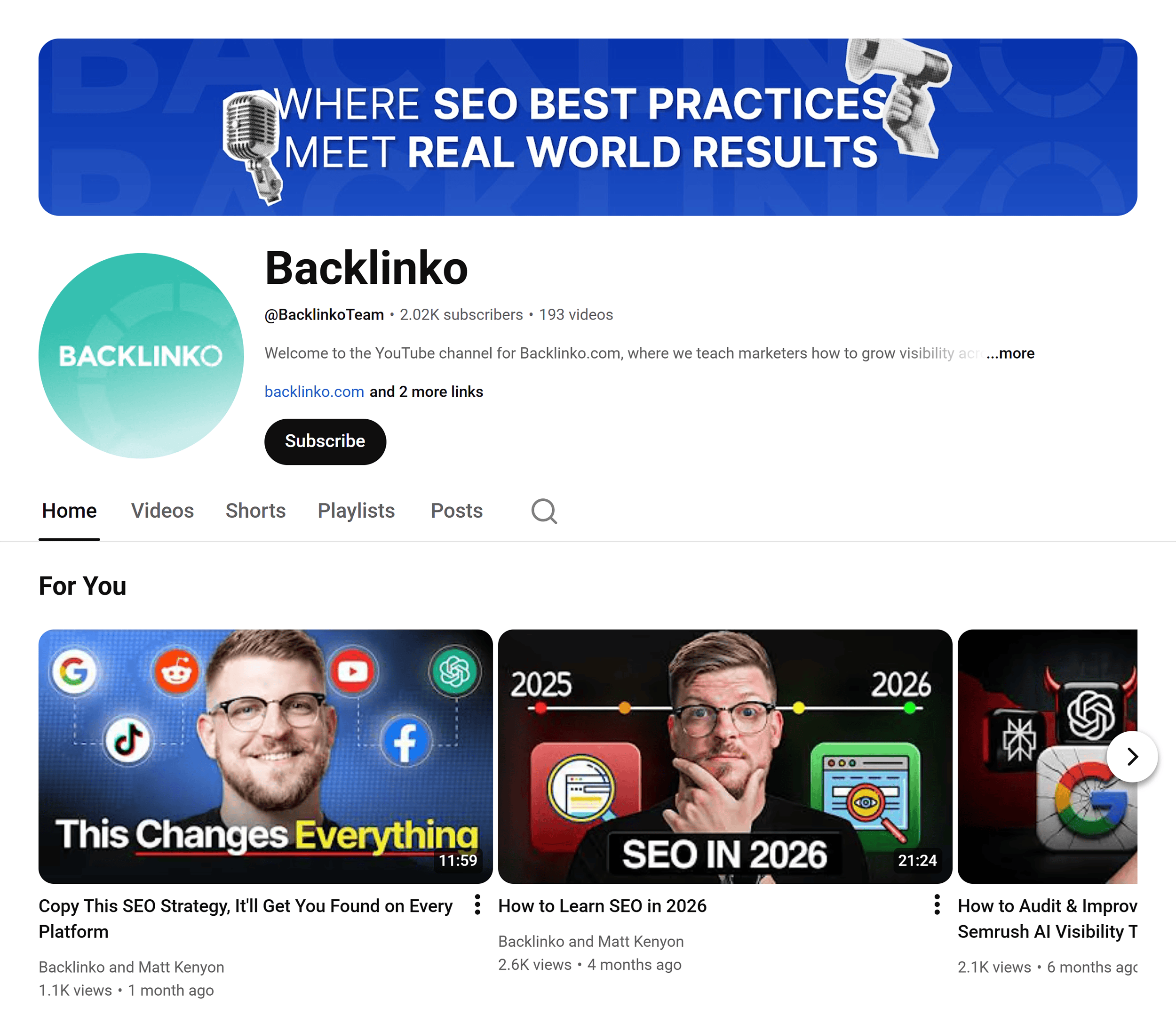
The rise of zero-click search behavior—where users extract complete answers directly from search engine result pages or AI summaries without clicking through to an underlying URL—has elevated the importance of multi-channel trust-building. Brands can no longer rely entirely on written search traffic to build brand equity. Instead, video marketing has emerged as a cornerstone of consumer familiarity.
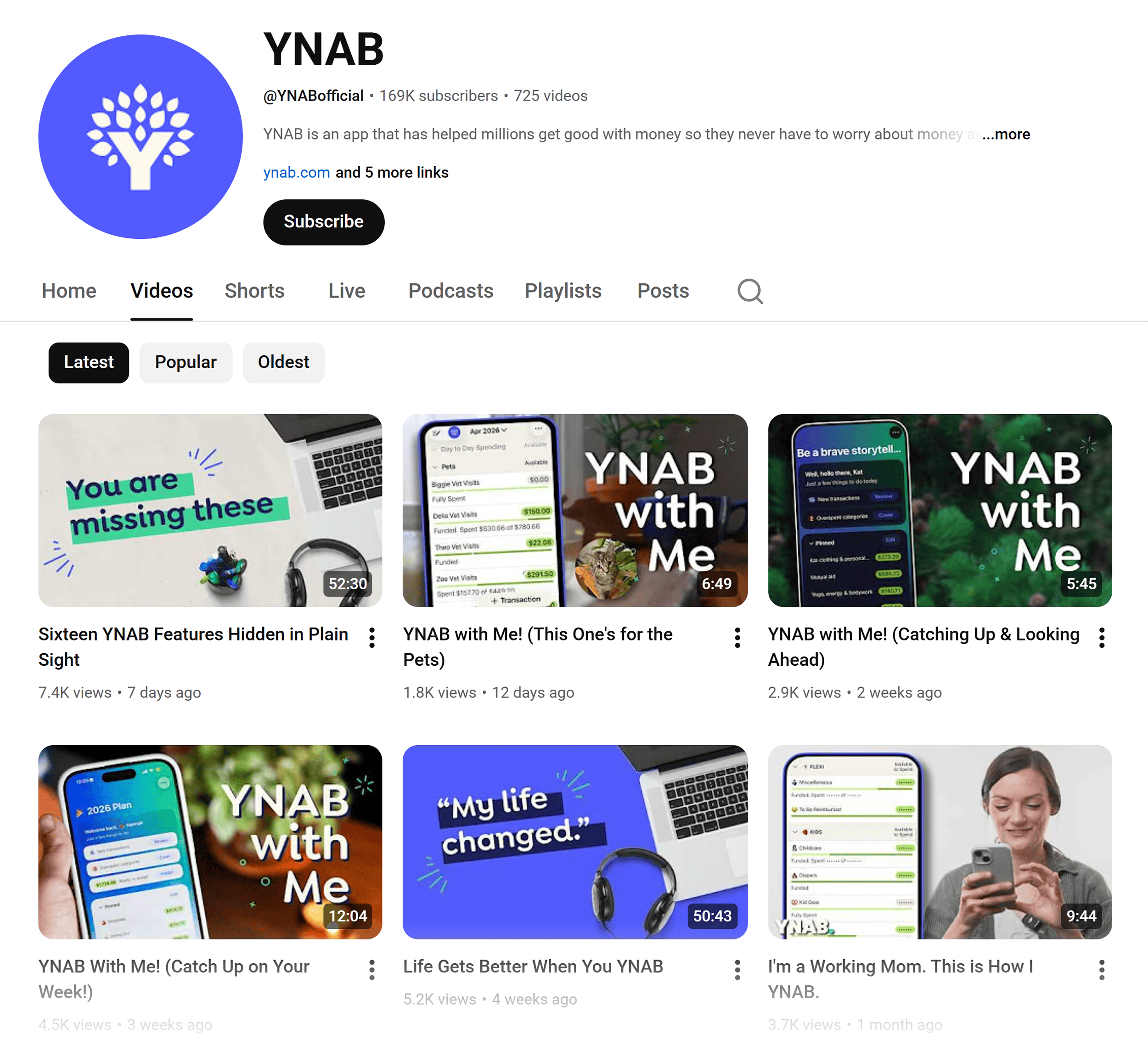
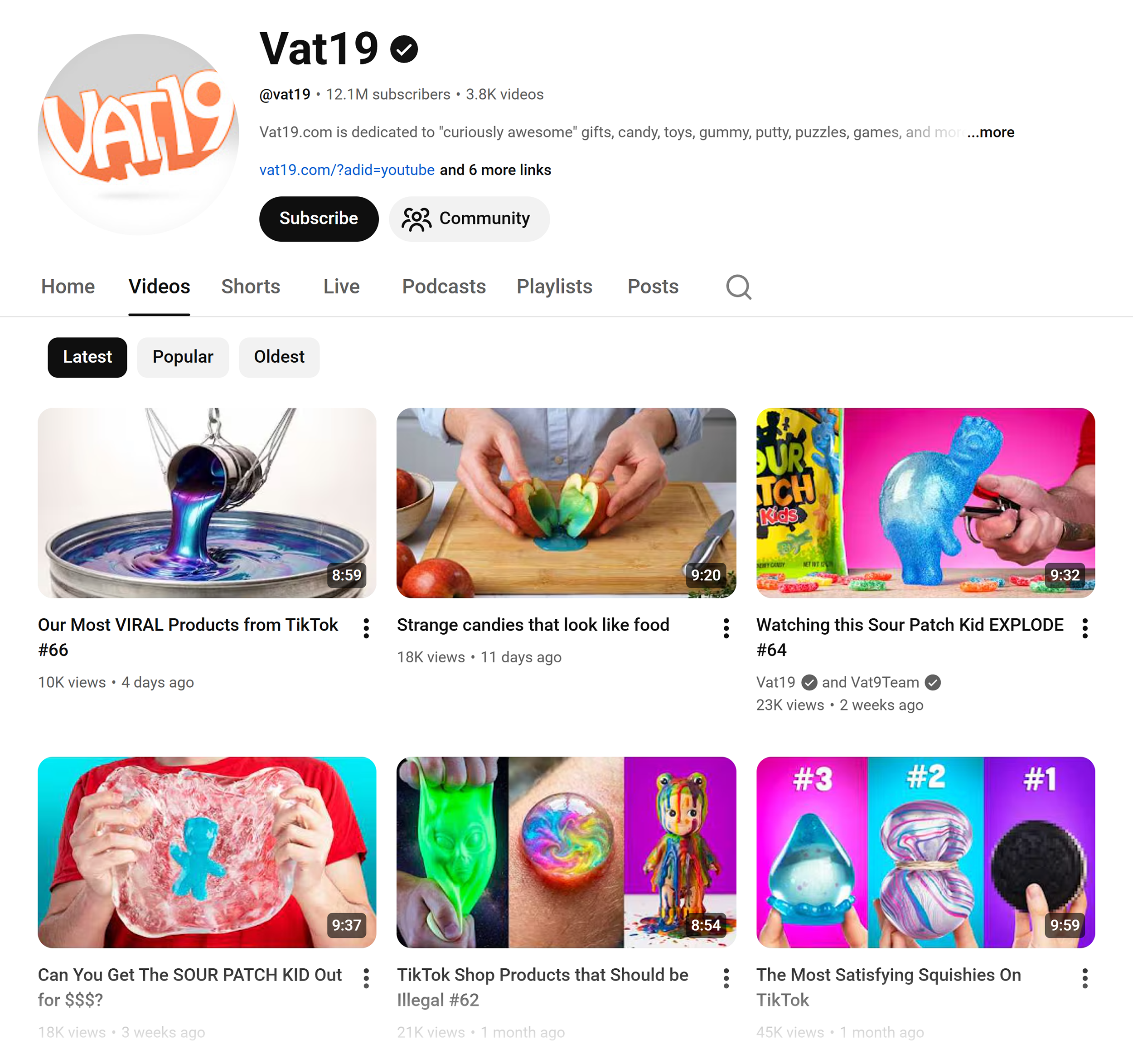
Long-form video content on platforms like YouTube allows prospective buyers to observe product demonstrations, educational tutorials, and founder transparency, creating a psychological bridge of familiarity before any financial transaction takes place. Conversely, short-form video clips distributed across TikTok, Instagram Reels, and professional networks reinforce brand recall through consistent repetition. By addressing recurring customer objections and answering niche questions via video, brands capture attention in fast-moving, algorithmically curated feeds.
Concurrently, capturing traffic from personalized content feeds like Google Discover has become a major objective for digital publishers. Google Discover curates articles based on individual browsing behavior and emerging topics, sending massive, sudden traffic spikes to sites that publish timely, high-stakes content. Newsrooms and corporate blogs have adapted by establishing dedicated editorial lanes focused on industry developments, regulatory changes, and trend analysis, packaged with compelling headlines and high-resolution visual assets.
Behavioral Targeting and the Human Element Behind the Brand
As digital interactions become increasingly automated, consumers place a high premium on authenticity and human representation. The sheer volume of AI-generated content online has driven a resurgence in thought leadership driven by recognizable individuals. Companies that position founders, executives, or subject-matter experts as public advocates—through active participation in niche communities, industry panels, and professional networks—enjoy significantly higher trust metrics. When a consumer recognizes a human face and voice associated with an enterprise, the perceived risk of engaging with that brand diminishes.
To capitalize on this dynamic, sophisticated organizations are deploying behavioral email marketing workflows that extend the website experience long after the visitor departs. Rather than relying on generic broadcast messages, modern marketing automation triggers tailored communications based on specific site actions—such as abandoned checkouts, pricing page visits, or post-purchase milestones. Grounded in the psychological principle of reciprocity, providing immediate value through personalized follow-ups encourages prospects to return and complete their transactions.
Implications and Future Outlook for Digital Strategists
The overarching implication of the 2026 marketing landscape is that website promotion can no longer be treated as an isolated discipline. Effective website marketing requires an integrated approach that simultaneously manages brand reputation across AI models, fosters active community engagement on third-party forums, utilizes multimedia storytelling, and optimizes transactional pathways for high-intent visitors.

Organizations that cling to outdated, siloed SEO and promotion tactics will find themselves increasingly invisible as discovery shifts further toward conversational interfaces and decentralized recommendations. Conversely, enterprises that embrace a holistic, human-centered, and machine-readable ecosystem will secure higher-intent traffic, stronger conversion rates, and enduring market authority in an increasingly competitive digital economy.