The Unified Front: Why Integrated PR and SEO are Indispensable for Brand Authority in the AI Era

PR and SEO used to be separate disciplines, operating in distinct silos with differing objectives and metrics. However, in today’s dynamic digital landscape, characterized by constantly evolving search algorithms and the transformative rise of Large Language Models (LLMs), this compartmentalized approach is no longer sustainable. Brands can no longer afford to keep these critical functions isolated if they wish to achieve meaningful visibility and establish enduring authority.
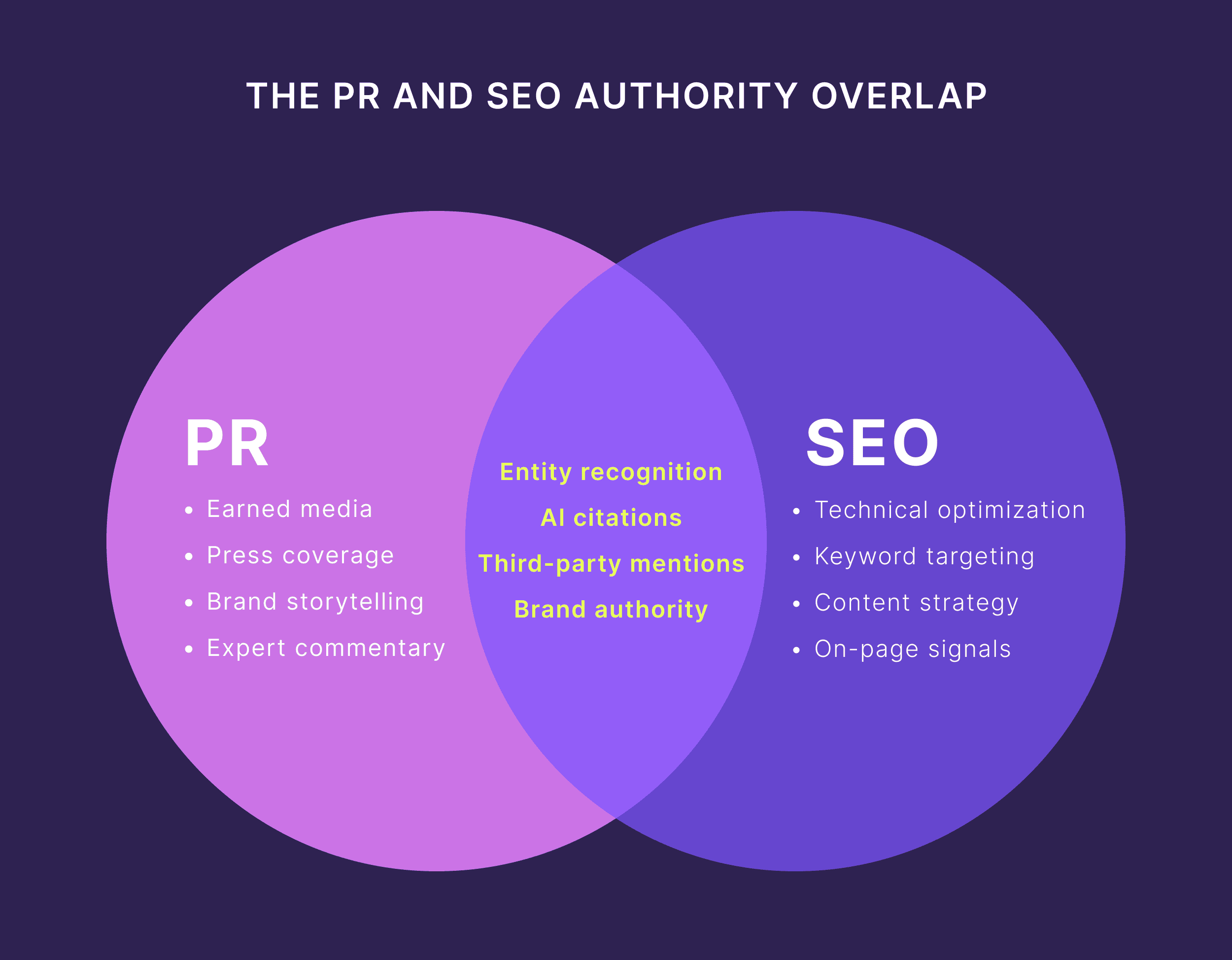
The fundamental shift lies in how modern information systems, particularly Google and various LLMs, evaluate and prioritize content. Both rely heavily on a complex array of third-party signals to determine which brands, individuals, and pieces of information genuinely deserve prominence and trust. These signals encompass a broad spectrum, including high-quality backlinks from reputable sources, consistent brand mentions across diverse platforms, credible expert commentary, and favorable coverage in trusted publications. Critically, both Public Relations (PR) and Search Engine Optimization (SEO) are instrumental in generating these very signals. Yet, despite this inherent synergy, most organizational teams continue to operate independently, inadvertently leaving significant opportunities for authority-building untapped.
Historically, collaboration between PR and SEO, when it occurred, was often superficial. PR was frequently viewed merely as a tactical avenue for link-building, rather than a strategic partner in a holistic authority generation effort. This narrow perspective failed to harness the full potential of a truly integrated approach. The real, compounding gains in brand visibility and trust materialize when these teams function as a cohesive, unified force. This article outlines a comprehensive five-step playbook designed to transform PR and SEO into an always-on authority engine, capable of navigating and dominating the complex ecosystems of traditional search, diverse media channels, and emerging LLMs. To provide practical insights, this discussion incorporates perspectives from leading digital PR experts, Britt Klontz, founder of Vada Communications, and Rola Tfaili, Communications Manager for North America at Xero, on how they are fostering such partnerships to build robust authority across these crucial domains.
The Evolution of Digital Trust: From Keywords to Holistic Authority
For decades, PR focused on media relations, reputation management, and earned media placements, while SEO was largely a technical discipline centered on keywords, on-page optimization, and link acquisition. Google’s algorithmic updates, particularly those emphasizing E-A-T (Expertise, Authoritativeness, Trustworthiness) and its expanded form, E-E-A-T (Experience, Expertise, Authoritativeness, Trustworthiness), began to signal a profound shift. These frameworks underscored the importance of genuine credibility and demonstrable authority, moving beyond mere technical signals. Brands were increasingly rewarded for being recognized as legitimate, reliable sources by third parties.
The advent of generative AI and LLMs has dramatically accelerated this trend. AI models, designed to provide comprehensive and authoritative answers, scour vast datasets to synthesize information. Their reliability is directly tied to the credibility of their source material. Consequently, brands that are consistently cited, referenced, and validated across a wide array of trusted third-party platforms are far more likely to be featured as authoritative sources in AI-generated responses. Data from AirOps indicates that brands are an astounding 6.5 times more likely to appear in AI answers through third-party signals than through their own content alone. This statistic alone underscores the immediate and urgent need for PR and SEO to combine their strengths.
Blueprint for an Integrated Authority Engine: A Five-Step Playbook
Achieving sustained visibility and authority in this new digital paradigm requires a systematic, collaborative approach. The following five steps provide a clear roadmap for PR and SEO teams to integrate their efforts effectively.

Step 1: Synchronizing Research and Intelligence for Emerging Opportunities
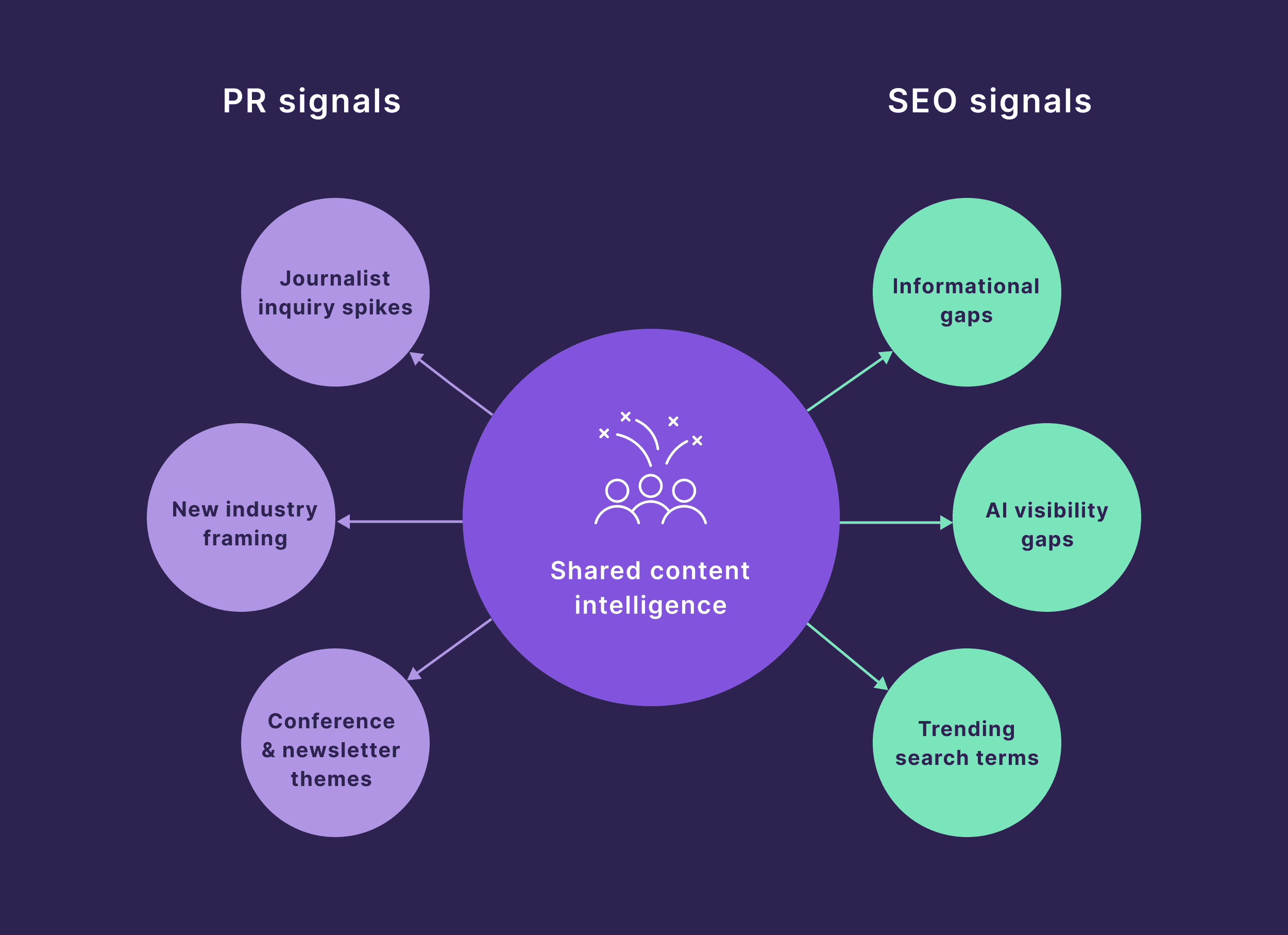
An effective, always-on partnership between PR and SEO begins with shared intelligence. Without a unified view of the market landscape and audience interests, predictable gaps emerge, leading to missed opportunities and inefficient resource allocation. Both teams possess unique insights that, when combined, can identify high-impact content angles and distribution pathways.
PR teams are often on the front lines of public discourse, acutely aware of emerging trends. Their insights might include sudden spikes in journalist inquiries around specific topics, the adoption of new phrases or framing by influential industry voices, or recurring themes observed across newsletters, conferences, and trade publications. These real-time observations offer invaluable foresight into topics that are gaining cultural currency, often before they register significant search volume. As Britt Klontz, a digital PR consultant and founder of Vada Communications, emphasizes, the most impactful results are achieved when PR and SEO converge their strengths during the initial ideation phase, ensuring that content is not only optimized for search but also inherently newsworthy and pitchable.
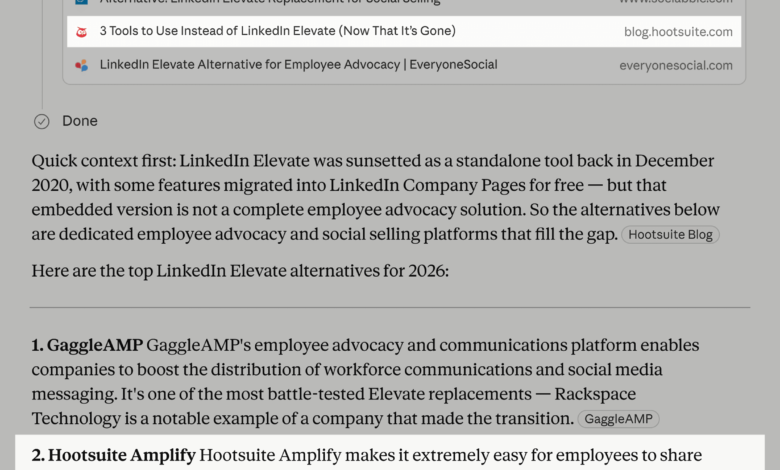
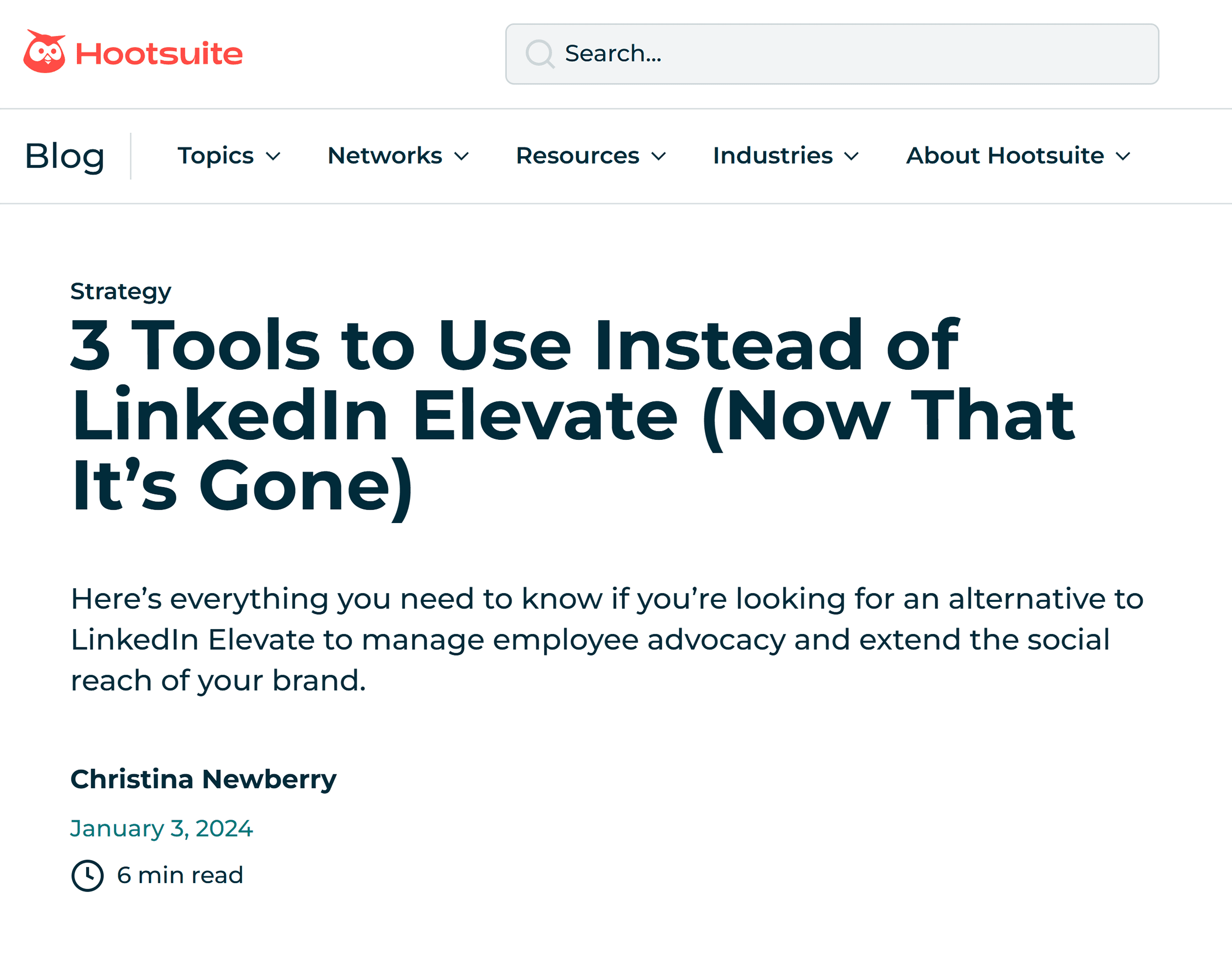
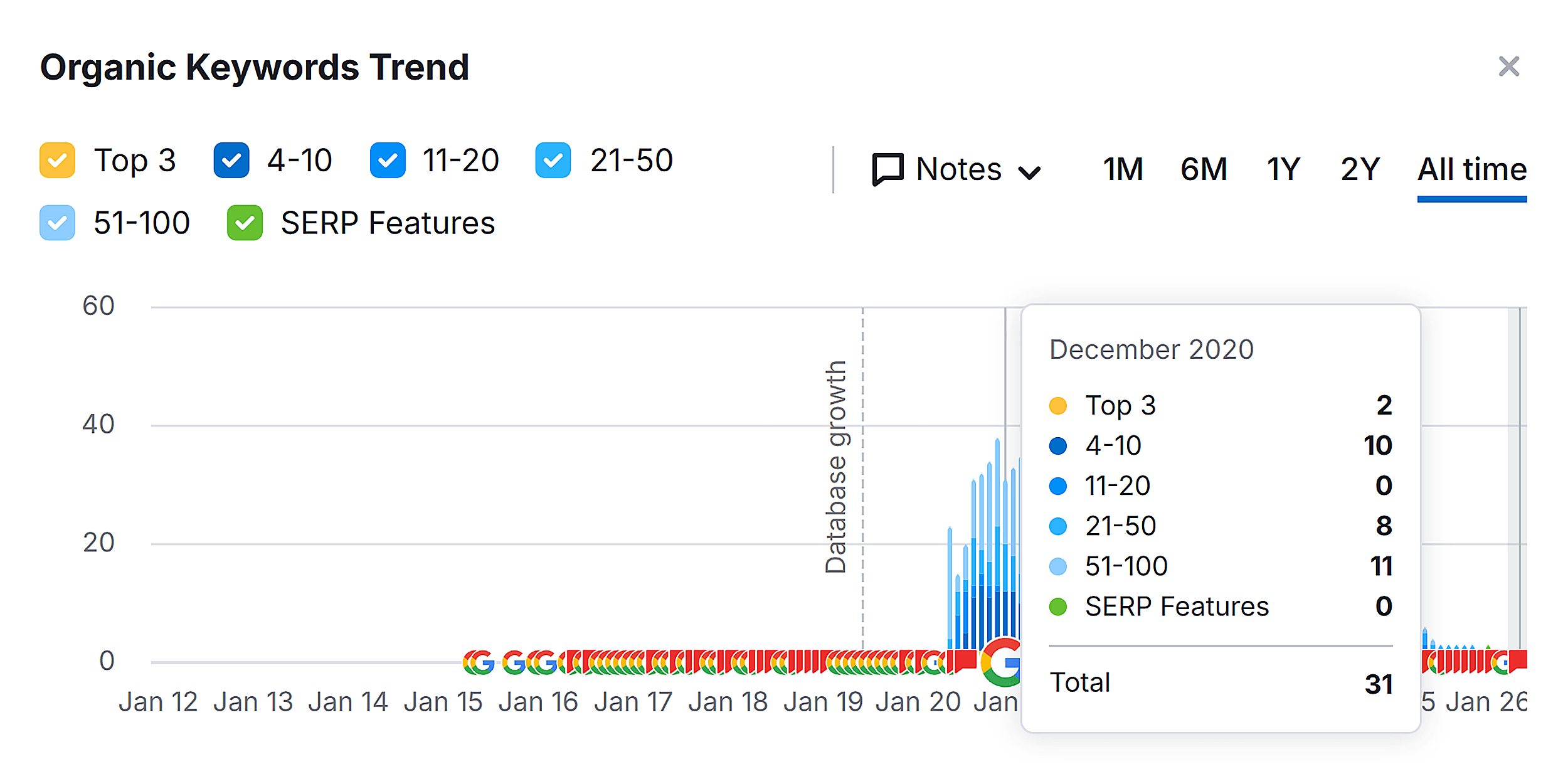
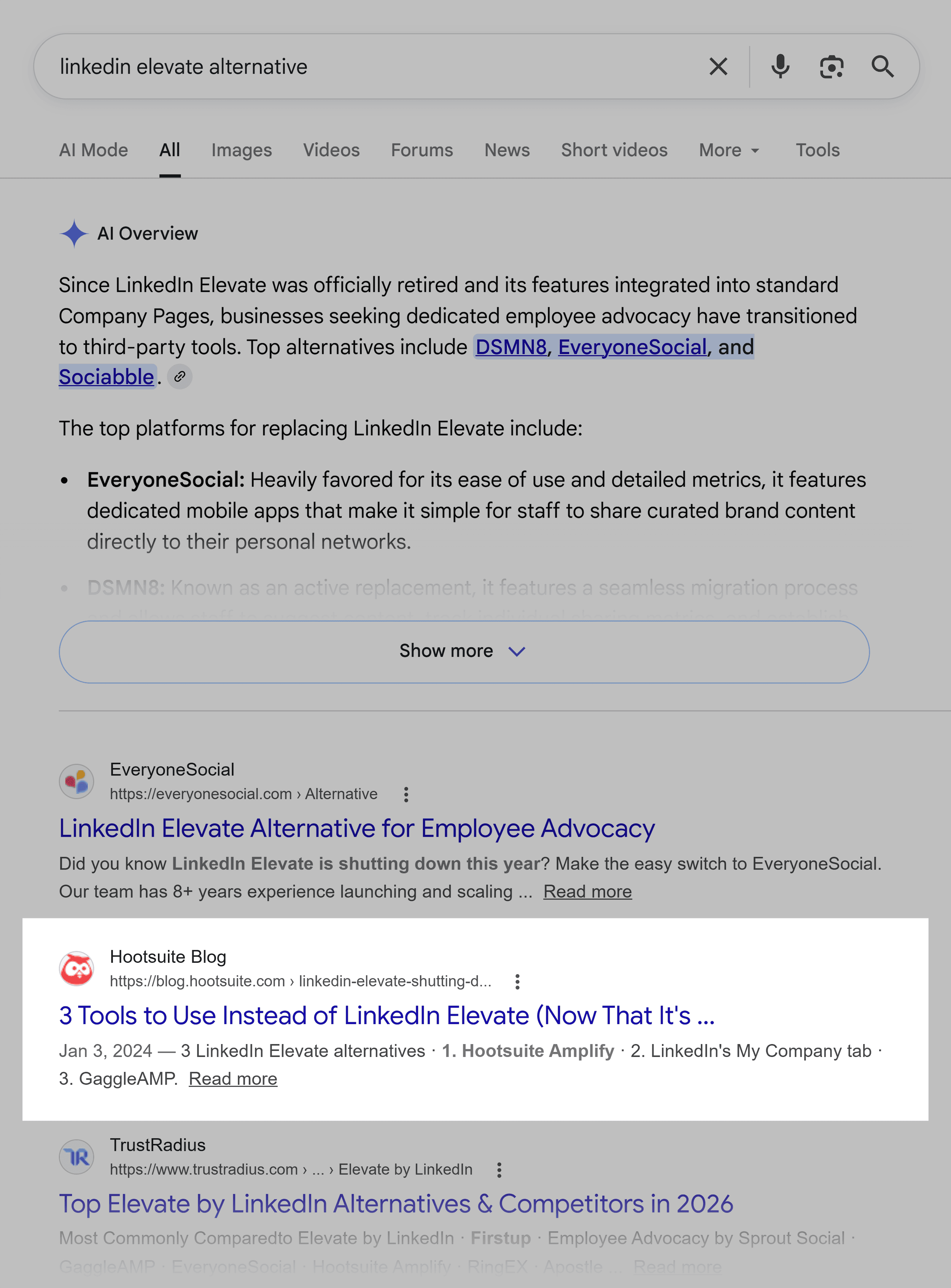
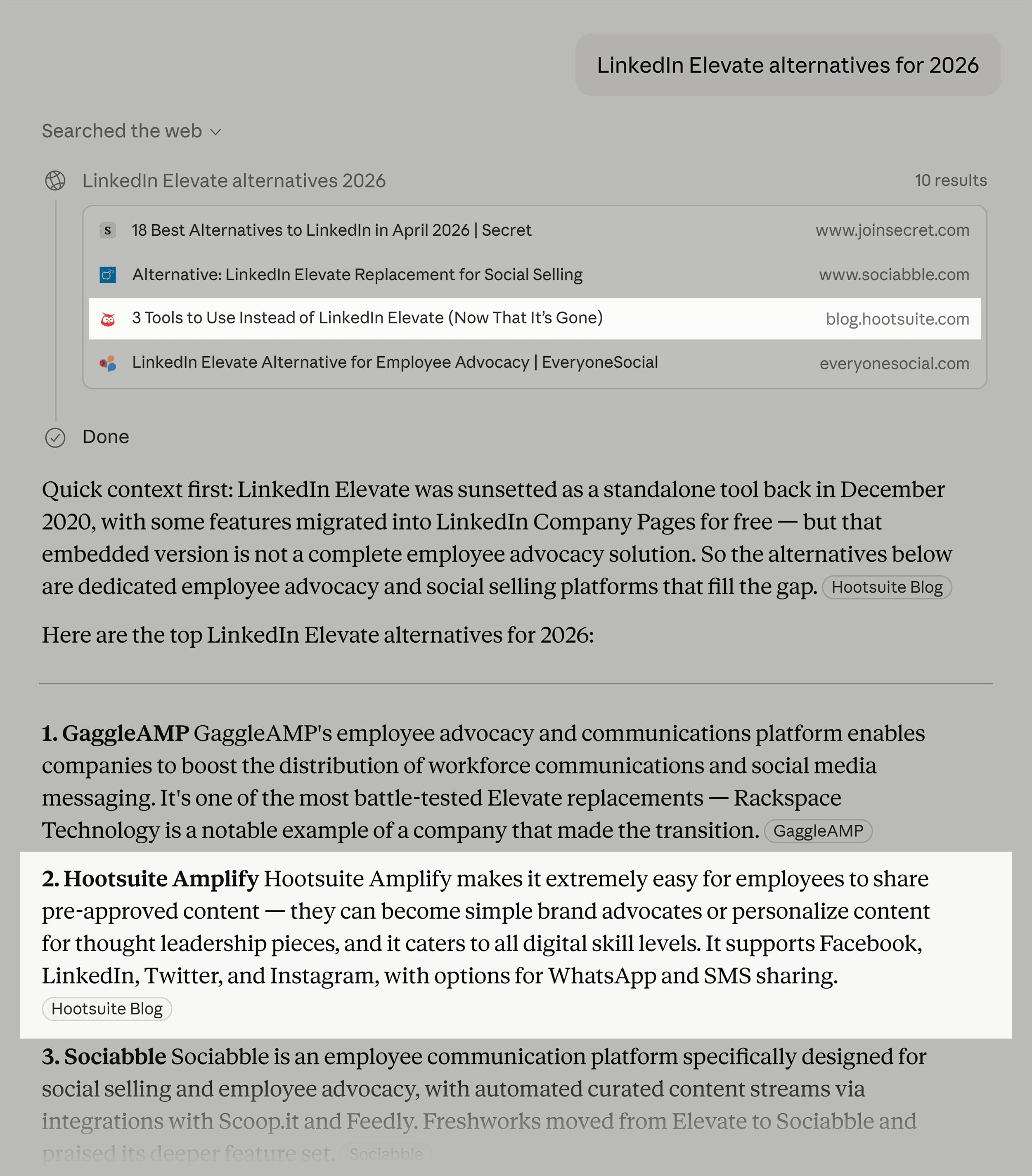
For instance, at the Hootsuite Blog, the PR team identified an imminent trend when LinkedIn announced the shutdown of its "Elevate" feature. Despite a lack of existing search volume, this insight prompted the creation of a blog post addressing the topic. The proactive content quickly attracted backlinks and generated a surprising volume of demo requests. Months later, as the news disseminated more widely, search volume materialized, and the Hootsuite post had already established itself as the top-ranking result. This strategic foresight also led to AI tools like Claude citing the blog post as a primary source for relevant prompts. This example powerfully illustrates how shared intelligence and swift action can capture market share, backlinks, and AI citations that would otherwise have gone to competitors.
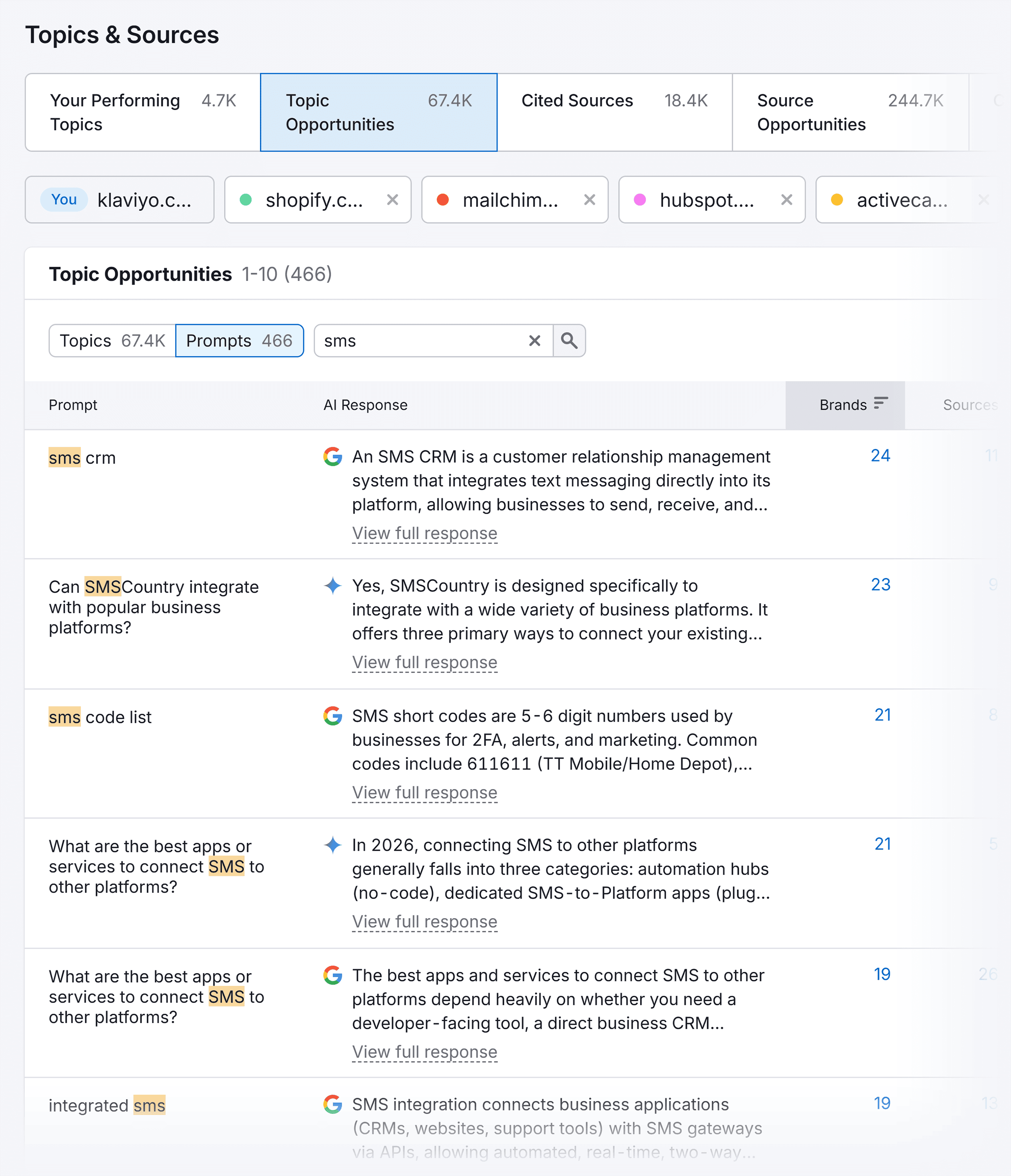
Conversely, SEO teams possess a wealth of data regarding audience intent, existing content gaps, and the competitive landscape. When conducting keyword research, SEO specialists can identify:
- Keywords with "Top Stories" or "People Also Ask" SERP Features: These indicate high topical relevance and a strong likelihood of media interest, as Google is already surfacing news-related content or common user questions.
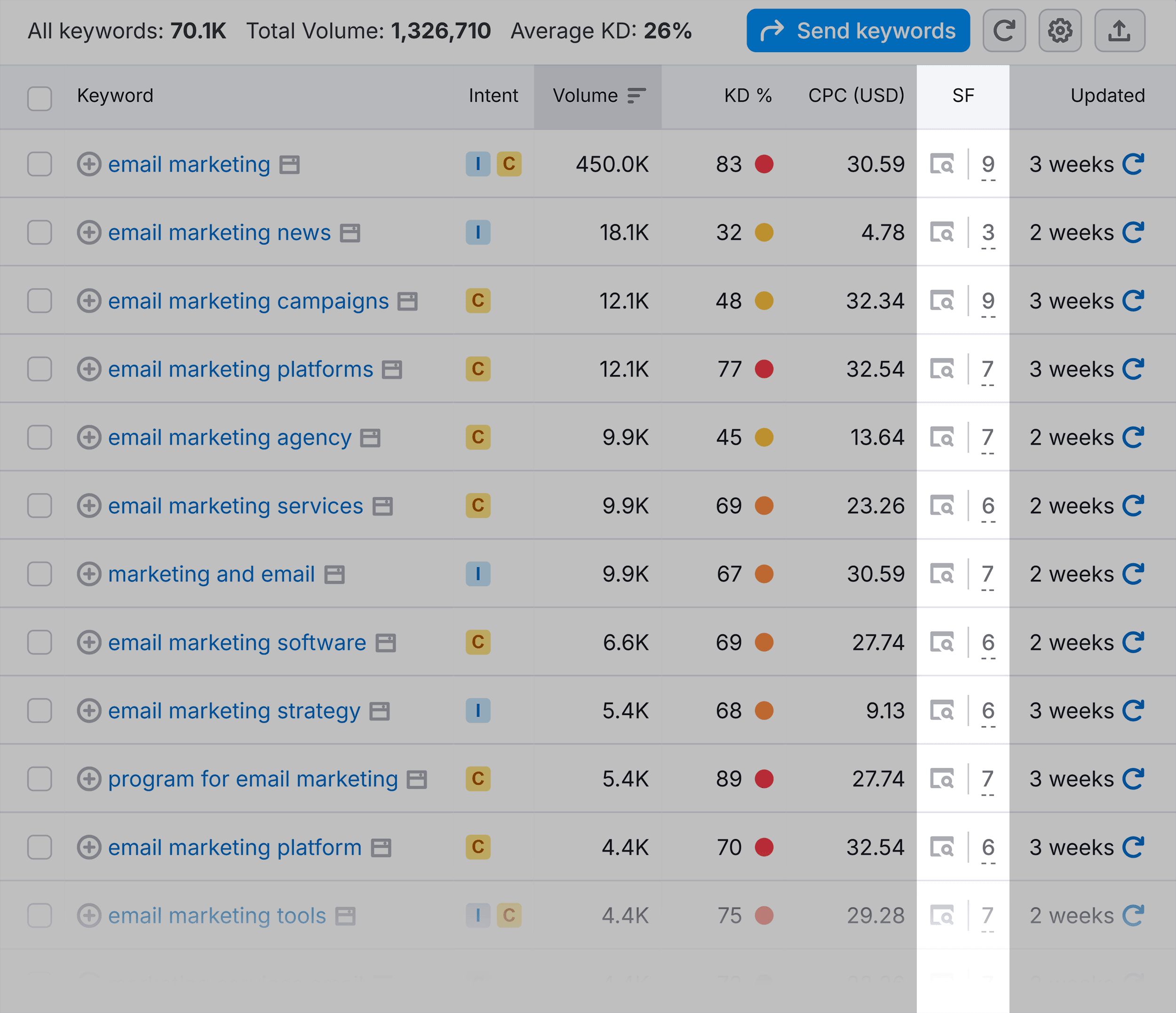
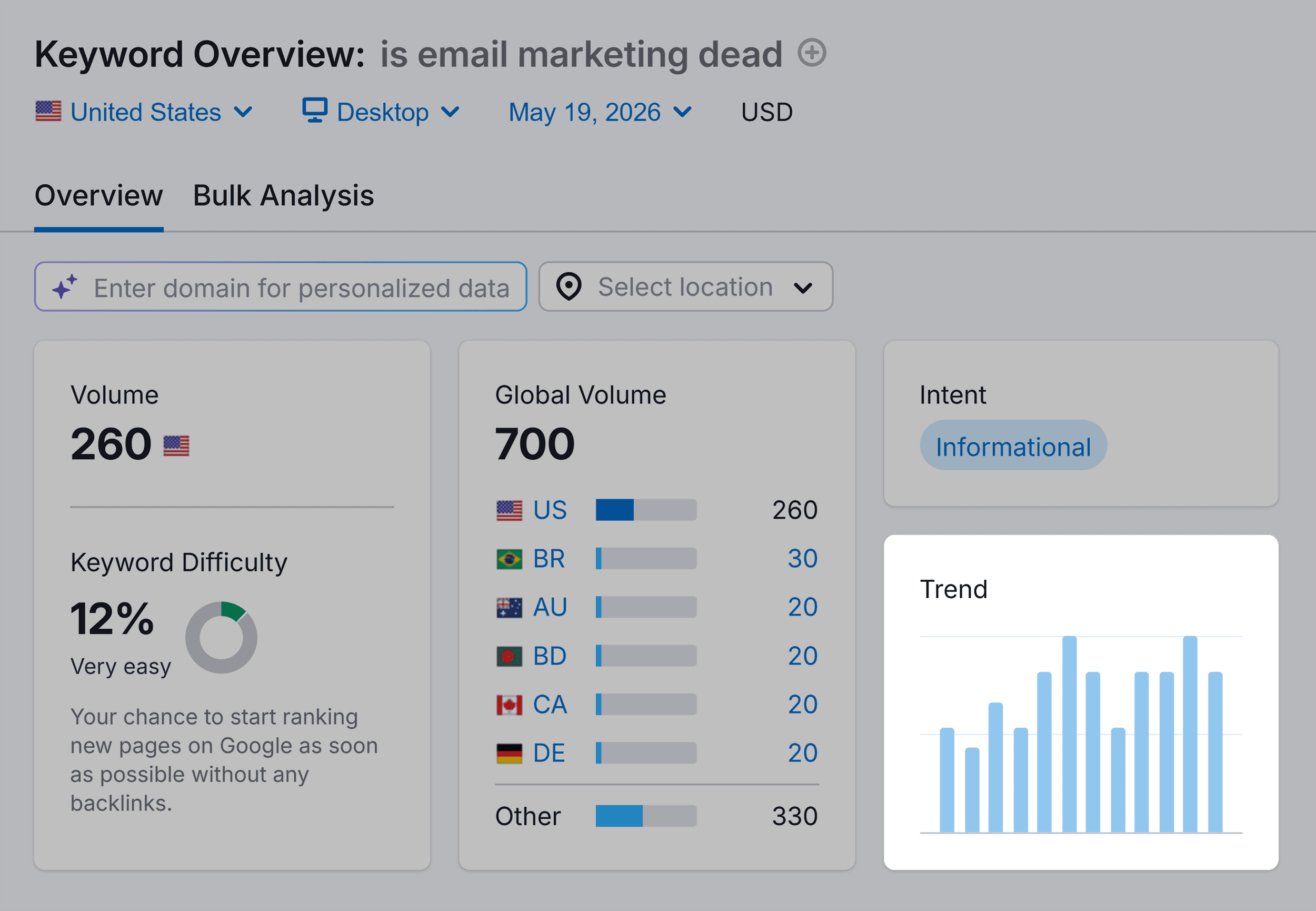
- Keywords with rising search trends: Using tools like Semrush’s Keyword Overview, SEO can spot topics gaining consistent momentum over 12 months, signaling growing public and media interest.
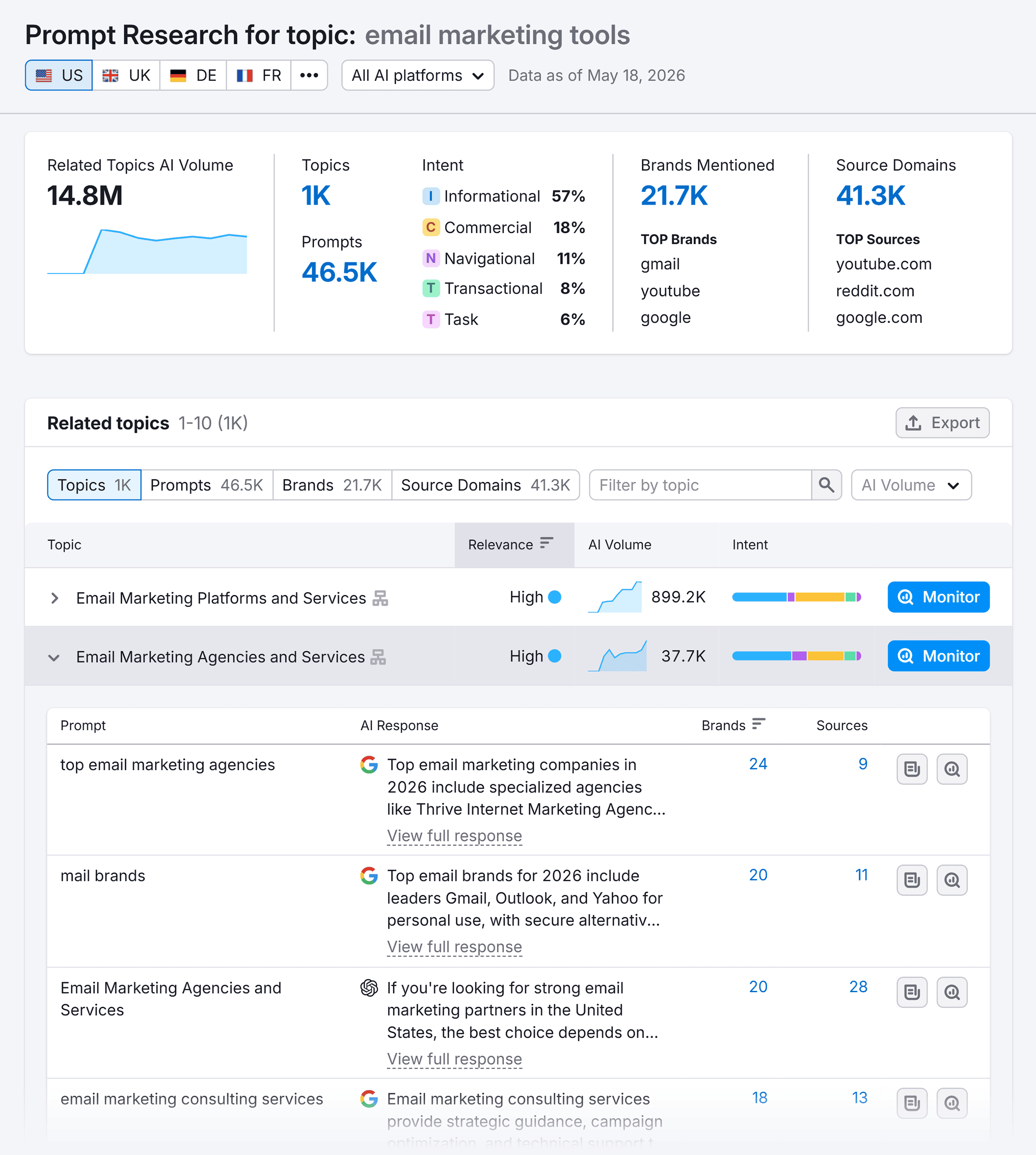
- AI Prompt Data: Advanced tools like Semrush’s AI Visibility Toolkit provide insights into actual prompts users are submitting to LLMs. This allows teams to identify what competitors are gaining AI visibility for and where a brand’s authority should be asserted.
Rola Tfaili, Communications Manager at Xero, highlights the importance of integrating SEO insights from the outset. By bringing SEO into her process early, she ensures that content topics are not only newsworthy but also aligned with actual search demand and potential AI citation opportunities. A shared communication channel—be it a Slack channel, a collaborative spreadsheet, or a standing agenda item in regular meetings—is crucial for PR to flag emerging trends and for SEO to share data-backed opportunities in real-time. Topics that appear on both PR’s radar for emerging trends and SEO’s data for rising search/AI demand represent the highest-priority opportunities for integrated campaigns.
Step 2: Crafting AI-Ready Assets Through Collaboration
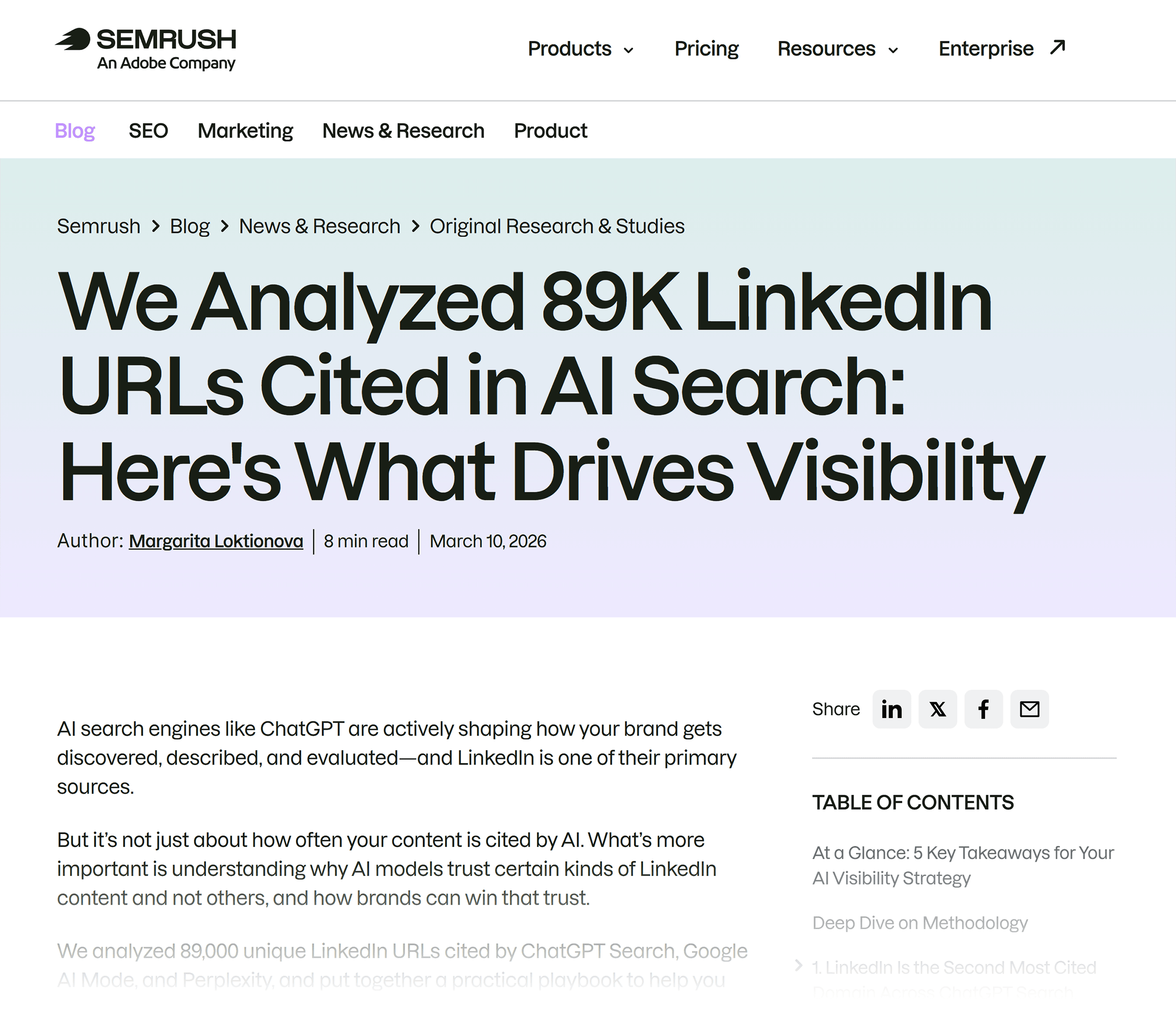
An "AI-ready asset" is content strategically designed to be discoverable, citable, and trusted by both traditional search engines and advanced AI models, while simultaneously providing significant value to human audiences. This concept is central to Answer Engine Optimization (AEO), which focuses on structuring content for optimal AI system understanding. This includes technical optimizations such as clear semantic HTML, structured data markup, and an organizational structure that allows AI to easily parse and extract specific answers. When PR’s distribution prowess is combined with SEO’s technical expertise, the resulting assets gain unparalleled visibility across search, traditional media, and LLMs.
Several types of assets benefit immensely from this collaborative creation:
- Original Research and Reports: Proprietary data and unique insights have long been a PR staple for earning backlinks. Now, they are also powerful drivers for building AI visibility. A collaborative workflow involves SEO identifying topics based on search demand and content gaps, while PR validates the pitchability of the angle and shapes findings into quotable hooks. Together, they design the study with a clear methodology, front-loaded statistics, and branded, shareable visuals, all structured for easy citation by AI. Britt Klontz notes that early PR involvement can answer critical questions, such as: "Is this interesting to journalists right now?", "Which media outlets would cover this?", "What’s the human story behind the data?", and "What are the counter-arguments to this data point?". Such insights can significantly enhance the asset’s utility and impact. High-value research should ideally reside on a crawlable landing page, not be gated or PDF-only, and maintain the same URL for recurring annual reports to build cumulative authority.
- Free Tools: Calculators, templates, checklists, and interactive assets solve specific user pain points and consistently earn backlinks, AI visibility, and repeat visits. While SEO teams excel at building and optimizing these tools, PR’s contacts and timing are crucial for effective distribution. A compelling hook, blending search insights with a strong point of view or a current story angle, makes promotion easier. NerdWallet’s tariff calculator, launched amidst tariff-dominated headlines, exemplifies this, earning widespread media coverage due to its timely relevance and utility.
- Podcasts: Branded podcasts can generate extensive coverage through review articles and inclusion in "best-of" listicles, directly impacting brand visibility. Furthermore, securing guest placements for internal experts on