The Rise of Agentic Search: How AI is Redefining Digital Discovery and Brand Engagement

The landscape of digital search is undergoing a profound transformation, moving beyond simple keyword matching and even generative AI responses to an era where artificial intelligence systems autonomously research, evaluate, and act on behalf of users. This advanced paradigm, termed "agentic search," represents a significant evolution, fundamentally altering how brands achieve visibility, engage with potential customers, and ultimately drive conversions in the digital realm.
Understanding the AI Search Spectrum
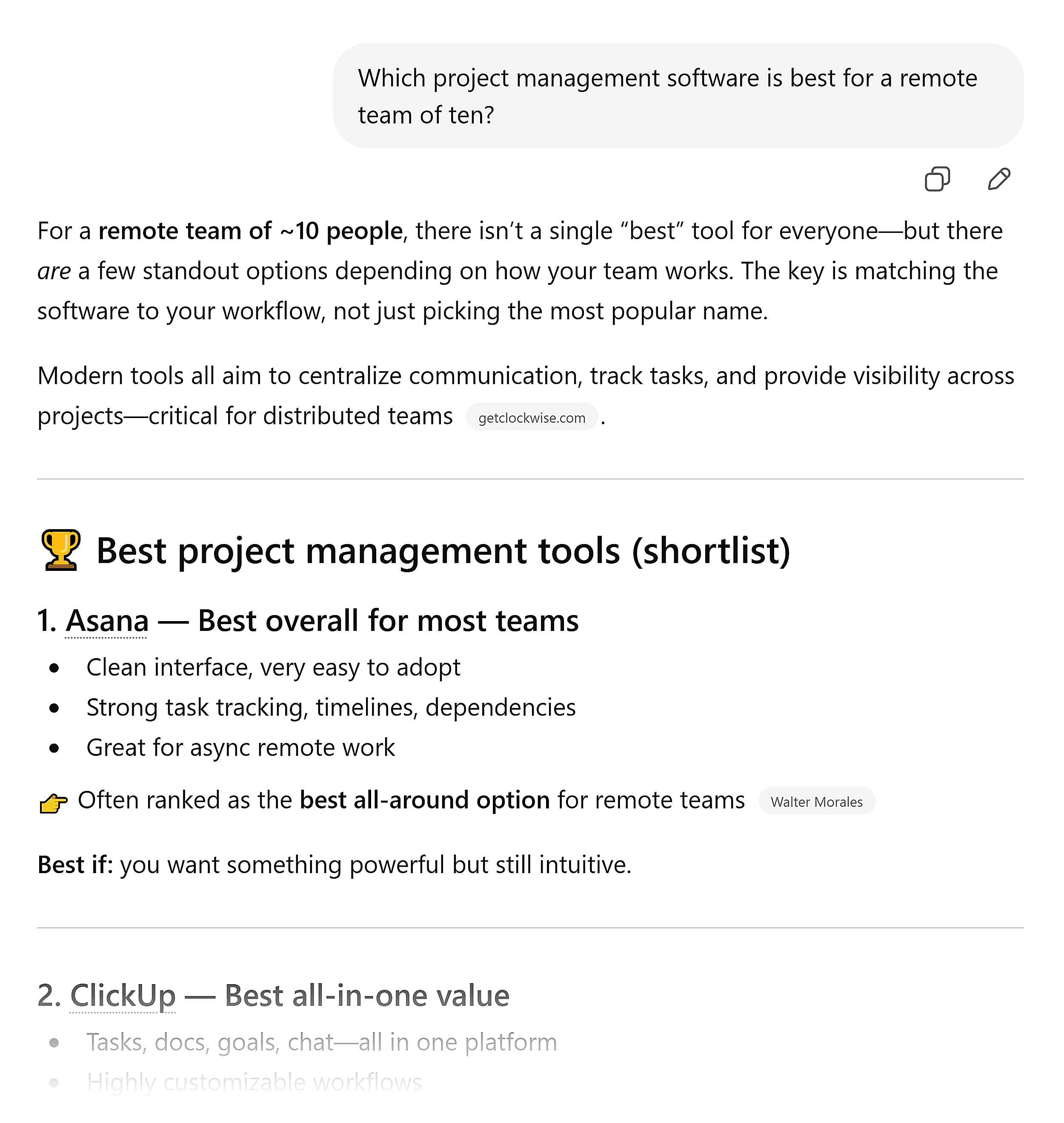
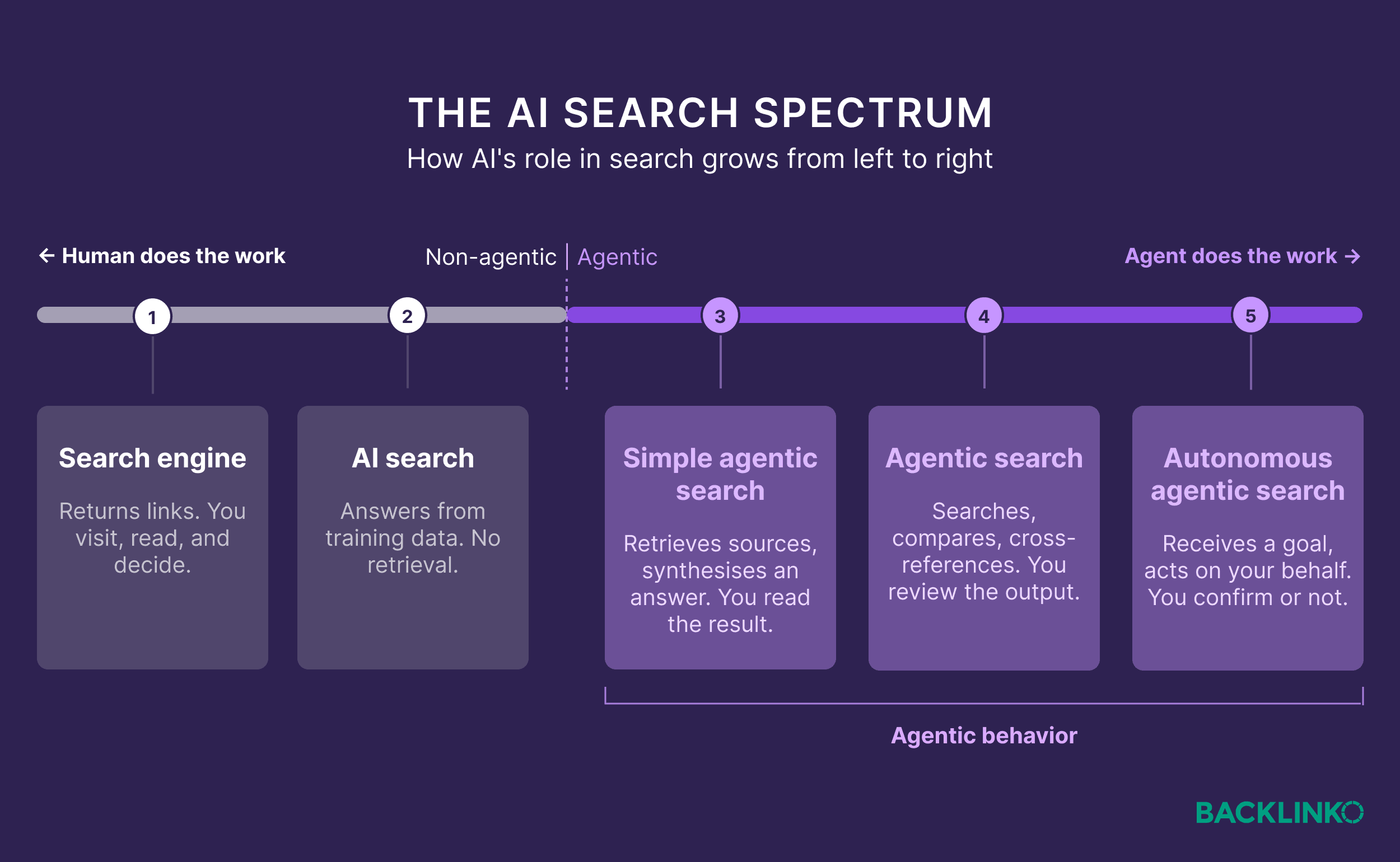
AI search exists on a broad spectrum, ranging from immediate, human-initiated queries to sophisticated, goal-driven autonomous operations. At one end, a user inputs a question into an AI, receiving a swift, generated response synthesized from vast training data and real-time web searches. This is the generative AI experience many are now familiar with through tools like early ChatGPT or Google’s AI Overviews. According to recent reports, the global AI market is projected to grow from USD 428 billion in 2022 to USD 2,070 billion by 2030, with a significant portion of this growth driven by advancements in natural language processing and autonomous systems, laying the groundwork for agentic capabilities.
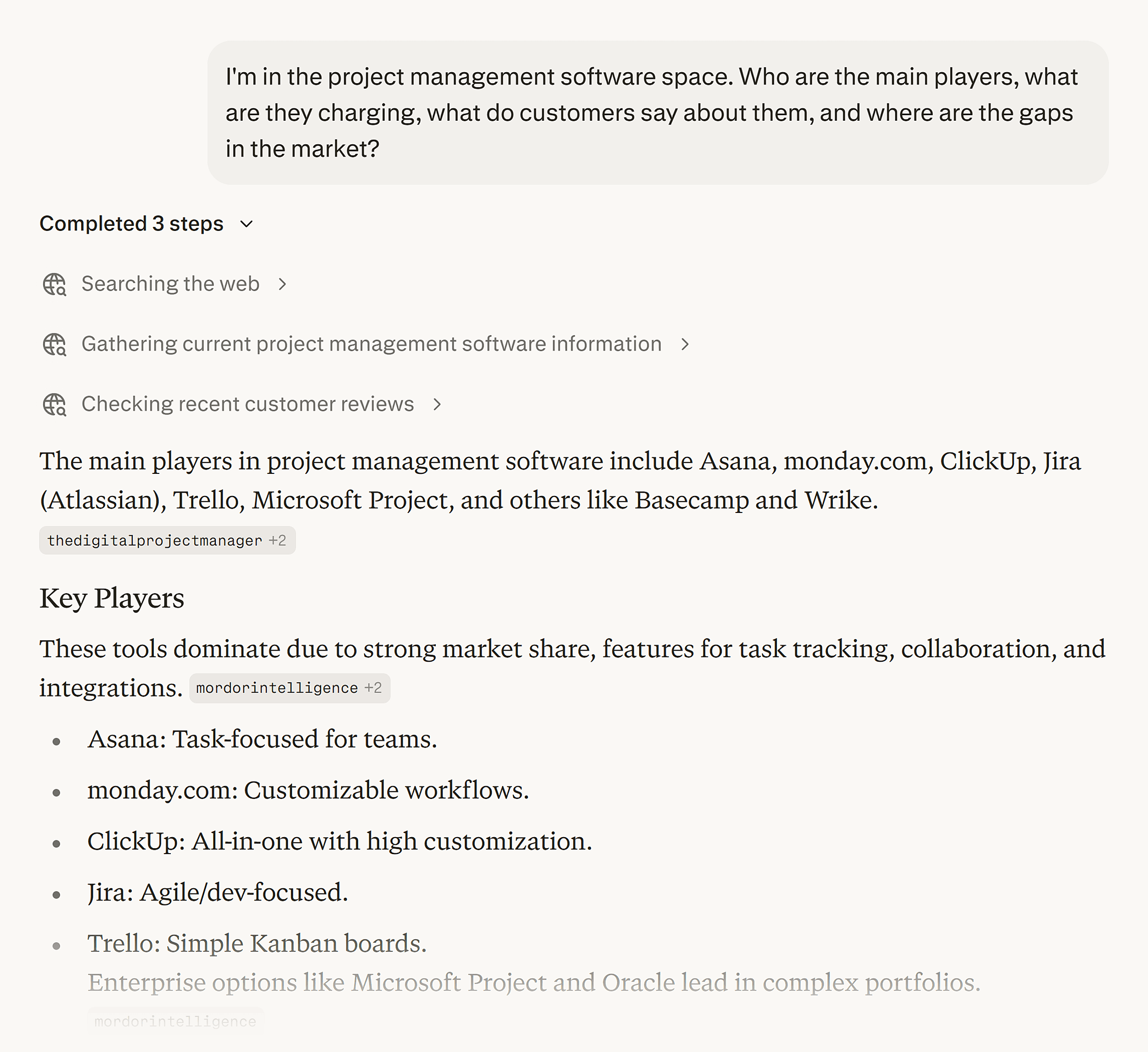
However, the other end of this spectrum unveils a far more intricate and impactful capability: agentic search. Here, an AI system is given a broader objective – perhaps "find the best project management software for a remote team of ten" or "research the competitive landscape for sustainable apparel brands." The AI, acting as a digital agent, then independently navigates the web, evaluates various entities (brands, products, services), makes decisions based on complex criteria, and can even execute tasks like making purchases or booking appointments. Crucially, this often occurs without leaving traditional analytics footprints on the visited websites, as the agent may not render the full visual page or trigger standard tracking mechanisms.
This shift from passive response generation to proactive, goal-oriented action marks agentic search as the next frontier in AI-powered discovery. Early expressions are already visible in tools such as ChatGPT’s deep research capabilities, Gemini’s emerging agentic modes, and Perplexity’s comprehensive research features. The future trajectory points towards seamless experiences like shopping within an AI interface or reserving a restaurant table without ever directly visiting a brand’s website. These AI systems are increasingly adept at executing multi-step evaluations with progressively less human intervention at each stage. Recognizing this impending shift, forward-thinking brands are not merely observing; they are actively recalibrating their digital strategies to optimize for this emergent reality.
The Dawn of Agentic Intelligence

Agentic search is defined by AI’s capacity to not merely compose an answer from its training data but to actively search for information, utilize various digital tools, and complete complex tasks on a user’s behalf. It’s a fundamental departure from the query-response model. The technological bedrock for this evolution lies in the integration of Large Language Models (LLMs) with sophisticated planning algorithms, tool-use capabilities, and enhanced memory, allowing AI to maintain context and execute multi-stage reasoning.
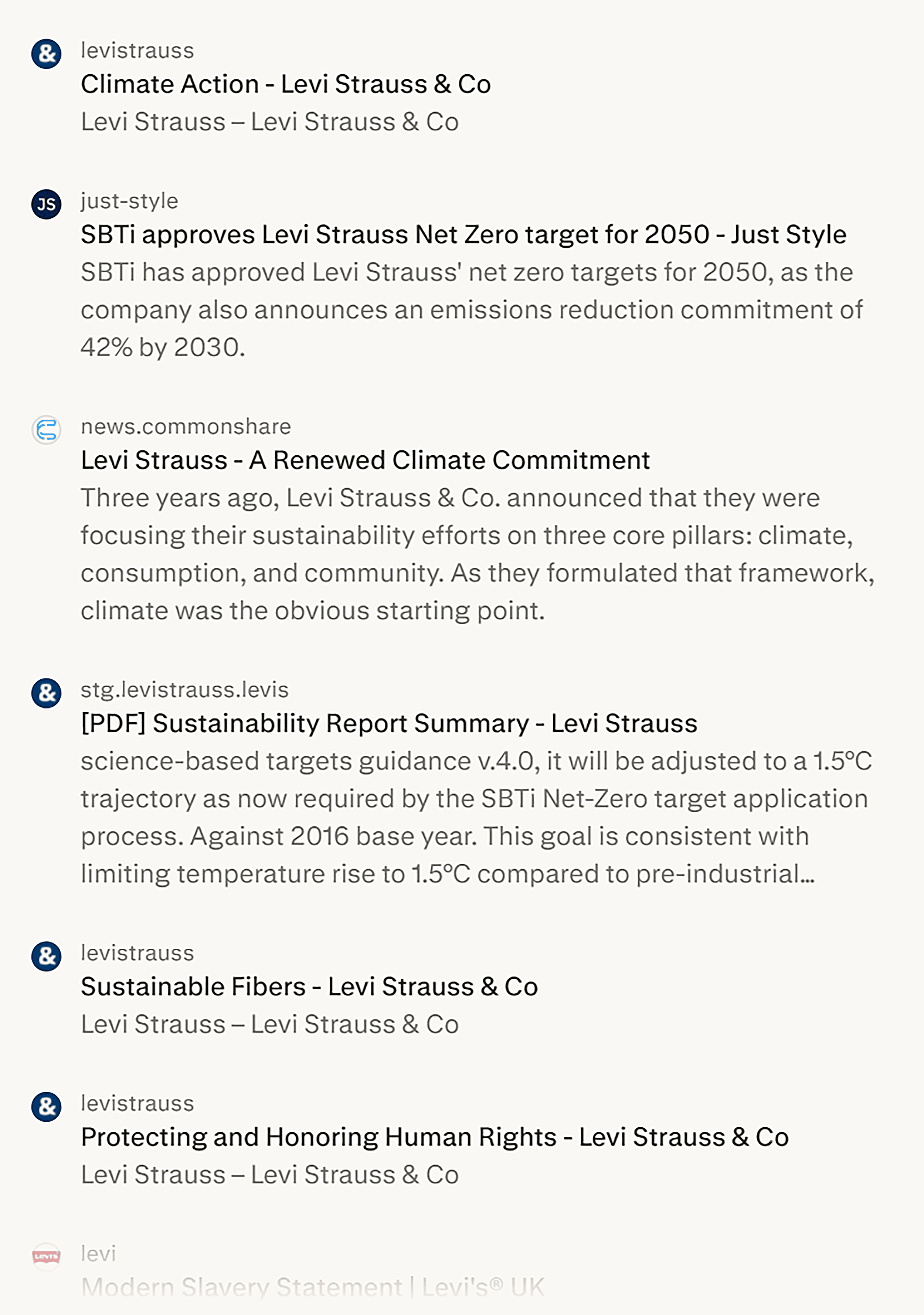
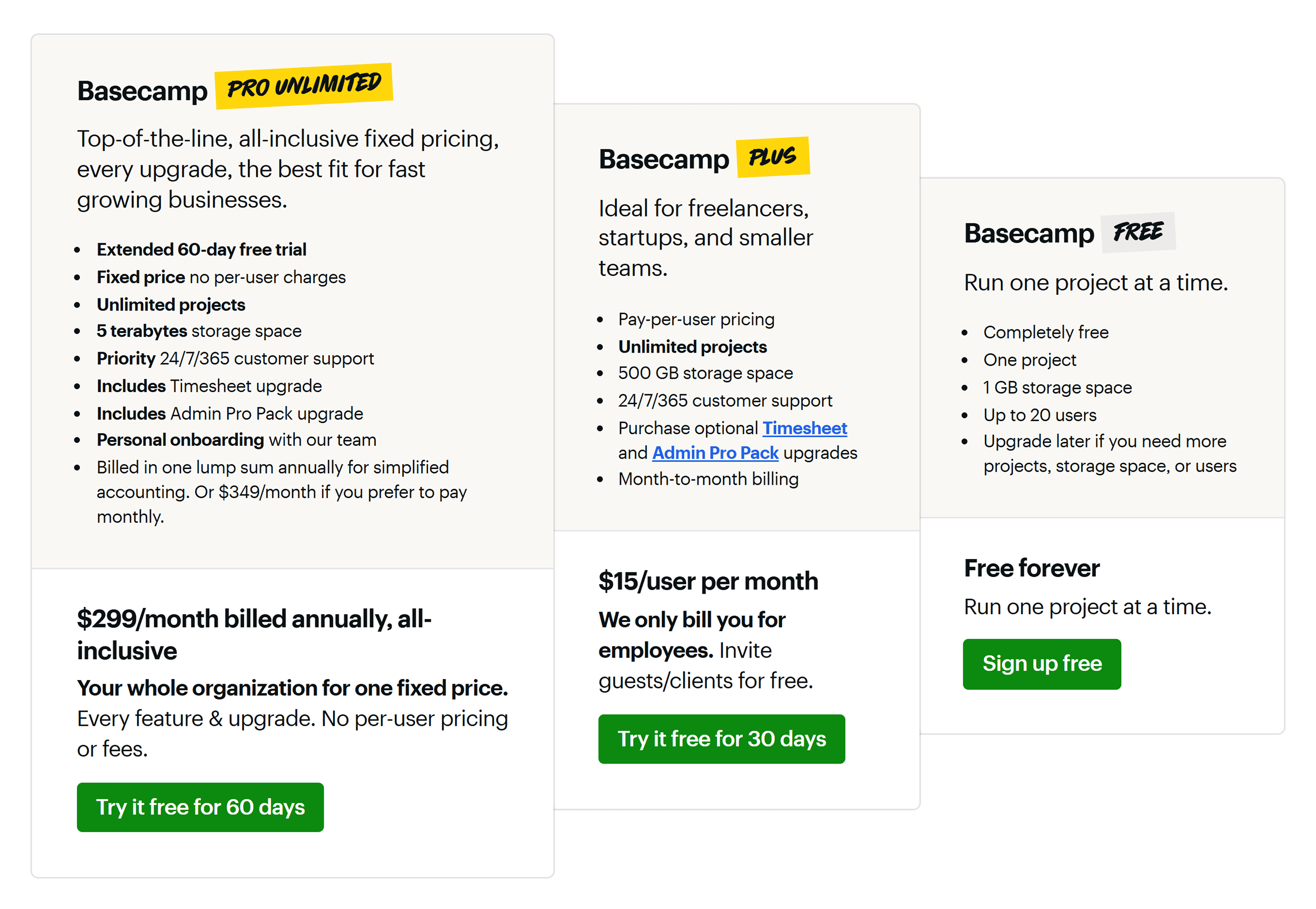
On the simpler end of the agentic spectrum, an AI might retrieve multiple sources and synthesize a coherent response, much like a highly efficient human researcher summarizing various articles. For instance, when asked, "Which project management software is best for a remote team of ten?", an agentic AI won’t just pull from its pre-existing knowledge. It will actively go online, search for comparison articles, extract pricing and feature information from dedicated review platforms, and then synthesize a tailored recommendation. This represents a significant leap from simply providing a list of features or a general overview.
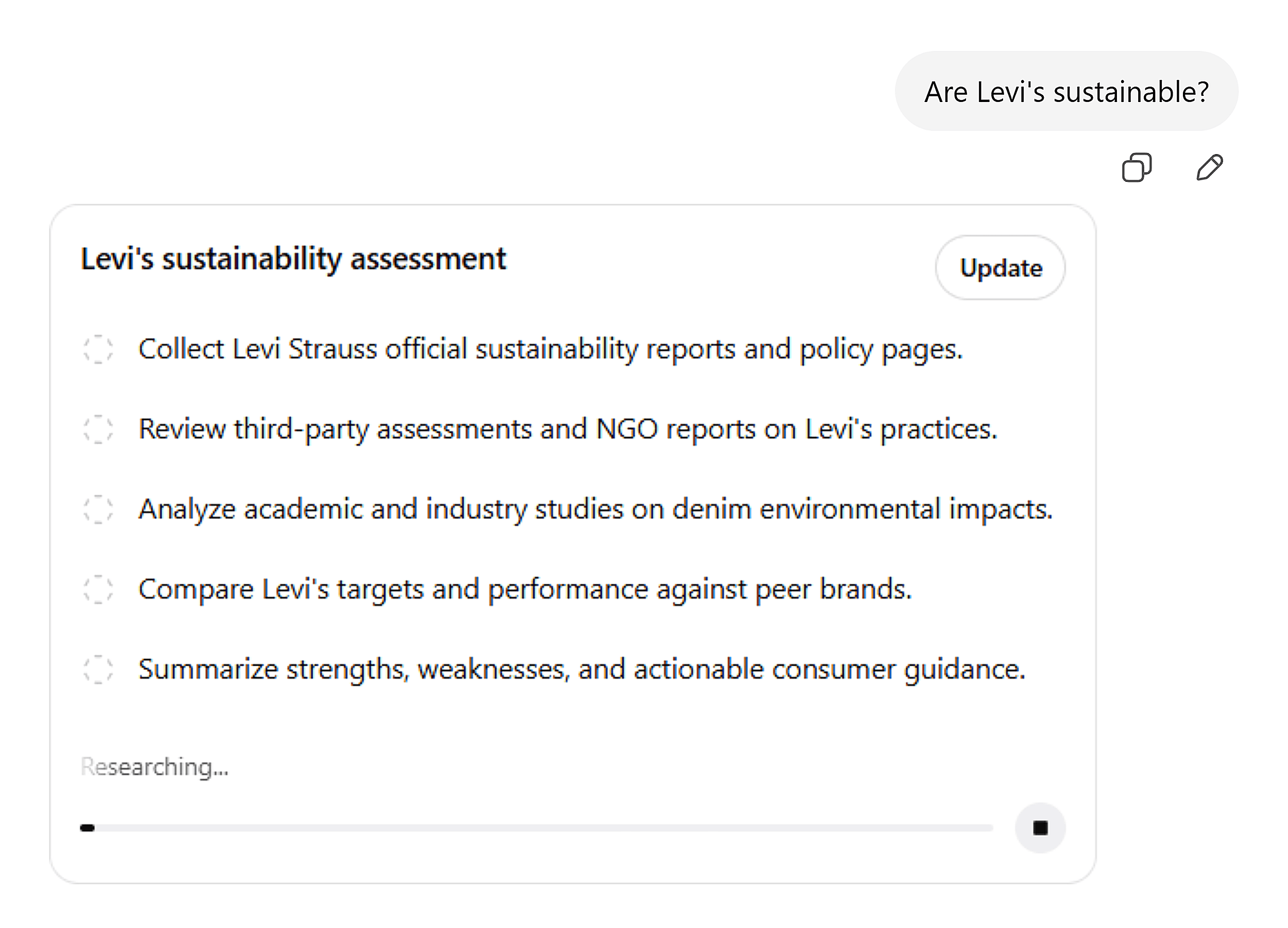
Moving towards the more complex end, the AI agent receives a broad search goal, autonomously breaks it down into a series of sub-tasks, conducts searches across a diverse array of source types (e.g., news coverage, industry reports, review platforms, company official pages), meticulously cross-references the information it uncovers, and then takes action—all without requiring continuous human input at every single stage. This multi-modal, iterative process allows for a depth of research and action previously only achievable by dedicated human effort.
Examples of Agentic Search in Action
Consider a scenario where a user tasks an AI with researching the competitive landscape within a specific market. The agent doesn’t just return a list of competitors. Instead, it formulates a strategic plan, then executes multiple targeted searches across different source categories: news archives for recent developments, review platforms for user sentiment, company websites for official positioning and offerings, and industry analysis reports for market trends. It then cross-references all findings, identifies discrepancies, and compiles a structured report that provides actionable insights. While the human still makes the final decision based on this report, the AI has significantly elevated the research process beyond simple information retrieval.
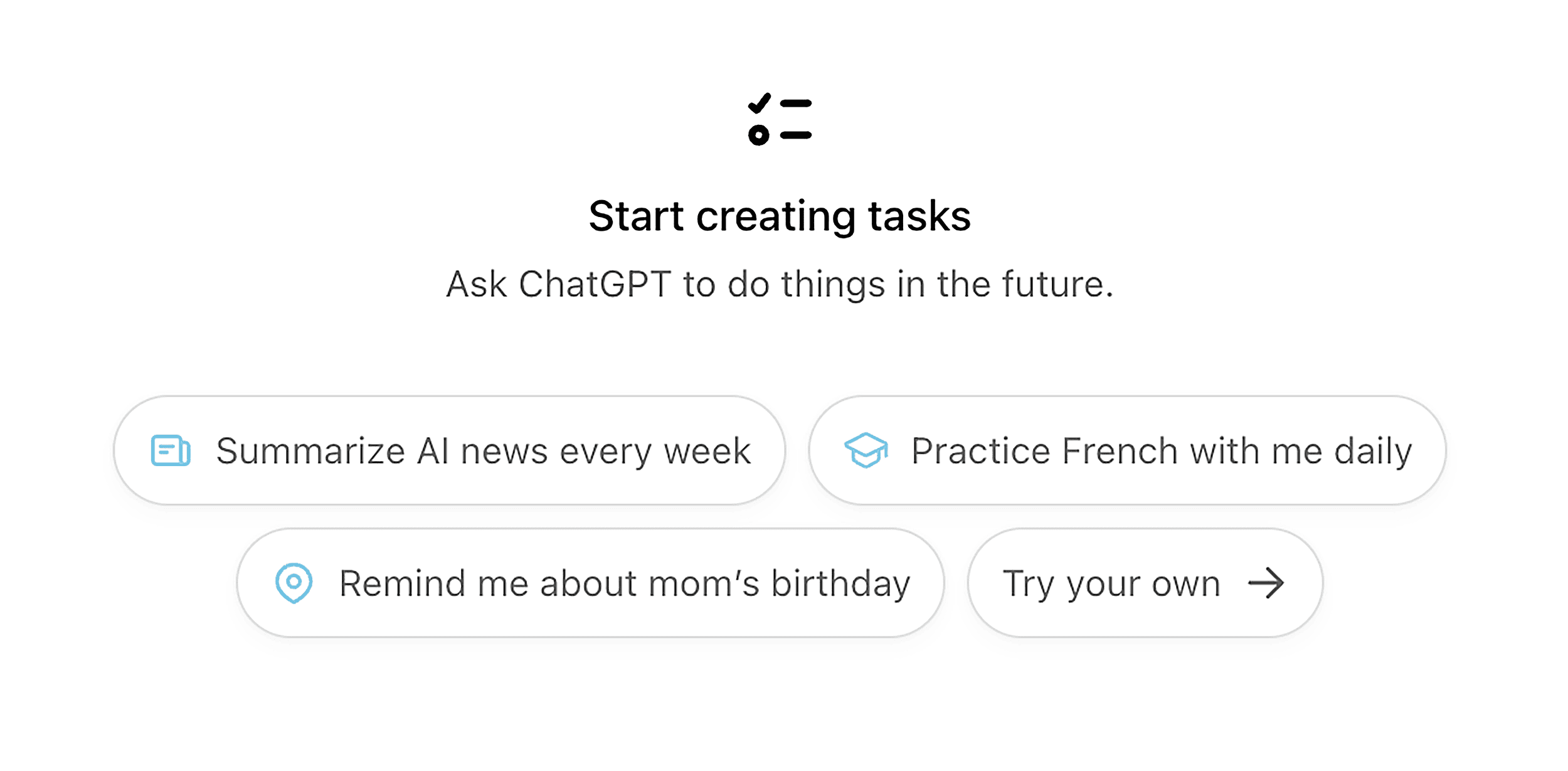
The capabilities extend further. Some advanced agents can be configured with recurring tasks, eliminating the need for any initial prompt. Imagine an AI agent continuously monitoring competitor pricing, flagging new market entrants, or weekly summarizing critical industry news. These agents operate on a predefined schedule, delivering timely, synthesized intelligence.
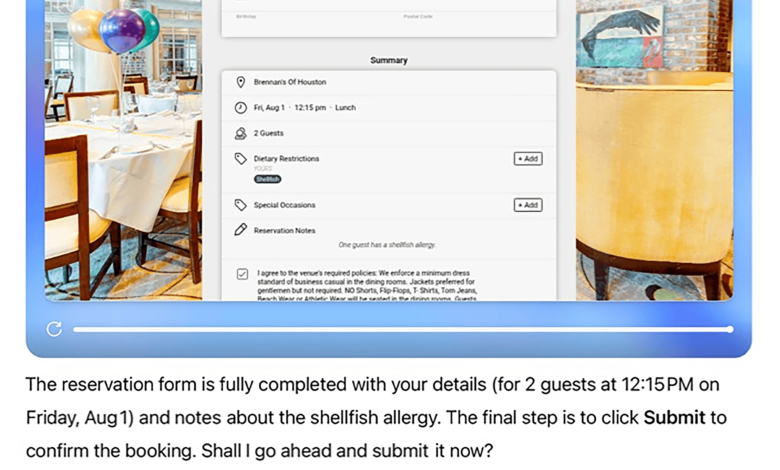
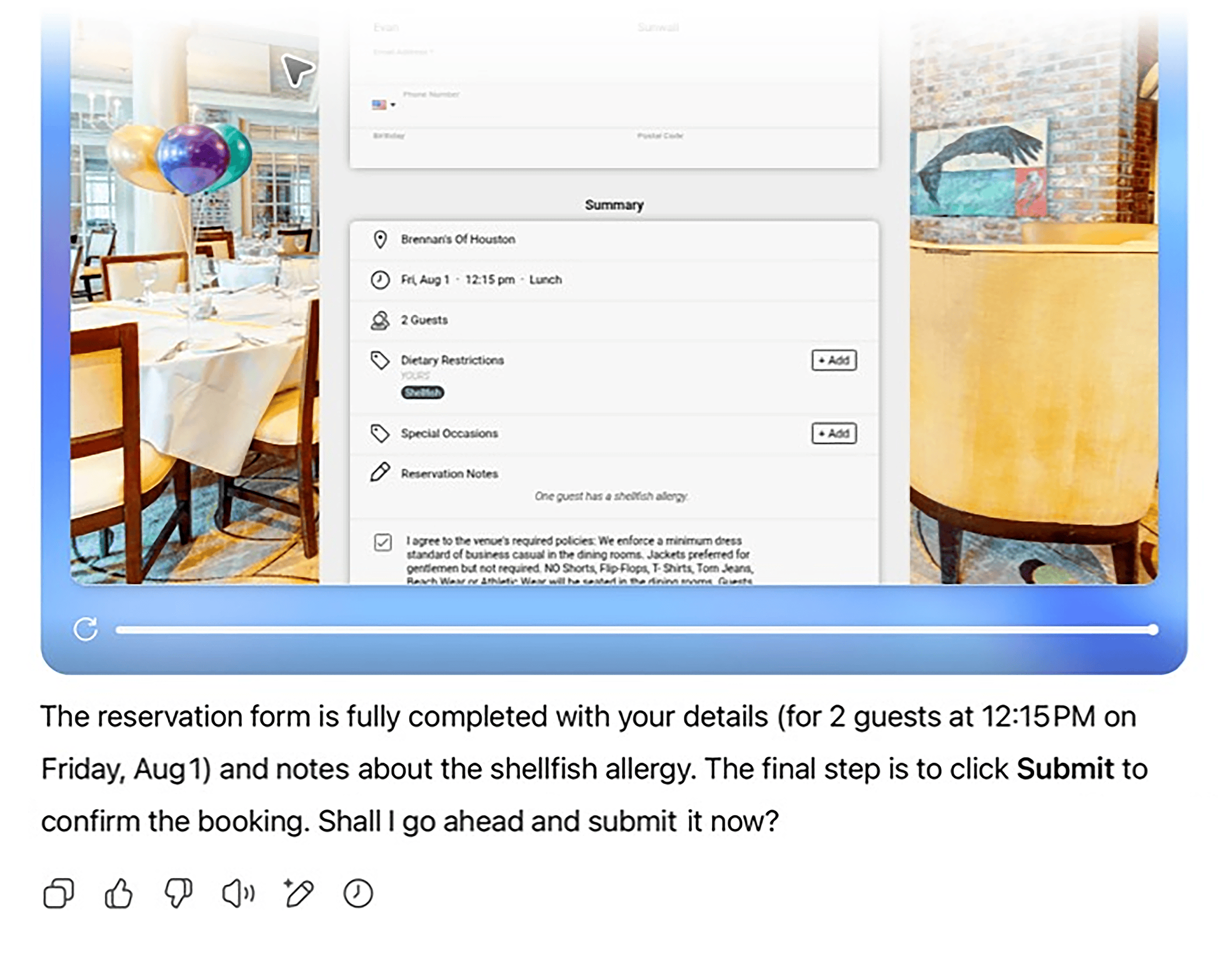
At the pinnacle of the agentic search spectrum, the AI not only identifies the optimal option but also meticulously evaluates it against alternatives and proceeds to complete a transaction on the user’s behalf. For example, if you ask for a restaurant recommendation for a specific date and time, a fully agentic system could not only suggest a suitable venue but also automatically book the table, confirm the reservation, and potentially integrate it into your calendar, all without you ever visiting the restaurant’s website or a booking portal directly. This level of autonomy is rapidly becoming a reality, with major players like OpenAI and Google already publishing open protocols, such as the Agentic Commerce Protocol (ACP) and Natural Language Web (NLWeb), specifically designed to facilitate seamless machine-to-machine commerce and interaction. These protocols, first announced in early