The Notorious Hacker Cyberleek Returns with Massive 209 GB GTA VI Xbox Build Leak and Extortion Threat

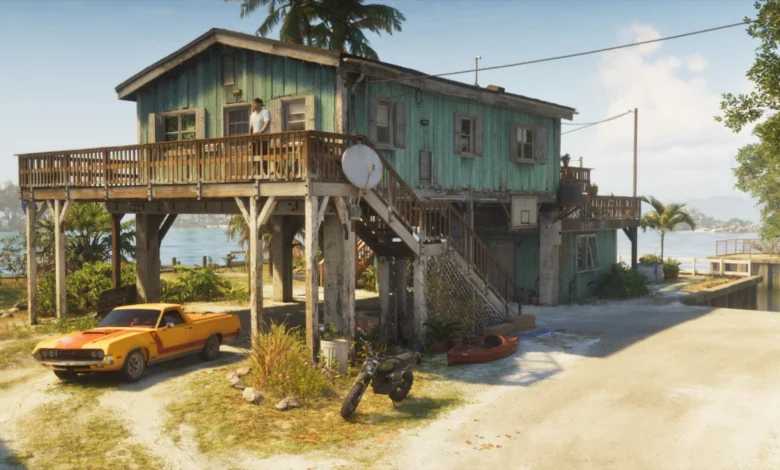
The ongoing saga surrounding the illicit distribution of Rockstar Games’ intellectual property has taken a dramatic and unprecedented turn. The elusive cybercriminal entity known as Cyberleek, which has dominated cybersecurity and gaming headlines for months, has resurfaced with its most severe breach to date. Escaping the prolonged scrutiny and investigative reach of Take-Two Interactive’s legal and technical teams, the leaker has published what is alleged to be a massive 209-gigabyte Xbox build of Grand Theft Auto VI via torrent networks. This latest development elevates a persistent intellectual property nuisance into a systemic security crisis for one of the entertainment industry’s most profitable publishers.
The release of the files marks a significant escalation in a campaign that began as opportunistic data peddling and has since evolved into a complex mixture of ideological posturing, digital extortion, and financial manipulation. While previous leaks were largely restricted to early, fragmented development footage and internal design documents, the current distribution represents a substantial portion of the game’s compiled assets, setting off alarm bells across the gaming industry and prompting urgent evaluations among cybersecurity analysts.
Chronology of a High-Stakes Breach
To understand the gravity of the current situation, it is necessary to examine the timeline of the Cyberleek operation. The threat actor first emerged months ago, systematically releasing unauthorized gameplay footage of Grand Theft Auto VI well ahead of Rockstar Games’ official marketing rollout and launch schedule. These initial leaks caught the publisher off guard, forcing hurried communications with investors and consumers alike.
As public interest peaked, Cyberleek adopted an increasingly theatrical persona. The hacker published a self-styled manifesto titled the "CYBERLEEK Edict," which attempted to frame the unauthorized disclosures as a populist crusade championing consumer rights against corporate overreach. However, this ideological veneer was quickly stripped away when the perpetrator launched a custom meme coin—designated as $CYBERLEEK—capitalizing on the media attention surrounding the leaks. Within a short window, the hacker managed to cash out their holdings from the token, realizing substantial financial gains before intentionally vanishing from public view.
Many industry observers and legal experts initially presumed that once Grand Theft Auto VI officially hit store shelves, the motivation for Cyberleek’s activities would evaporate, especially given the widespread assumption that the leaker only held a fragmented, outdated early development build. Those assumptions have now been thoroughly dismantled. Evading multiple subpoenas issued by Take-Two Interactive to entities such as Google and X Corp, Cyberleek has maintained complete anonymity while orchestrating the latest, most comprehensive data drop of the entire campaign.
Anatomy of the Leak and the Extortion Mechanics
According to statements published on Cyberleek’s dedicated website—which remains unlinked by major journalistic outlets for legal and safety reasons—the actor has distributed a complete November 2026 build of Grand Theft Auto VI packaged for Xbox systems. The torrent file, weighing in at an immense 209 GB, represents a monumental transfer of proprietary source material and game assets.
Nevertheless, true to the hacker’s pattern of calculated obstacles, a critical catch accompanies the download. The massive archive notably omits the core executable file (.exe), meaning the game cannot be natively booted or played using the leaked files alone. Despite this technical hurdle, independent verification has begun to take shape within online communities. Users on digital forums, including prominent boards on Reddit, have shared various verified assets from the archive, ranging from high-fidelity 3D character models—such as early renderings of the protagonist Lucia—to environment textures and audio files, confirming the authenticity of the material.
The absence of the executable is not an oversight, but rather the central mechanism of an ongoing extortion plot. Cyberleek has instituted a rigid countdown timer targeting November 23 for the release of the final, missing executable file. According to the hacker’s public terms, the file will drop automatically upon the expiration of the timer, with zero conditions attached—unless the $CYBERLEEK cryptocurrency token successfully achieves a 15 million dollar market capitalization prior to that deadline. Should the token reach that financial milestone, the executable will be released immediately, demonstrating a direct fusion of digital piracy with speculative cryptocurrency manipulation.
Technical Implications and the PC Emulation Threat
While casual observers might question the immediate danger of an Xbox-formatted build—particularly given that the title is already accessible to legitimate consumers on console platforms—industry analysts and technical experts view the breach through a far more alarming lens. The primary concern centers on the capability of the global PC modding and emulation community to repurpose the leaked console assets.
Cyberleek explicitly highlighted this vector in subsequent communications, taunting developers by asserting that the technical community possesses the ingenuity required to reverse-engineer and emulate the leaked build within a matter of days. The hacker boasted that the community would likely have the game running smoothly on personal computers, pushing frame rates far beyond standard console limitations, long before Rockstar Games or its parent company Take-Two Interactive could develop, optimize, and release an official PC port.
Should this prediction materialize, it would represent a catastrophic blow to Rockstar Games’ traditional release strategy. Historically, the developer staggers its releases, launching flagship titles initially on current-generation consoles to maximize initial hardware sales before rolling out a polished, highly optimized PC version months or even years later. A functioning emulation of a late-stage development build on PC threatens to fracture the consumer base, dilute future sales of an eventual official PC port, and subject players to an unstable, unoptimized experience that fails to represent the intended artistic vision of the creators.
Institutional Response and Broader Industry Impact
Rockstar Games and Take-Two Interactive have maintained a rigorous, security-focused posture in response to the ongoing leaks. Legal frameworks have been aggressively deployed, utilizing federal subpoenas and international cooperation to unmask the individuals behind the Cyberleek moniker. However, the decentralized nature of torrent networks, combined with the employment of decentralized cryptocurrency networks for financial transactions, has created a formidable shield for the perpetrators, complicating traditional law enforcement interventions.
The incident has also sparked a wider discourse within the video game industry regarding internal cybersecurity protocols, remote work infrastructure, and cloud asset management. As development studios increasingly rely on distributed teams and cloud-based collaboration tools, the vulnerability surface for massive intellectual property theft has expanded exponentially. Major publishers are currently re-evaluating zero-trust security models, employee vetting processes, and digital rights management (DRM) integration to prevent similar breaches in future multi-million-dollar development cycles.
As the November 23 deadline approaches, all eyes remain fixed on the countdown timer established by Cyberleek. The potential release of the executable file threatens to ignite a new wave of piracy-related challenges, forcing legal teams, cybersecurity professionals, and software engineers into a high-stakes race against time to mitigate the fallout of one of the most disruptive leaks in video game history.
Related posts: