Jetpack Unveils Comprehensive Podcasting Suite to Centralize Content Ownership Within the WordPress Ecosystem

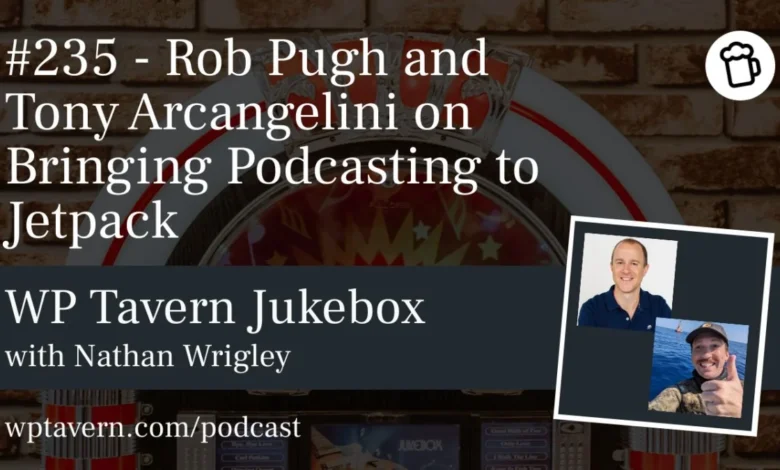
The landscape of digital content creation has shifted significantly over the past decade, moving from decentralized, open-web platforms toward proprietary "walled gardens" such as Substack, Patreon, and various social media hubs. In response to this trend, Automattic—the parent company behind WordPress.com and the Jetpack plugin—has launched a robust, integrated podcasting suite designed to bring audio production back into the user-owned WordPress ecosystem. This development marks a strategic attempt to reclaim the creator economy by offering a unified home for newsletters, blogs, and podcasts, all while maintaining data sovereignty and providing the technical flexibility that proprietary platforms often lack.
The transition of these features from a basic, legacy offering on WordPress.com into a powerful, feature-rich toolset within the Jetpack plugin represents a fundamental shift in how the organization approaches the creator workflow. By leveraging the existing architecture of the WordPress content management system, the new suite allows users to manage their entire media presence under one roof, effectively bypassing the constraints of external subscription-based platforms.
Historical Context and the Rise of Walled Gardens
For years, many creators have utilized WordPress as their primary web presence while simultaneously relying on external third-party hosting for audio distribution. This fragmented approach often required complex integrations, multiple subscriptions, and a reliance on various "middleware" solutions like Zapier to ensure that a single blog post could also function as a podcast episode or an email newsletter.
The rise of platforms like Substack created a temporary illusion of convenience, bundling email distribution, blogging, and monetization. However, as these platforms have evolved, many creators have faced concerns regarding data portability, platform-imposed fee structures, and the loss of creative control as these companies prioritize feed algorithms over chronological content delivery. Automattic’s latest initiative is a direct response to these concerns, aiming to prove that the "open web" model—powered by the WordPress Foundation’s commitment to open source—remains the most secure and sustainable choice for long-term digital independence.
Technical Architecture and Feature Integration
The newly introduced podcasting capabilities in Jetpack are designed to simplify the technical hurdles that often deter newcomers from starting a show. Rather than treating a podcast as a separate, isolated entity, the integration treats a podcast episode as a standard WordPress post. By simply assigning a designated category to a post, users can instantly convert that content into a compliant RSS feed.
This integration is not merely a superficial update; it is an architectural overhaul. Key features include:
- Automated RSS Feed Generation: The system handles the technical requirements for podcast distribution, including the generation of valid RSS feeds that adhere to industry standards.
- Media Management: Users can host audio directly through the WordPress environment, ensuring that the media files remain under their control rather than being siloed on a third-party server.
- Distribution Controls: The interface provides direct, guided paths for submitting shows to major podcast directories, including Apple Podcasts, Spotify, and the Podcast Index.
- Unified Publishing: By utilizing the "one-publish" model, a single action can simultaneously update a website, trigger an automated email newsletter, and push notifications to social media channels, significantly reducing the administrative burden on creators.
The Role of Pocket Casts and AI-Enhanced Workflows
A critical component of this rollout is the integration with Pocket Casts, the podcast player acquired by Automattic in 2021. This partnership provides a distinct advantage in terms of user experience and distribution. Because the technology behind Pocket Casts is deeply familiar with the needs of both creators and listeners, the integration allows for seamless transitions between platforms.
Furthermore, the implementation of Jetpack AI tools serves to lower the barrier to entry for content creation. The suite provides mechanisms for transcription, which is increasingly vital for accessibility and SEO. By leveraging AI to assist in the generation of titles, show notes, and summaries, the system addresses the "blank page" problem that often prevents creators from maintaining a consistent publishing schedule.
Implications for Creator Data Ownership
The move toward an integrated suite carries profound implications for the future of digital asset management. In the current economic climate, creators are increasingly wary of "platform risk"—the possibility that a service provider may change its terms of service, introduce prohibitive fee structures, or alter its algorithm to the detriment of the creator’s reach.
By keeping the content within the WordPress ecosystem, creators retain ownership of their audience. Unlike platforms that take a percentage of revenue regardless of a creator’s scale, the WordPress model offers a predictable structure. If a user decides to switch hosting providers, move to a different plugin, or migrate their content entirely, the open-source nature of WordPress ensures that the data is portable. This is a stark contrast to proprietary platforms where moving an audience can be technically difficult and often results in the loss of historical engagement metrics.
Data-Driven Decision Making and Analytics
For podcasters, understanding listener behavior is paramount. However, standard podcast hosting often provides fragmented analytics that are difficult to correlate with website traffic. The Jetpack suite solves this by centralizing data collection. Creators can view insights regarding download trends, the geographic location of listeners, and the specific referral sources—all within the same dashboard used to manage their blog performance.
This level of insight allows for more informed decision-making. For instance, a creator can easily identify which episodes perform best on specific platforms and adjust their marketing strategy accordingly. By bridging the gap between website analytics and podcast analytics, Jetpack provides a holistic view of the creator’s brand impact.
Looking Ahead: The Future of WordPress Podcasting
The development team at Automattic has signaled that this is only the beginning of a larger commitment to the audio and video space. Future iterations are expected to include more robust migration tools for users looking to transition their entire back catalogs from legacy hosting providers to the Jetpack ecosystem.
As the digital landscape becomes more crowded with AI-generated content and platform-specific restrictions, the appeal of a "home base" that provides absolute control over distribution, monetization, and presentation is likely to grow. The integration of WooCommerce for merchandising, combined with the new podcasting suite, provides a comprehensive toolkit for creators who wish to operate as independent entities rather than as content tenants on someone else’s platform.
While the technical hurdles of the early internet—such as setting up RSS feeds and manual distribution—once acted as a barrier to entry, the current trend toward simplification ensures that high-quality content production is accessible to a wider demographic. Whether a user is a hobbyist blogger looking to expand into audio or a professional media organization managing multiple shows, the integration of these features into the Jetpack plugin reinforces WordPress’s position as the bedrock of the modern web.
By aligning the ease of use found in modern "SaaS" platforms with the freedom and ownership of open-source software, Automattic is positioning itself to be the primary infrastructure provider for the next generation of digital storytellers. As more creators recognize the value of digital self-reliance, the tools provided by Jetpack will likely become a standard component of the professional creator’s arsenal.
Related posts: