Google Faces Intensifying Pressure From U.K. Officials to Remove Russell Brand’s Post-Conviction YouTube Message

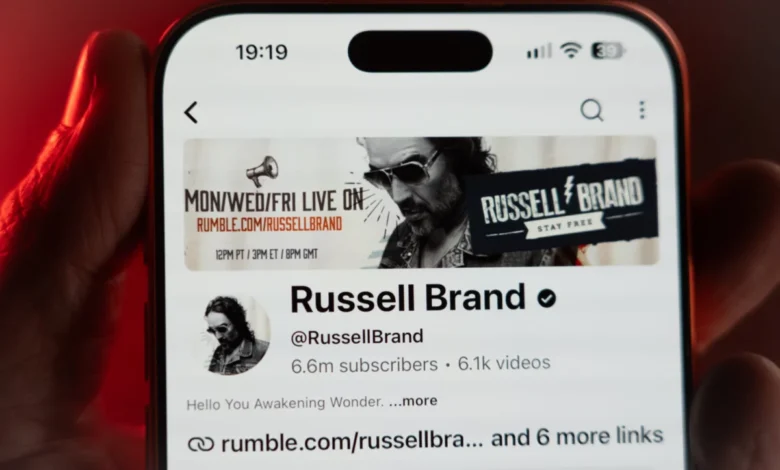
The debate surrounding the limits of digital speech, incarcerated individuals’ rights, and corporate responsibility has reached a critical juncture following the sentencing of British comedian and media personality Russell Brand. Six days after Brand was sentenced to 10 years and six months in prison for one count of rape and three counts of sexual assault, a video was uploaded to his massive YouTube channel—a platform boasting over six million subscribers. The hour-long video, featuring his wife Laura Gallacher reading a message from Brand in which he maintains his innocence, has ignited a fierce international controversy involving tech giants, British penal institutions, government ministers, and free speech advocates.
The unfolding situation exposes structural gaps in how modern social media platforms handle content produced by convicted criminals, raising urgent questions about the protection of sexual assault survivors, the enforcement of prison broadcast restrictions, and the regulatory powers of governments over global tech conglomerates.
Chronology of Events and Legal Proceedings
The legal downfall of Russell Brand unfolded across multiple jurisdictions and platforms, culminating in his dramatic conviction and subsequent sentencing.
In September 2023, public allegations of rape and sexual assault against Brand became widely known, prompting immediate corporate reactions. YouTube suspended Brand’s channel from its lucrative Partner Program, citing violations of its creator responsibility policy, which stripped the channel of its ad revenue-generating capabilities. Despite losing monetization, Brand retained his extensive subscriber base and continued uploading content, including cultural commentaries and Christian-themed "Sunday Service" broadcasts hosted alongside his wife, Laura Gallacher.
On November 9, 2026, a U.K. court formally sentenced Brand to 10 years and six months in prison following his conviction on multiple charges of sexual violence.
Barely a week later, on November 15, Gallacher published a video titled "The Good Work Continues" on Brand’s primary YouTube channel. The broadcast quickly surpassed one million views. In the video, Gallacher stated, "So Russell has asked me to read something to you today," relaying a message where Brand declared, "Beloved brothers and sisters in Christ, God bless you for your support. As you know, I am not guilty for the offenses I have been jailed for, so something strange is happening."
The release of the video triggered an immediate response from the Prison Service of England and Wales, which formally requested that Google remove the content on the grounds that it could inflict severe psychological distress upon Brand’s victims.
Corporate Stance and Initial Google Response
Initially, Google resisted government intervention. On November 18, reports surfaced that the technology corporation had declined the takedown request, arguing that the video did not technically violate YouTube’s existing terms of service or content moderation guidelines.
However, as public pressure mounted and high-ranking government officials intervened, Google shifted its position. By November 19, a corporate spokesperson told media outlets that the company was actively reviewing the footage. "We’re aware of the new content and our teams are investigating," the spokesperson stated.
Google’s defense highlighted its earlier punitive measures, emphasizing that the channel had been barred from the YouTube Partner Program since 2023, effectively cutting off direct ad revenue generation through the platform. Nevertheless, the company offered no definitive timeline for its investigation, and the video remained accessible online as the controversy deepened.

Prison Regulations and Internal Investigations
Beyond the digital sphere, the Ministry of Justice launched a separate inquiry into whether Brand violated strict U.K. prison regulations by coordinating the public release of his statement from behind bars.
Under the legal framework governing England and Wales—specifically prison service instructions regarding inmate media access—prisoners are generally prohibited from discussing the specifics of their crimes or trials in correspondence intended for publication or broadcast. Narrow exemptions exist for making "serious representations about conviction or sentence," but these exceptions are heavily regulated and subject to authorization.
Justice Secretary Alex Norris publicly denounced the broadcast as "completely unacceptable," indicating that disciplinary or administrative actions would be pursued if it is proven that Brand circumvented established rules. The ongoing inquiry by the Prison Service is tasked with balancing a prisoner’s fundamental right to contest a conviction against statutory protections designed to prevent the re-traumatization of victims.
Political Fallout and Government Reactions
The video’s persistence on YouTube has galvanized British politicians across the political spectrum, sparking intense debates regarding corporate ethics, legislative loopholes, and the enforcement of the nation’s existing digital safety laws.
Housing Minister Matthew Pennycook reiterated that while the government strongly believes "YouTube should remove this content," the final operational decision remains "up to Google." Prime Minister Andy Burnham echoed these sentiments, publicly calling on technology executives to exercise corporate responsibility and voluntarily remove the material, noting that he would be cautious about immediately altering primary legislation to address the incident.
Conversely, prominent lawmakers have argued that existing laws are fundamentally unequipped to handle modern digital ecosystems. Labour MP and former safeguarding minister Jess Phillips argued that the incident exposes a glaring blind spot in the U.K.’s current Online Safety Act. Phillips pointed out that while the legislation forces platforms to combat illegal content and protect minors from online harms, it fails to account for instances where third parties disseminate statements on behalf of high-profile incarcerated felons with massive digital followings.
Broader Implications for Free Speech and Digital Governance
The debate surrounding Brand’s YouTube video has extended far beyond Westminster, drawing commentary from international figures and highlighting the global friction between local laws and borderless digital platforms.
Conservative leader Kemi Badenoch adopted a more cautious stance, emphasizing that any government response should first establish whether a domestic law had actually been violated before coercing private platforms into censorship. Meanwhile, U.S. media personalities like Megyn Kelly strongly criticized the U.K. government’s pressure on Google, characterizing the takedown demands as a dangerous overreach that threatens foundational free speech principles.
Legal scholars and policy analysts note that this case forces democratic governments to confront a difficult legal paradox: balancing the imperative to protect abuse survivors from public distress against the protection of open discourse and the right to challenge legal verdicts. If the U.K. parliament decides to draft new legislation in the wake of the Brand controversy, lawmakers will have to carefully navigate the boundary between corporate content moderation, victim advocacy, and the fundamental right to free expression in the digital age.