Printful vs Inkedjoy: A Comprehensive Analysis of Print-on-Demand Leaders for 2026

The print-on-demand (POD) landscape has undergone significant shifts as we enter late 2026, with market dynamics forcing retailers to reconsider their fulfillment partners. As of November 10, 2026, the industry is navigating the aftermath of major corporate consolidations, most notably the merger involving Printify and the strategic restructuring of Printful under the FYUL umbrella. In this competitive environment, Printful and Inkedjoy—formerly known as EPROLO POD—have emerged as the two primary contenders for independent apparel brands and gift retailers, each offering distinct advantages in terms of supply chain reliability and cost efficiency.
Market Context and Corporate Evolution
The evolution of these platforms reflects a broader trend toward vertical integration in the e-commerce sector. Printful, long considered the gold standard for high-volume apparel brands, has solidified its position through a robust regional production network. Conversely, Inkedjoy has positioned itself as the aggressive budget-conscious alternative, leveraging its roots as EPROLO to provide deep-discount base pricing that appeals to high-margin, novelty-focused businesses.
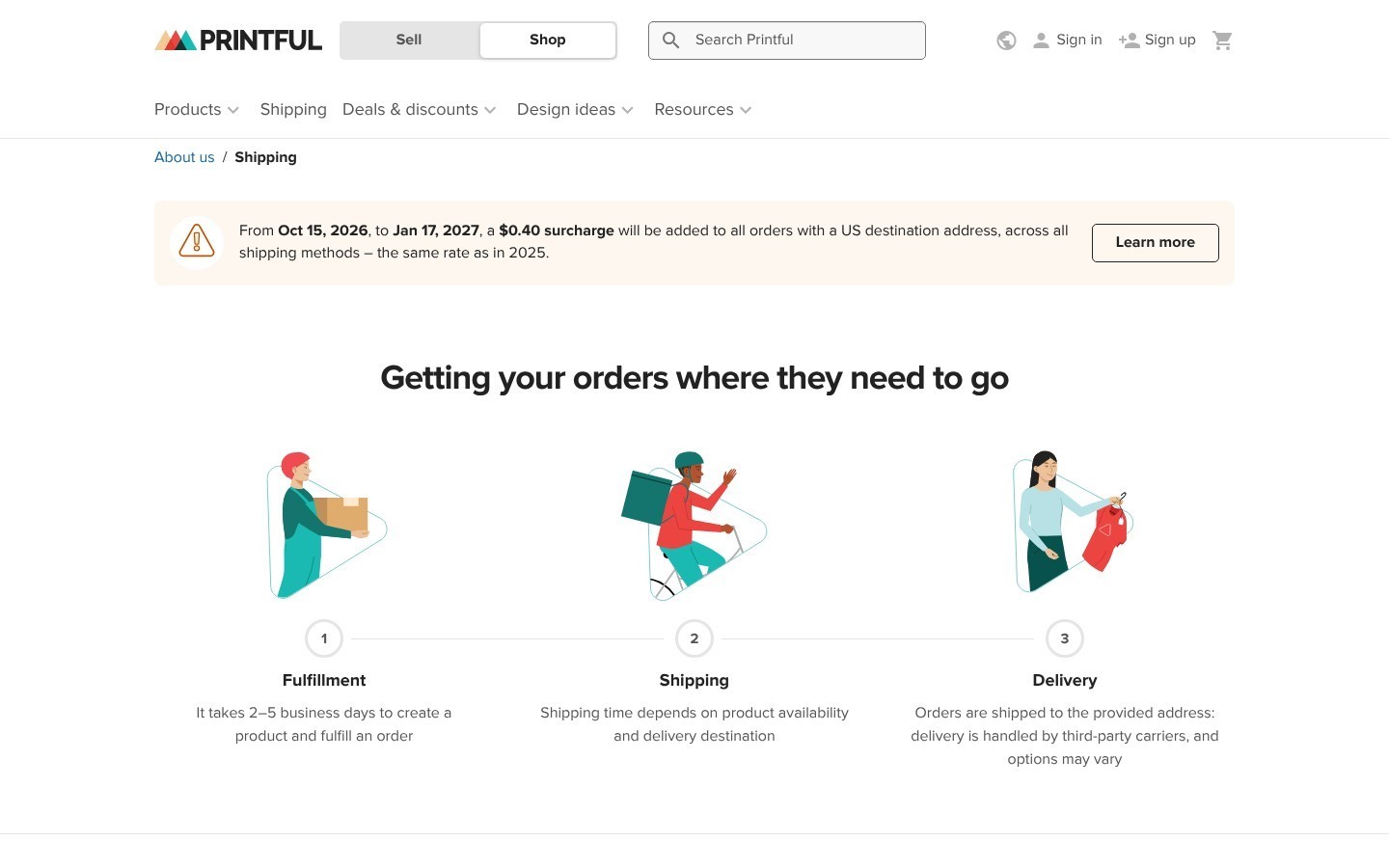
The rebranding of EPROLO POD to Inkedjoy signifies a focused pivot toward the global POD market. For business owners, this transition is more than cosmetic; it represents a consolidation of the firm’s logistics infrastructure in China, the United States, and Australia. Simultaneously, Printful’s operational status under FYUL has brought tighter quality control standards, though it has also introduced temporary fiscal adjustments, such as the 2026 holiday surcharge implemented on October 15, which remains in effect through January 17, 2027.
Comparative Cost Analysis and Financial Implications
For an entrepreneur starting a venture in late 2026, the primary point of divergence between these two services is the structure of "delivered cost." While catalog base prices for garments are frequently the first metric a merchant evaluates, industry data consistently suggests that shipping logistics often equalize these initial discrepancies.
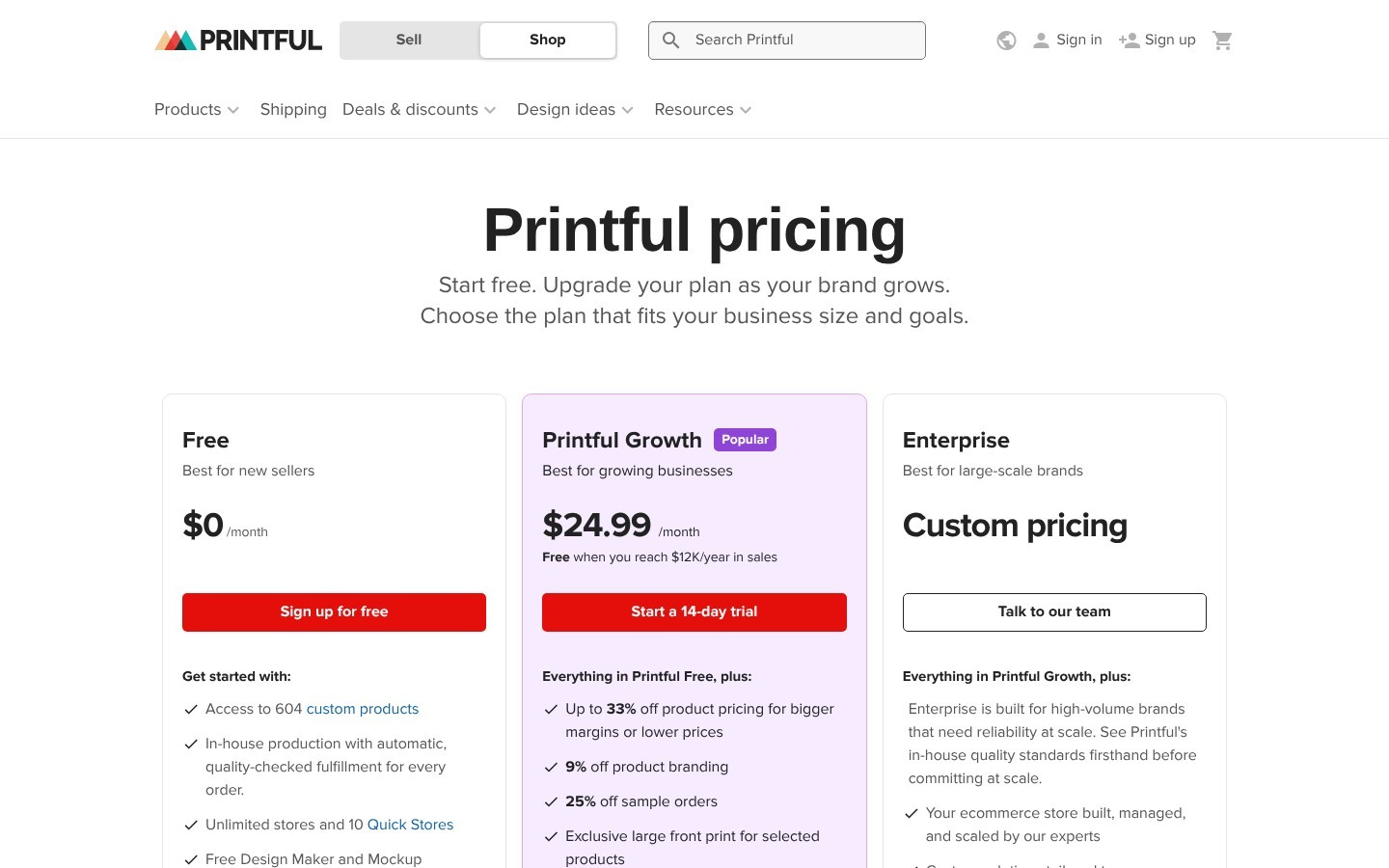
Printful operates on a tiered pricing model. The "Free" plan provides essential access to the platform’s design suite and mockup generator, while the "Growth" plan—priced at $24.99 per month—targets established businesses. A key feature of the Printful model is the $12,000 annual sales threshold, which triggers a waiver of the monthly subscription fee, effectively incentivizing scaling.

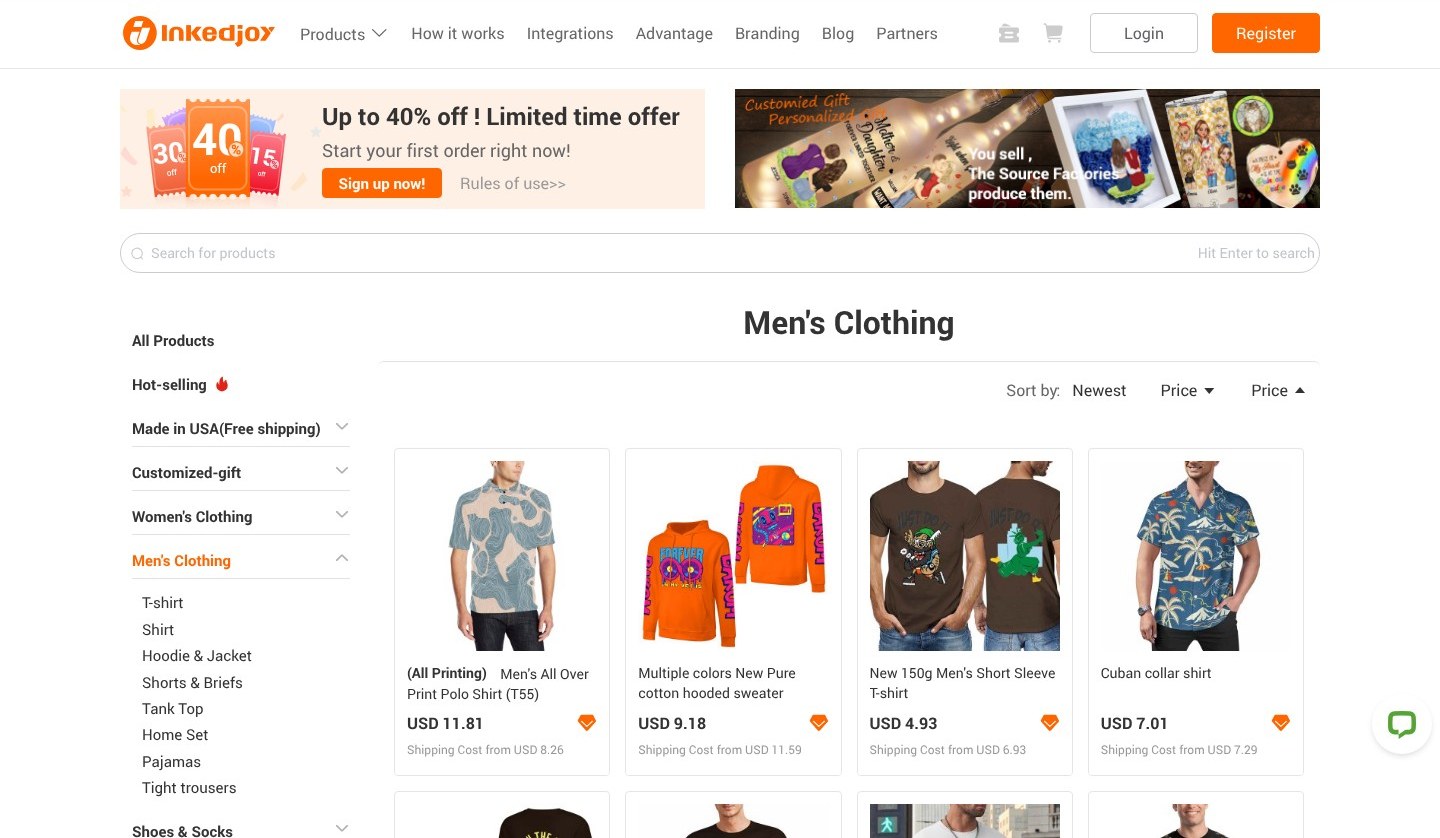
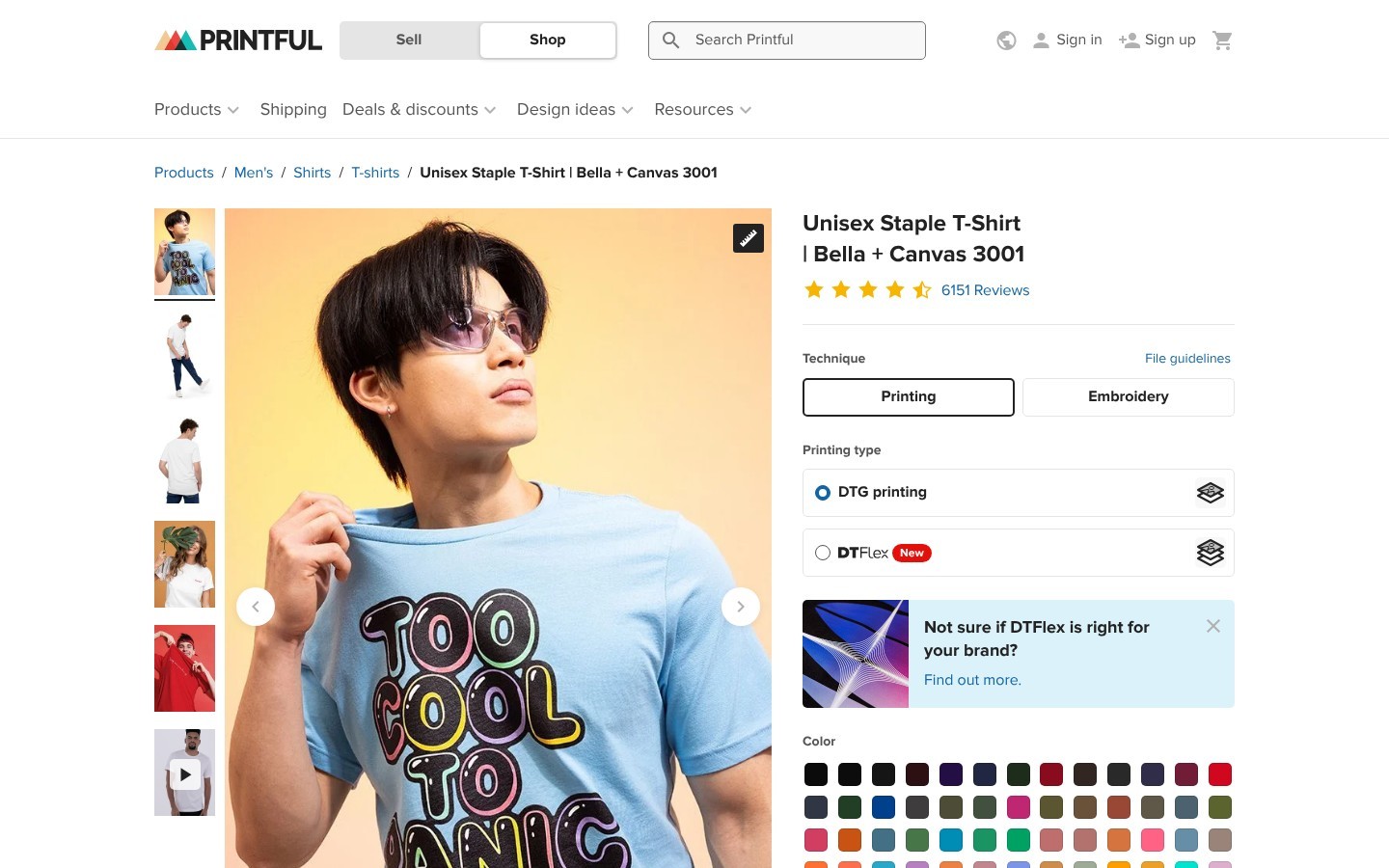
In contrast, Inkedjoy utilizes a high-volume, low-margin model. Their base prices for a standard 150g tee can be as low as $4.93, significantly undercutting Printful’s standard offering. However, when factoring in shipping—which for Inkedjoy can range from $6.00 to $12.00 per unit depending on the destination—the cost advantage narrows. For example, a mid-tier garment from Inkedjoy may cost roughly $16.15 when fully landed, compared to a premium Bella+Canvas 3001 from Printful at approximately $16.90. This data illustrates that for most businesses, the choice between the two platforms should be dictated by the specific target demographic rather than a simple price comparison.
Product Range and Production Transparency
The divergence in product philosophy is evident in their respective catalogs. Printful maintains a curated inventory of approximately 600 items, focusing on high-quality, "named" garment blanks such as Bella+Canvas and Gildan. This transparency allows brand owners to communicate product quality to their customers with precision.
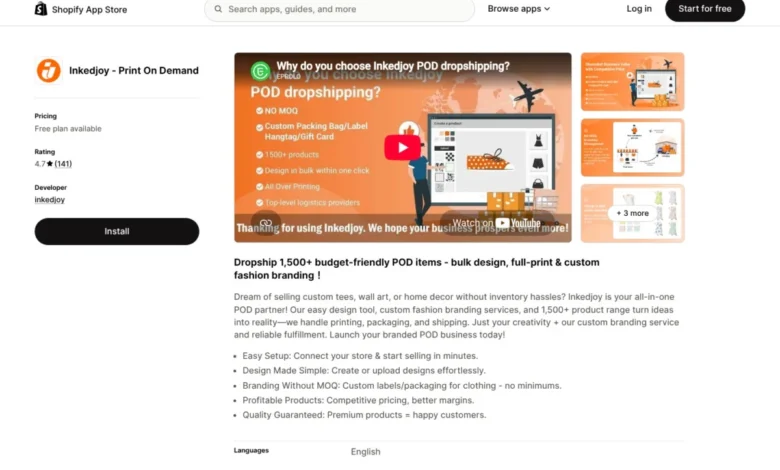
Inkedjoy, by comparison, boasts a catalog exceeding 1,500 items. This variety is a strategic advantage for stores that prioritize novelty gifts, pet accessories, and home goods alongside apparel. However, the trade-off is a lack of standardization in product identification. Inkedjoy frequently utilizes broad descriptors such as "all-over print" without specifying the underlying printing technique (DTG vs. DTF), which can create inconsistency for brands that require exact aesthetic replication across different batches.
Logistics and Fulfillment Networks
The efficiency of a fulfillment network is measured by its proximity to the end consumer. Printful’s infrastructure consists of seven in-house facilities supplemented by various production partners across North America and Europe. This geographic footprint is designed to minimize transit times and customs friction. Their standard fulfillment time is estimated at two to five business days, followed by domestic shipping of three to four days.
Inkedjoy relies on a decentralized model, utilizing warehouses in China, the U.S., and Australia. While they advertise "as fast as two-hour" production cycles, this is an outlier metric rather than a guaranteed standard. For international sellers, it is critical to note that return logistics for Inkedjoy typically route through China at the seller’s expense, a factor that can significantly impact net profitability in the event of high return rates.
Branding and Customization Opportunities
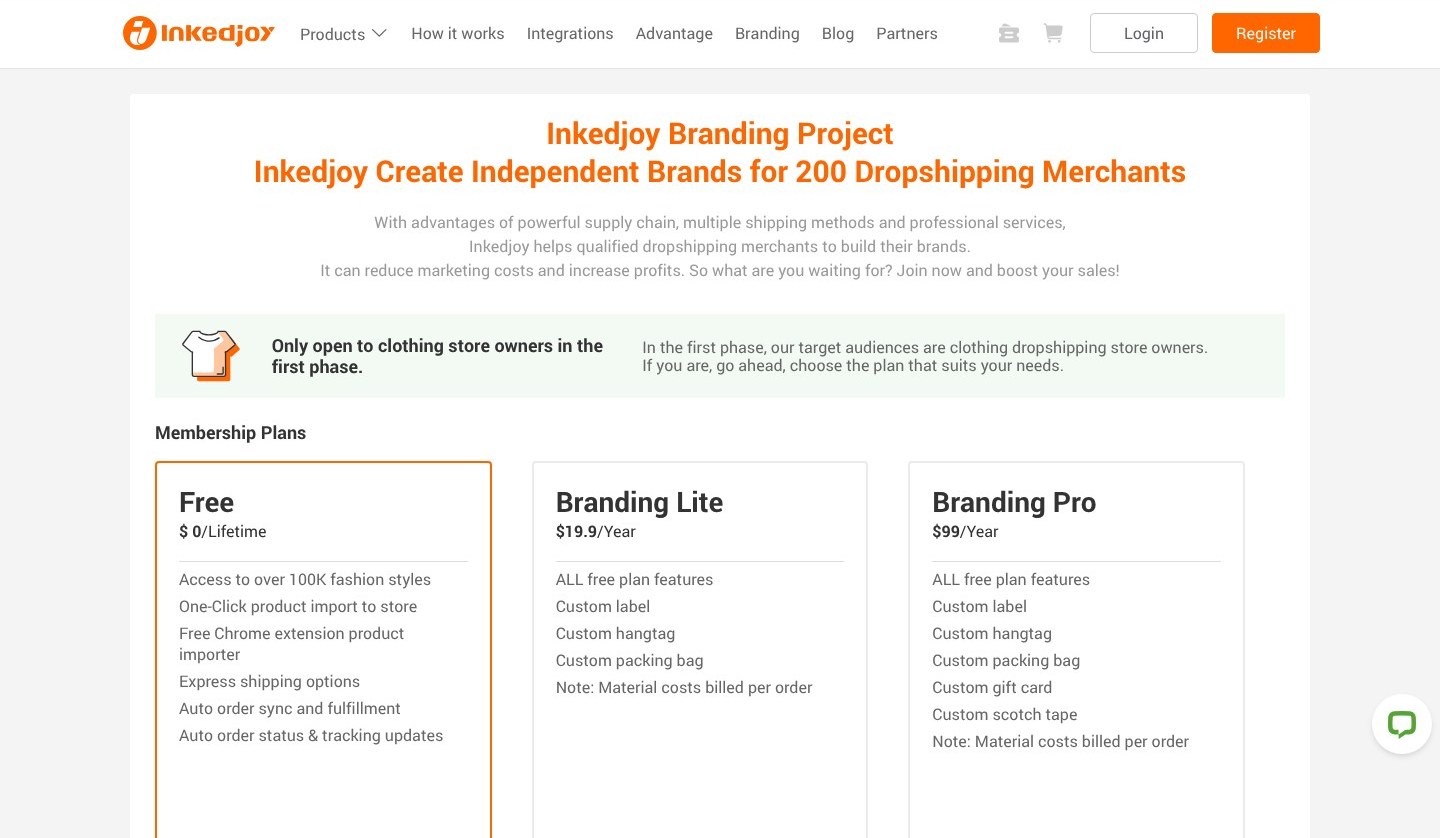
In 2026, the "unboxing experience" has become a critical marketing tool for e-commerce brands. Inkedjoy has introduced a tiered branding membership—Lite ($19.90/year) and Pro ($99/year)—that allows merchants to incorporate custom labels, hangtags, and packing bags. This bundle-style approach is particularly effective for small-scale startups looking to project a professional image without the high overhead of individual customization fees.
Printful takes a more granular approach, charging per-item fees for branding elements like inside labels ($0.99) and outside labels ($2.49). While this may appear more expensive on paper, it provides greater budgetary control, as merchants only pay for the specific branding enhancements they require for each order. For businesses that rely on consistent branding, Printful’s clear-cut fee structure is often easier to reconcile in financial statements.
Multichannel Integration and Technical Usability
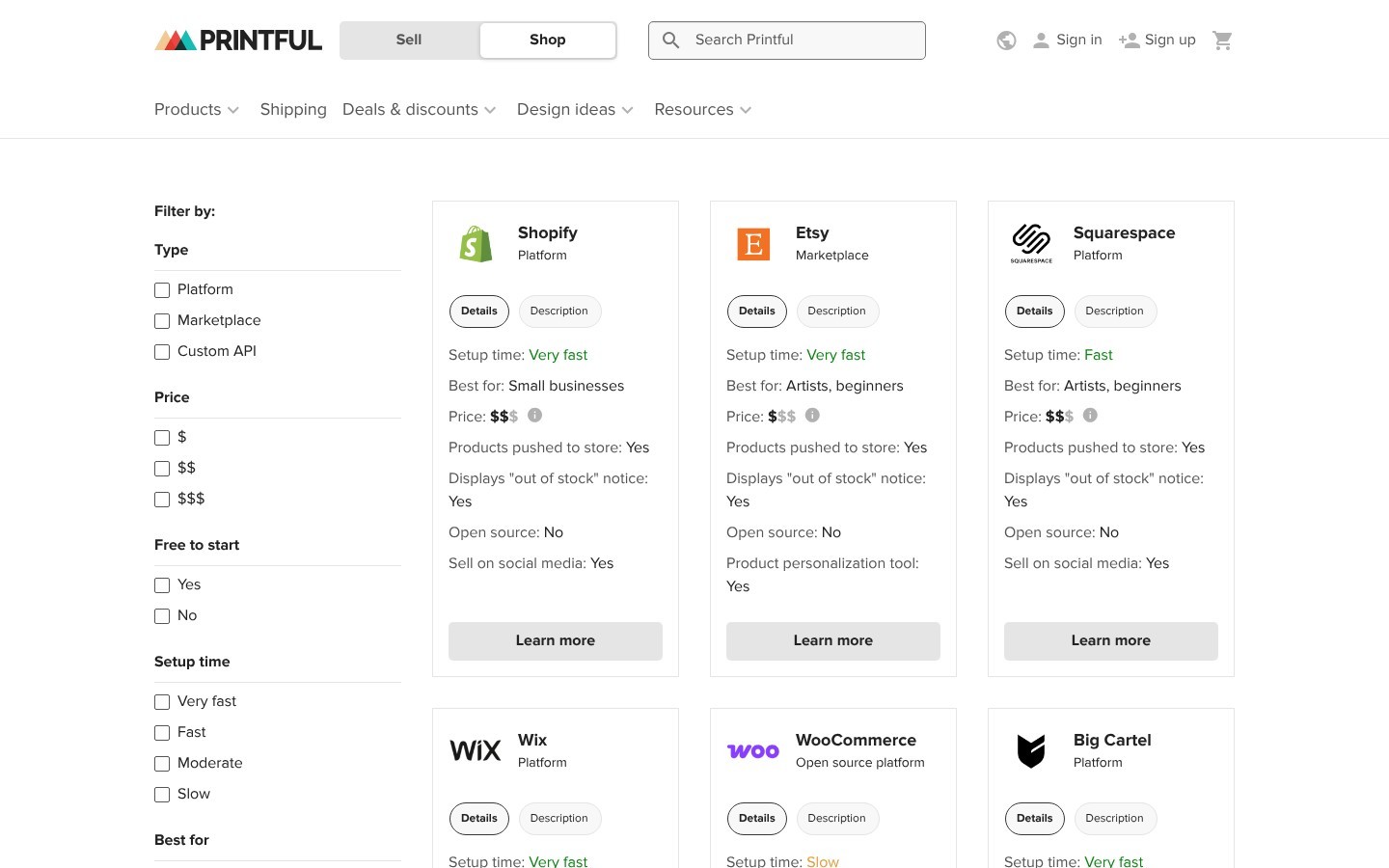
The technical capability of a POD platform to sync with various storefronts is often the deciding factor for rapid growth. Printful remains the industry leader in this category, supporting over 20 integrations, including Amazon, TikTok Shop, Squarespace, and Wix. This makes it the superior choice for brands planning an omnichannel strategy.
Inkedjoy is more constrained, currently limiting its robust integrations to Shopify, Etsy, and WooCommerce. While these three channels account for the vast majority of independent e-commerce activity, the lack of native support for marketplaces like Amazon or social commerce tools like TikTok Shop may limit the growth trajectory of more ambitious brands.
The Role of Customer Support and Long-term Scalability
Operational support is a major differentiator in the POD space. Printful offers 24/7 automated and live support, which is essential for businesses operating across multiple time zones. Their support ecosystem is highly mature, with a well-documented help center and a clear pathway for escalating quality control claims.
Inkedjoy’s support structure is more personalized, often involving dedicated account representatives for its members. While this can result in a more tailored experience, the lack of published, 24/7 service availability means that merchants may experience delays in communication during peak holiday surges or technical outages.
Strategic Conclusion and Future Outlook
As the 2026 holiday season progresses, the selection between these two platforms should be based on the specific business model of the merchant. Printful is the recommended partner for apparel-centric brands that require product consistency, clear communication of garment specs, and an expansive reach across multiple sales channels. The higher initial investment is offset by the reliability of its production network and the maturity of its integration tools.
Inkedjoy presents a compelling value proposition for businesses that are "product-first" rather than "brand-first." Its aggressive pricing and extensive catalog of unique gift items make it an ideal choice for testing niche markets or operating high-volume, low-cost storefronts on platforms like Etsy or Shopify.
Ultimately, the most prudent course of action for any business owner—regardless of the platform chosen—is the procurement of physical samples. Mockups provided by digital interfaces are tools for visual representation, not quality assurance. By auditing the actual fabric feel, print durability, and packaging quality from both suppliers, merchants can align their fulfillment strategy with their specific brand identity and margin requirements. As the market continues to evolve, the winners will be those who balance the cost-efficiencies of modern POD services with the quality expectations of their specific customer base.