Bridging the Gap: How the WordPress Credits Initiative is Reshaping Industry Talent Pipelines

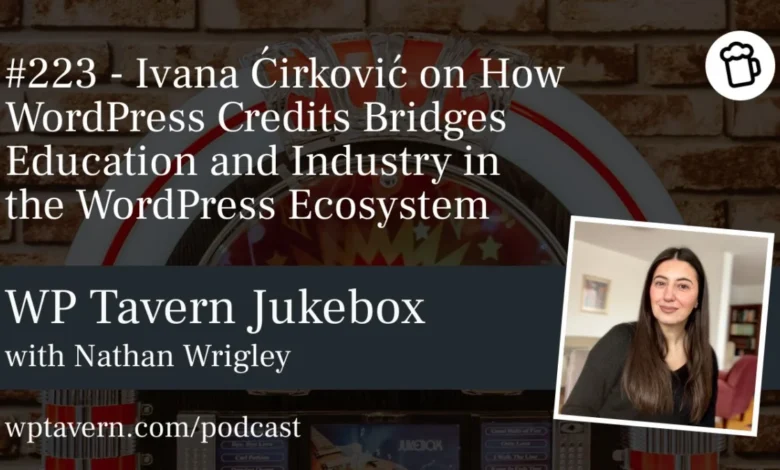
The WordPress ecosystem, a massive digital infrastructure powering over 40% of the internet, is facing a demographic shift that has prompted the WordPress Foundation to launch a strategic initiative known as WordPress Credits. This program, which began rolling out in late 2025, serves as a formal bridge between higher education and the WordPress professional marketplace. By integrating structured, hands-on open-source contributions into university curricula, the initiative aims to revitalize the community’s talent pool while providing students with verifiable, market-ready certifications that are tracked directly on the WordPress.org platform.
The launch of the WordPress Credits initiative comes at a critical juncture for the project. For over two decades, the WordPress community has grown organically, largely driven by self-taught developers, designers, and marketers. However, as the platform has evolved into an enterprise-grade content management system, the barrier to entry has shifted. Industry observers have noted that while the community remains robust, it is increasingly dominated by a demographic that has been present since the platform’s inception. The challenge, therefore, is not just one of technical evolution, but of human sustainability.
The Mechanics of the Program
The WordPress Credits initiative is designed to be a mutually beneficial ecosystem. At its core, it functions by partnering with universities to offer academic credit for contributions made to the WordPress project. Students are guided by experienced industry mentors—such as Ivana Čirković, a veteran digital marketer and leader at WPBakery—who facilitate their onboarding into the professional WordPress space.
These students do not merely learn theory; they engage in practical tasks including software translation, documentation writing, and plugin review processes. Each contribution is tracked on the student’s WordPress.org profile, effectively creating a public, immutable resume. This transparency is key to the program’s value proposition. Potential employers can view these profiles to verify the depth and quality of a candidate’s work, moving away from subjective portfolio reviews toward evidence-based competency assessments.
Addressing the Academic-Industry Disconnect
A central theme of the initiative is the modernization of academic curricula. Traditional university programs in computer science and digital marketing often struggle to keep pace with the rapid iteration cycles of open-source software. By the time a curriculum is updated, the tools and methodologies it teaches may have already shifted.
The WordPress Credits program addresses this by introducing students to the actual tools and remote collaboration workflows used by global tech companies. Participants gain experience with platforms like Slack for asynchronous communication, version control systems, and collaborative project management tools. This immersion provides students with a competitive advantage, as they enter the job market having already navigated the complexities of distributed, remote-first team environments.
Implications for Businesses and Agencies
For the business sector, particularly small to mid-sized web agencies, the program represents a significant opportunity to streamline recruitment. Onboarding a junior developer or marketing specialist in the current climate often requires a three-to-six-month training period before the employee becomes fully productive. This represents a substantial drain on resources, as senior staff must divert time from billable projects to provide supervision and training.
By hiring graduates of the WordPress Credits program, agencies can bypass the initial "foundation" stage of onboarding. These students have already been vetted through their contributions, demonstrated their ability to follow documentation, and proven their proficiency in remote collaborative standards. In this context, the program acts as a talent pipeline that reduces the cost of acquisition and training for agencies while simultaneously fostering a higher quality of entry-level professional.
Chronology and Development
The program was formally introduced in the latter half of 2025, following extensive planning by the WordPress Foundation to ensure the sustainability of the project. The first cohort of students completed their training in late 2025 and early 2026, providing the first set of data points regarding program efficacy.
During the pilot phase, mentors noted that while the program is currently focused on education, there is a clear roadmap to expand its formal structure for corporate partners. This includes potential "fast-track" certifications and specialized mentorship tracks tailored to specific industry needs, such as AI integration, e-commerce optimization, and accessibility compliance. The goal is to reach a level of standardization where a "WordPress Credit" is recognized globally as a benchmark for excellence in the ecosystem.
Broader Impact and Demographic Challenges
The aging demographic of the WordPress community is a persistent concern among long-term contributors. In many instances, the same individuals who were active in the community 15 years ago remain the primary drivers of innovation today. While this speaks to the loyalty of the community, it also highlights the need for new, younger contributors to step into leadership roles.
The WordPress Credits initiative acknowledges that reaching this younger demographic requires a shift in engagement strategy. Younger generations, often dubbed digital natives, interact with digital ecosystems differently than their predecessors. They prioritize platforms that offer rapid feedback, mobile accessibility, and clear paths to professional advancement. By aligning the WordPress project with these expectations, the initiative hopes to make the ecosystem more attractive to a generation that might otherwise gravitate toward newer, proprietary frameworks.
The Role of Mentorship and Accountability
Accountability is a fundamental pillar of the program. Students are not merely expected to complete tasks; they are required to maintain a consistent cadence of contribution. Mentors hold weekly "huddles" to discuss progress, troubleshoot technical hurdles, and offer professional guidance. This structure mirrors real-world workplace dynamics, where deliverables are expected on schedule and communication is critical.
The assessment process is rigorous. For example, in the translation track, students must have a set number of strings approved by senior polyglots before they receive credit. This ensures that the work produced is not only educational but also of high enough quality to be utilized by the global WordPress user base. If a student fails to engage or meet these standards, the program is designed to filter them out early, ensuring that the certification carries genuine weight.
Looking Toward the Future
As the initiative matures, the WordPress Foundation is exploring ways to deepen the involvement of the corporate sector. Future iterations of the program may see businesses sponsoring specific educational tracks, providing real-world problems for students to solve as part of their coursework. This "applied learning" model could further bridge the gap between academic theory and industry reality.
In the next five years, the success of the WordPress Credits initiative will be measured not just by the number of students enrolled, but by the influence these new contributors have on the project’s trajectory. By empowering a new generation to take ownership of the platform, the Foundation is effectively future-proofing the software.
The initiative is not intended to replace existing learning pathways but to supplement them with a structured, professionalized, and community-centric framework. As universities continue to integrate these credits into their degree programs, and as more businesses recognize the value of this talent pipeline, the WordPress Credits program is poised to become a foundational component of the professional WordPress experience. For those currently involved, the program offers more than just a credential; it offers a seat at the table in the future of the world’s most widely used web platform.