Nvidia Board Launches Independent Investigation After U.S. Intelligence Memo Alleges Chinese Spy Operation Targeted CEO Jensen Huang

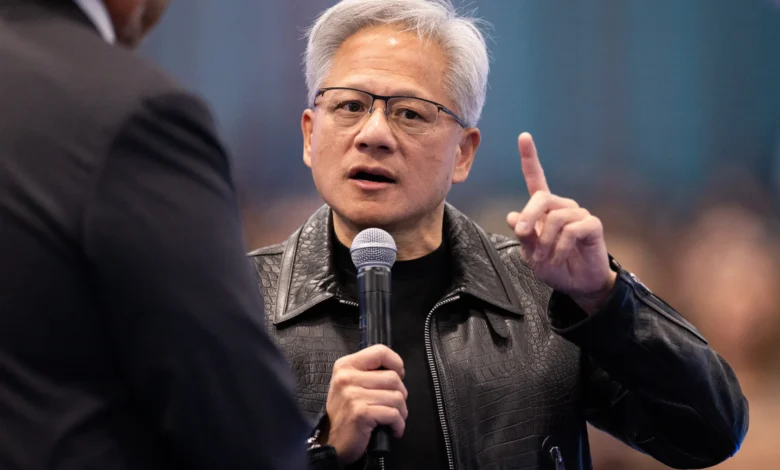
Nvidia’s board of directors announced on Sunday that it is launching a comprehensive, independent investigation following explosive revelations that Chief Executive Officer Jensen Huang was targeted by a sophisticated Chinese espionage operation. The inquiry was triggered by a U.S. intelligence memo circulating among policymakers earlier this year, which alleged that a former executive at a Singapore-based chip firm had been recruited by China’s Ministry of State Security to infiltrate the CEO’s personal life and potentially gain access to sensitive corporate or national security information.
Concurrently, Nvidia published an internal message authored by Huang himself, in which the long-serving CEO openly admitted to having an affair with Alice Huang, a former executive at Singaporean chip company Megaspeed, though her name was omitted from the public-facing memo. The convergence of high-stakes geopolitics, personal misconduct, and the irreplaceable leadership of the world’s most valuable artificial intelligence hardware maker has sent shockwaves through Silicon Valley and Washington alike.
While the board has maintained that it currently has no evidence indicating a breach of company secrets or national security, the unfolding situation highlights the immense vulnerabilities facing technology executives at the nexus of the ongoing U.S.-China technology cold war.
The Personal Admission and Apology
In his message to the company, Jensen Huang did not attempt to deflect or minimize his actions, offering an unreserved apology to his family, employees, board members, and global shareholders.
“I owe my family and all of you an apology,” Huang wrote. “I was unfaithful to my wife. My actions hurt her and our children. There is no excuse for what I did. I am deeply sorry.”
Huang acknowledged that his personal conduct fell critically short of the governance and ethical standards expected of a chief executive officer steering a trillion-dollar enterprise at the forefront of a global technological revolution.
“To my colleagues at NVIDIA, including those I have worked alongside for decades, and to our board, partners, and shareholders around the world: you deserve better from me,” he added.
The public admission marks a rare moment of personal vulnerability for one of the tech industry’s most revered figures, who has helmed Nvidia since its founding in 1993 and steered it to unprecedented prominence during the generative AI boom.
Chronology of the Espionage Allegations
The roots of the current crisis trace back several months through a series of intelligence briefings and shifting geopolitical tensions:
- Earlier This Year: A classified U.S. intelligence memo begins circulating among federal policymakers and national security officials. The document outlines an alleged operation by China’s Ministry of State Security (MSS) targeting prominent American technology leaders, specifically identifying Alice Huang—then an executive at Singapore-based Megaspeed—as having been recruited to approach and spy on Nvidia CEO Jensen Huang.
- Summer and Fall 2026: As geopolitical anxieties mount over the security of advanced semiconductor supply chains, Nvidia maintains that its interactions with Alice Huang were "not unusual" and reiterates that the company does not share classified information with customers or external entities.
- Sunday, November 8, 2026: Nvidia’s board of directors officially announces the formation of an independent investigation. The review will be conducted by independent directors working alongside external legal counsel. Simultaneously, Jensen Huang publishes his apology admitting to the affair.
Corporate and Board Response
Despite the gravity of the allegations, Nvidia’s board of directors has moved quickly to project stability and maintain investor confidence. In its official statement released Sunday, the board emphasized that it has “no reason to believe” that either corporate trade secrets or broader national security assets were compromised during the course of the relationship.
Furthermore, the board affirmed its strong backing of the company’s long-time leader, noting that Jensen Huang “fully supports the review and has committed to cooperating with it.” The board expressed absolute “confidence in Jensen and his leadership team,” signaling that they do not intend to force his resignation absent concrete findings of compromised proprietary information or legal wrongdoing.
Independent legal counsel will lead the forensic review, examining communications, travel logs, and potential exposure points to ensure absolute transparency and to satisfy both federal regulators and wary institutional investors.
Broader Context: The AI Superintelligence Race and Corporate Espionage
The investigation into Nvidia’s CEO takes place against the backdrop of an intense, high-stakes geopolitical contest for supremacy in artificial intelligence. As the United States and China vie for dominance in advanced computing capabilities, semiconductors—and Nvidia’s cutting-edge graphics processing units (GPUs) in particular—have become the ultimate geopolitical currency.
Nvidia’s hardware is the foundational infrastructure upon which modern generative AI models, defense systems, and commercial supercomputers are built. Because of this strategic positioning, Nvidia executives, research facilities, and supply chains are prime targets for foreign intelligence services.
Intelligence agencies across the West have repeatedly warned that foreign state actors routinely deploy “honey traps” and romance-based espionage tactics to compromise executives in critical industries. In recent months, other major players in the artificial intelligence sector, including OpenAI, have issued blunt internal warnings to employees, instructing them to be hyper-vigilant regarding unsolicited approaches, digital romance scams, and potential espionage operations disguised as personal relationships.
Compounding the delicate political dynamics is Jensen Huang’s reported close relationship with high-ranking U.S. political figures, including President Donald Trump, who has actively championed the domestic AI and "superintelligence" manufacturing sectors. Any disruption to Nvidia’s leadership or operations could have cascading effects on the broader American technology ecosystem and national security strategy.
Fact-Based Analysis of Implications
While Nvidia’s board has acted swiftly to contain the fallout, the long-term implications of this scandal remain multifaceted:
- Governance and Executive Scrutiny: Even if the independent investigation clears Huang of compromising corporate secrets, the revelation of a personal relationship with an individual tied to foreign intelligence highlights glaring vulnerabilities in executive protection protocols. Shareholder advisory groups and institutional investors may demand stricter oversight regarding the personal security and personal lives of CEOs managing critical national infrastructure assets.
- Geopolitical Retaliation and Scrutiny: Washington regulators, already hyper-sensitive to technology leakage and intellectual property theft concerning China, will likely increase their scrutiny of Nvidia’s supply chains, international partnerships, and export compliance frameworks. The narrative of a compromised CEO plays directly into bipartisan calls for tighter export controls and domestic manufacturing mandates.
- Market Stability: Nvidia has established itself as the undisputed titan of the AI hardware market, commanding a dominant share of the data center GPU market. Historically, the market views Jensen Huang as irreplaceable. While the swift actions of the board—launching an independent probe while keeping Huang at the helm—have temporarily calmed jittery markets, any future revelations from the investigation could trigger sudden volatility in tech stocks.
As the independent legal counsel commences its deep dive into the matter, the tech world will be watching closely to see how Nvidia navigates the collision between high-tech geopolitics, executive accountability, and personal indiscretion.