T-Mobile Brings Back Coveted Free iPhone Deals Featuring Massive Discounts on Apple iPhone 18 Pro and Pro Max Models

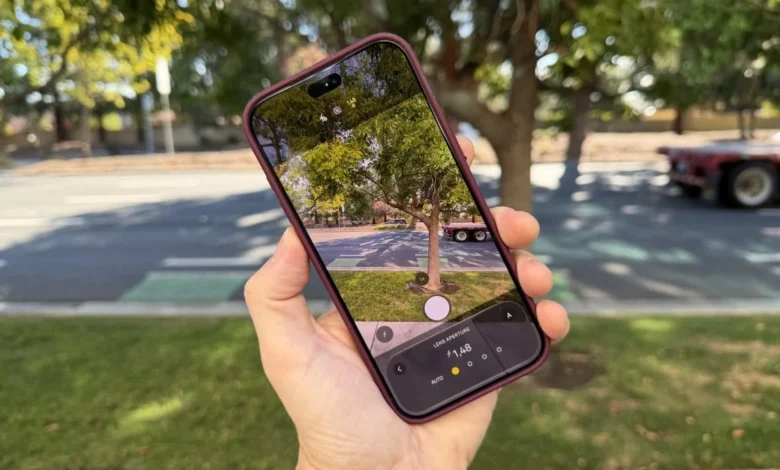
The telecommunications landscape has experienced a notable shift as T-Mobile officially reintroduced its aggressive promotional campaign, offering the Apple iPhone 18 Pro completely free of charge to qualifying consumers. This development follows a brief hiatus during which the carrier temporarily pulled back on zero-dollar device promotions for its high-end smartphone inventory, leaving consumers eager for the return of substantial subsidies. Alongside the headline-grabbing offer for the standard Pro model, the carrier has introduced a significant price reduction for consumers opting for the larger-format Apple iPhone 18 Pro Max, offering a $1,200 discount under matching contractual terms.
These promotions arrive on the heels of a tumultuous period in the consumer technology sector, defined heavily by the launch of Apple’s long-anticipated iPhone Duo. As the technology giant’s first-ever foray into the foldable smartphone market, the iPhone Duo commanded the lion’s share of industry headlines and consumer debate upon its debut. While the innovative form factor generated considerable excitement, it also invited a wave of scrutiny regarding hardware durability, early adopter hurdles, and software optimization. With the initial media frenzy surrounding the foldable device beginning to settle, attention has redirected toward the traditional flagship slab market, where carriers are eager to capture market share through aggressive hardware subsidies.
Mechanics of the T-Mobile Promotional Offer
To qualify for the zero-dollar Apple iPhone 18 Pro or the $1,200 discount on the Apple iPhone 18 Pro Max, prospective customers must satisfy specific eligibility criteria established by T-Mobile. The primary prerequisite is switching from a competing carrier and porting an existing telephone number over to T-Mobile’s premier Experience Beyond service plan.
While the upfront cost of the hardware is ostensibly eliminated or drastically reduced, the structure of the promotion requires long-term commitment from the consumer. The total value of the device subsidy is not applied as an instant credit at the point of sale. Instead, the savings are distributed systematically as monthly bill credits spread across a 36-month installment payment plan. This extended timeline ensures that the carrier retains subscriber loyalty over a three-year period.
Consumers navigating this promotion should also anticipate certain mandatory upfront costs. While the device itself is covered via monthly credits, buyers are required to pay local sales tax calculated on the full retail value of the smartphone at the time of purchase. Additionally, T-Mobile assesses a standard device connection fee of $35 per line at checkout, a routine administrative charge associated with activating new lines on the network.
The fine print of the agreement underscores the binding nature of the 36-month commitment. If a customer decides to terminate their service with T-Mobile, port their number away, or otherwise default on their agreement before the three-year term concludes, the remaining balance of the device’s retail price becomes immediately due in full.
Background Context: The Evolution of Carrier Subsidies
The resurgence of T-Mobile’s high-value promotions highlights a broader cyclical trend within the telecommunications industry. Over the past decade, major carriers have steadily phased out traditional two-year subsidized phone contracts in favor of equipment installment plans (EIPs) paired with trade-in requirements or service plan tier lock-ins.
When Apple launched its iPhone 17 generation and subsequently introduced the early iterations of the iPhone 18 lineup, market analysts noted a conservative approach to promotional discounting across the major US carriers—Verizon, AT&T, and T-Mobile. During this window, consumers faced tighter restrictions, lower trade-in valuations, and higher thresholds for eligibility. Industry observers attributed this tightening to macroeconomic pressures, rising hardware manufacturing costs, and a strategic shift toward prioritizing average revenue per user (ARPU) over pure subscriber acquisition volume.
However, the launch of disruptive form factors, such as foldable devices, frequently alters the competitive dynamics of the smartphone market. As manufacturers push boundaries with new designs, traditional slab flagships like the iPhone 18 Pro and Pro Max must remain attractive to a vast demographic of buyers who prefer conventional utility over unproven technologies. By reintroducing aggressive zero-dollar promotions, T-Mobile is positioning itself to capture upgrade-hungry consumers who might otherwise hesitate to invest in top-tier hardware amid broader economic caution.
Chronology of the iPhone 18 Launch and Promotional Shift
The timeline leading up to the current promotional window reveals a carefully orchestrated sequence of hardware releases and carrier adjustments:
- Early September: Apple formally announces its autumn hardware lineup, showcasing the iPhone 18 series alongside preliminary details regarding its upcoming foldable ecosystem.
- Mid-September to Early October: The iPhone Duo launches to mixed critical reception, sparking industry-wide discussions regarding the durability and practical implementation of foldable displays. During this timeframe, major carriers maintain restrained promotional structures for standard flagship models, focusing heavily on device financing rather than direct subsidies.
- Mid-October: Consumer chatter regarding early hardware bugs and software patches for the foldable lineup begins to stabilize. Concurrently, sales data indicates steady demand for traditional pro-tier smartphones.
- Late October: T-Mobile reverses its conservative promotional posture, officially rolling out the Experience Beyond plan incentives, featuring a free Apple iPhone 18 Pro and a $1,200 price reduction on the iPhone 18 Pro Max for switchers.
Industry Analysis and Market Implications
From an economic perspective, carrier subsidies tied to multi-year service agreements serve a dual purpose: they guarantee recurring monthly revenue while locking consumers into proprietary ecosystems. The requirement for subscribers to adopt the Experience Beyond plan indicates that T-Mobile is leveraging its highest-tier offerings to offset the cost of the hardware subsidies.
Financial analysts note that while consumers effectively receive a high-end device at little to no direct hardware cost, the total cost of ownership is absorbed through the higher monthly service fees associated with premium unlimited plans over a 36-month horizon. For heavy data users or families consolidating multiple lines, this trade-off often represents significant cumulative savings compared to purchasing devices outright and maintaining lower-tier prepaid plans.
Furthermore, the timing of T-Mobile’s offer is strategically significant. By targeting switchers—consumers willing to leave rival networks—the carrier is engaging in direct market capture. In a mature telecommunications market where organic subscriber growth is slow, stealing market share from competitors remains the primary avenue for expansion. High-value hardware promotions continue to serve as the most effective catalyst for consumer migration between carriers.
Consumer Considerations and Recommendations
For prospective buyers evaluating T-Mobile’s latest offering, financial experts advise a comprehensive review of household telecommunications expenditures. While obtaining an Apple iPhone 18 Pro without upfront device costs is appealing, consumers must weigh the monthly obligation of the Experience Beyond plan against their actual data usage and budget requirements.
Additionally, buyers must factor in the non-refundable upfront expenses, including local sales taxes on the full retail price of the smartphone and the $35 connection fee per line. Those who prefer the flexibility of upgrading their hardware on an annual basis may find a 36-month commitment restrictive, as exiting the agreement early invalidates the remaining bill credits and accelerates the full cost of the device.
Nevertheless, for consumers who intended to switch carriers and commit to a long-term premium service plan regardless, the return of zero-dollar flagship promotions marks a welcome return to competitive carrier incentives. As the holiday shopping season approaches, industry watchers will monitor whether competing networks—namely AT&T and Verizon—respond with matching or enhanced promotional campaigns to defend their respective market positions.