Threads is testing a new custom like option in some markets that allows users to personalize engagement

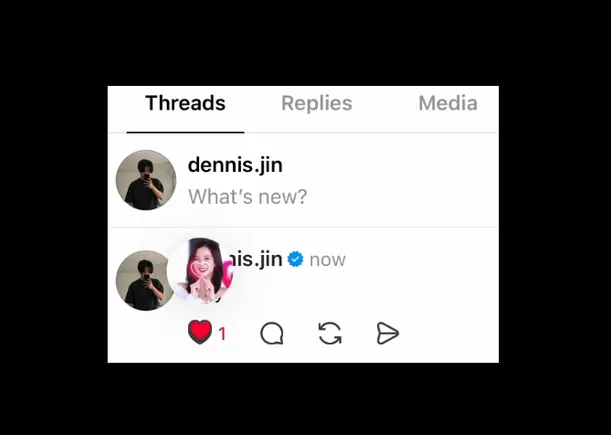
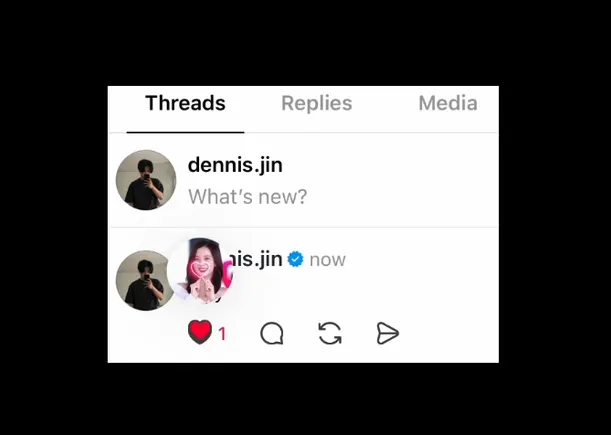
Meta-owned text-based social media platform Threads is currently evaluating a transformative feature that brings a new layer of personalization to digital interactions. According to recent announcements and user-spotted interface updates, the platform is rolling out a limited regional test for custom like animations and graphics. This capability allows individuals and corporate accounts alike to attach a unique visual asset—ranging from customized emojis and animated stickers to bespoke GIFs—to their profiles. When other users interact with their content by tapping the like button, this specialized graphic dynamically displays, replacing or augmenting the standard heart icon with something tailored to the content creator’s distinct identity.
The feature, which is currently in its nascent testing phase, represents a calculated move by Meta to redefine user expression within its rapidly expanding ecosystem. By allowing digital creators, everyday users, and global brands to curate their own engagement aesthetics, Threads is tapping into a broader industry trend toward hyper-personalization. As social media platforms vie for daily active users and meaningful retention metrics, incremental interface adjustments like custom reaction graphics are increasingly viewed as essential tools for driving platform stickiness.
Regional Rollout and Testing Parameters
The initial rollout of the custom like feature is intentionally constrained. According to statements attributed to Threads Chief Connor Hayes, the experimental functionality is currently live for a select cohort of users across three distinct international markets: South Korea, Brazil, and Indonesia. These specific regions have historically served as vital testbeds for Meta’s emerging products due to their high mobile engagement rates, tech-savvy user bases, and vibrant creator economies.
By launching the test in these diverse geographic regions, Meta aims to gather robust quantitative and qualitative data regarding user adoption, server load during high-traffic engagement spikes, and potential abuse vectors. Initial screenshots shared by early testers on the platform reveal a streamlined interface within profile settings, where users can designate their chosen graphic. Crucially, the custom like option is tied directly to the user’s overall profile rather than applied on a post-by-post basis. This architectural decision ensures consistency across a creator’s entire output, establishing a recognizable visual branding element whenever their content receives a tap of approval.
Mechanics of the Custom Like Ecosystem
Understanding the technical implementation of the feature clarifies its scope and limitations. Because the animation or graphic is bound to the account profile rather than individual posts, users cannot create situational or post-specific reactions—such as a birthday cake for one update and a laughing face for another—simultaneously. Instead, the graphic acts as a persistent digital signature.
Despite this structural limitation, the flexibility of the feature remains high. Users can manually update their profile-linked graphic as often as they prefer. This dynamic adaptability opens up a wide array of creative use cases. For individual users, the animation can be modified to reflect seasonal changes, such as falling autumn leaves, winter snowflakes, or celebratory symbols for major holidays. It can also be leveraged to show support for cultural moments, social causes, or trending internet phenomena in real time.
For corporate entities, publishers, and commercial brands, the implications are even more pronounced. Marketing departments can align their profile’s engagement button with newly launched product lines, ongoing advertising campaigns, or corporate milestones. When consumers browse a brand’s feed and choose to interact with a post, the resulting animation reinforces brand identity in a subtle yet memorable way. This gamification of the standard like action transforms a routine platform interaction into a micro-branding opportunity.
The Strategic Evolution of Threads
To fully comprehend the significance of this feature test, it is necessary to examine the broader trajectory of Threads since its high-profile launch. Introduced by Meta in July 2023 as a direct competitor to X (formerly Twitter), Threads achieved historic adoption milestones within its first week, registering over 100 million sign-ups in record time. Capitalizing on the existing social graph of Instagram, the platform positioned itself as a text-first conversational space designed for positive, public discourse.
However, the initial surge was quickly followed by the inevitable challenge of long-term user retention and engagement. Industry analysts closely monitored daily active user counts as the novelty wore off. In response, Meta’s product teams embarked on a systematic roadmap of feature enhancements aimed at keeping users anchored to the platform. Additions such as chronological feeds, robust search functionality, web client integration, and direct messaging integrations have steadily transformed Threads from a bare-bones alternative into a mature, fully featured social network.
The introduction of customizable engagement mechanics represents the next logical phase of this evolution. While major platform overhauls capture headlines, minor UI enhancements often dictate the micro-habits that keep users returning multiple times a day. By giving users a vested interest in the visual feedback loop of their interactions, Meta is addressing the psychological drivers of social media participation.
Engagement and Behavioral Economics
From a behavioral standpoint, the custom like feature introduces a novel incentive structure designed to boost platform activity. In traditional social media environments, the like button is standardized, ubiquitous, and functional; its primary purpose is informational and validating. By introducing visual variability, Threads turns the act of liking into an exploratory exercise.
Users may find themselves more inclined to scroll through feeds and interact with content simply to discover what unique animations various creators have selected. This curiosity-driven engagement loop could yield significant increases in platform-wide interaction metrics. For creators, the feature provides an additional incentive to drive traffic to their profiles, knowing that their custom graphic serves as a distinguishing badge of personality or brand identity.
Furthermore, this mechanic aligns with the broader gamification strategies that have dominated digital product design over the past decade. Items like custom badges, profile themes, and animated avatars have long served as primary monetization and engagement drivers in the gaming industry. Bringing similar personalization vectors into a text-centric social network bridges the gap between passive reading and active, expressive participation.
Market Implications for Brands and Creators
The commercial potential of interactive UI elements cannot be overstated in the modern digital economy. For digital creators, influencers, and media organizations, audience loyalty is often measured by the depth of engagement rather than sheer follower count. A custom like graphic offers an intimate touchpoint between a creator and their most dedicated followers.
Consider the marketing implications for independent artists, musicians, and public figures. During an album release cycle, a musician could temporarily set their custom like graphic to a spinning vinyl record or a snippet of album artwork. Every fan who interacts with their updates becomes an unwitting participant in the promotional campaign, generating organic visual reinforcement across the platform’s public feeds.
Corporate brands, too, stand to benefit from nuanced community management tools. While platforms have historically charged exorbitant fees for custom emoji packs or branded sticker sets, integrating a profile-linked animation directly into the native user experience democratizes creative expression while offering a powerful canvas for corporate storytelling. Industry observers anticipate that if the current regional tests yield positive engagement data, Meta may eventually expand the feature to verified business accounts globally, potentially opening up tiered customization options or sponsored interaction graphics as part of future monetization strategies.
Privacy, Moderation, and Technical Challenges
With any feature that introduces user-generated or user-selected graphics into a shared public space, moderation and platform safety remain paramount concerns. Allowing individuals to upload or link custom animations to a high-visibility engagement button creates potential vectors for abuse. Malicious actors could theoretically attempt to utilize inappropriate, copyrighted, or misleading imagery within the like animation framework to harass other users or violate community standards.
Meta’s engineering and trust-and-safety teams will undoubtedly use the South Korea, Brazil, and Indonesia pilot programs to stress-test moderation pipelines. Determining whether custom graphics will be subject to automated image-recognition screening, manual review, or strict library limitations will be critical before any wider global rollout takes place. Balancing creative freedom with stringent brand safety and user protection is a delicate equilibrium that Meta has continually refined across its family of apps, including Facebook and Instagram.
Additionally, technical performance must be evaluated. Social media feeds operate under intense rendering constraints, particularly on mobile devices scrolling rapidly through media-rich environments. Dynamically loading custom animations or complex vector graphics every time a user taps the like button introduces potential rendering overhead. Ensuring that these visual additions do not compromise app performance, battery efficiency, or data consumption rates will be a core metric for engineers assessing the pilot’s success.
Future Outlook and Global Rollout Timeline
As of the current reporting period, Meta has not released an official timeline for the global expansion of the custom like feature. Executives have maintained a cautious stance, emphasizing that the functionality is strictly in an exploratory testing phase. The ultimate decision to roll the feature out to North American, European, and other major markets will depend entirely on the performance indicators gathered from the ongoing South Korean, Brazilian, and Indonesian trials.
Key performance metrics will likely include overall engagement rate shifts, user feedback scores, server latency measurements, and trust-and-safety incident reports. If these metrics demonstrate that the feature successfully drives user retention without introducing unacceptable moderation or performance burdens, a phased global rollout could occur later in the year.
Ultimately, the custom like experiment underscores Threads’ commitment to differentiating itself in a crowded social media landscape. By empowering users to infuse their digital presence with granular visual identity, the platform is moving beyond mere utility into the realm of personal expression. Whether this small interface tweak becomes a defining staple of modern online communication remains to be seen, but its introduction signals an exciting new frontier for digital engagement design.
Related posts: