Google Integrates Meridian Open Source Marketing Mix Model into Analytics 360 to Revolutionize Predictive Measurement and Advertising Performance

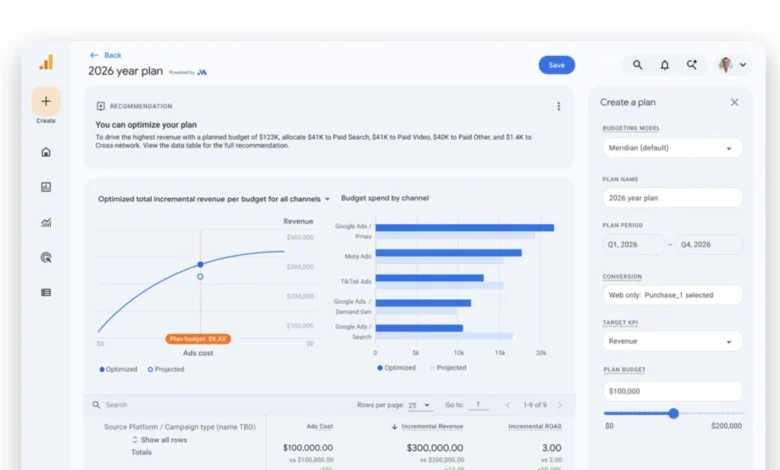
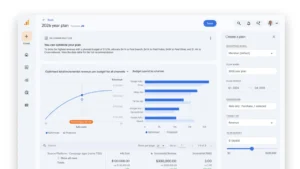
Google has announced a significant expansion of its measurement ecosystem by integrating Meridian, its open-source Marketing Mix Model (MMM), directly into Google Analytics 360. This strategic move aims to provide enterprise-level marketers with a unified framework for cross-channel measurement, combining the granular insights of digital analytics with the high-level strategic overview provided by econometric modeling. Alongside this integration, Google is introducing Qualified Future Conversions (QFCs) within Google Ads, a feature powered by the Gemini generative AI model designed to bridge the gap between upper-funnel brand awareness activities and long-term sales outcomes. These updates represent a pivot toward privacy-centric, AI-driven measurement solutions as the advertising industry moves away from traditional user-level tracking.
The Strategic Integration of Meridian into Google Analytics 360
The integration of Meridian into Google Analytics 360 marks a shift in how the technology giant approaches marketing effectiveness. For years, digital attribution—which tracks individual user journeys across clicks and impressions—was the gold standard. However, increasing privacy regulations, the deprecation of third-party cookies, and the complexity of multi-device paths have rendered traditional attribution less reliable. Marketing Mix Modeling, a statistical technique that has existed for decades, has seen a resurgence because it relies on aggregated data rather than individual tracking.
Meridian was first introduced by Google as an open-source MMM framework built to help advertisers build high-quality models. By moving Meridian into Google Analytics 360, Google is providing a streamlined workflow for enterprise clients. Instead of exporting data to external environments to run complex statistical models, users will soon be able to leverage Google’s infrastructure to gain a complete picture of performance. This unified measurement approach allows brands to understand how their investments in search, social, television, and print interact to drive overall business growth.
The core value proposition of Meridian lies in its transparency. As an open-source tool, it allows data scientists to inspect the underlying code and methodologies, ensuring that the model is not a "black box." This transparency is critical for large organizations that need to justify multi-million dollar budget allocations to stakeholders. The integration into GA360 further democratizes access to these insights, allowing marketing teams to take action on data-driven decisions with greater speed and confidence.
Qualified Future Conversions and the Role of Gemini AI
Beyond the unification of measurement models, Google is enhancing the predictive capabilities of its advertising platforms through the introduction of Qualified Future Conversions (QFCs). In the current digital landscape, many marketers struggle to quantify the value of "top-of-funnel" investments, such as video ads or display campaigns, which may not lead to an immediate sale but are essential for building brand equity.
QFCs utilize Gemini, Google’s most advanced AI model, to analyze a variety of signals—such as brand searches, site visits, and engagement patterns—to link early-stage marketing spend to future revenue. For example, if a user views a YouTube ad for a new vehicle and subsequently performs multiple brand-related searches over the following weeks, Gemini can identify these signals as indicators of a high-probability future conversion.
This predictive signal processing addresses a major pain point for advertisers: the "missed revenue" caused by under-investing in brand-building activities that do not show immediate ROI in last-click attribution models. By identifying these future sales early, marketers can optimize their bidding strategies in real-time. Google has indicated that these QFC signals will eventually be integrated directly into the Meridian framework, further refining the accuracy of Marketing Mix Models by providing a more nuanced understanding of how brand health influences long-term sales volume.
A Chronology of Measurement Evolution at Google
The announcement of Meridian’s integration is the latest step in a multi-year roadmap focused on privacy-centric measurement. To understand the significance of this move, it is necessary to look at the timeline of Google’s measurement transitions:
- 2020-2021: Google begins the aggressive transition from Universal Analytics to Google Analytics 4 (GA4), emphasizing event-based tracking and machine learning to fill data gaps caused by cookie restrictions.
- 2022: The introduction of Data-Driven Attribution (DDA) as the default model in Google Ads and GA4, moving away from "last-click" models.
- Early 2024: Google officially launches Meridian as an open-source MMM, positioning it as a tool for the "privacy-first era."
- Late 2024: The announcement of Meridian’s integration into Google Analytics 360 and the unveiling of QFCs powered by Gemini.
This timeline illustrates a clear trajectory: Google is moving from a provider of raw data to a provider of modeled insights. As the availability of raw, granular user data diminishes due to privacy changes like Apple’s App Tracking Transparency (ATT) and the ongoing phase-out of third-party cookies in Chrome, modeling becomes the only viable way to maintain a comprehensive view of marketing performance.
Supporting Data: The Growing Need for Advanced Measurement
Industry data underscores the urgency of these updates. According to a recent report by Gartner, approximately 60% of CMOs are under increased pressure to prove the ROI of their marketing spend amidst economic uncertainty. Furthermore, a study by Deloitte found that organizations using advanced predictive analytics are 2.9 times more likely to report significant revenue growth compared to those using basic descriptive statistics.
The decline of traditional tracking has also left a vacuum. Research from Econsultancy suggests that 45% of marketers feel their current measurement tools are inadequate for a cookieless future. By providing an open-source MMM like Meridian, Google is addressing the need for a methodology that respects user privacy while still providing the level of detail required for budget optimization.
Internal Google data highlights the efficacy of combining AI with measurement. Advertisers who utilize AI-driven bidding and measurement tools have seen, on average, a 15% increase in conversions at a similar cost per action. The integration of QFCs is expected to push these numbers higher by allowing the AI to bid on "future value" rather than just "immediate clicks."
Industry Implications and Market Reaction
The reaction from the marketing and advertising community has been largely positive, though characterized by a degree of cautious optimism. Industry analysts suggest that by making Meridian open-source, Google is attempting to set an industry standard for MMM, much like it did with the "Google Analytics" name itself.
"The integration of Meridian into GA360 is a significant step toward making sophisticated econometric modeling accessible to a wider range of businesses," says one senior data strategist at a global media agency. "However, the real test will be how well it integrates with non-Google data. For an MMM to be truly effective, it must ingest data from Meta, Amazon, and offline channels with the same level of ease as it does from Google Ads."
Competitors in the space, such as Meta with its "Robyn" open-source MMM and Amazon with its Marketing Cloud, are also vying for dominance in the measurement landscape. Google’s advantage lies in its massive ecosystem; by embedding Meridian within the Analytics 360 interface, it reduces the friction for existing customers, potentially making it the default choice for enterprise measurement.
Furthermore, the introduction of Gemini-powered QFCs represents a competitive move against other AI-driven advertising platforms. By leveraging its vast search data to predict future conversions, Google is doubling down on its unique strength: the ability to see the "intent" of the consumer long before a transaction occurs.
Fact-Based Analysis of Broader Impacts
The broader implications of these updates extend beyond just better reporting. They represent a fundamental change in the relationship between brands and their data.
- Democratization of Data Science: Historically, building an MMM required a team of PhD-level statisticians and months of data preparation. By automating parts of this process within GA360 and providing an open-source framework, Google is lowering the barrier to entry for advanced measurement.
- Privacy as a Default: Because MMMs and QFCs rely on aggregated and modeled data, they are inherently more privacy-compliant than older tracking methods. This allows brands to navigate the complex global landscape of privacy laws (such as GDPR and CCPA) without sacrificing the ability to measure effectiveness.
- The Rise of Predictive Marketing: The shift from reactive reporting (what happened?) to predictive modeling (what will happen?) allows for more proactive budget management. Marketers can now "invest in what’s next" by identifying emerging trends and future sales opportunities through Gemini’s signal processing.
- Integration of Brand and Performance: For decades, "brand" and "performance" marketing have operated in silos. QFCs provide a mathematical link between the two, proving that upper-funnel brand spend is not just a "nice-to-have" but a quantifiable driver of future performance.
Conclusion: Bridging the Gap Between Data and Decision-Making
As the AI era progresses, the volume of data available to marketers continues to grow, but the ability to derive actionable insights from that data has become increasingly difficult. Google’s integration of Meridian into Analytics 360 and the launch of Qualified Future Conversions represent a concerted effort to simplify this complexity.
By providing a unified measurement platform that combines the transparency of open-source modeling with the predictive power of generative AI, Google is equipping businesses with the tools necessary to turn data into growth. These updates are designed to help advertisers understand exactly what is working in their current mix and provide them with the confidence to invest in future opportunities. As these predictive signals eventually integrate with Meridian to refine MMM accuracy, the boundary between historical analysis and future strategy will continue to blur, ushering in a new standard for marketing excellence in a digital-first world.