WordPress 7.0 Unveils Simplified PHP-Only Block Development to Bridge the Legacy-Modern Divide

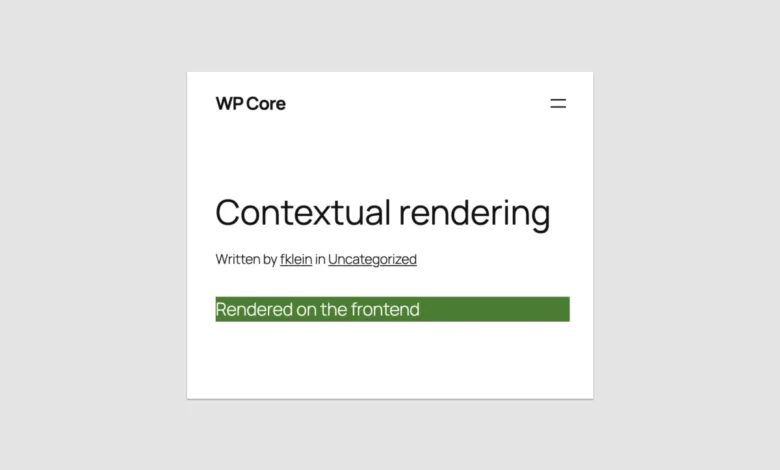
Seven and a half years after the Gutenberg editor first fundamentally transformed the WordPress ecosystem, the platform has reached a significant milestone in its evolution. With the release of WordPress 7.0, developers are no longer strictly tethered to the complexities of React, Node.js, and build pipelines when creating custom blocks. By introducing a native, PHP-only registration pathway, WordPress is effectively lowering the barrier to entry for the thousands of developers who have long maintained legacy PHP-based themes. This development marks a strategic pivot in the platform’s trajectory, acknowledging that while modern JavaScript-based blocks represent the future, the migration of the existing web requires a more accessible, language-agnostic approach.
The Evolution of Block Architecture
To understand the significance of this update, one must consider the timeline of the WordPress block editor. Introduced in December 2018 with WordPress 5.0, the "Gutenberg" project sought to move the platform away from traditional text-based editing toward a modular, block-based system. While this shift revolutionized content creation, it also introduced a steep learning curve for the developer community. Building a block traditionally required dual-registration: a server-side component in PHP and a client-side component in JavaScript. This necessitated an understanding of NPM packages, Webpack or Vite build configurations, and React, which alienated a substantial segment of the PHP-centric developer base.
For years, the "block transition" stalled for many agencies and independent theme authors who could not justify the cost or the time required to refactor complex, functional PHP code into JavaScript components. WordPress 7.0 effectively addresses this by introducing the autoRegister flag within the register_block_type function. When enabled, this flag instructs the WordPress core to handle the client-side JavaScript generation automatically, allowing a developer to define a block entirely within a PHP file.
Technical Implementation and Functionality
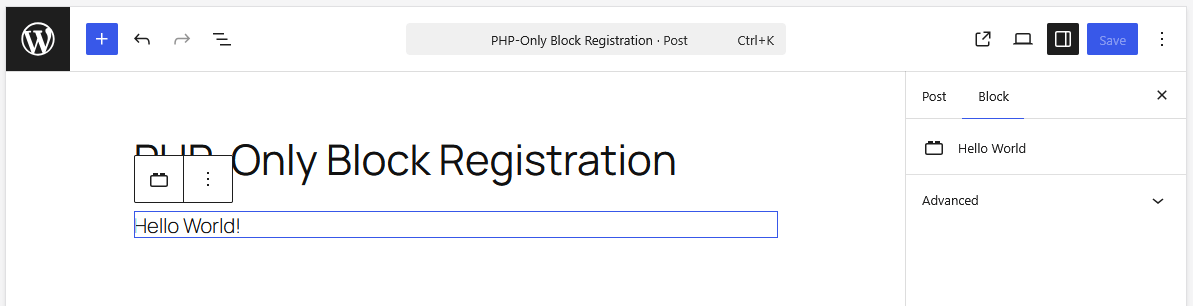
The core of this feature lies in the render_callback function, which allows for dynamic, server-side rendering. A basic implementation requires minimal code, drastically reducing the boilerplate overhead that previously hindered rapid development.
function custom_hello_world_block()
  register_block_type('namespace/hello-world', [
    'title' => 'Hello World',
    'render_callback' => function ()
      return sprintf('<div %s>Hello World!</div>', get_block_wrapper_attributes());
    ,
    'supports' => ['autoRegister' => true],
  ]);

add_action('init', 'custom_hello_world_block');
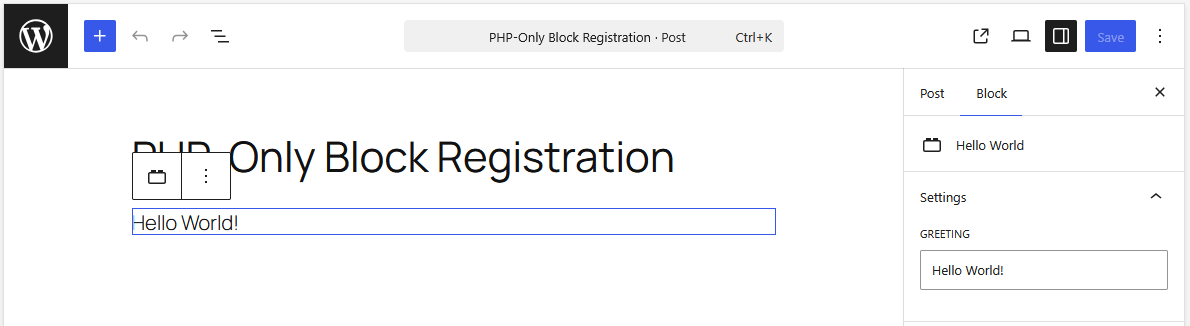
By adding an attributes definition, developers can now expose settings in the editor sidebar without writing a single line of React. WordPress automatically generates text inputs, toggles, or select boxes based on the attribute types (string, number, or boolean). This automation creates a bridge between back-end data and front-end presentation, albeit with specific, well-defined limitations.
Constraints and Architectural Trade-offs
While the simplification is welcomed, industry analysts and lead developers within the WordPress community have noted that this is not a universal replacement for React-based blocks. The primary limitation is the lack of real-time interactivity. Because PHP-only blocks are rendered via the REST API, they exist outside the "single-page application" flow of the block editor.
Consequently, these blocks cannot offer "in-place" editing, such as clicking on a headline to change it directly within the preview. Furthermore, the reliance on the REST API for block rendering means the editor lacks access to the global post object, which is typically available during front-end template rendering. This creates a "stale data" scenario where changes made to a post’s title or meta-data might not reflect in the editor preview until the post is saved and the page is refreshed.
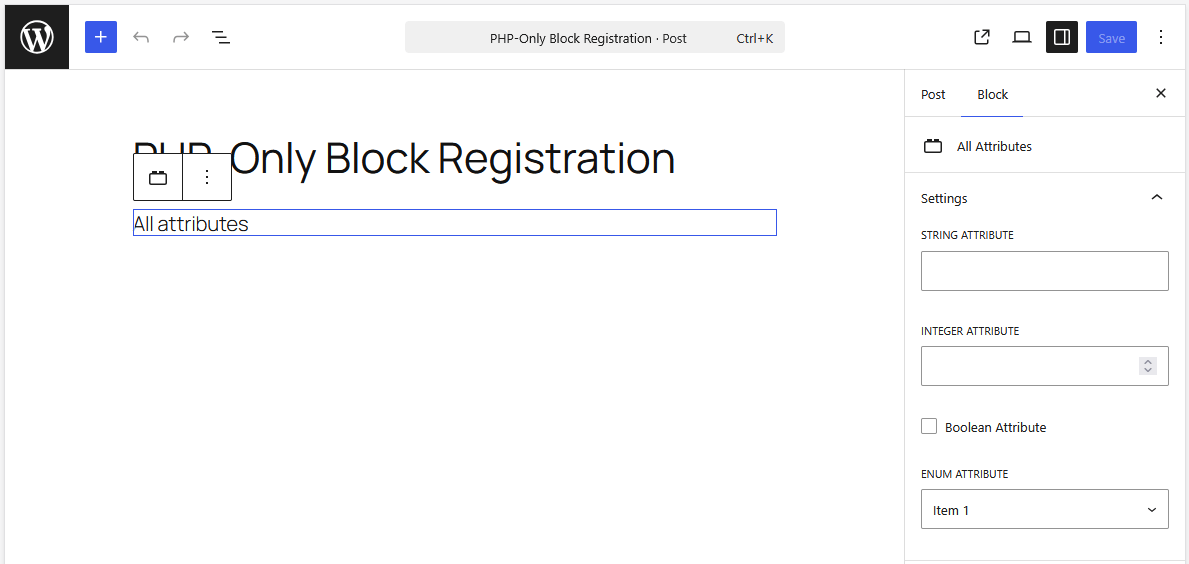
Moreover, the current attribute system is restricted to basic data types. Advanced UI components, such as image media uploaders, date pickers, or rich text editors, remain unavailable through this PHP-only path. Developers requiring complex, highly interactive interfaces will still need to invest in the full JavaScript-based Block API.
A Catalyst for Legacy Theme Migration
Despite these technical constraints, the primary value of the PHP-only approach is in the migration of legacy sites. The WordPress ecosystem remains heavily populated by "classic" themes that rely on template parts, shortcodes, and specialized widgets. Many of these sites have been "stuck" in a legacy state, unable to adopt the performance and maintenance benefits of Full Site Editing (FSE) and block-based themes.

The ability to wrap existing, proven PHP functions into a block container allows developers to move these legacy features into a modern block theme within hours rather than days. This is viewed by many as the "killer use case" for the feature. It allows for a hybrid development strategy: using blocks for modern page structure while maintaining complex legacy functionality as server-side rendered blocks.
Broader Implications for the WordPress Ecosystem
The introduction of this feature signals a maturation of the WordPress development strategy. By providing a "middle ground" for developers, WordPress is effectively acknowledging the heterogeneity of its user base. For agency developers tasked with upgrading client sites, this feature removes the "all or nothing" ultimatum that previously existed.

Furthermore, by moving toward an iframed editor environment—which WordPress 7.1 is expected to enforce globally—the platform is creating a more predictable environment for these PHP-rendered blocks. This allows developers to use standard CSS, knowing that their styles are contained within the iframe and will not conflict with the broader admin dashboard styling.
Future Outlook and Conclusion
The WordPress core team has not yet announced plans to expand the scope of PHP-only blocks to include complex data binding or native support for post-context awareness. However, the existing community response has been largely positive. The focus is shifting from "how do we force every developer to use React?" to "how do we make the block system accessible to everyone?"

For developers, the advice remains clear: use PHP-only registration for legacy migrations, simple custom widgets, and utility components where editor-side interactivity is not a primary requirement. For complex, feature-rich, and highly interactive blocks, JavaScript remains the gold standard.
Ultimately, the release of this feature is a significant gesture of goodwill toward the long-time PHP developers who built the foundations of the modern web. By lowering the barrier to entry, WordPress is ensuring that its transition to a full-site editing platform is inclusive, pragmatic, and reflective of the diverse technical landscape it serves. As the platform continues to iterate, this PHP-only pathway may well prove to be the deciding factor for the next generation of theme developers choosing to commit to the block editor, thereby solidifying the long-term viability of the WordPress CMS in an increasingly competitive web development environment.
Related posts: