Meta Expands Testing of Paid Link Restrictions for Professional Accounts on Facebook and Instagram Following the Launch of Meta One for Business

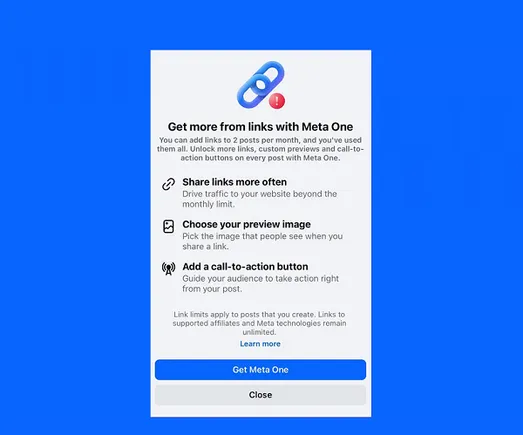
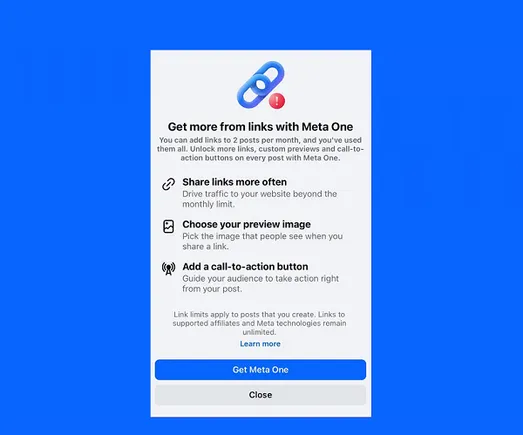
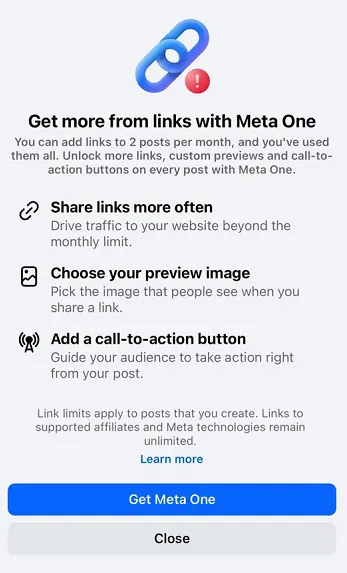
The digital landscape for social media management is undergoing a significant transformation as Meta broadens its experimental framework regarding outbound links. Following the recent rollout of the Meta One for Business subscription packages, numerous professional account managers and business page operators have reported encountering strict limitations on their ability to share external links. Specifically, some accounts are now restricted to publishing just two link-based posts per month on Facebook unless they upgrade to a paid tier. This development marks a notable escalation in Meta’s ongoing efforts to monetize commercial features across its core applications, forcing brands and digital marketers to re-evaluate their organic social media strategies.
Background Context and Evolution of the Link Restriction Policy
The restriction of outbound links on professional pages is not an entirely new concept for Meta, but rather the continuation of a calculated strategy that has evolved over several years. In December 2025, Meta initiated a limited test that restricted selected business pages to a maximum of two link posts per month. At the time, the tech conglomerate framed the initiative as an exploratory trial designed to understand whether permitting an increased volume of link-bearing posts genuinely added value for commercial users.
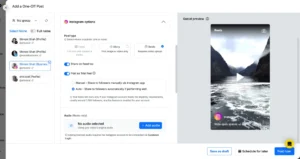
However, the introduction of the Meta One for Business subscription tiers has shifted this experimental feature from a closed trial into a core value-add for paying subscribers. Under the newly launched subscription packages, users gain access to a tiered system that dictates the permitted volume of monthly links they can attach to Instagram posts and Reels. While Facebook post links were initially omitted from the primary promotional materials of the subscription bundles, the recent appearance of pop-up alerts across various Facebook business pages indicates that Meta is actively integrating Facebook link limitations into the broader commercial ecosystem.
According to platform documentation and disclosures from affected page managers, the policy exempts recognized publisher pages. This targeted exemption ensures that a steady stream of news content and media dissemination continues to flow freely through the application, maintaining user engagement while placing the burden of monetization on commercial brands, service providers, and corporate entities that rely on social media to drive external traffic.
Chronology of Meta’s Commercialization Strategy
To fully comprehend the current shift in policy, it is essential to examine the historical trajectory of Meta’s approach to business accounts. The foundation of the company’s monetization philosophy was articulated by CEO Mark Zuckerberg during the 2016 annual stockholder meeting. At that time, Zuckerberg outlined a deliberate three-stage monetization strategy for the company’s family of applications: first, build a strong and engaging consumer product that attracts a massive user base; second, organically build and scale community engagement and business usage; and third, unlock meaningful and scalable monetization streams.
For over a decade, businesses were encouraged to establish free Facebook Pages and Instagram profiles, cultivating massive followings and utilizing organic posting tools to direct traffic to external websites, e-commerce stores, and blogs. During the peak of the organic reach era, business pages could easily rely on standard status updates containing hyperlinks to secure substantial referral traffic.
However, as platform saturation grew, Meta progressively adjusted its algorithmic delivery mechanisms. Throughout the late 2010s and early 2020s, organic reach for business pages experienced a steady and documented decline. The introduction of targeted advertising products positioned paid promotion as the primary vehicle for achieving visibility. The latest phase, characterized by the deployment of Meta One for Business and the restriction of organic link capabilities, represents the realization of the final stage of Zuckerberg’s 2016 vision: charging businesses directly for functional access and utility within the ecosystem.
Supporting Data and Platform Analytics
While the restriction of link posts may appear detrimental to digital marketers at first glance, platform analytics released by Meta provide essential context regarding the actual utility and reach of outbound links on Facebook. Industry observers and business strategists must weigh these policy changes against hard data concerning user behavior and content consumption trends on the platform.
Meta’s official Widely Viewed Content reports offer a comprehensive look at what content actually captures user attention in the United States. According to the Q1 2026 Widely Viewed Content report, a striking 98.7% of post views in the U.S. did not include a link to a source outside of Facebook. This figure highlights a multi-year decline in the exposure and consumption of link-based content.
When Meta first began publishing transparency data regarding widely viewed content in 2022, approximately 9.8% of viewed content included an external link. Over the subsequent four years, that figure experienced a precipitous drop, reaching a new low of 1.3% by the time of the Q1 2026 report. This persistent downward trend demonstrates that users increasingly consume native content—such as text, images, and particularly short-form video via Reels—directly within the platform environment, rather than clicking away to external websites.

Given that link posts generate negligible organic exposure across the broader user base, industry analysts suggest that capping free link posts at two per month may have a minimal impact on the overall performance results of most businesses. Brands that previously relied on high-frequency link posting often found their content suppressed by the algorithm regardless, meaning the new restriction formalizes an algorithmic reality that has been developing for years.
Industry Reactions and Strategic Implications for Marketers
The expansion of the link-restriction test has elicited mixed reactions from the digital marketing community. While some marketing professionals view the move as a predictable extension of corporate monetization, others have criticized the approach as a classic bait-and-switch tactic. Businesses that invested considerable time and financial resources into building substantial audiences on Facebook under the premise of free commercial tools now find themselves compelled to subscribe to Meta One for Business to retain fundamental publishing capabilities.
Despite the frustration expressed by some brand managers, the policy shift is forcing a necessary evolution in digital marketing strategies. Experts advise that businesses should pivot away from relying on organic outbound links as a primary traffic driver. Instead, marketing teams are encouraged to adopt several adaptive strategies:
First, brands must optimize for native engagement by prioritizing content formats that the algorithm actively favors, such as native video, immersive storytelling, and community-building interactions. Keeping users engaged within the platform helps build brand affinity without requiring an immediate outbound click.
Second, businesses should utilize paid advertising infrastructure when outbound traffic acquisition is the primary objective. By leveraging Meta’s sophisticated ad targeting tools, brands can deploy sponsored link posts and conversion-optimized campaigns that bypass organic algorithmic suppression and reach specific, high-intent audiences.
Third, marketers can effectively utilize alternative pathways for link sharing that remain unrestricted or integrated within paid tiers, such as utilizing designated call-to-action buttons, optimizing profile bios, and incorporating links strategically within authorized Reels and Stories formats.
Broader Economic Impact and Future Outlook
The broader implementation of Meta One for Business and the accompanying link restrictions reflect a maturing social media economy where free utility for commercial entities is increasingly restricted. As major platforms face pressure to diversify revenue streams beyond traditional display advertising, subscription models tailored for professional creators and small-to-medium enterprises are becoming an industry standard.
For Meta, the successful integration of these subscription packages depends on proving tangible value to business users. If the tiered packages provide measurable improvements in lead generation, customer support tools, and content distribution capabilities, businesses may readily accept subscription fees as a standard cost of digital operations. Conversely, if the restrictions are perceived merely as paywalls for basic functionality previously available at no cost, adoption rates among smaller businesses could face resistance.
Ultimately, the changing policy underscores the impermanence of organic reach on rented digital land. As Meta continues to refine its ecosystem, businesses must remain agile, diversifying their digital marketing portfolios across owned media channels, search engine optimization, and targeted paid acquisition to insulate themselves against future platform alterations.