Navigating the Noise: How Brands Are Combating Social Media Saturation Through Intentional Strategy and Original Content

The contemporary digital landscape is facing an unprecedented inflection point as content creation reaches a saturation ceiling that is straining both audiences and marketing professionals. With more than 5.5 billion active social media users worldwide spending an average of two hours and twenty minutes daily on various networks, the sheer volume of digital information has outpaced human cognitive processing capacity. Recent industry data and market analyses reveal that the long-standing corporate mandate to increase publishing frequency is no longer yielding proportional returns. Instead, it is actively contributing to platform fatigue, plummeting attention spans, and a pervasive digital exhaustion known across the industry as burnout.
This saturation crisis is compounded by macroeconomic pressures, platform fragmentation, and the accelerating influx of automated and artificial intelligence-generated media. As brands increasingly look for ways to maintain visibility in fragmented digital ecosystems, marketing executives are forced to re-evaluate traditional key performance indicators. The historical reliance on raw reach and impression metrics is giving way to a more disciplined focus on engagement quality, original thought leadership, and data-driven cultural relevance.
The Mechanics of Peak Social Media Saturation
The root cause of contemporary social media saturation lies in the structural mismatch between corporate publishing output and consumer attention economics. According to comprehensive data from platform analytics providers, brands published an average of 9.5 posts per day across major networks in recent tracking periods, with consumer-facing and media-heavy sectors multiplying that figure significantly. This relentless output collides with a stark biological reality: human attention spans have contracted sharply over the past two decades. Academic and medical research indicates that average screen attention spans dropped from approximately two and a half minutes in 2004 to less than 47 seconds by the mid-2020s.
Compounding this cognitive bottleneck is the transformation of network algorithms. Modern platforms increasingly curate feeds based on inferred user interests and behavioral signals rather than tangible, social graph connections. This shift accelerates the lifecycle of viral trends and memes, creating an environment where digital marketing teams feel compelled to accelerate production schedules to avoid obsolescence. However, this race to publish more frequently across an expanding array of digital networks—with nearly 90% of marketers reporting intentions to adopt emerging channels—has only exacerbated the visual and informational noise.
The Proliferation of Artificial Intelligence and Platform Instability

Compounding the volume crisis is the rapid democratization and subsequent abuse of generative artificial intelligence tools. Social listening metrics tracked across digital ecosystems reveal tens of millions of mentions concerning subpar, automated media commonly referred to as "AI slop." The flooding of professional and personal networks with generic, low-effort content has prompted major digital platforms to introduce user-reporting mechanisms, with millions of flags registered within weeks of rollout to combat the degradation of feed quality.
For brand safety executives, this trend introduces complex operational hurdles. Marketing departments must now dedicate significant resources not only to generating their own campaigns but also to monitoring networks for misinformation, automated spam, and association risks tied to synthetic media.
Simultaneously, the structural fragmentation of the social media ecosystem adds a layer of operational unpredictability. The rapid rise and fall of alternative networks, coupled with frequent algorithmic updates by legacy platforms, leaves digital strategists questioning which formats and distribution channels will maintain viability from one quarter to the next.
Case Study: Strategic Pivots Toward Insight-Led Storytelling
In response to these systemic challenges, forward-thinking enterprises are abandoning volume-based metrics in favor of insight-driven strategies. A notable example within enterprise B2B marketing involves business technology provider BMC, which utilized social intelligence tools to analyze engagement patterns across its digital channels.
Data revealed that while one-off product promotions routinely faded into the background noise, the company’s thought leadership initiatives consistently earned high-value audience interaction. Recognizing this behavioral signal, BMC restructured its digital output, transitioning away from daily publishing quotas toward intentional, long-form editorial storytelling. By launching structured monthly briefings that synthesized industry trends, product education, and customer narratives, the organization successfully converted passive scrollers into dedicated readers, proving that resonance outweighs frequency.
Actionable Strategies for Brand Survival in Saturated Markets
To overcome pervasive social media saturation, corporate marketing divisions are increasingly adopting distinct operational frameworks designed to cut through the digital clutter. Industry analysts and brand strategists emphasize four primary pillars for modern content development:
-
Investment in Originality and Differentiated Media
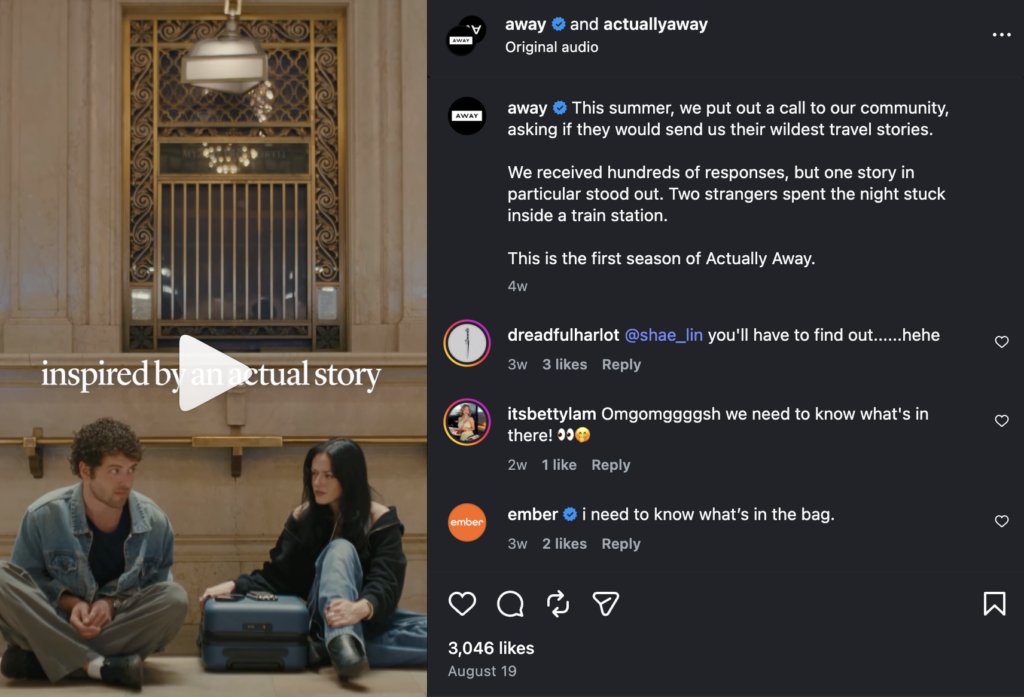
With consumer surveys indicating that content originality ranks second only to product quality as a driver of brand preference, organizations are moving away from homogenized templates. Leading consumer brands are exploring narrative formats such as branded microdramas and serialized storytelling to provide genuine entertainment and escapism, separating themselves from competitors relying on generic stock messaging. -
Calibration to Granular Audience Preferences
Understanding demographic nuances in content consumption is essential for resource allocation. While younger cohorts, such as Gen Z, demonstrate higher tolerance for long-form video content when hooked within the initial seconds, other demographics exhibit distinct consumption patterns. Aligning video length, aspect ratios, and distribution frequency with exact audience preferences prevents wasted production effort. -
Disciplined Engagement with Cultural Moments
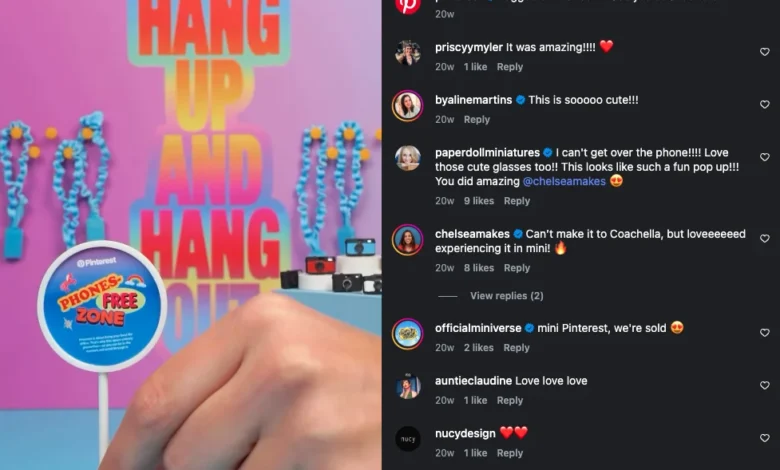
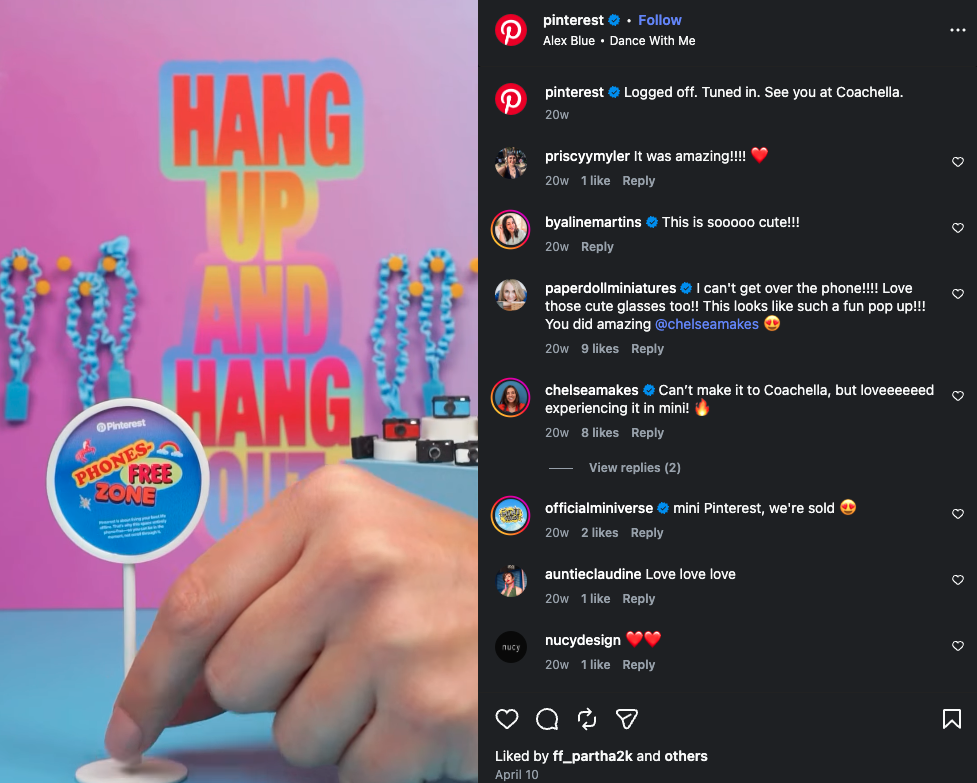
While the vast majority of consumers agree that brand presence in online culture is vital, indiscriminate trendjacking often contributes to digital noise. Organizations are deploying data-first social intelligence to filter out irrelevant cultural noise, participating exclusively in trends that genuinely align with their corporate identity and audience interests—such as physical, offline brand activations that subvert digital fatigue. -
Redefining Success Metrics
To justify strategic shifts away from high-volume posting, social media teams are advocating for modernized Key Performance Indicators. By prioritizing community growth, comment depth, and active engagement over passive reach and impressions, brands can better measure true audience resonance and return on investment.
Broader Implications and Future Outlook
The persistence of social media saturation carries profound implications for the digital marketing industry. As automated content generation continues to scale and platform algorithms evolve, the economic value of undifferentiated mass-publishing will continue to approach zero.
Industry analysts suggest that this friction ultimately serves a corrective purpose, forcing organizations to professionalize their social listening capabilities, respect consumer cognitive limits, and treat audience attention as a scarce and valuable asset. Brands that successfully transition from volume-driven broadcasting to resonance-focused storytelling will be best positioned to maintain authority and trust in an increasingly crowded digital economy.
Frequently Asked Questions
What is social media saturation?
Social media saturation occurs when the volume of digital content published across networks exceeds the capacity and willingness of audiences to consume it. This dynamic results in diminished attention spans per post, declining organic reach, and reduced return on investment for high-frequency publishing models.
Is social media marketing losing effectiveness?
Organic social media marketing is oversaturated by traditional metrics, with engagement rates declining across many major networks. However, saturation does not imply complete ineffectiveness; rather, it raises the threshold for success, meaning that undifferentiated content fails to perform while highly specific, original content continues to resonate.
How much content do brands typically publish?
According to benchmark data from industry analysts, commercial brands publish an average of 9.5 posts per day across various networks, with specialized media outlets and consumer-facing brands frequently exceeding dozens of posts daily to maintain algorithmic visibility.
How can organizations overcome saturation?
Brands can combat saturation by abandoning volume-based publishing goals in favor of original thought leadership, precise audience demographic alignment, data-filtered cultural participation, and measurement frameworks rooted in engagement quality rather than raw reach.