The Strategic Importance of Transparent Communication in Artificial Intelligence Corporate Transformations

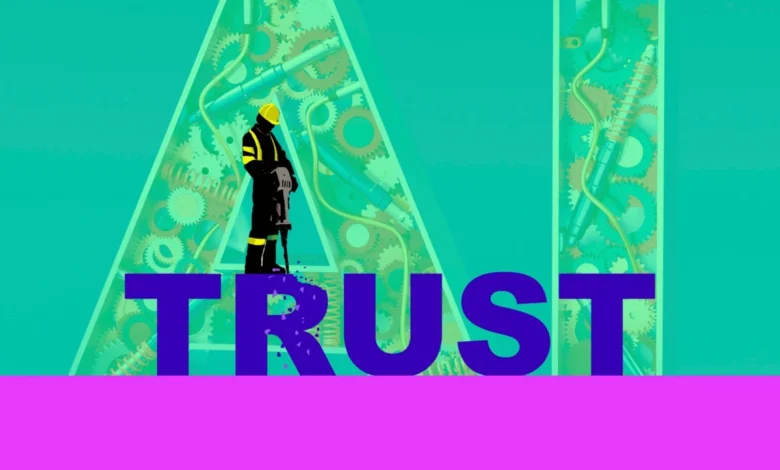
The rapid integration of artificial intelligence into the modern workplace has moved beyond a technical challenge to become a profound leadership test centered on organizational communication. As companies across the globe navigate the shift from traditional workflows to AI-augmented processes, the effectiveness of their transition depends less on the sophistication of the software and more on the clarity of the dialogue between executives and their workforce. In the current corporate climate, any transition period creates a fertile ground for confusion and fear; however, AI transformations present a unique set of challenges that can destabilize even the most established organizations if not managed with radical transparency.
The Shift from Scripted Leadership to Authentic Engagement
Historically, corporate leaders have relied on carefully curated scripts and polished rollout plans to manage change. In the context of AI, this traditional approach is increasingly proving to be a liability. Scripts are often viewed by employees as defensive mechanisms—tools used by leadership to avoid the messiness of real conversation or to mask a lack of concrete answers. During recent AI transformations observed across the tech and service sectors, a recurring pattern has emerged: leadership often delays communication in an attempt to achieve perfect internal alignment before speaking publicly.
This delay, while intended to be responsible, frequently backfires. In the absence of official information, organizational vacuums are quickly filled by rumors, which travel significantly faster than executive memos. By the time leadership is ready to deliver a "perfect" message, the workforce has often already formed its own conclusions, usually rooted in worst-case scenarios regarding job security and role relevance. The antidote to this cycle is a shift toward direct, honest conversations where leaders share not only what they know but also what they do not yet know, establishing a timeline for future updates. This level of transparency has been shown to stabilize organizations more effectively than any staged rollout could hope to achieve.
A Chronology of AI Transformation and Communication Failure
To understand the stakes, one must examine the typical timeline of a mishandled AI integration. The process usually begins with the "Speculative Phase," where rumors of AI implementation begin at the mid-managerial level. Without an official narrative, employees begin to speculate on the impact on their specific departments. This is followed by the "Silent Phase," where executive leadership retreats to boardrooms to finalize strategy, mistakenly believing that silence prevents panic.
The third stage is the "Information Leak," where partial truths about the AI strategy reach the broader workforce, often through unofficial channels. This leads to the "Crisis of Confidence," where productivity dips as employees focus more on self-preservation and job searching than on the transition itself. The final stage is the "Belated Official Announcement," which often arrives too late to repair the eroded trust. Organizations that successfully navigate this chronology are those that merge their communication strategy with their technical strategy from day one, treating the two as inseparable components of the same mission.
Supporting Data: The Psychological and Economic Impact of Uncertainty
The urgency of this communication shift is underscored by emerging data regarding AI in the workplace. According to the 2024 Work Trend Index, nearly 45% of employees globally express concerns that AI will replace their jobs, yet 75% of knowledge workers are already using AI to manage their workloads. This paradox suggests that while employees recognize the utility of the tool, they remain fearful of its long-term implications for their livelihood.
Further research by the McKinsey Global Institute indicates that while AI could automate activities that take up 60% to 70% of employees’ time today, this transition requires a massive reallocation of human labor rather than a simple reduction in headcount. However, when leaders fail to communicate this nuance, the workforce defaults to a "replacement narrative." Economically, the cost of poor communication is high; organizations with low trust levels during technological shifts report a 20% higher turnover rate and a significant decrease in "discretionary effort"—the willingness of employees to go above and beyond their basic job descriptions.
The Identity Crisis: Why AI Transitions Are Different
AI transformation creates a unique pressure because it affects professional identity, not just operational process. In previous technological shifts—such as the move to cloud computing or mobile integration—the tools changed how work was stored or accessed. AI, conversely, changes the nature of cognitive labor itself. Employees are not merely asking how their tasks will change; they are questioning whether their expertise remains valuable.
When leaders use vague, sweeping statements like "AI will revolutionize our business," they inadvertently trigger an existential threat in their staff. Some employees may hear opportunity, but many hear obsolescence. Specificity is the only effective countermeasure. Vision statements and broad reassurance are insufficient; what is required is a clear explanation of which specific tasks are changing, who is affected, and what the roadmap for upskilling looks like.
A Structural Framework for Building Trust
To move away from scripts and toward meaningful communication, leadership must adopt a consistent structure that prioritizes respect over rhetoric. A successful communication framework for AI transition should consist of three primary pillars:
- The Business Context: Explain precisely what is changing and why it is necessary for the long-term viability of the company. Vague explanations of "innovation" should be replaced with concrete business objectives.
- The Anchor of Stability: In times of radical change, people need to know what is not changing. Identifying the core values, permanent roles, and cultural touchstones that will remain provides the psychological safety necessary for employees to engage with new technologies.
- Individual Pathing: Leaders must move beyond team-wide announcements and address how individuals fit into the new landscape. This involves defining new expectations and explaining why the human element remains critical to the organization’s success.
Furthermore, credibility is earned when leaders name uncertainty honestly. Admitting to not having all the answers regarding the long-term impact of AI is not a sign of weakness; it is a demonstration of honesty that builds more trust than feigned certainty.
Analysis of Leadership Implications and the "Human Experience"
A critical oversight in many AI strategies is the failure to account for the "human experience" of change. A plan can be strategically sound and technically flawless, yet still fail if the people tasked with executing it feel unsupported. Leadership must acknowledge that the transition will be difficult before the difficulty begins. This means preemptively identifying areas of friction and explaining where support—be it training, counseling, or transitional roles—exists before employees feel the need to ask.
Treating the emotional response to AI as a data point rather than a weakness allows leaders to address the root causes of resistance. When employees feel that their concerns are heard and that the process is being handled with their well-being in mind, they are more likely to move with the change rather than against it.
Practical Steps for Immediate Implementation
For organizations currently in the midst of or on the cusp of an AI transition, several immediate steps can be taken to stabilize the internal environment:
- Audit Internal Sentiment: Leaders must move beyond formal reporting lines to understand what is being said "in the hallways." Anonymous surveys or town hall Q&A sessions can reveal the specific fears driving the rumor mill.
- Accelerate the Cadence: Communication should happen faster than what feels comfortable. Timely, incomplete updates are more valuable than delayed, polished ones because they keep leadership at the center of the narrative.
- Direct Addressing of Difficult Topics: If concerns about layoffs or role displacement are circulating, they must be addressed head-on. Avoiding the mention of "layoffs" when the entire staff is thinking about them only serves to signal executive distance.
- Consistent Follow-through: Trust is a cumulative asset. It is built through a series of small, reliable interactions over time. If a leader promises an update by a certain date, that deadline must be met, even if the update is simply to state that more time is needed.
Conclusion: The Architecture of Trust in the Algorithmic Age
The integration of artificial intelligence is fundamentally a human endeavor. While the technology handles the data, leadership must handle the soul of the organization. When trust exists, the workforce becomes an engine of innovation, asking better questions and finding creative ways to leverage AI tools. When trust is absent, the organization stalls, as employees focus their energy on self-protection and risk-avoidance.
Ultimately, the difference between managing a transition and leading one lies in the courage to be transparent. AI will inevitably change how work is done, but leadership determines how people experience that change. By speaking before being asked, telling the truth before it is comfortable, and prioritizing the human experience of change, leaders can build an architecture of trust that will sustain their organizations long after the initial AI rollout is complete. This commitment to transparency is not just a communication tactic; it is the most critical component of a successful AI strategy.