The Evolution of Marketing Intelligence
The digital marketing sector has long grappled with the "why" behind performance metrics. Historically, uncovering the reasons for a sudden drop in conversion rates or an unexpected surge in traffic required hours of manual data cross-referencing. With the introduction of Ask Advisor—Google’s integrated AI agent—the platform is attempting to automate the analytical heavy lifting. By embedding these tools directly into the user interface, Google is attempting to democratize data science, allowing marketers of all skill levels to query their own performance data using natural language prompts.
This move follows a broader industry trend where major advertising platforms are pivoting toward "agentic" AI—systems that do not merely provide information but can also suggest, and in some cases facilitate, specific workflows. The latest updates are not merely iterative; they represent a fundamental change in how users interact with the Google marketing ecosystem, moving from a static reporting model to an interactive, conversational one.
Chronology of AI Integration in Google Marketing
The integration of generative AI into Google’s advertising stack has been a multi-year project. In early 2023, Google began testing conversational AI interfaces to assist in campaign creation. By late 2023, the focus shifted to optimization, with the introduction of AI-powered asset generation.
The current phase of development, launched in the third quarter of 2026, marks the transition to "Ask Advisor" as a central hub. This timeline reflects Google’s broader corporate strategy to embed its Gemini AI model across all enterprise products, moving away from siloed tools toward a unified, intelligent interface. The current suite of features, including AI-generated summaries on homepages and automated benchmarking, represents the most significant user-interface overhaul for Google Analytics since the transition to GA4.
Key Functional Upgrades and New Capabilities
The new AI features are categorized into three primary areas: predictive insights, visual reporting, and competitive benchmarking.
1. Proactive AI Overviews:
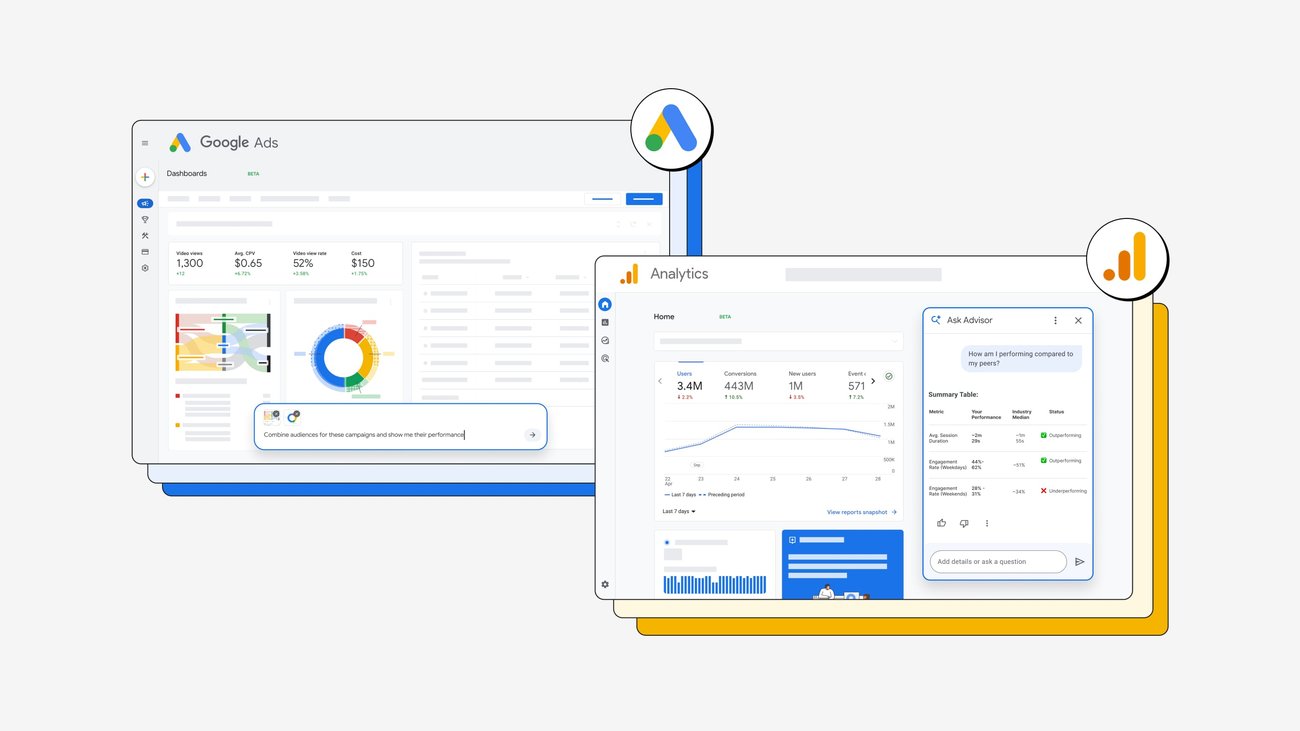
The Google Analytics homepage has been overhauled to include "AI Overviews." These summaries provide a snapshot of critical performance shifts since the user’s last login. Rather than navigating through multiple tabs to find anomalies, users receive a narrative summary of seasonal sales peaks or traffic spikes. This system also supports notification preferences, allowing managers to receive these insights via email or mobile push, ensuring that stakeholders stay informed without requiring constant platform access.
2. Conversational Reporting and Visualizations:
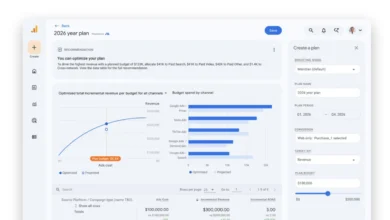
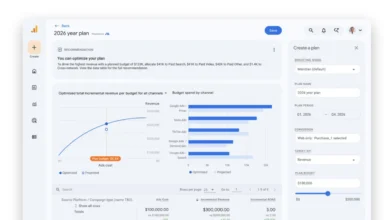
One of the most significant pain points for marketing teams is the creation of reporting dashboards. The new "Dashboard Canvas" in Google Ads—with a similar rollout planned for Google Analytics—allows users to generate visual reports through simple text prompts. For instance, a user can input "Show me a comparison of last month’s conversion rate by campaign, visualized as a bar chart," and the system will instantly generate the relevant data visualization. These reports come pre-populated with automated summaries, explaining the underlying drivers of the performance metrics displayed.
3. Strategic Benchmarking:
Perhaps the most requested feature by enterprise users has been the ability to contextualize internal performance against market-wide data. Google is now integrating anonymized benchmarking into the Ask Advisor framework. By comparing a user’s campaign metrics against aggregated, anonymized averages of similar businesses within the same sector, marketers can identify whether a dip in performance is an internal issue or a broader market trend.
Supporting Data and Market Impact
Industry analysis suggests that the speed of execution is the primary driver for these updates. According to internal data from early pilot programs, marketing teams using AI-assisted analysis reported a 30% reduction in time spent on routine reporting tasks. By automating the "discovery" phase of data analysis, these teams were able to reallocate roughly ten hours per week toward strategic creative development and audience segmentation—areas where human intuition remains superior to machine logic.
The demand for such tools is driven by the increasing complexity of customer journeys. With users interacting with brands across multiple devices and touchpoints, the volume of data has outpaced the capacity for human analysis. These AI tools act as a force multiplier, enabling smaller teams to manage campaigns at a scale previously reserved for large enterprises with dedicated data science departments.
Industry Perspectives and Expert Reaction
Early feedback from industry professionals indicates a cautious but optimistic reception. Kevin Marshall, Paid Media Director at Gardyn, has noted that the utility of these tools lies in their ability to serve as a "directional check." By providing rapid insights, AI allows for a more agile testing environment.
However, some analysts emphasize that the shift toward AI-automated insights requires a higher level of "AI literacy." As platforms begin to provide interpretations of data, marketers must remain vigilant about the underlying assumptions made by the models. The risk of "black box" reporting—where the AI provides an answer without showing the full logic—remains a concern for large-scale enterprise users who require full transparency for audit purposes.
The Broader Implications for Digital Advertising
The long-term implication of these updates is a fundamental change in the skills required for digital marketing. The traditional reliance on manual spreadsheet manipulation and rigid reporting structures is likely to decline. Instead, the "modern" marketer will need to become an expert in prompt engineering and strategic synthesis.
Furthermore, these tools are likely to compress the campaign lifecycle. As AI reduces the time required for optimization, the frequency of campaign adjustments may increase. This could lead to a more volatile advertising market, where trends emerge and dissipate with greater velocity. Advertisers who fail to adopt these agentic workflows risk falling behind competitors who can leverage real-time insights to capture demand as it emerges.
Conclusion and Future Outlook
Google’s latest suite of AI tools represents a significant milestone in the maturation of marketing technology. By moving beyond simple automation to agentic intelligence, Google is setting a new standard for how data is consumed and acted upon in a professional environment. While the tools are currently focused on surfacing insights and creating reports, the natural progression suggests that future iterations may include even deeper integration with campaign execution—potentially allowing AI agents to propose and implement budget reallocations based on the insights they uncover.
For the marketing professional, the goal is clear: utilize these tools to handle the tactical analysis, thereby freeing up cognitive space for the creative and strategic work that defines high-performing brands. As these technologies continue to evolve, the distinction between "data analysis" and "campaign management" will continue to blur, ushering in a new era of high-velocity, intelligence-driven marketing. Organizations looking to maintain a competitive edge should begin integrating these features into their daily workflows immediately, as the window for early adoption is rapidly closing in a digital landscape defined by rapid AI acceleration.