Google’s AI Max Unlocks Billions in New Search Ad Revenue, Reshaping Digital Advertising Landscape

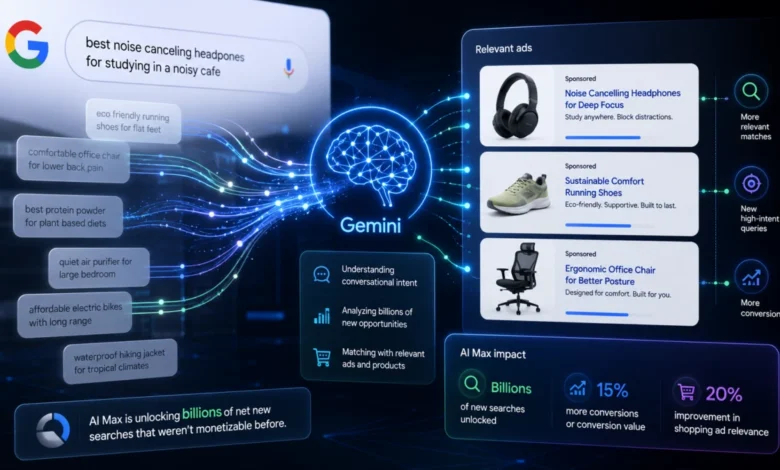
Google has announced a significant breakthrough in its advertising strategy, leveraging its advanced artificial intelligence capabilities, particularly AI Max and Gemini, to unlock billions of dollars in previously unmonetized search queries. This strategic shift, detailed during Alphabet’s Q2 2026 earnings call, signals a profound evolution in how Google monetizes its dominant search platform, moving beyond traditional keyword targeting to embrace longer, more conversational, and complex user queries. The company anticipates this will provide a clearer, accelerated path to expand Search revenue, reinforcing its position at the forefront of digital advertising.
The Strategic Imperative: Monetizing Evolving Search Behavior
For years, Google’s advertising empire has been built on the foundation of keyword matching. Advertisers bid on specific keywords, and Google displays relevant ads when users type those keywords into the search bar. However, user search behavior has been evolving. With the proliferation of voice assistants, smart devices, and a general trend towards more natural language processing, search queries have become increasingly conversational, complex, and nuanced. Users are no longer just typing "best running shoes" but asking, "What are the most comfortable running shoes for long-distance training with arch support?" Traditional keyword matching struggled to efficiently monetize these "long-tail" and ambiguous queries, leaving a substantial portion of search intent unaddressed by advertising.
This evolving landscape presented both a challenge and an immense opportunity for Google. As the primary gateway to information for billions globally, Google needed to adapt its advertising infrastructure to keep pace with changing user habits and the rapid advancements in AI. The introduction and scaling of AI Max and the integration of the Gemini AI model into its ad systems represent Google’s comprehensive answer to this strategic imperative. The goal is not merely to optimize existing ad campaigns but to fundamentally expand the universe of monetizable search interactions, transforming previously "dark" or inaccessible intent into valuable ad inventory.
AI Max Leaves Beta: A New Era of Ad Matching
During the Q2 2026 earnings call, Philipp Schindler, Google’s Senior Vice President and Chief Business Officer, underscored the transformative power of AI Max. He confirmed that AI Max has successfully transitioned out of its beta phase and has been adopted by a remarkable 500,000+ advertisers globally. This widespread adoption is a testament to its efficacy and Google’s aggressive push for its integration. Schindler emphasized that AI Max is adept at matching ads to searches that were historically too complex or ambiguous for conventional keyword targeting. This includes queries laden with multiple modifiers, abstract concepts, or highly specific contextual nuances that human-curated keyword lists or even earlier machine learning models struggled to interpret commercially.
The performance metrics shared by Google are compelling: advertisers leveraging AI Max or its predecessor, Performance Max, are reportedly seeing an average 15% lift in conversions or conversion value, all while maintaining a similar return on ad spend (ROAS). This figure is critical as it addresses a key concern for advertisers—that increased reach might come at the expense of efficiency. By demonstrating a maintained ROAS alongside improved conversion rates, Google aims to solidify advertiser confidence in its AI-driven solutions. This efficiency gain, coupled with access to previously unreachable audiences, presents a potent value proposition for businesses seeking to maximize their digital advertising impact.
Gemini’s Role in Elevating Ad Relevance
Complementing AI Max, Google’s advanced Gemini AI model is playing a pivotal role in refining the relevance of advertising, particularly for Shopping ads. Google reported that Gemini has improved the relevance of Shopping ads for complex queries by approximately 20%. This improvement stems from Gemini’s superior ability to understand the deeper semantic meaning and commercial intent embedded within longer, conversational searches. For instance, a query like "durable, waterproof backpack for a multi-day hiking trip in the mountains with a 15-inch laptop sleeve" is no longer just a string of keywords. Gemini can interpret the user’s need for durability, specific activity (hiking), environment (mountains), and practical requirements (laptop sleeve), then match it with highly specific product listings and their associated ads.
This capability is a game-changer for Google’s advertising ecosystem. It enables the company to convert more searches into genuine ad opportunities without an over-reliance on exact keyword matches, which have historically limited the scope of ad inventory. The implications extend beyond just Shopping ads, promising to enhance relevance across various ad formats as Gemini’s understanding permeates more layers of Google’s advertising platforms. This deep comprehension of user intent, powered by generative AI, allows Google to bridge the gap between abstract user needs and concrete commercial offerings, creating a more seamless and effective advertising experience for both users and advertisers.
A Chronology of AI Integration in Google Ads
Google’s journey towards AI-powered advertising has been a gradual yet relentless progression, culminating in the recent announcements.
- Early 2010s: Google began incorporating basic machine learning into ad ranking and bidding algorithms, moving beyond simple keyword matching to consider factors like ad quality score and user context.
- Mid-2010s: Introduction of "Smart Bidding" strategies, allowing advertisers to optimize for conversions or conversion value using AI. This marked a significant shift towards automation.
- Late 2010s: Google unveiled "Discovery Ads" and enhanced responsive search ads, leveraging AI to dynamically generate ad creatives and target users across various Google properties (YouTube, Gmail, Discover feed) based on inferred interests.
- 2020: The launch of "Performance Max" campaigns, a fully automated, goal-based campaign type designed to maximize performance across all Google Ads channels. This laid crucial groundwork for AI Max.
- 2022-2023: Accelerated development and integration of large language models (LLMs) like LaMDA and PaLM, leading to the public release of Bard and significant investments in generative AI. The beta phase of AI Max likely began during this period, leveraging these foundational AI advancements.
- 2023-2024: Introduction of the Gemini AI model, Google’s most capable and versatile AI, designed to understand and operate across different modalities (text, code, audio, image, video). Its integration into Search and advertising platforms was a natural next step.
- Q2 2026 Earnings Call: Official announcement of AI Max exiting beta, its widespread adoption, and the specific performance improvements driven by Gemini, signaling a mature and scalable AI-driven ad strategy.
This timeline illustrates Google’s consistent investment in AI as a core differentiator, evolving its ad products from simple automation to sophisticated, intent-driven monetization engines.
Implications for Google’s Revenue Trajectory and Market Position

Google’s primary revenue driver has historically been search advertising, consistently contributing over 70% of Alphabet’s total revenue. In recent years, as the digital advertising market matured and competitors like Amazon, Meta, and TikTok grew their ad platforms, Google faced increasing pressure to innovate and find new avenues for growth. The ability of AI Max to open "billions" of previously unmonetized searches is therefore not just an incremental improvement but a fundamental expansion of its addressable market within search.
While specific monetary figures for these "billions" were not detailed in the earnings call, analysts generally interpret such statements as referring to a substantial uplift in potential revenue. Considering Google’s vast scale—processing trillions of searches annually—even a small percentage increase in monetizable queries could translate into hundreds of millions, if not billions, of additional dollars in ad revenue each quarter or year. This expansion comes at a critical time when the global digital advertising market is projected to continue its robust growth, estimated to reach well over $1 trillion by the end of the decade. By tapping into the long-tail and conversational search market more effectively, Google is not only safeguarding its market share but actively creating new growth opportunities that its competitors, lacking Google’s search dominance and AI infrastructure, would struggle to replicate.
Industry analysts have largely reacted positively, viewing these AI advancements as a strategic imperative for Google. "Google’s move into monetizing more complex queries through AI is a natural and necessary evolution," stated one prominent market analyst, preferring anonymity due to ongoing client relations. "It addresses a long-standing challenge in search advertising and leverages their core AI strengths. This could significantly de-risk their future revenue growth trajectory in a competitive digital ad landscape." This sentiment suggests that the market recognizes the long-term strategic value of these AI investments.
Impact on Advertisers: Opportunities and Challenges
For advertisers, Google’s AI Max and Gemini represent a dual-edged sword, offering significant opportunities alongside new challenges.
Opportunities:
- Expanded Reach: Advertisers gain access to a vast new pool of potential customers whose complex or conversational queries were previously unmonetized. This means reaching users at earlier, more exploratory stages of their buying journey, or those with highly specific, niche needs.
- Improved Relevance: The enhanced ability of Gemini to understand intent means ads are matched more precisely to user needs, potentially leading to higher click-through rates and better conversion quality.
- Efficiency and Automation: AI Max automates many aspects of campaign management, from bidding to targeting, potentially freeing up advertisers to focus on broader strategy and creative development. The reported 15% lift in conversions at similar ROAS is a powerful incentive.
- Future-Proofing: Embracing these AI-driven tools helps advertisers adapt to the evolving landscape of search, where natural language interaction will only become more prevalent.
Challenges and Considerations:
- Reduced Visibility and Control: The "black box" nature of AI-driven ad matching means advertisers will have less granular visibility into the exact queries that triggered their ads. This can be a concern for those who prefer precise keyword control for brand safety or regulatory compliance.
- Reliance on Creative Assets and Feeds: As Google’s systems shift from keywords to intent, the quality and comprehensiveness of advertisers’ product feeds, creative assets (images, videos, headlines, descriptions), and landing page experiences become paramount. These elements provide the signals AI needs to understand offerings and match them to user intent. Advertisers will need to invest more heavily in these foundational elements.
- Adaptation of Strategy: Advertisers will need to pivot from a keyword-centric mindset to one focused on broad intent, user needs, and compelling asset creation. This requires a different skill set and strategic approach.
- Potential for Increased Competition and Costs: As more "billions" of searches become monetizable, competition for these new impressions could intensify, potentially driving up costs for some niches, even if ROAS remains stable.
Many advertisers, while excited about the prospect of new reach, are also cautious. "The promise of more relevant leads is always welcome," remarked a marketing director at a large e-commerce firm. "But the trade-off in control and visibility is something we’ll need to carefully manage. Our focus will increasingly be on optimizing our product data and creative assets to give Google’s AI the best possible signals."
AI Mode Ads Take Shape: The Future of Search Monetization
Google also provided new, albeit high-level, details on its plans to monetize AI-powered Search experiences, often referred to as "AI Mode" or Search Generative Experience (SGE). While specific ad formats are still evolving, the underlying principle is clear: ads will be seamlessly integrated into the generative AI responses themselves, or appear alongside them in a contextually relevant manner. This could involve:
- Contextual Product Listings within AI Summaries: If an AI summary answers a query like "best hiking boots for beginners," relevant product ads from Google Shopping could be embedded directly within the generated answer.
- Sponsored Links for Deeper Exploration: AI responses might include sponsored links that direct users to specific advertiser pages for more detailed information, products, or services related to the AI’s summary.
- Actionable Ads: For transactional queries, AI could present direct calls to action within the generated response, linking to purchasing options from advertisers.
This approach signifies Google’s commitment to ensuring that even as search becomes more conversational and AI-driven, advertising remains a core component of the user experience and a foundational revenue stream for Alphabet. The challenge will be to integrate these ads in a way that is helpful and non-disruptive to the user, maintaining the quality and trust associated with Google’s search results.
The Bottom Line: A Fundamental Shift in Google’s Ad Strategy
Google’s announcements from the Q2 2026 earnings call make one thing unequivocally clear: AI Max is not merely another campaign feature or an incremental improvement. It is rapidly becoming a foundational mechanism for Google to generate vast new ad inventory within Search, fundamentally reshaping its advertising strategy. The shift from a keyword-centric model to an intent-based, AI-driven paradigm signifies a mature evolution in digital advertising.
As Gemini handles increasingly complex and nuanced searches, advertiser performance will depend less on exhaustive keyword lists and more on the quality, relevance, and richness of their product feeds, creative assets, and landing page experiences. Businesses that invest in robust data, compelling visuals, and optimized user journeys will be best positioned to thrive in this new AI-powered advertising era. Google is not just improving how ads are delivered; it is redefining what constitutes a monetizable search query, ensuring its ad business remains dynamic, expansive, and resilient for the foreseeable future. This strategic pivot solidifies Google’s dominance in the digital advertising landscape, setting a new benchmark for AI integration in commercial intent fulfillment.