The Shifting Sands of Social Media: From Connection to Consumption in the Age of Algorithms

A recent comprehensive study published by Incogni reveals a profound transformation in the dynamics of social media, signaling a departure from its foundational purpose of social connection and personal updates. The research indicates a significant pivot towards entertainment, algorithm-driven content discovery, and the dominance of short-form video, fundamentally altering user engagement and the very nature of online interaction. This evolving landscape raises critical questions about digital fatigue, creator burnout, and the future of online communities.
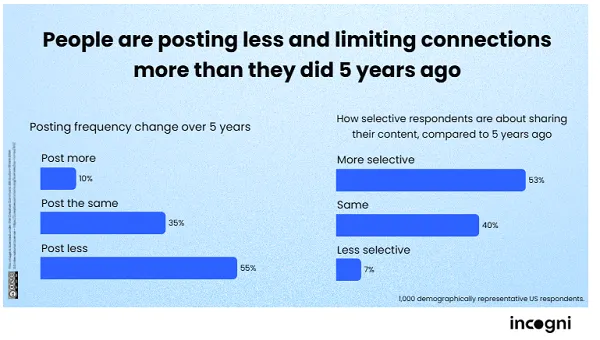
The Incogni study, which surveyed 1,000 Americans, highlights a marked decrease in the frequency of personal posting. A substantial 55% of respondents reported posting less to social media platforms compared to five years ago. This trend corroborates broader data indicating a move away from public broadcasts of personal lives and a growing preference for more intimate, direct communication.
The Exodus from Public Posting: A Trend Decades in the Making
The phenomenon of declining public posting isn’t entirely new. Even in 2019, Pew Research data pointed to a concentration of activity on platforms like Twitter (now X), revealing that approximately 80% of all tweets originated from a mere 10% of its user base. This observation aligns with the long-standing "90-9-1 principle," first articulated by The Guardian in 2006. This principle posits that in online collaborative environments, 90% of participants are primarily consumers of content, 9% contribute sporadically, and only 1% are active creators. While the digital landscape has evolved dramatically over two decades, this disproportionate engagement model appears to persist, and perhaps even intensify, suggesting that a small fraction of users are shouldering the burden of content generation.
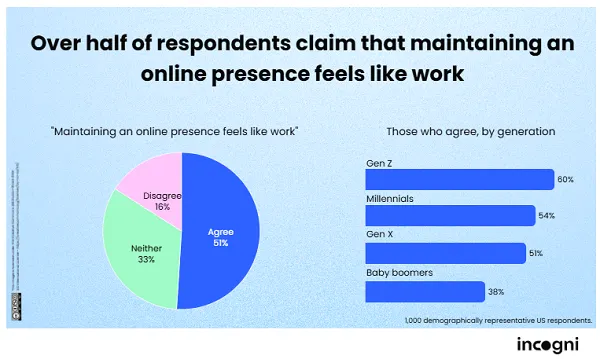
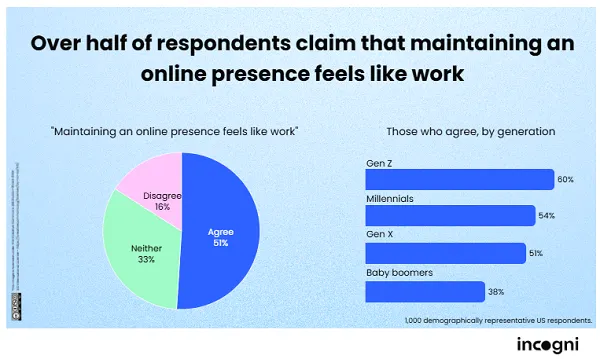
This reliance on a select group of creators has significant implications. It can lead to a narrowing of online perspectives, as the majority of users are exposed to a curated feed generated by a limited pool of individuals. Furthermore, the pressure to consistently produce engaging content for this small creator class may be contributing to a pervasive sense of "social posting burnout." The Incogni study found that over half of the surveyed respondents perceive maintaining a social media presence as "work," underscoring the demanding nature of online content creation.
The Allure and Illusion of Online Monetization
The pressure to maintain an online presence is particularly acute for younger generations who often aspire to monetize their digital activities. The meteoric rise of creators like MrBeast has fostered an environment where many believe that generating income online is an accessible pursuit. However, the reality is far more challenging.
Recent research from Influencer Marketing Hub indicates that a staggering 96% of online creators earn less than $100,000 per year from their digital endeavors, with over 48% making less than $15,000 annually. This stark contrast between perceived opportunity and actual earnings highlights the arduous journey of breaking through in the creator economy. Echoing this sentiment, a 2015 study by TubeFilter revealed that a similar concentration of viewership occurred on YouTube, with 95% of views attributed to just 5% of active accounts. This data suggests that the dream of easy online income is, for most, a distant aspiration, requiring immense effort and often yielding modest returns.
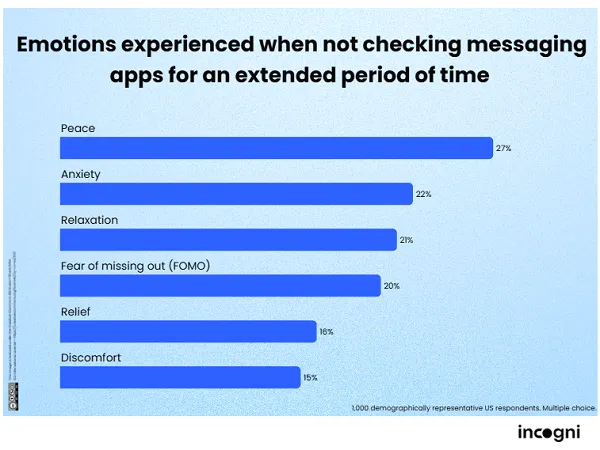
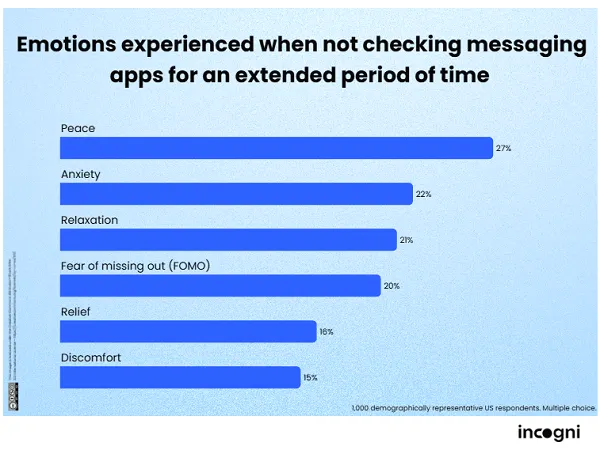
The disconnect between the aspirational narrative of online income and the statistical reality likely contributes to the feeling of exhaustion associated with social media. The constant pursuit of likes, shares, and engagement, often fueled by the desire for recognition and financial reward, can be mentally taxing. This may be a primary driver behind the palpable sense of relief many users experience when they take a break from social media and messaging applications.
Algorithmic Amplification and the Erosion of Connection
Beyond the pressures of content creation and monetization, another significant factor contributing to the changing social media landscape is the increasing prevalence of emotionally charged and algorithmically driven content. Platforms are designed to maximize user engagement, and algorithms often achieve this by prioritizing content that elicits strong emotional responses, including outrage and division. This creates a feedback loop where partisan and inflammatory posts gain traction, leading to increased polarization and a less constructive online discourse.
The Incogni report suggests that this algorithmic amplification of divisive content has driven many users away from social applications. The dopamine rush associated with receiving likes and comments on emotionally charged posts can be addictive, but the overall impact on the social fabric of these platforms is detrimental. This phenomenon creates an environment where nuanced discussion is often drowned out by sensationalism, further alienating users who seek genuine connection and thoughtful interaction.
The Entertainment Imperative: Short-Form Video’s Dominance
Despite the reported decline in personal posting and the perceived burden of content creation, Meta’s recent financial reports offer a counterpoint, indicating an increase in time spent on platforms like Facebook and Instagram. This surge is largely attributed to the aggressive integration of short-form video content, such as Reels and TikTok-style videos, into user feeds. This trend reinforces the Incogni study’s central thesis: social media is increasingly being utilized as a primary source of entertainment rather than a genuine platform for social interaction.
Users are shifting their engagement from actively participating in conversations and sharing personal updates to passively consuming bite-sized, algorithmically curated video content. This fundamental shift away from the connective aspects of social media towards an entertainment-centric model has significant implications for how individuals use these platforms and, consequently, for marketers seeking to reach them.
Broader Implications: Digital Well-being and the Future of Online Interaction
The findings from Incogni’s study paint a picture of social media platforms evolving into sophisticated entertainment hubs, driven by algorithms and catering to a passive consumption model. This transformation has several critical implications:
- Digital Fatigue and Burnout: The pressure to create, the illusion of easy income, and the exposure to divisive content contribute to widespread digital fatigue. Users are increasingly feeling the strain of maintaining an online presence, leading to a desire for respite.
- Erosion of Authentic Connection: As platforms prioritize entertainment and algorithmic engagement over genuine social interaction, the ability to foster meaningful connections online is diminishing. The shift towards private messaging groups, while offering intimacy, also fragments the broader social landscape.
- The Creator Economy’s Reality: The romanticized notion of becoming a successful online influencer is being challenged by the harsh economic realities faced by the vast majority of creators. This disparity can lead to disillusionment and further burnout.
- Algorithmic Influence on Discourse: The power of algorithms to shape user experience and influence public discourse is becoming increasingly apparent. The prioritization of emotionally charged content can exacerbate societal divisions and hinder productive dialogue.
- Marketing Strategies in Flux: For marketers, this shift necessitates a re-evaluation of engagement strategies. Traditional methods focused on direct social interaction may become less effective as users increasingly seek entertainment and passively consume content. Understanding the nuances of algorithmic content delivery and the growing demand for short-form video is paramount.
The Incogni study serves as a crucial wake-up call, urging a deeper examination of our relationship with social media. As these platforms continue to evolve, it is imperative to consider their impact on our digital well-being, the quality of our online interactions, and the very fabric of our connected society. The move from personal broadcasting to algorithmic entertainment is not merely a technological shift; it represents a fundamental change in how we engage with the digital world and with each other. The challenge moving forward will be to navigate this evolving landscape in a way that fosters genuine connection, supports creators sustainably, and mitigates the negative consequences of algorithmic influence.