The landscape of online search is undergoing a profound transformation, driven by the rapid evolution of artificial intelligence. In this new era, where generative AI models are increasingly shaping how users discover information, a robust digital public relations strategy has emerged as the single most critical factor for brands seeking to achieve and maintain prominence. Far from being a niche marketing tactic, Digital PR is now the strategic imperative for influencing AI-generated search results and securing authoritative citations.

The Paradigm Shift: From Keywords to Trust Signals in AI Search
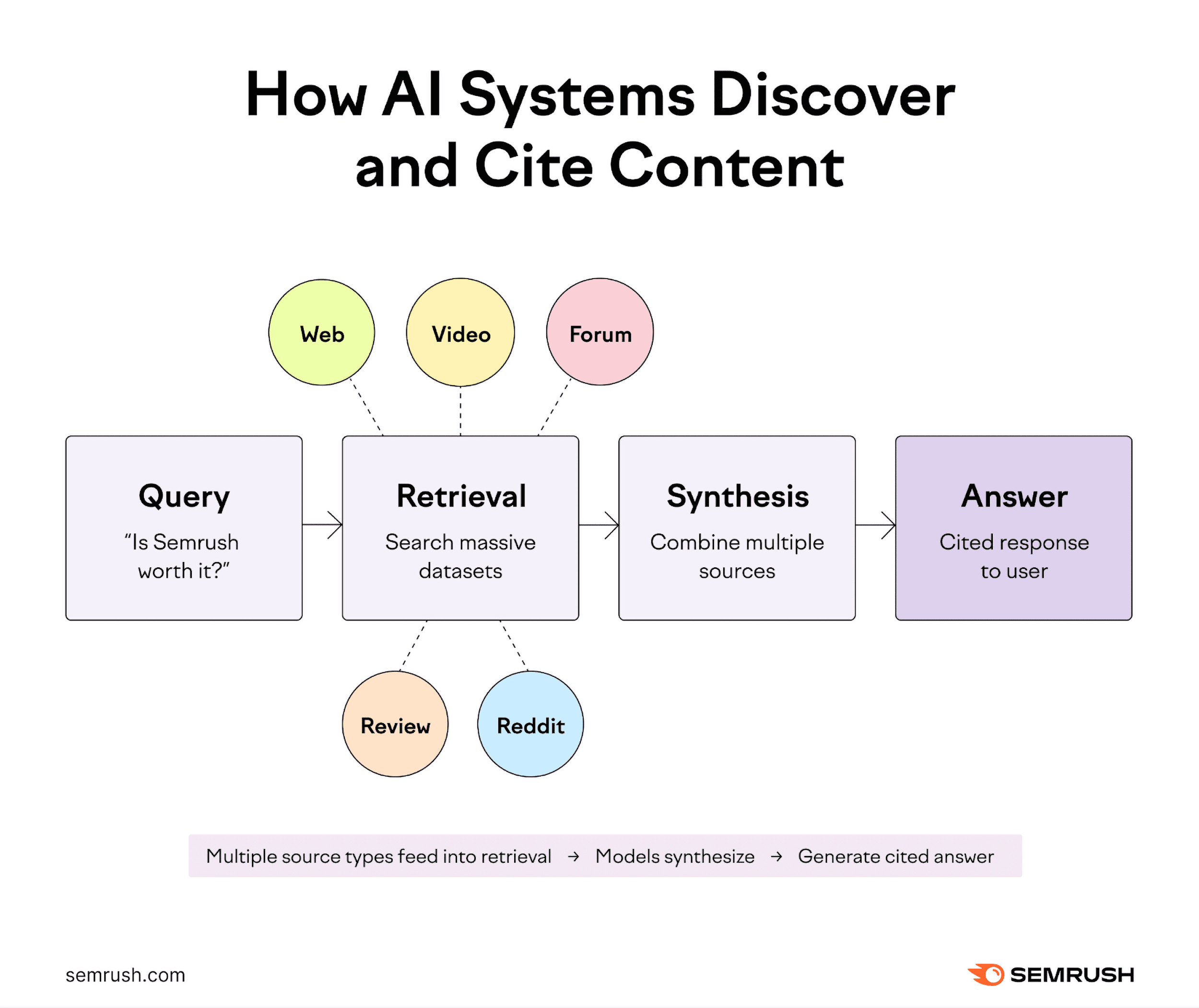
For decades, traditional search engine optimization (SEO) focused heavily on on-site content, keywords, and technical infrastructure. While these elements remain important, the advent of large language models (LLMs) and conversational AI search has introduced a new set of rules. AI systems, designed to provide comprehensive and trustworthy answers, move beyond merely indexing web pages. They synthesize information from a multitude of sources across the internet, prioritizing credibility, authority, and user validation. This fundamental shift underscores why what happens outside a brand’s owned website now holds disproportionate weight in determining its AI visibility.
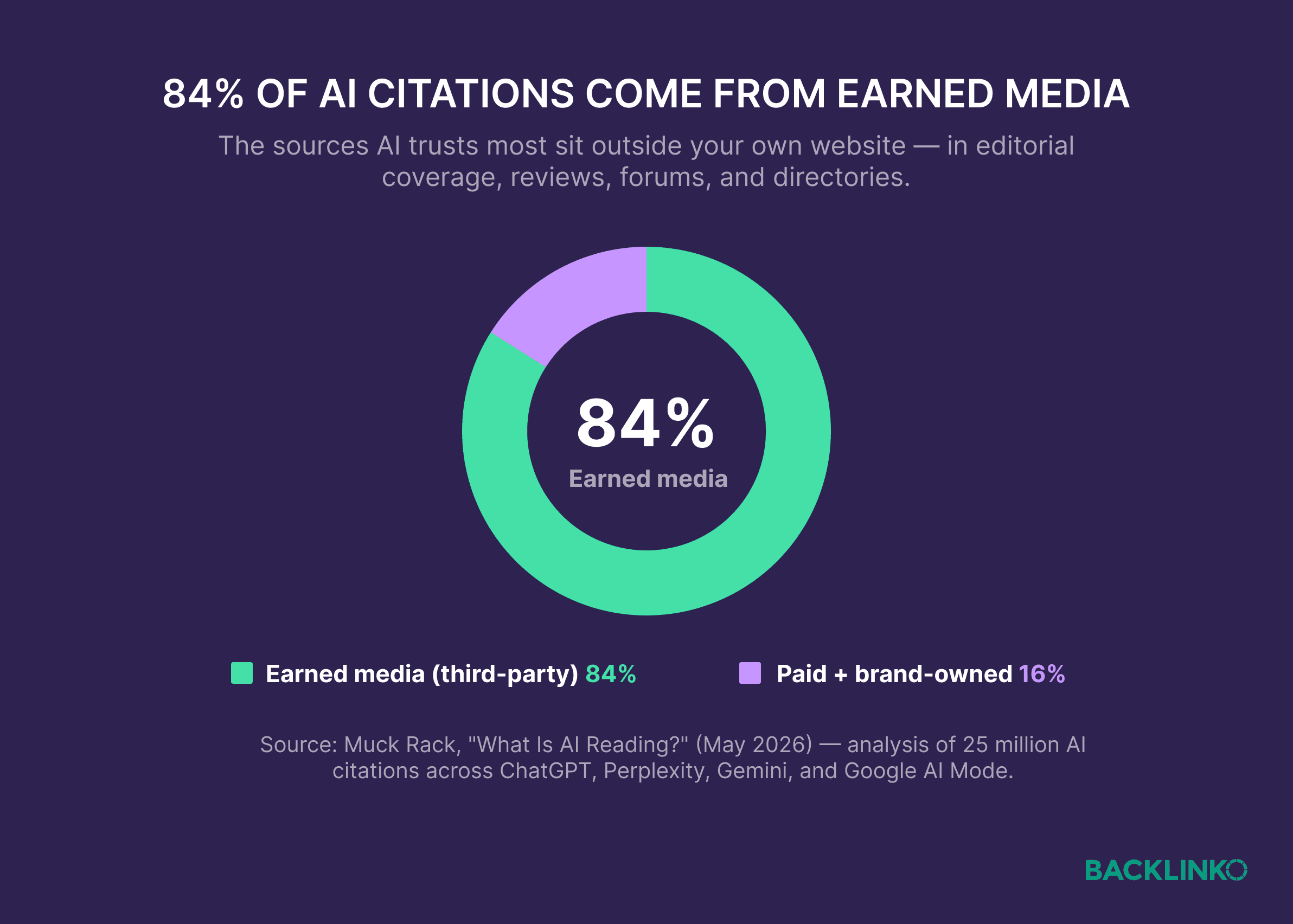
A groundbreaking study by Muck Rack has illuminated this new reality, revealing that an astonishing 84% of AI citations originate from earned media and third-party sources. These encompass a broad spectrum of external validation, including editorial coverage from reputable news outlets, independent product reviews, discussions in expert forums, and community-driven platforms. This data starkly illustrates that in the realm of AI search, authentic third-party endorsement unequivocally outweighs self-promotion. Brands can publish extensive content on their own platforms, but their ultimate recognition and recommendation by AI largely depend on the broader digital conversation surrounding them. The more frequently and positively a brand name appears across diverse and trusted corners of the web, the more likely LLMs are to acknowledge, trust, and ultimately recommend it to users seeking information.
This evolution can be chronologically traced from the early days of keyword-centric web search to the current, more nuanced AI-driven discovery. Initially, search engines like Google revolutionized information access by matching user queries to relevant web pages, with ranking algorithms heavily favoring technical SEO and link building. As the web grew in complexity, algorithms matured to incorporate factors like content quality, user experience, and domain authority. The latest leap, however, introduces generative AI, which doesn’t just list sources but creates answers, often citing its sources at the point of synthesis. This requires AI to not just identify what is relevant, but who is credible and what is truly trusted information. Digital PR, by its very nature, cultivates this external validation, positioning it as the indispensable strategy for the AI era.
Why AI Prioritizes External Validation: The E-E-A-T Principle Reimagined
The preference of AI systems for third-party validation is deeply rooted in principles akin to Google’s E-E-A-T (Experience, Expertise, Authoritativeness, Trustworthiness) guidelines, but amplified for the generative age. AI models are trained on vast datasets and are programmed to deliver accurate, unbiased, and helpful responses. Self-promotional content, by its nature, carries an inherent bias. In contrast, editorial coverage, expert reviews, and genuine user discussions provide a more objective and diverse perspective, signaling higher trustworthiness to AI algorithms.
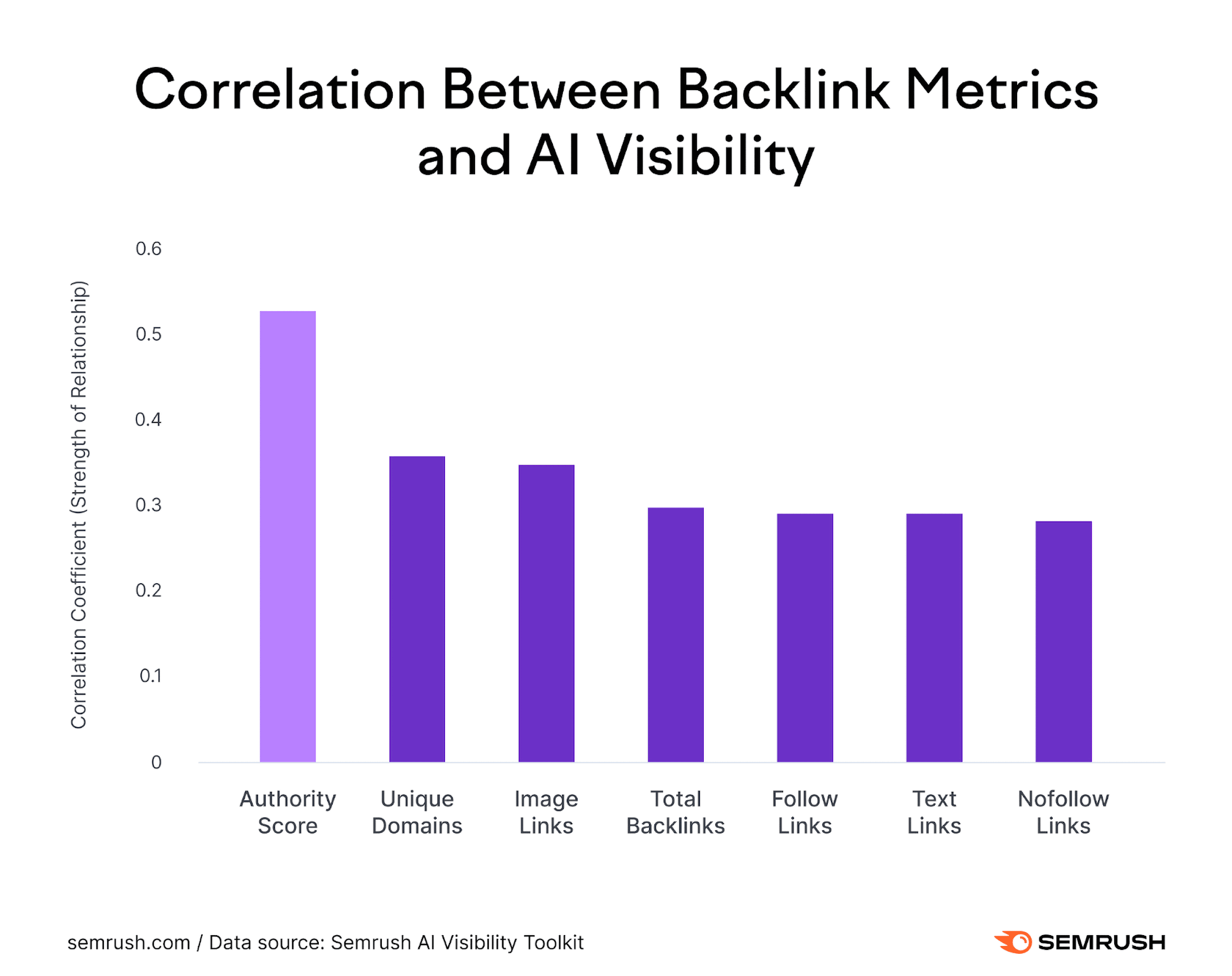
For instance, studies by Semrush and Seer Interactive have consistently shown a strong correlation between robust backlink authority and increased AI visibility. Semrush’s study of 1,000 domains found that brands with stronger backlink profiles were significantly more likely to appear in AI-generated answers. Complementing this, Seer Interactive’s research highlighted that the top two metrics impacting AI visibility are domain authority (DA) and high-quality backlinks from sites with DA 60+. This means that earning mentions and links from authoritative external sources—a core function of Digital PR—directly translates into AI recognition.
This shift has significant implications for marketing departments. It necessitates a move away from siloed SEO and PR efforts towards an integrated digital strategy where reputation management, content distribution, and relationship building are paramount. Marketing professionals are now tasked with not only optimizing their own platforms but actively shaping their brand’s narrative across the entire digital ecosystem. As one leading marketing analyst, Dr. Elena Petrova, recently noted, "The era of merely ‘owning’ your brand narrative is over. In AI search, you must actively ‘influence’ it through a distributed network of trusted voices. Digital PR isn’t just about media mentions anymore; it’s about building a web of credibility that AI can’t ignore."
Key Digital PR Strategies for AI Dominance
To effectively navigate this evolving landscape, brands must adopt proactive digital PR strategies that resonate with AI’s preference for external validation. Here are six proven approaches:
1. Data-Led PR: Becoming a Source of Truth
Data-led PR involves the creation and strategic distribution of original research, industry studies, and statistical roundups. This approach is exceptionally effective for building high-quality backlinks and establishing a brand as an authoritative source of information. Journalists, bloggers, and content creators are perpetually seeking credible, fresh data to substantiate their own narratives, making original research highly citable.
Impact on AI Visibility:
Original data-led content directly fuels AI’s need for verifiable information. When reputable publications cite a brand’s research, they create high-quality backlinks, which, as evidenced by Semrush and Seer Interactive studies, are critical indicators of authority for AI systems. Moreover, AI models are designed to identify and prioritize factual, unique insights. A brand that consistently produces and disseminates original data positions itself as a primary source, making it more likely that AI will reference its findings directly in generative answers.
Implementation Tactics:
- Conduct Proprietary Research: Invest in surveys, data analysis, or experiments relevant to your industry. Present findings clearly with compelling visuals.
- Compile Authoritative Statistical Roundups: Gather and curate existing statistics on a topic, adding unique commentary or analysis. This becomes a valuable resource for others.
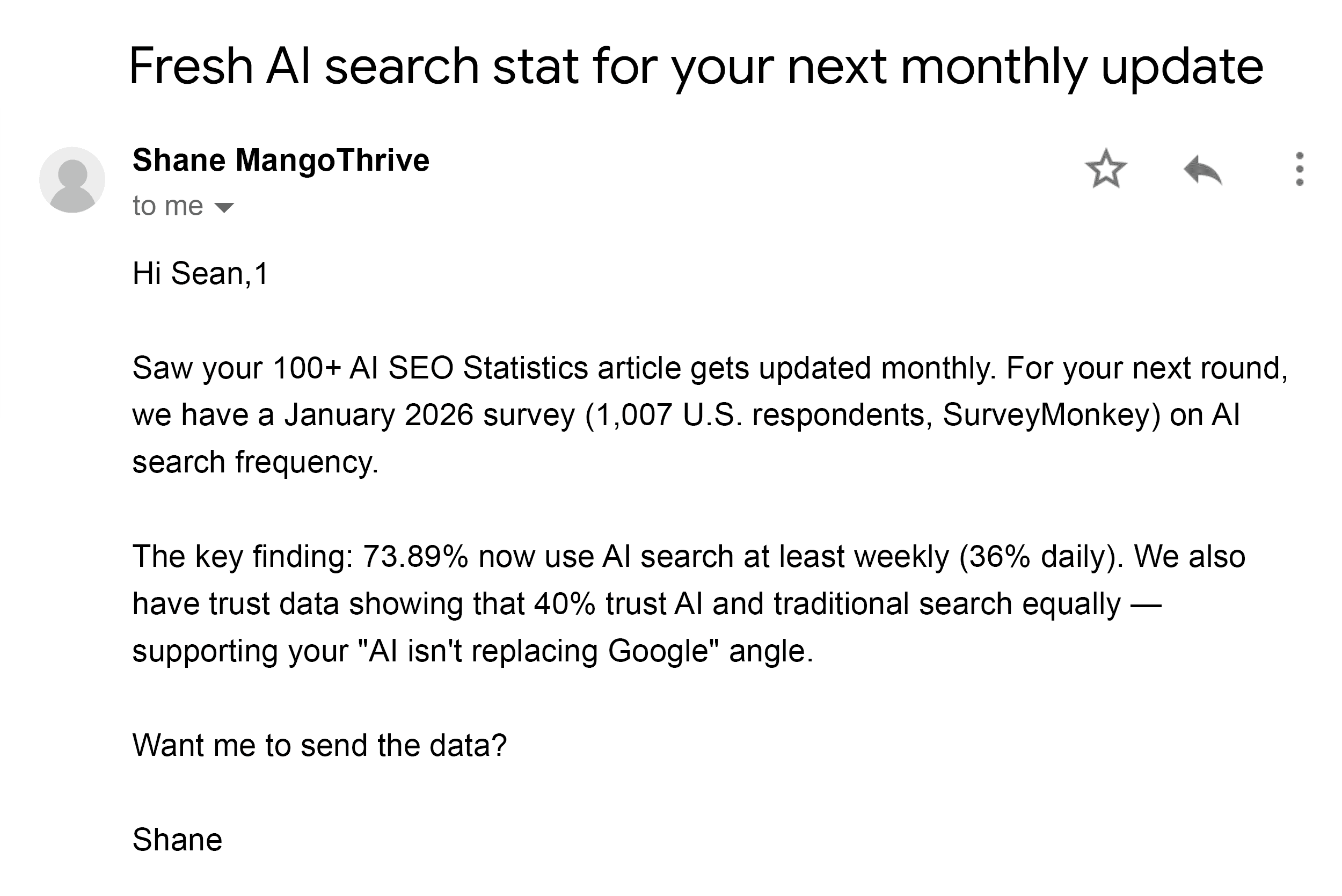
- Proactive Outreach: Identify journalists, industry bloggers, and content creators who frequently cover your niche and often cite outdated or less robust statistics. Pitch your fresh data as a superior alternative.
- Target Statistical Hubs: Reach out to websites known for compiling industry statistics and propose your new data for inclusion. These sites are often updated regularly and are open to new contributions.
- Leverage Infographics and Visualizations: Make your data easily digestible and shareable, increasing its likelihood of being picked up by media.
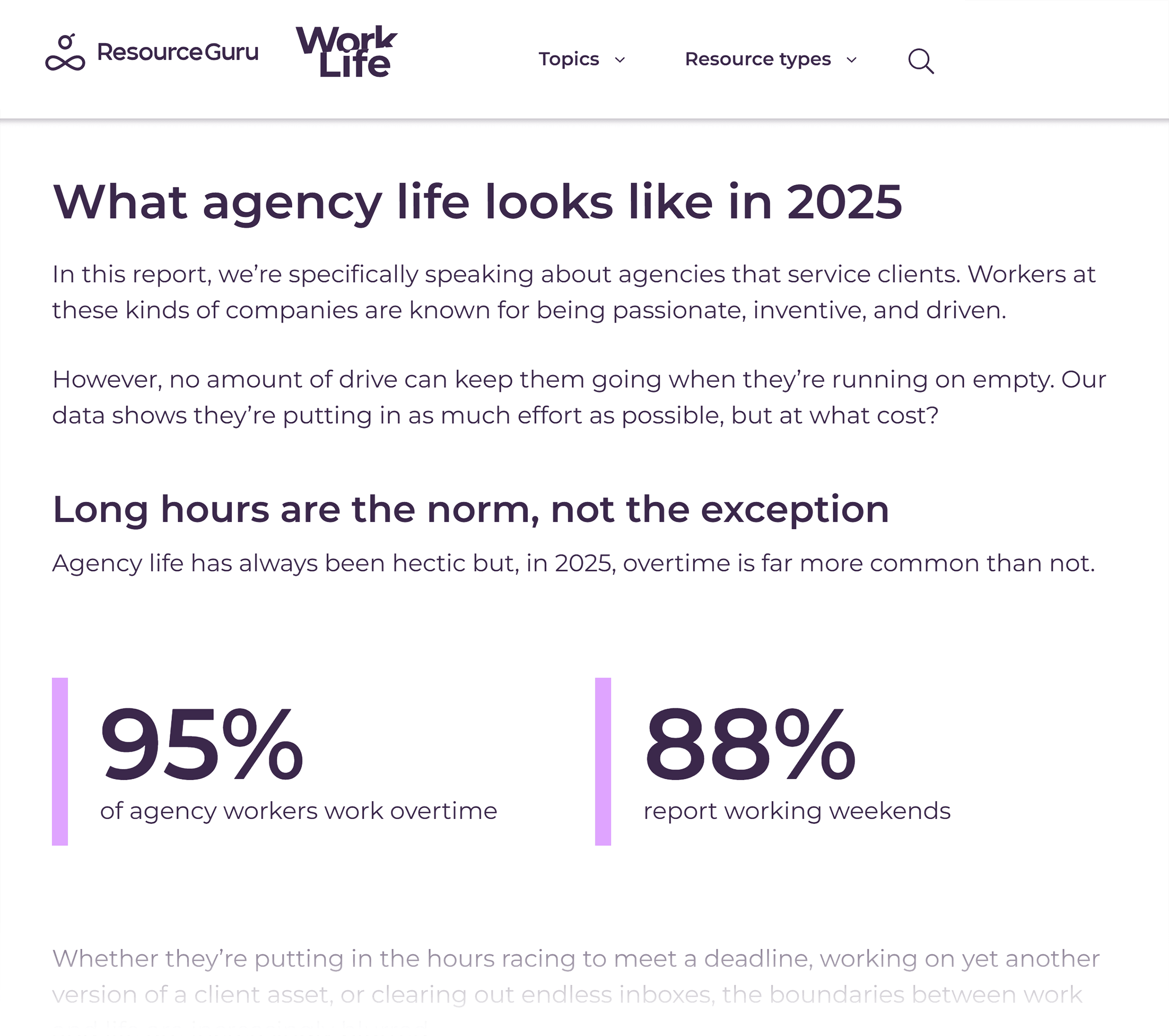
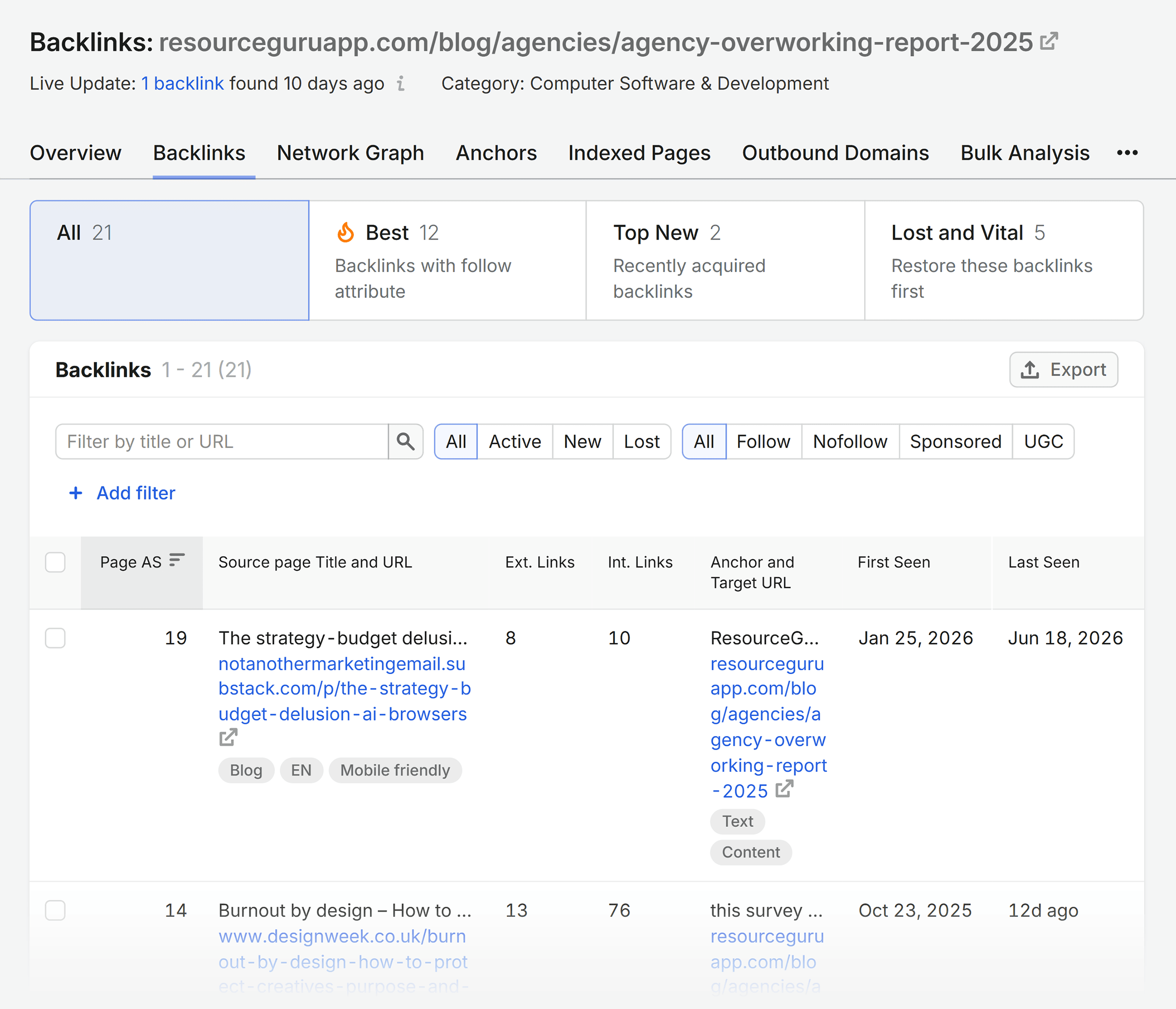
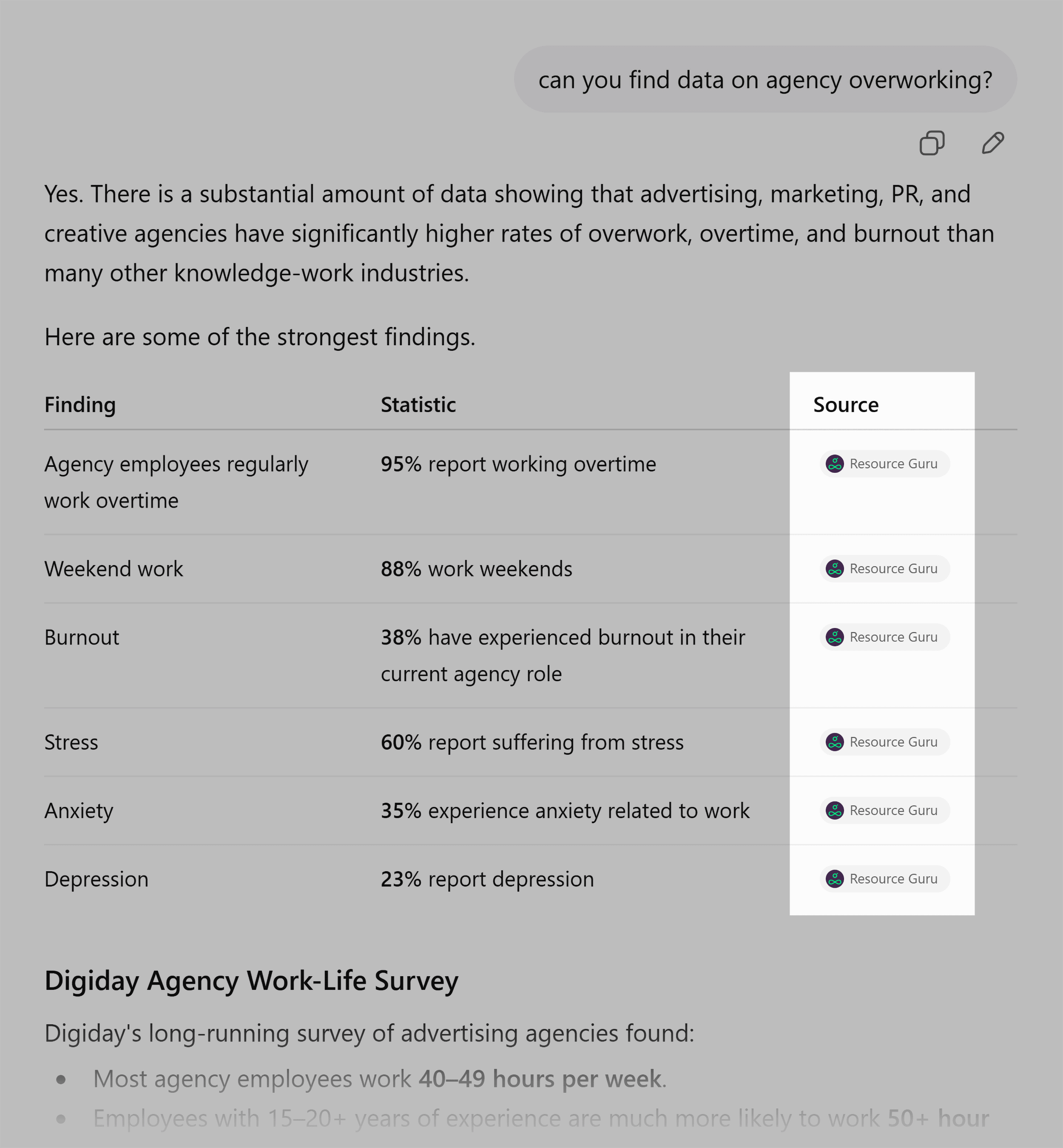
Example: Resource Guru’s "Agency Overworking Report 2025" successfully generated 21 natural backlinks, including coverage in Forbes, and is consistently cited in AI answers for queries related to agency workload and employee burnout. This demonstrates the tangible impact of providing unique, valuable data.
2. AI Citation Outreach: Strategic Placement in AI’s Reading List
AI citation outreach is a targeted strategy focused on securing placements within the specific content sources that AI models already consult and cite. The premise is simple: if your brand can be featured in the publications and articles AI trusts, you can directly influence the information it provides.
Impact on AI Visibility:
By strategically placing your brand within AI’s existing "reading list," you bypass traditional ranking hierarchies and directly embed your brand into the knowledge base AI draws from. As AI models learn and evolve, they develop preferences for certain domains and content types. Being present in these preferred sources is a direct pathway to being recommended.
Implementation Tactics:
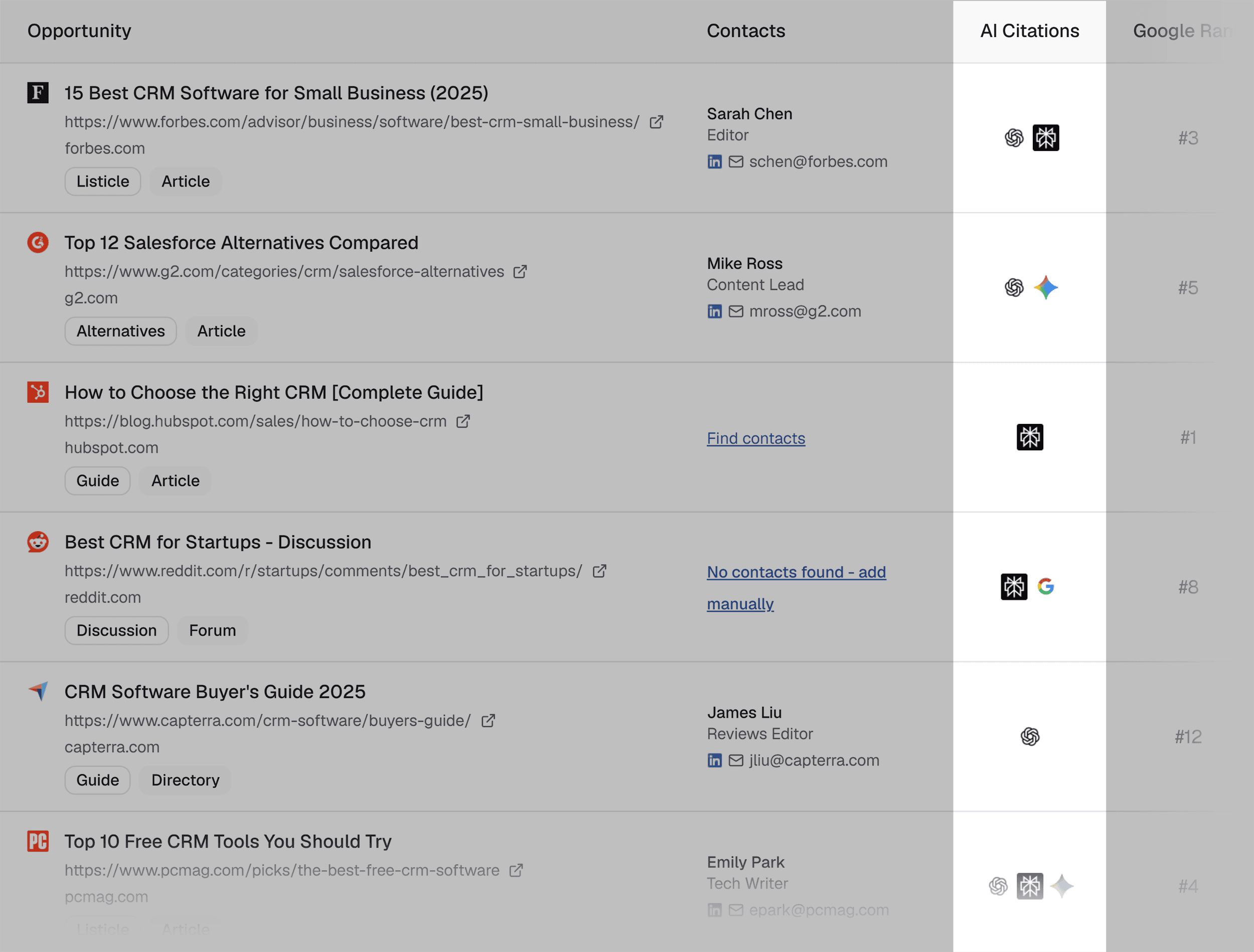
- Identify AI-Cited Pages: Use tools like Semrush’s AI Visibility Toolkit or ListBrew to discover which pages and domains are frequently cited by various AI models (ChatGPT, AI Mode, Perplexity, etc.) for prompts relevant to your business. This helps you understand each LLM’s unique citation patterns.
- Analyze Content Gaps: Examine the cited content for opportunities to add value. Are there listicles (e.g., "Best X Tools") where your brand isn’t mentioned but should be? Are there comparison articles that could benefit from your product/service?
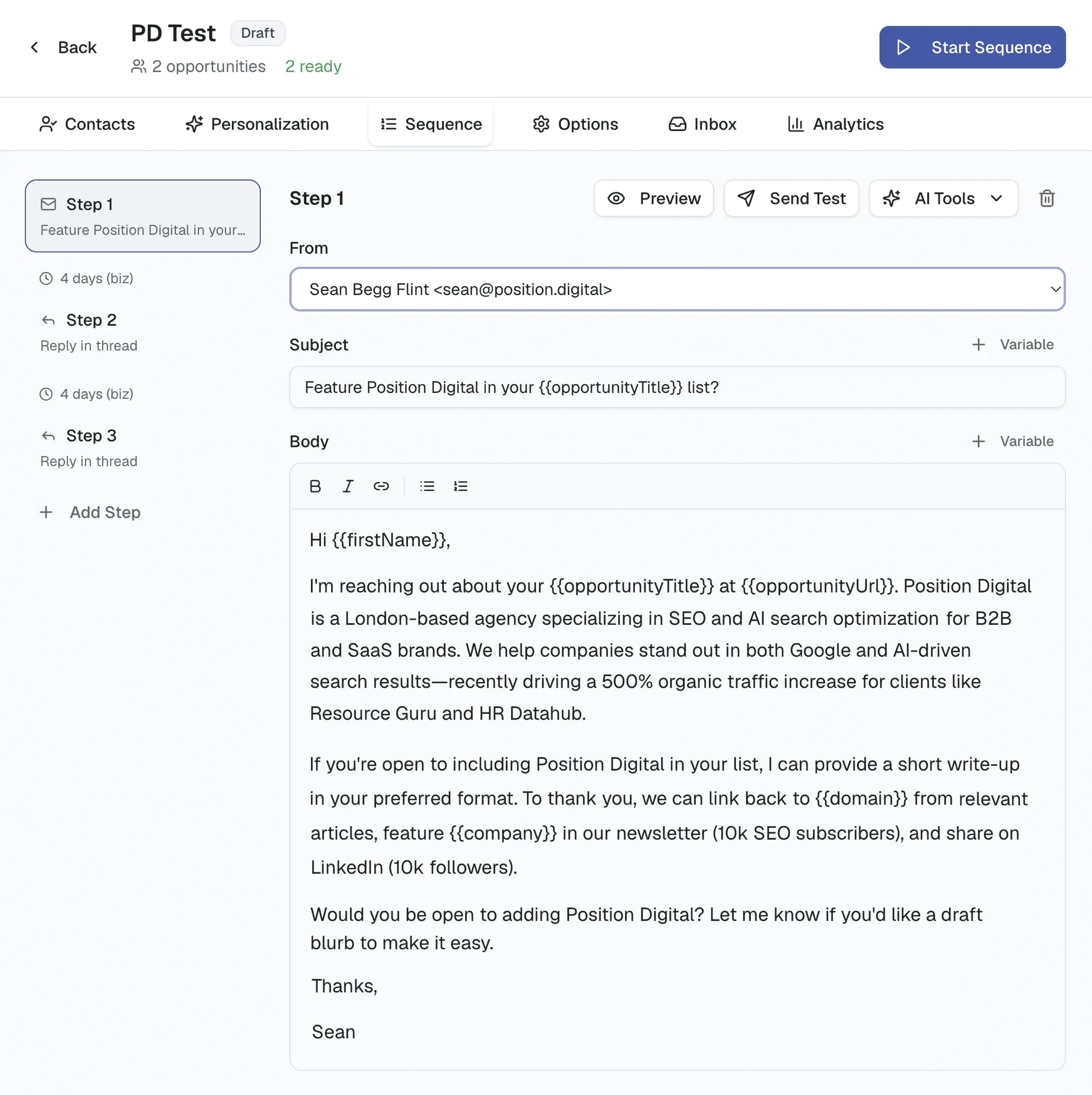
- Personalized Pitches: Craft highly personalized outreach emails to the authors or editors of these identified pages. Clearly explain why your brand is a valuable addition, providing a concise, ready-to-use blurb about your offering.
- Offer Mutual Value: Consider offering to promote their article to your audience, provide an exclusive quote, or share unique insights in exchange for inclusion.
- Monitor and Adapt: Continuously monitor AI citations for your target prompts and adapt your outreach strategy based on emerging patterns.
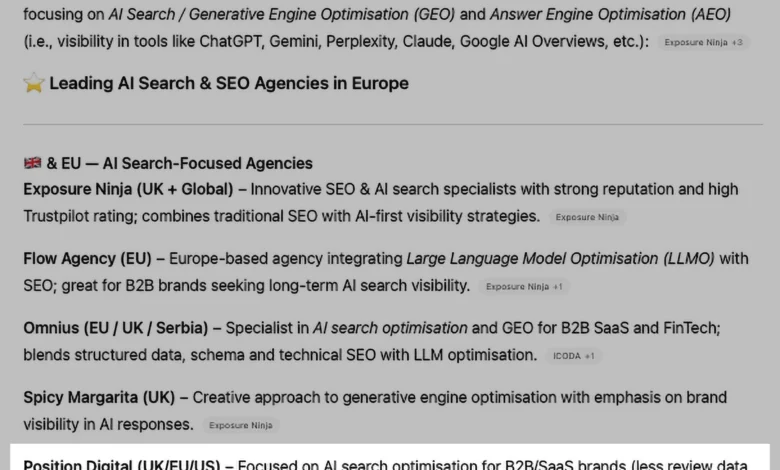
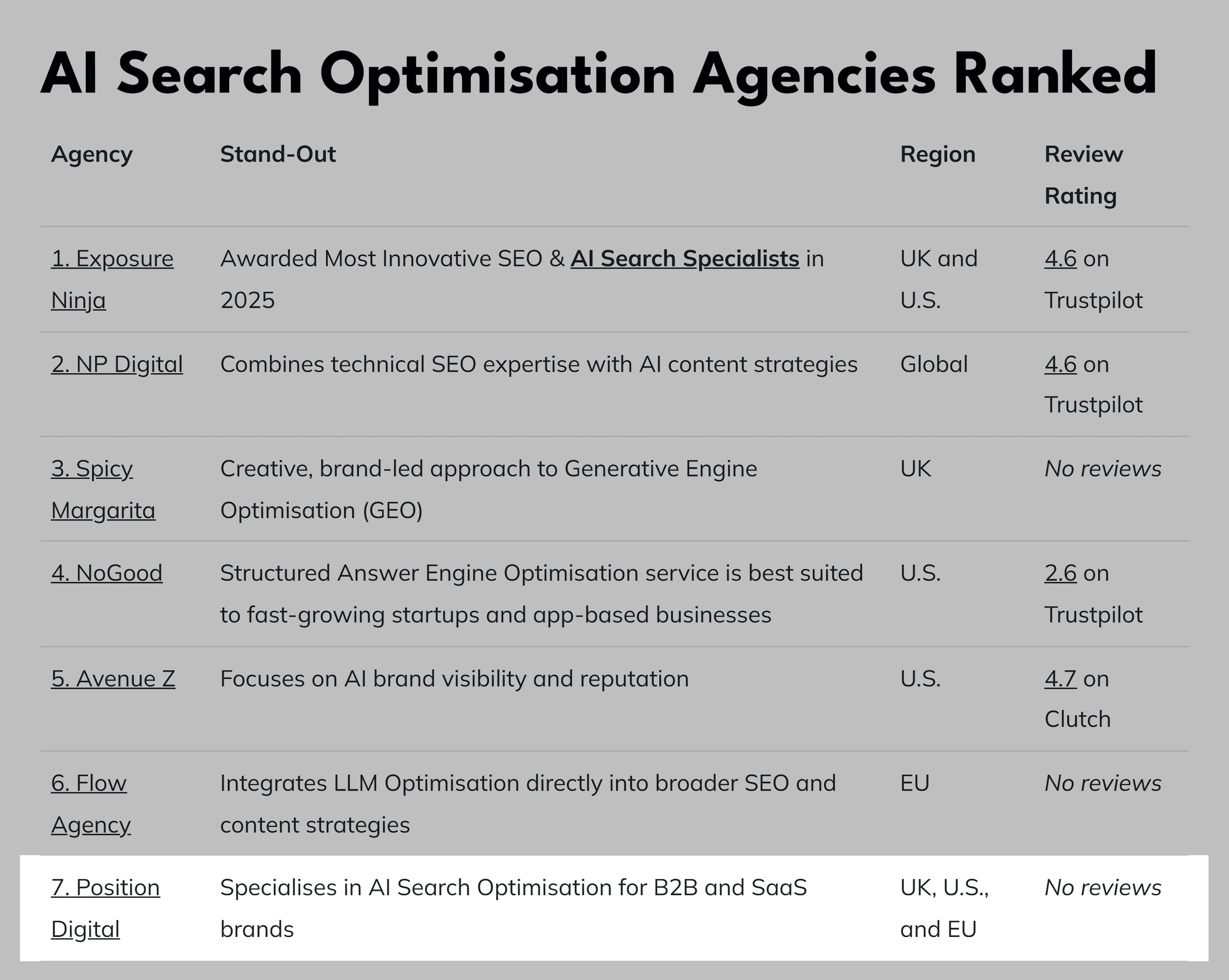
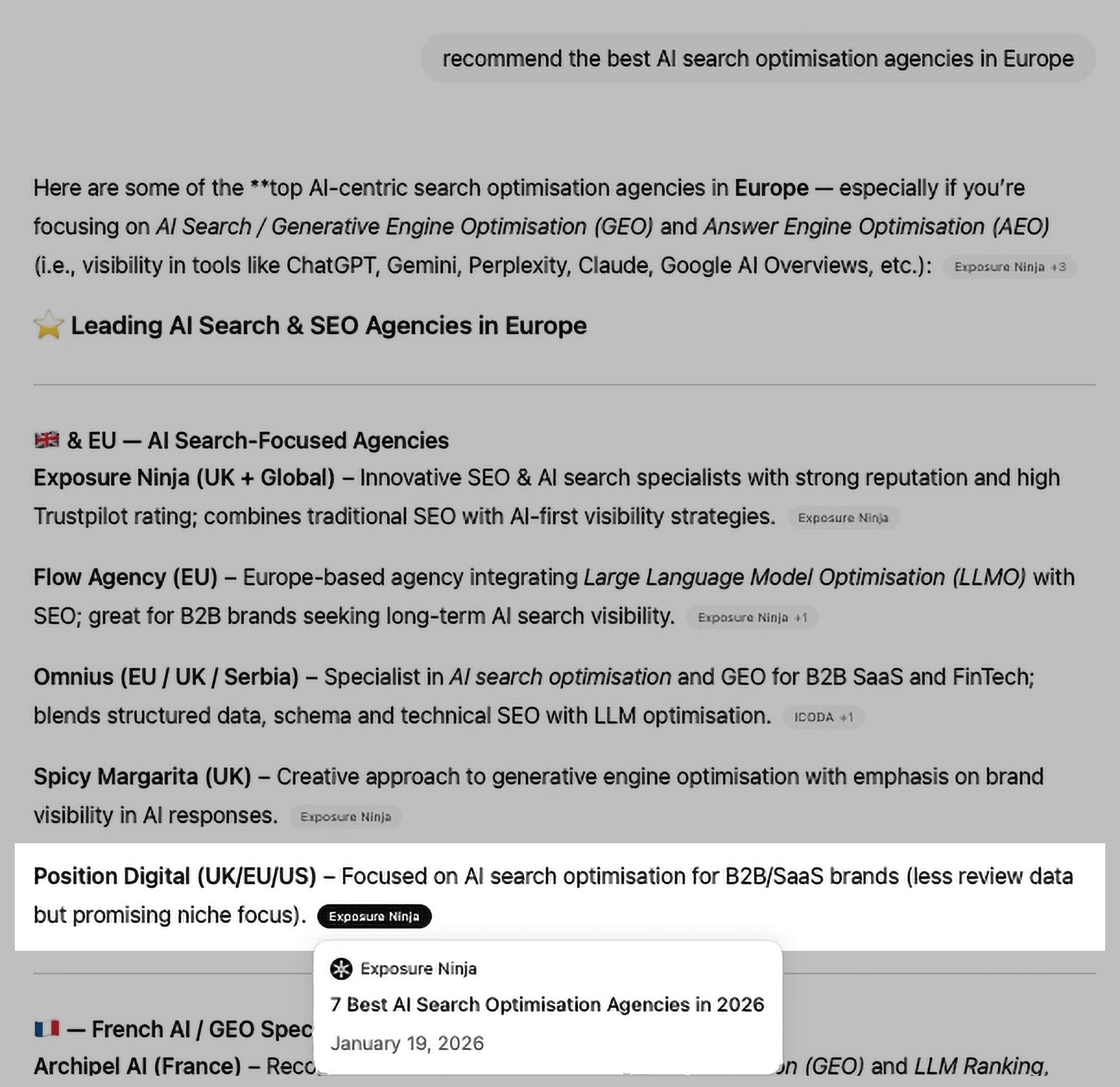
Example: Position Digital, an AI search optimization agency, secured a mention in Exposure Ninja’s "Best AI Search Optimisation Agencies in 2026" listicle. Because Exposure Ninja is a frequently cited source, Position Digital subsequently appeared as a recommended agency in ChatGPT responses, directly demonstrating the power of this strategy.
3. Reactive PR: Capitalizing on Real-Time Relevance
Reactive PR is a fast-paced strategy centered on providing timely, insightful commentary on breaking news, trending topics, and emerging industry developments. Its effectiveness hinges on speed and relevance.
Impact on AI Visibility:
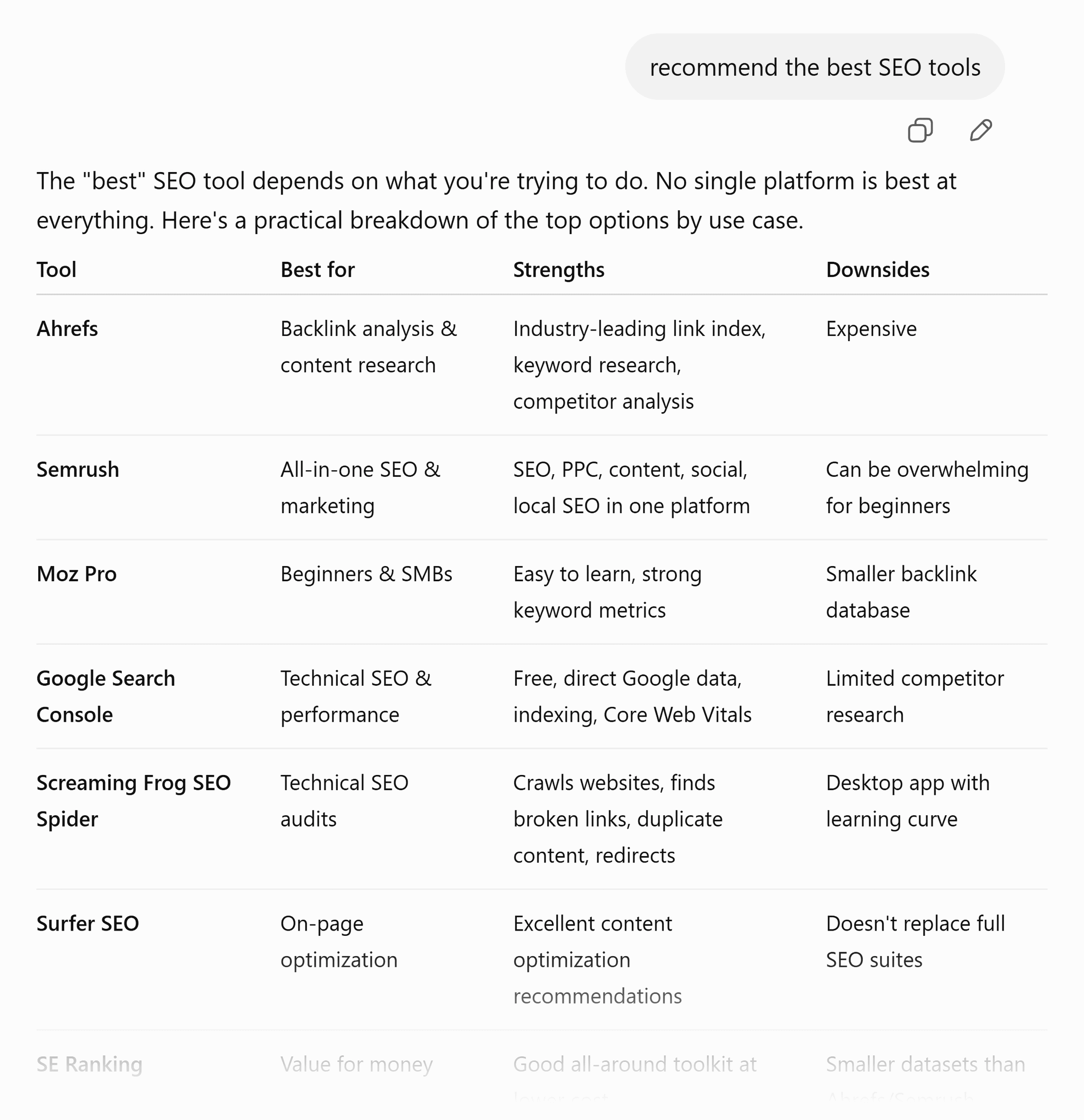
AI models have a knowledge cutoff date, meaning they cannot rely on their pre-trained data for very recent events. When a user asks about current affairs, AI systems actively scan the web for the freshest, most credible sources. If your brand can be among the first to publish authoritative commentary, original reporting, or expert analysis on a nascent trend, your content stands a significantly higher chance of being discovered and cited by AI. This "first-mover advantage" establishes your brand as a real-time authority.
Implementation Tactics:
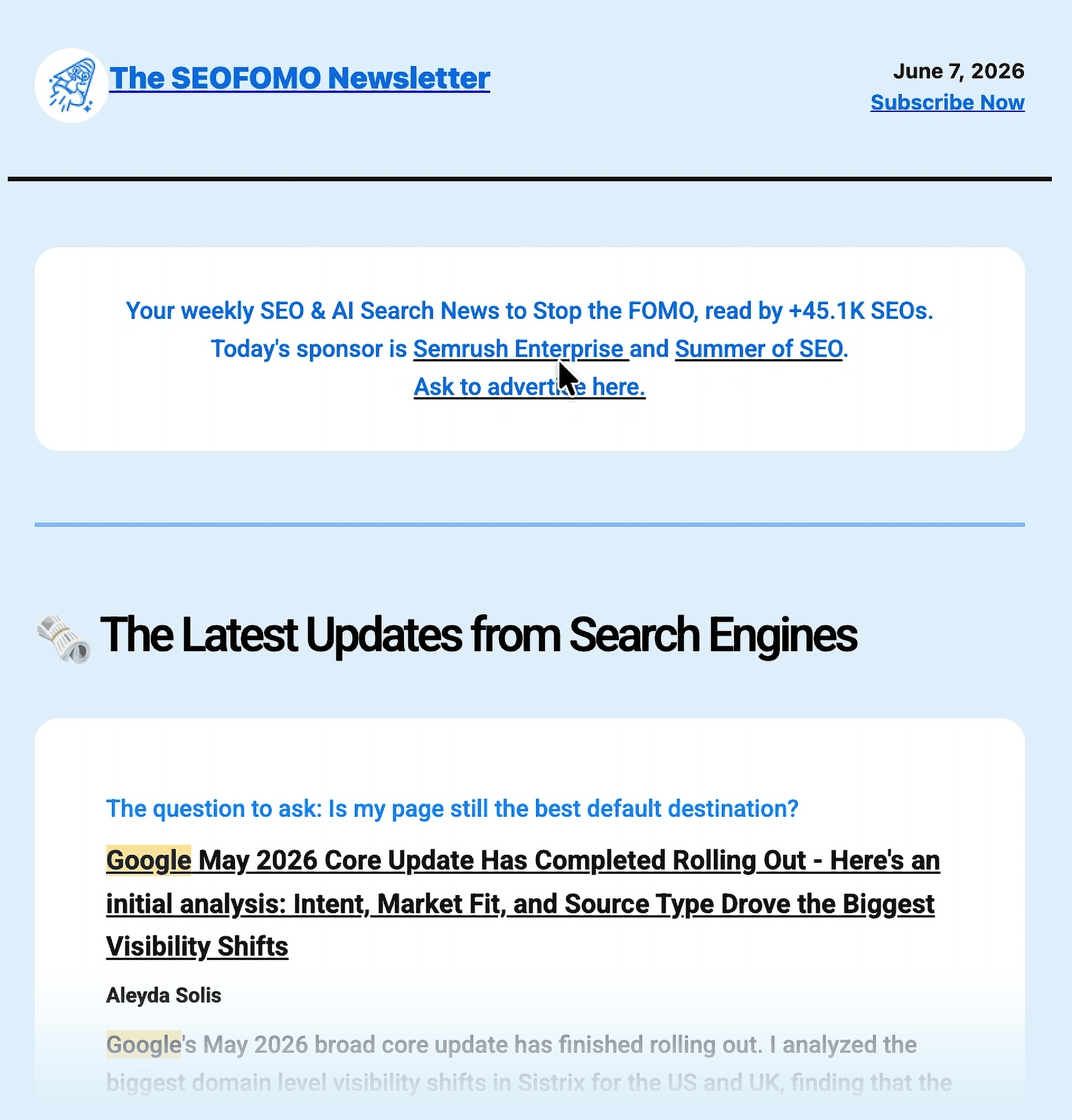
- Proactive Trend Monitoring: Utilize tools like Google Trends, social media listening platforms, industry forums (e.g., Reddit, Quora), and specialized newsletters (e.g., SEOFOMO) to identify nascent conversations and emerging trends before they hit mainstream headlines.
- Rapid Content Creation: Develop internal processes for quickly drafting and publishing expert commentary, analysis pieces, or brief reports on trending topics. Speed is paramount.
- Expert Commentary: Position key spokespeople from your organization as thought leaders who can offer unique perspectives or predictions on unfolding events.
- Targeted Media Relations: Cultivate relationships with journalists who cover your industry. When a relevant story breaks, be ready to offer them exclusive insights or a quote that positions your brand as an expert.
- Social Media Amplification: Distribute your reactive content across social media platforms to ensure rapid dissemination and engagement, which further signals relevance to AI.
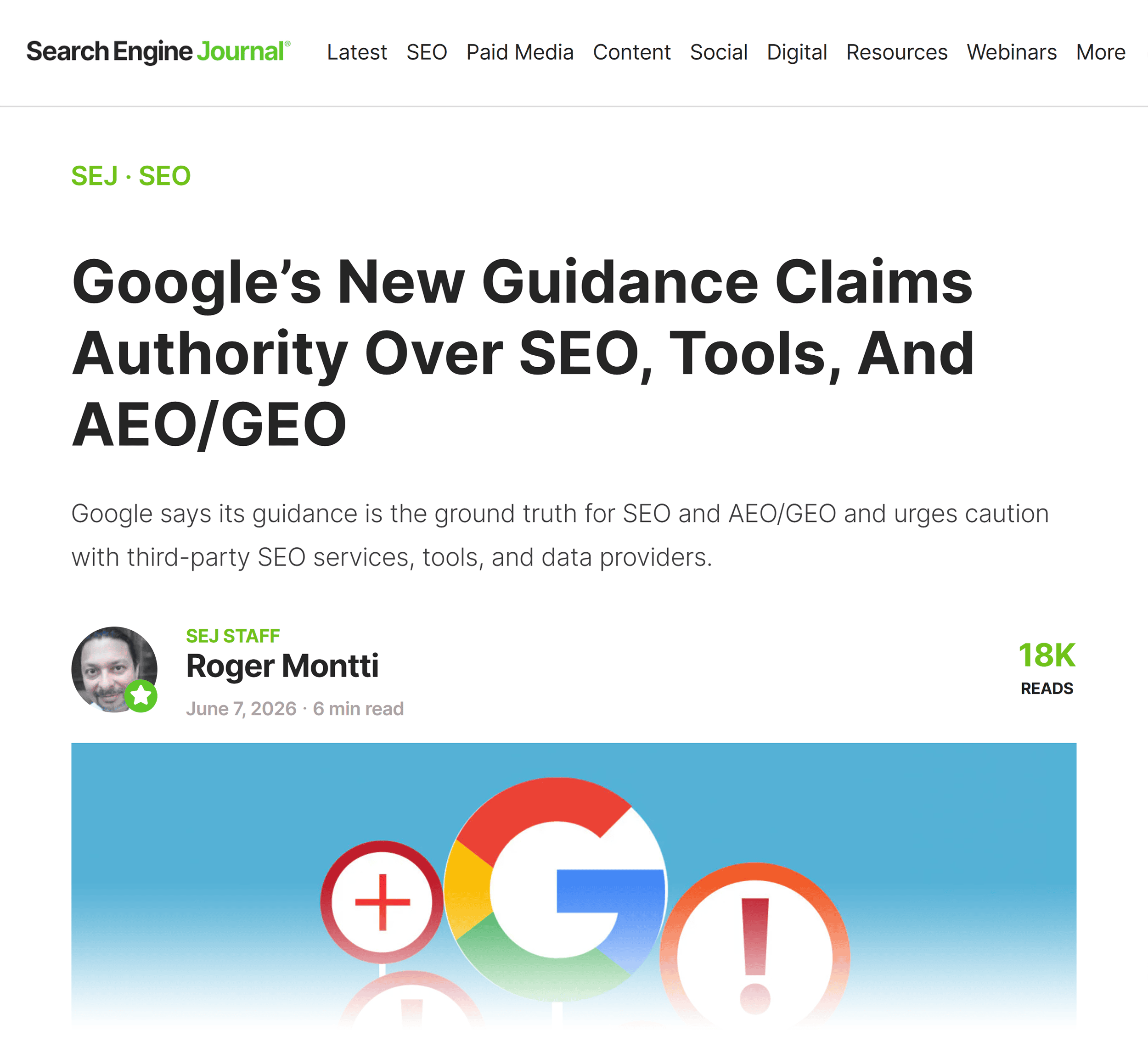
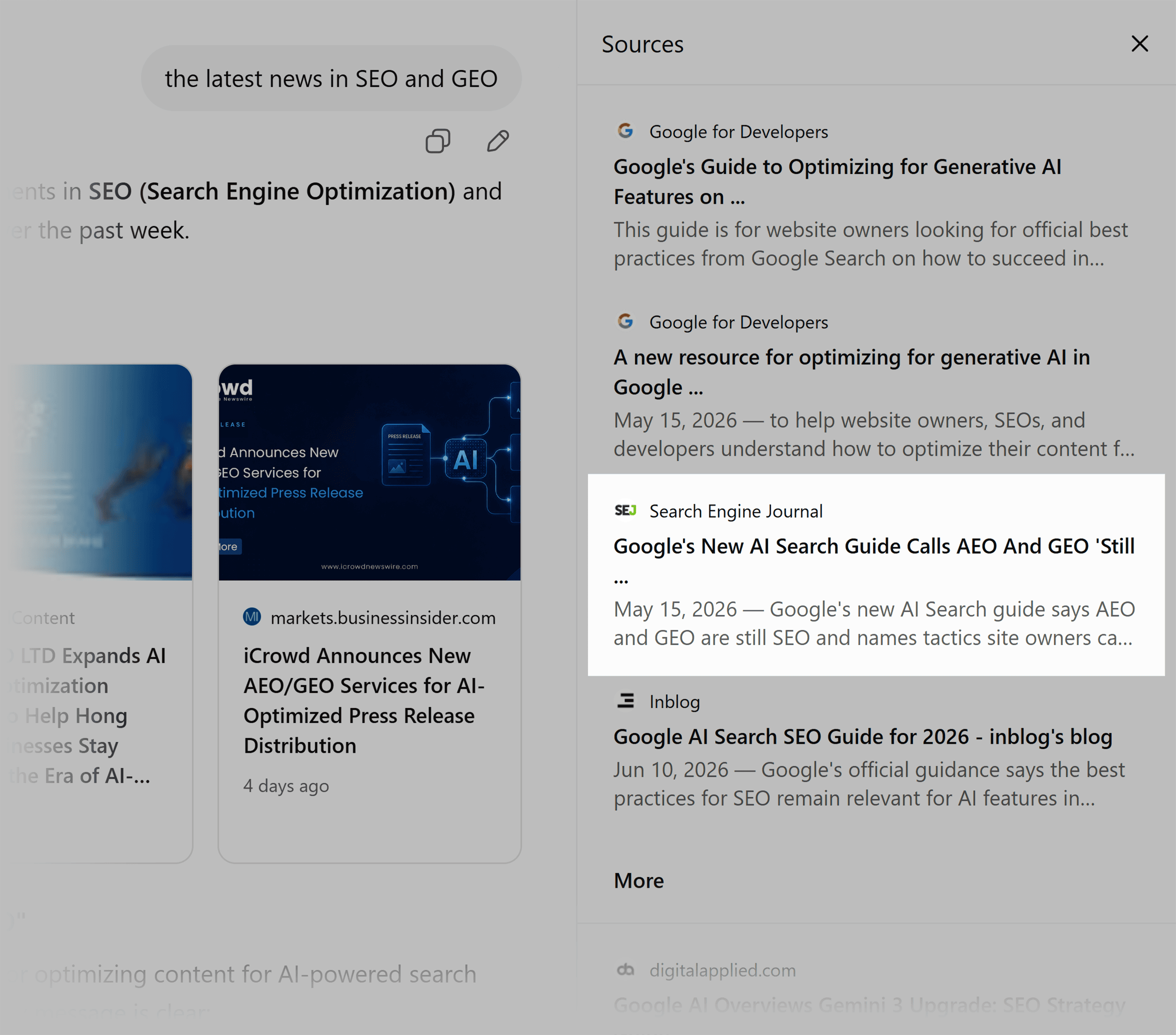
Example: Search Engine Journal’s swift coverage and analysis of "Google’s New SEO Guidelines" garnered over 16,000 readers, 500 backlinks, and multiple AI citations shortly after publication. This illustrates how being an early, authoritative voice on a developing story can lead to significant AI visibility.
4. Ego Bait: Leveraging Influencer Credibility
Ego bait involves creating content that prominently features industry experts, influencers, and respected figures. The core psychological principle is simple: people love to be recognized and are more likely to share, mention, or link to content that celebrates their contributions.
Impact on AI Visibility:
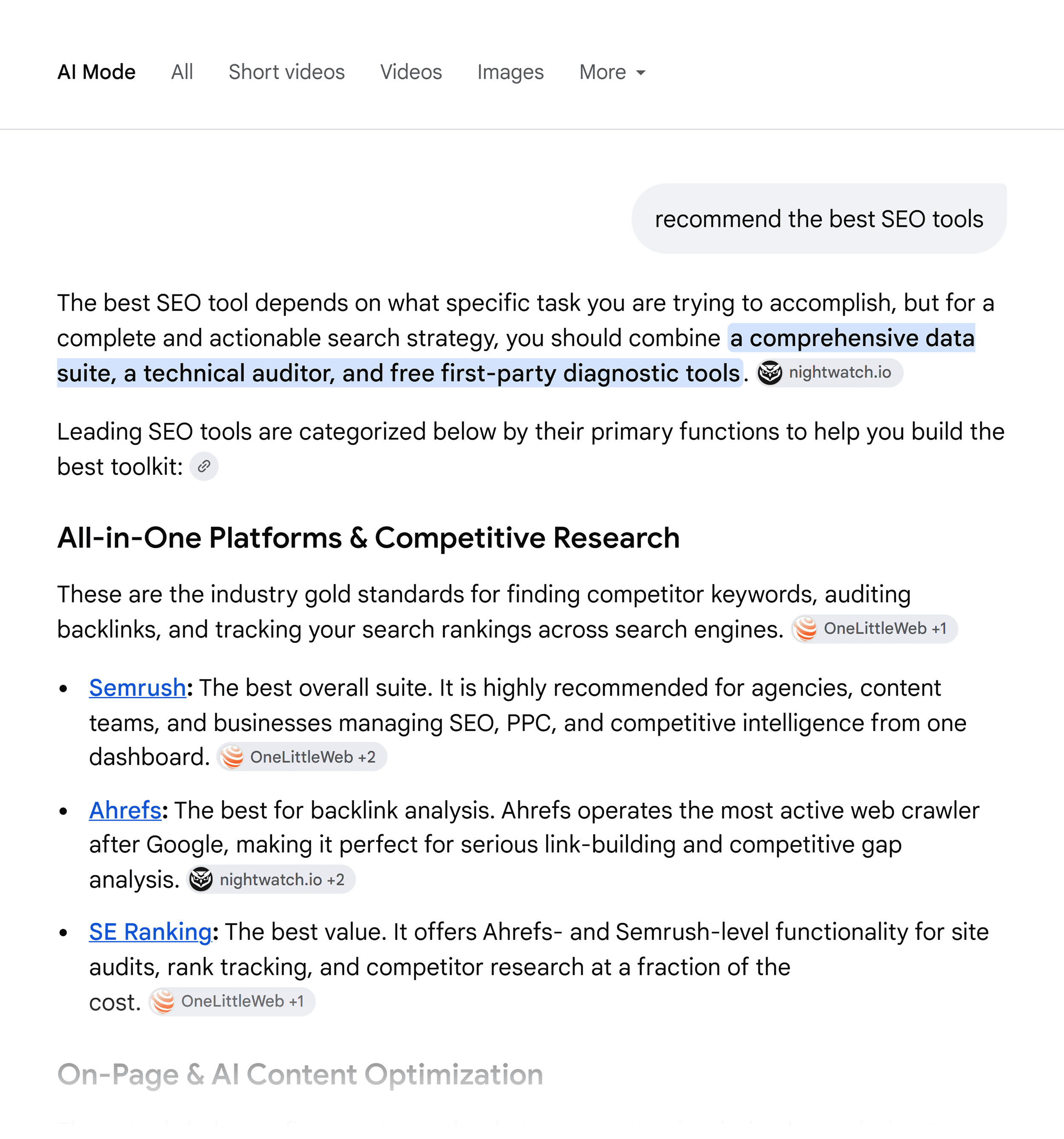
Featuring recognized experts significantly enhances the credibility and authority of your content. An AI SEO study revealed that pages containing expert quotes received an average of 4.1 citations in ChatGPT, compared to just 2.4 for pages without them. Expert commentary acts as a powerful trust signal for AI models, making the content more authoritative and therefore more citable. Beyond direct citation, experts often share the content with their audiences, leading to increased brand mentions, backlinks, and broader web visibility—all factors that contribute to stronger LLM recognition.
Implementation Tactics:
- Expert Roundups: Create articles that solicit insights from multiple industry experts on a specific topic. Platforms like MentionMatch, Featured.com, and Qwoted can help connect you with relevant contributors. Once published, tag all contributors on social media platforms like LinkedIn to encourage sharing.
- Case Studies and Success Stories: Highlight the achievements of clients, partners, or collaborators. A well-crafted case study not only flatters the featured entity but also provides a compelling, shareable piece of content that adds layers of credibility.
- Curated "Top Lists": Publish lists of leading experts, innovative companies, or influential voices in your niche. Being included in such a list is often a strong incentive for individuals to share it, especially if the selection criteria are transparent and credible. This structured content format is also highly amenable to AI citation.
- Interview Series: Conduct interviews with industry leaders, publishing them as articles, podcasts, or video content. This positions your brand as a hub for expert insights.
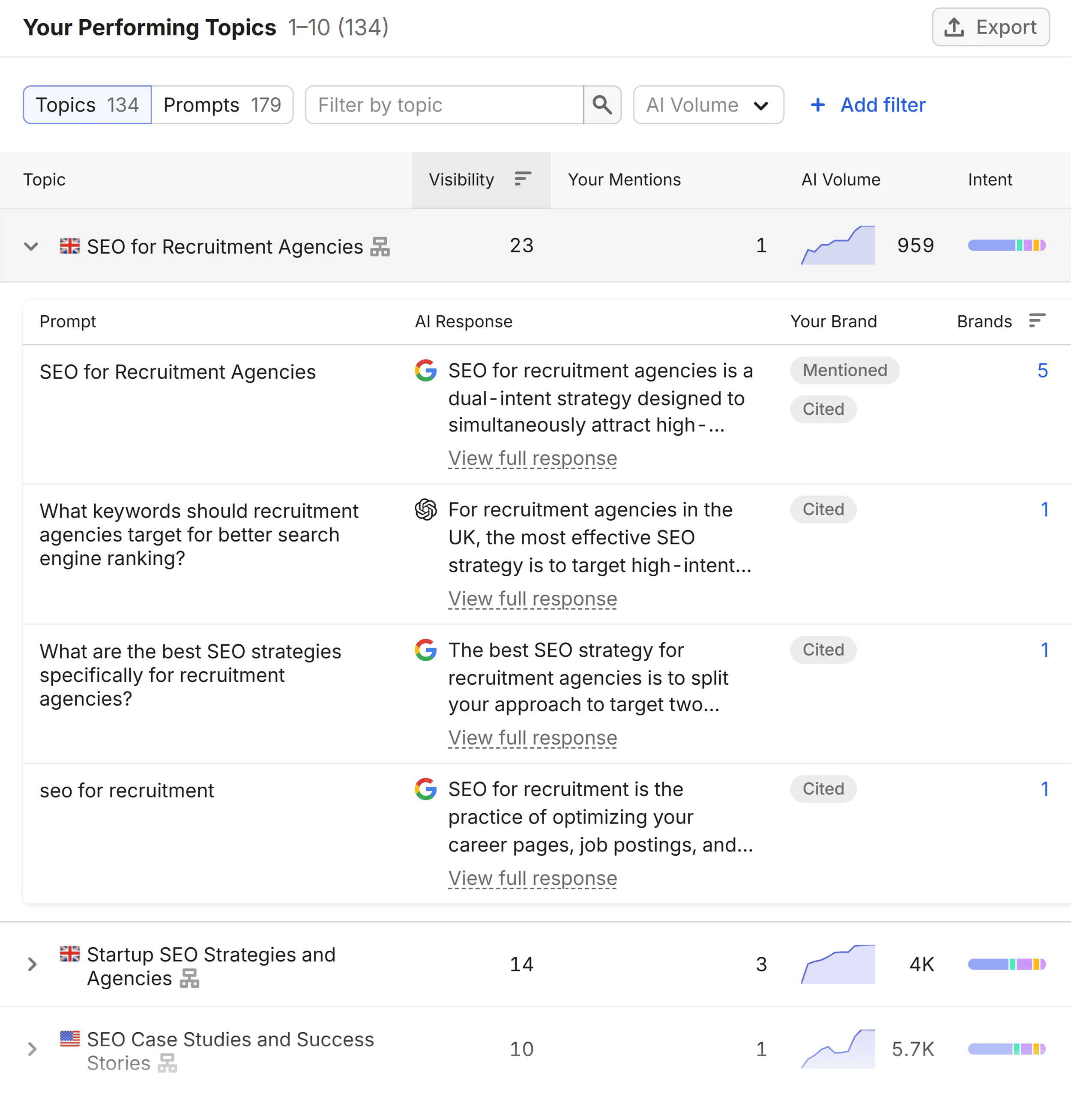
Example: An article on SEO competitor analysis that featured insights from 20 industry experts was cited by both Google’s AI Overviews and AI Mode. This demonstrates how aggregating expert opinions can create highly authoritative and AI-citable content.
5. Thought Leadership: Cultivating a Distinctive Voice
Thought leadership content is designed not merely to rank, but to establish a brand or individual as a recognized authority and innovator within their field. It aims to challenge assumptions, introduce novel perspectives, and spark meaningful discussions, thereby building a reputation for insightful commentary.
Impact on AI Visibility:
While traditional SEO content often focuses on answering common queries, thought leadership aims to shape the conversation. Content that provokes thought and drives engagement (comments, shares, debates) signals high value and relevance to AI models. When a brand’s unique ideas are widely discussed and referenced across the web, AI systems begin to recognize that brand as a go-to source for advanced insights and original thinking. This consistent, high-quality external validation builds a strong brand entity that LLMs are more likely to feature.
Implementation Tactics:
- Build a Strong LinkedIn Presence: LinkedIn is a crucial platform for thought leadership. Semrush’s study revealed it was the second most-cited domain by ChatGPT, AI Mode, and Perplexity.
- Post Engaging Content: Share original insights, "controversial takes" (backed by data), and thoughtful analyses that encourage dialogue.
- Engage with Others: Participate in discussions, comment on industry news, and share content from other leaders.
- Utilize LinkedIn Articles and Newsletters: Leverage LinkedIn’s publishing features for longer-form content that establishes your expertise.
- Guest Posting on Major Publications: Beyond building backlinks, guest blogging on high-authority industry publications allows you to disseminate your unique ideas to broader, established audiences. When multiple reputable sources feature your thought leadership, AI models begin to associate you as the originator of those ideas. The "Guest Post (GP) Engine" framework—publishing a core idea on your own blog and then variations on high-authority external sites—is a powerful way to achieve pervasive AI citation.
- Appear as Podcast Guests: Podcasts are an often-underestimated channel for thought leadership. A single appearance can generate brand mentions, links, social shares, and even transcribes that AI can scrape. Start by building relationships with smaller, niche podcasts before targeting larger shows. These appearances establish you as an audible authority in your field.
Example: A "controversial take" on LinkedIn by Khanh Linh Le generated significant comments and engagement, demonstrating how challenging conventional wisdom can drive discussion and, subsequently, AI attention. Similarly, the "Guest Post Engine" framework, applied to "Content Refreshes," resulted in three articles (one on Position Digital, others on Sitebulb and Surfer SEO) all being cited by Google’s AI Overviews, confirming the value of distributed thought leadership.
6. Community Building: Harnessing Authentic User Voice
Community building focuses on establishing and nurturing a brand’s presence within third-party forums, review sites, and customer rating platforms. These platforms are considered neutral, independent sources, and AI models place immense trust in the collective voice of users.
Impact on AI Visibility:
AI models are designed to value authenticity and collective sentiment. A compelling finding from a Semrush AI visibility study highlighted that LLMs cited Reddit threads about Microsoft products more frequently than Microsoft’s own blog. This is a monumental shift, indicating AI’s preference for genuine user-generated content and discussions over corporate messaging. Similarly, a Seer Interactive study on 800,000 AI responses found a dramatic increase in AI citation rates for brands with even minimal review profiles (1-13 reviews) on platforms like Trustpilot, jumping from 1% to 53.5%. This demonstrates that a verifiable, independent public perception is critical for AI recognition.
Implementation Tactics:
- Active Participation in Q&A Platforms (Reddit, Quora): Engage authentically in relevant subreddits and Quora spaces. Provide helpful, insightful answers without overt self-promotion. Be transparent about your affiliation but prioritize adding value. Accounts focused purely on promotion are quickly flagged. Aim for consistent, meaningful contributions (e.g., 3-5 threads per week). Consider hosting an "Ask Me Anything" (AMA) session to share expertise and build rapport.
- Optimize and Cultivate Review Site Profiles: Establish and actively manage profiles on industry-specific and general review platforms such as Trustpilot, G2, Capterra, Yelp, Google My Business, and Glassdoor. Proactively encourage satisfied customers to leave genuine reviews and ratings. Respond professionally to all feedback, both positive and negative, demonstrating customer engagement and transparency.
- Content on Medium: Medium, identified as a frequently cited platform by AI, offers an excellent avenue to republish condensed versions of your best blog content or share original perspectives. This broadens the reach of your ideas and increases the chances of AI encountering and citing your brand’s narrative from a trusted third-party domain.
Example: The frequent citation of Reddit discussions by ChatGPT for queries related to best AI visibility tools underscores the importance of community engagement. Brands that actively and genuinely contribute to these platforms, like the "Sweaty Startup" SEO AMA, can build a trusted presence that AI models recognize.
The Convergence of PR and SEO in the AI Era
The rise of AI in search marks a definitive convergence of Public Relations and SEO. The traditional boundaries between these disciplines are blurring, as both now contribute to the singular goal of "AI visibility" or "LLM visibility." It’s no longer enough to rank high in organic search results; brands must now be recognized, trusted, and recommended by the intelligent systems that users increasingly rely upon.
This demands a holistic and integrated strategy where digital PR is not an afterthought but a central pillar. Brands must invest in understanding how AI consumes and synthesizes information, and then strategically position themselves across the digital ecosystem to become indispensable sources of truth, expert opinion, and authentic user sentiment. The quickest and most effective path to achieving this AI dominance is by consistently showing up where AI is already looking—in the trusted third-party publications, platforms, and communities that form the bedrock of AI’s knowledge.
To embark on this journey, businesses are encouraged to leverage advanced analytics tools, such as Semrush’s AI Visibility Toolkit, to first identify the specific prompts their target audience uses with AI chatbots and then uncover the sources that AI platforms consistently cite for those queries. This data-driven approach allows for precise targeting and optimization of digital PR efforts. Furthermore, a deep dive into advanced strategies like LLM seeding, which focuses on influencing how AI models generate and attribute answers, will be crucial for brands aiming for sustained leadership in the AI-powered search landscape. The future of search is conversational and intelligent, and the brands that master digital PR will undoubtedly lead the way.