Navigating the Complexities of 2026: A Structured Approach to Modern Marketing Strategy


The contemporary marketing landscape is characterized by an accelerating pace of technological innovation and continuous platform evolution, frequently leaving businesses feeling perpetually a step behind. Buyers now engage with brands across an unprecedented array of digital touchpoints, often bypassing traditional websites entirely. This fragmentation, coupled with stringent privacy regulations and evolving consumer expectations, has rendered tracking and attribution increasingly opaque, making it challenging for marketers to discern optimal investment priorities. Furthermore, the pervasive call to integrate artificial intelligence into every facet of operations creates pressure, with many fearing obsolescence if they fail to adapt swiftly, often without the empirical data to validate their strategic shifts. In this environment of flux, the prevailing sentiment is that more tactics or sophisticated tools are not the solution; instead, a robust, adaptable structure is paramount.

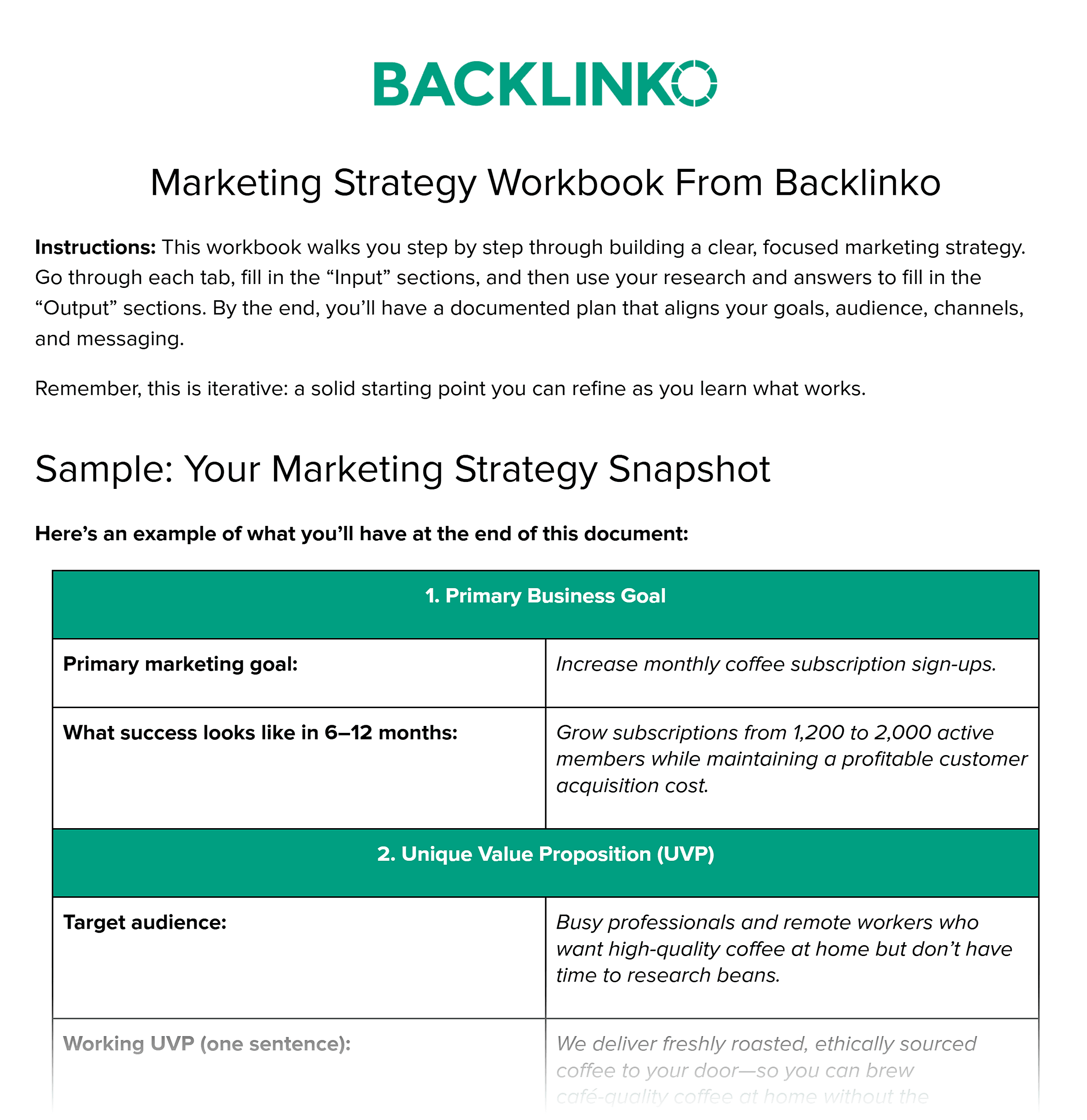
This article outlines a comprehensive, step-by-step framework designed to guide businesses in constructing a resilient marketing strategy for 2026, irrespective of their current operational maturity. This framework, supported by a practical workbook, aims to establish a documented strategy geared for sustainable growth in an unpredictable digital future.
Defining Core Business Objectives: The Foundational Step
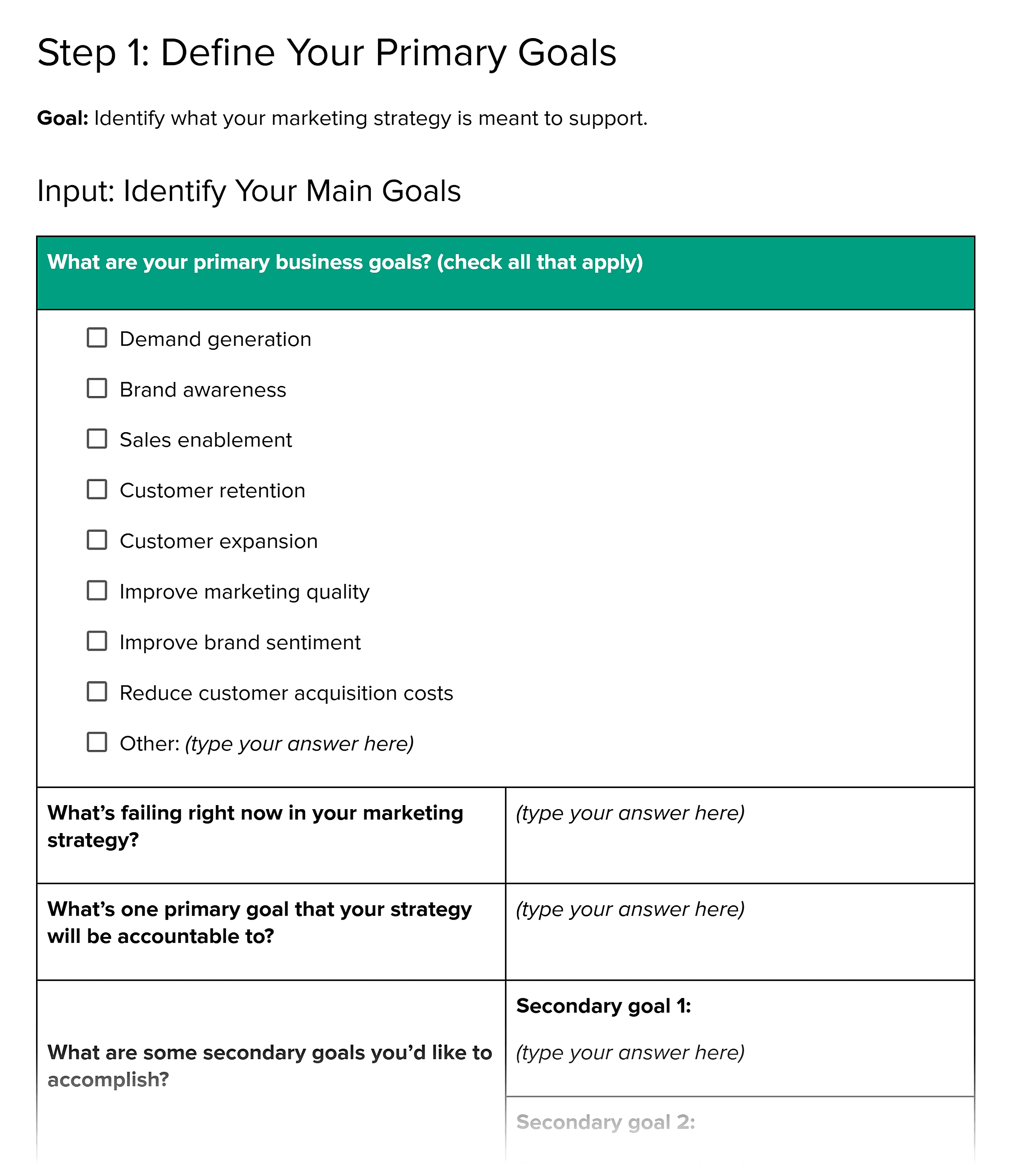
A coherent marketing strategy begins with a clear understanding of the overarching business goals it is designed to support. While revenue growth is almost universally the ultimate objective, marketing efforts typically contribute to this by bolstering more specific aims. These can include enhancing brand awareness, generating qualified leads, improving customer retention, expanding market share, or driving product adoption. The "right" marketing goal is intrinsically linked to a company’s stage of development. Early-stage ventures often prioritize rapid momentum and user acquisition, while growth-stage companies might focus on scalable demand generation. More established enterprises may shift their emphasis towards efficiency, retention, or strategic market expansion.
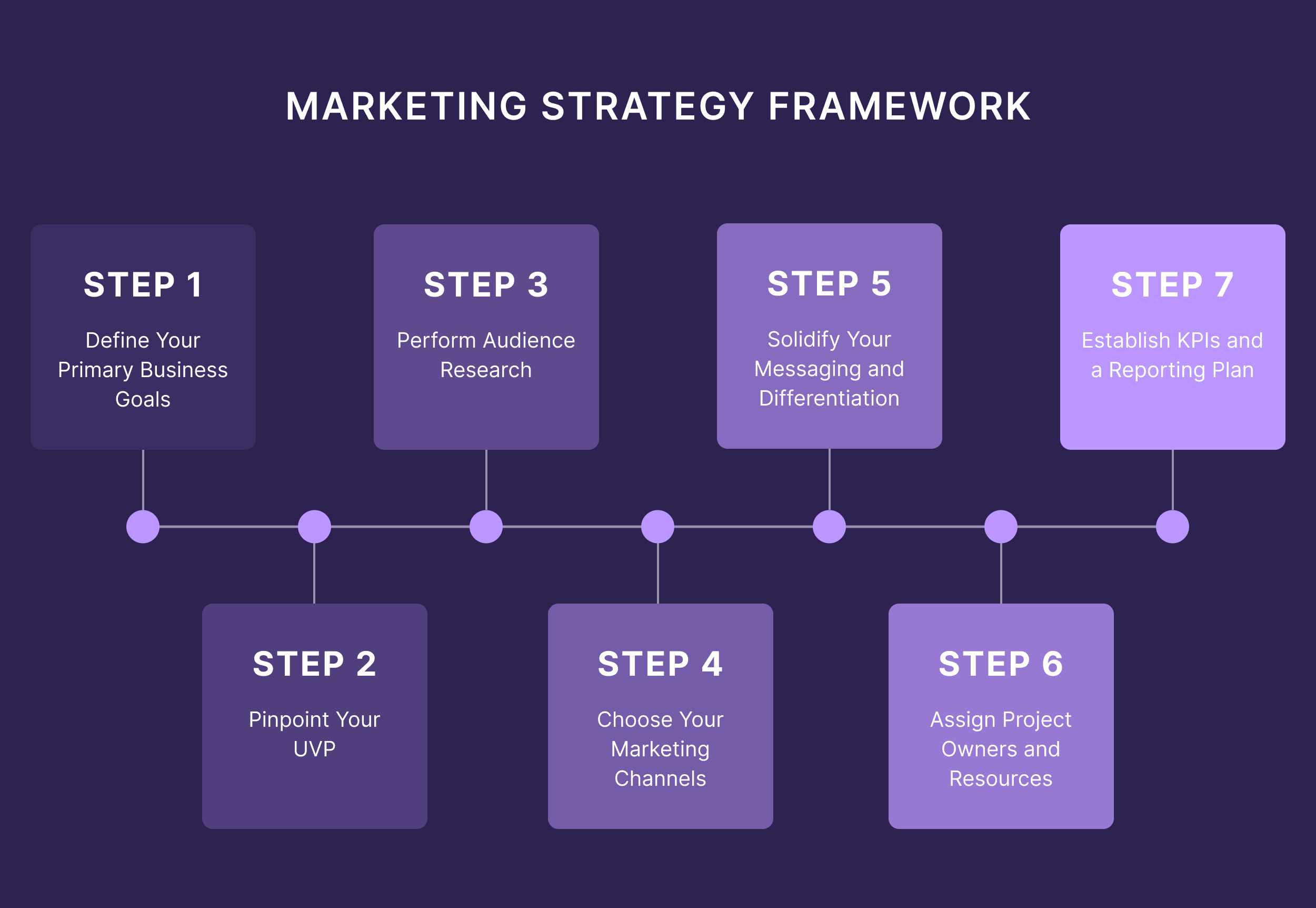
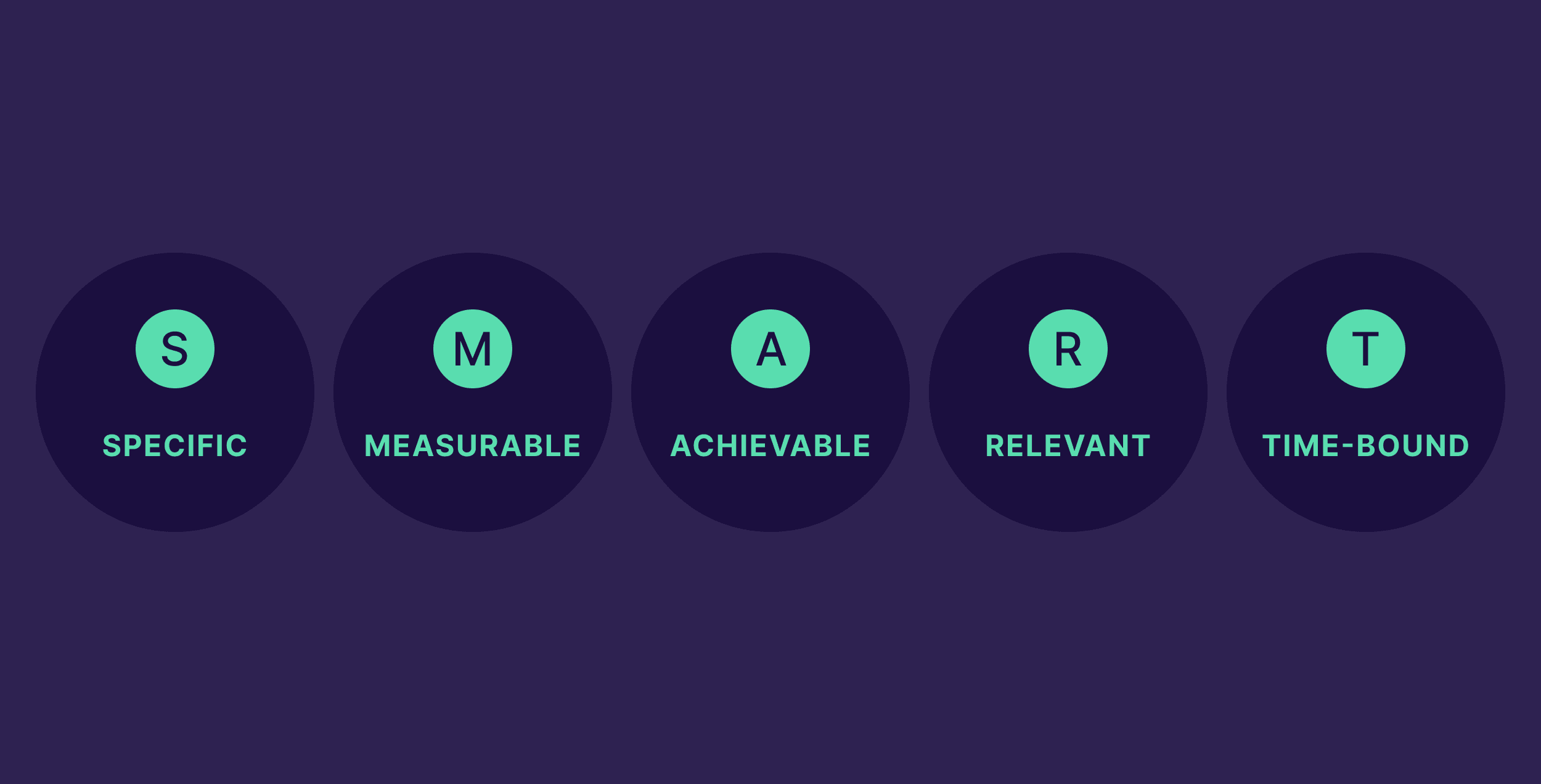
To articulate a primary marketing goal, businesses should engage in a rigorous process of self-assessment, ideally leveraging the SMART criteria (Specific, Measurable, Achievable, Relevant, Time-bound). For instance, an objective might be "Increase monthly active users by 25% within the next fiscal year through product-led growth initiatives." This specific goal then dictates subsequent decisions regarding channels, messaging, and key performance indicators (KPIs).
Consider the case of Fireflies.ai, which launched in 2020 with a lean team and a constrained marketing budget. Their primary goal was to achieve rapid user adoption and growth. Eschewing traditional paid acquisition, extensive brand campaigns, and complex demand generation funnels, they strategically opted for a product-led, word-of-mouth growth model. A cornerstone of this strategy was a highly incentivized referral program designed to make user advocacy both easy and rewarding. Krish Ramineni, co-founder and CEO of Fireflies.ai, noted that success was measured not by ad impressions or website traffic, but by metrics such as the percentage of users inviting collaborators, the virality coefficient (K-factor), and the number of active integrations. This focused approach enabled Fireflies.ai to scale to over 10 million users without relying on paid advertisements, demonstrating the profound impact of a clearly defined goal on strategic direction and resource allocation. This foundational clarity is essential before any tactical execution.
Articulating a Unique Value Proposition (UVP)
In a crowded marketplace, a compelling Unique Value Proposition (UVP) is critical. It must unequivocally answer the question: "Why should a customer choose us over the best alternative?" This involves identifying what truly differentiates a business from its competitors in a meaningful and defensible way.
The process begins with an in-depth analysis of existing high-value customers – those who consistently renew, repurchase, or actively champion the brand. What commonalities do these customers share? What problems do they solve with the product or service? The UVP often resides at the intersection of consistent, measurable customer results. Next, businesses must pinpoint the core outcome their product delivers. This goes beyond superficial benefits, delving into the real-world impact on customers’ daily routines or business operations. Is it enhanced communication, reduced errors, mitigated stress, superior data insights, or improved performance? The UVP should be anchored in a tangible, transformative outcome.
The third step involves defining the defensible difference. What unique aspect allows the company to deliver this outcome more effectively or distinctly than rivals? This could stem from proprietary technology, specialized expertise, a unique business model, unparalleled customer support, a distinct brand philosophy, a specific niche focus, or superior product design. Vague terms like "easy to use" or "innovative" are insufficient without concrete proof. Finally, a UVP must be pressure-tested: "If we disappeared tomorrow, what would our best customers genuinely struggle to replace?" This point of irreplaceable friction signifies true differentiation, ensuring the UVP is not easily replicated.
DoorDash exemplifies a clear UVP: "Everything you crave, delivered." This concise statement defines their target audience (those with cravings), their core offering (food/items), and their primary benefit (convenient delivery). This singular message permeates all their marketing communications, from homepage taglines and app store descriptions to email newsletters and advertising campaigns. The consistent reinforcement of "we’re the easiest way to get what you want, when you want it" builds a strong, memorable brand identity around a core benefit.

Comprehensive Audience Research: Validating the Hypothesis
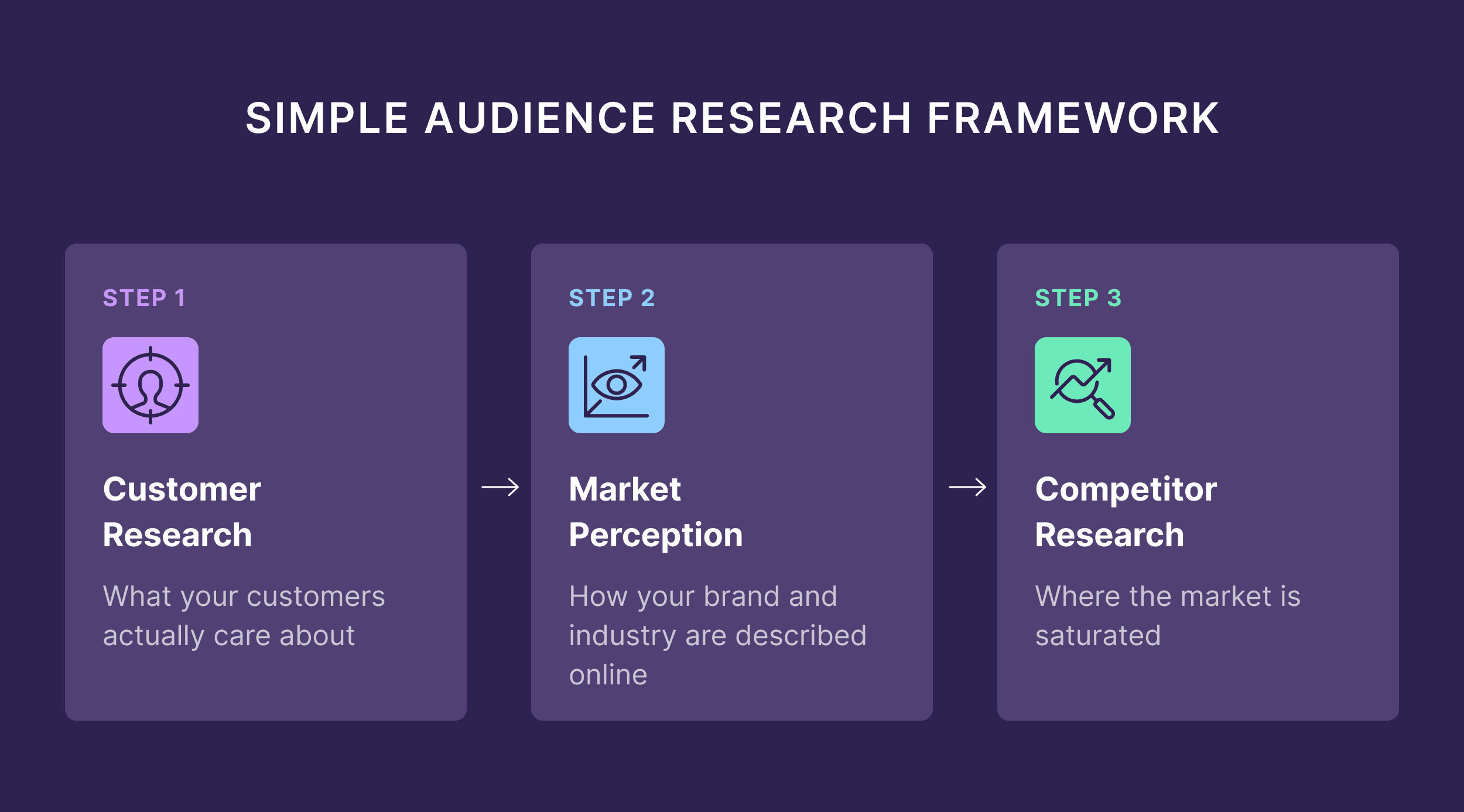
A meticulously crafted UVP remains a hypothesis until validated by thorough audience research. This crucial step moves beyond assumptions to gather empirical insights from three key areas: customers, market perception, and competitors.
Customer research is paramount for understanding what genuinely resonates with the target audience. Beginning with high-value customers identified during UVP development, businesses should seek to answer: What challenges led them to seek a solution? How do they describe their problem in their own words? What alternatives did they consider, and why did they ultimately choose this brand? What specific features or aspects do they value most? Engaging sales and customer success teams can provide invaluable insights into common objections, misconceptions, and decision blockers. Even a handful of focused conversations can yield rich qualitative data.
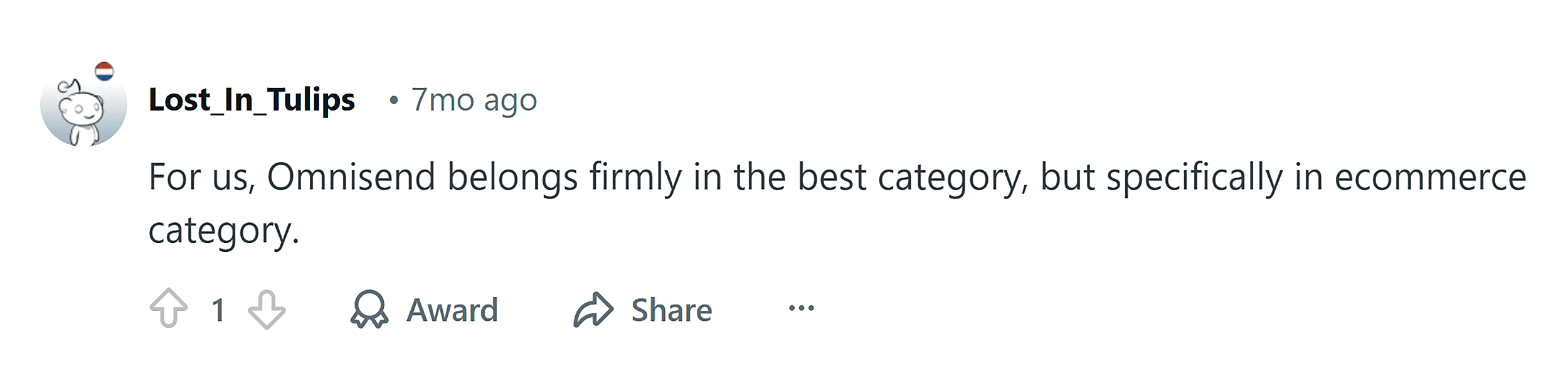
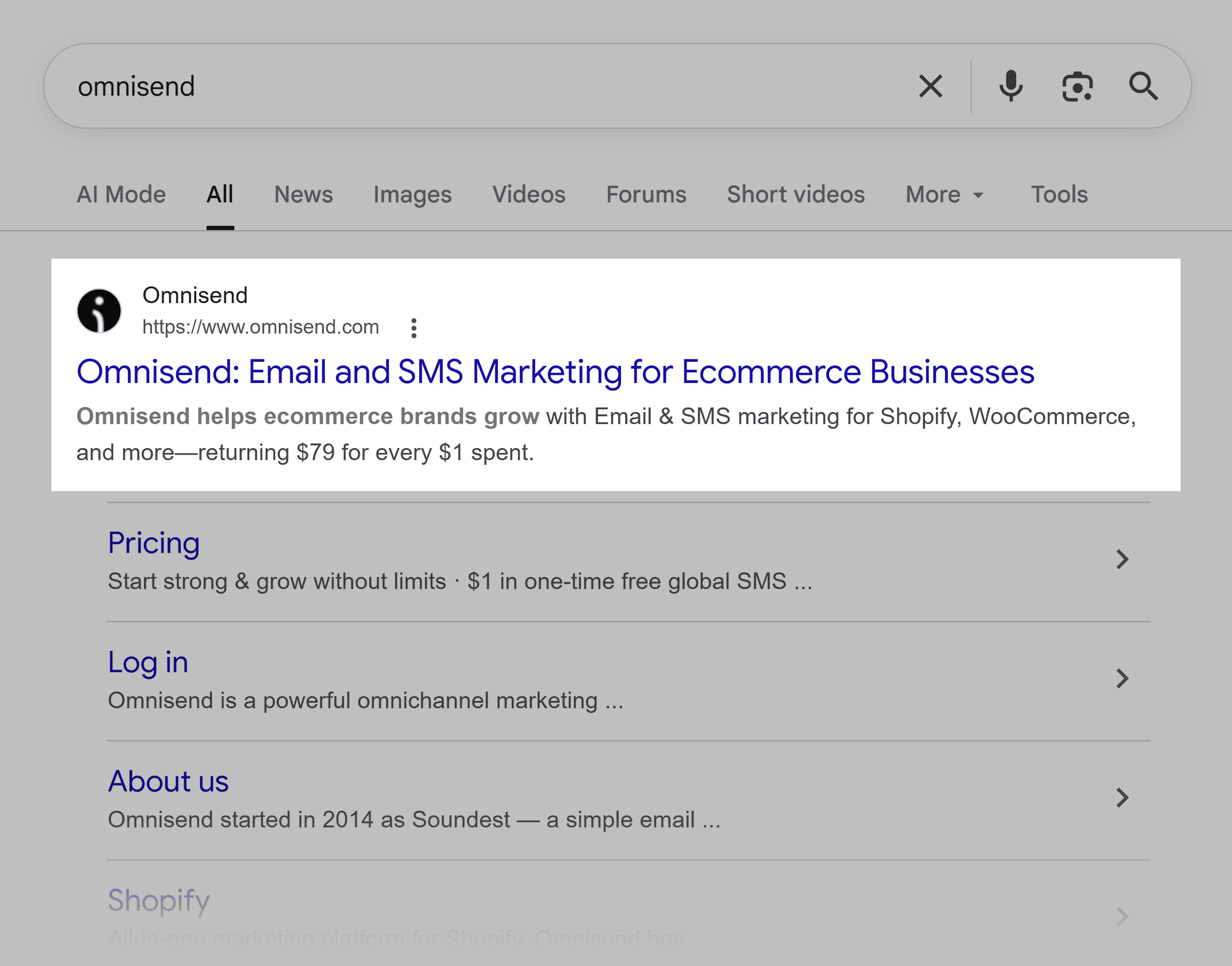
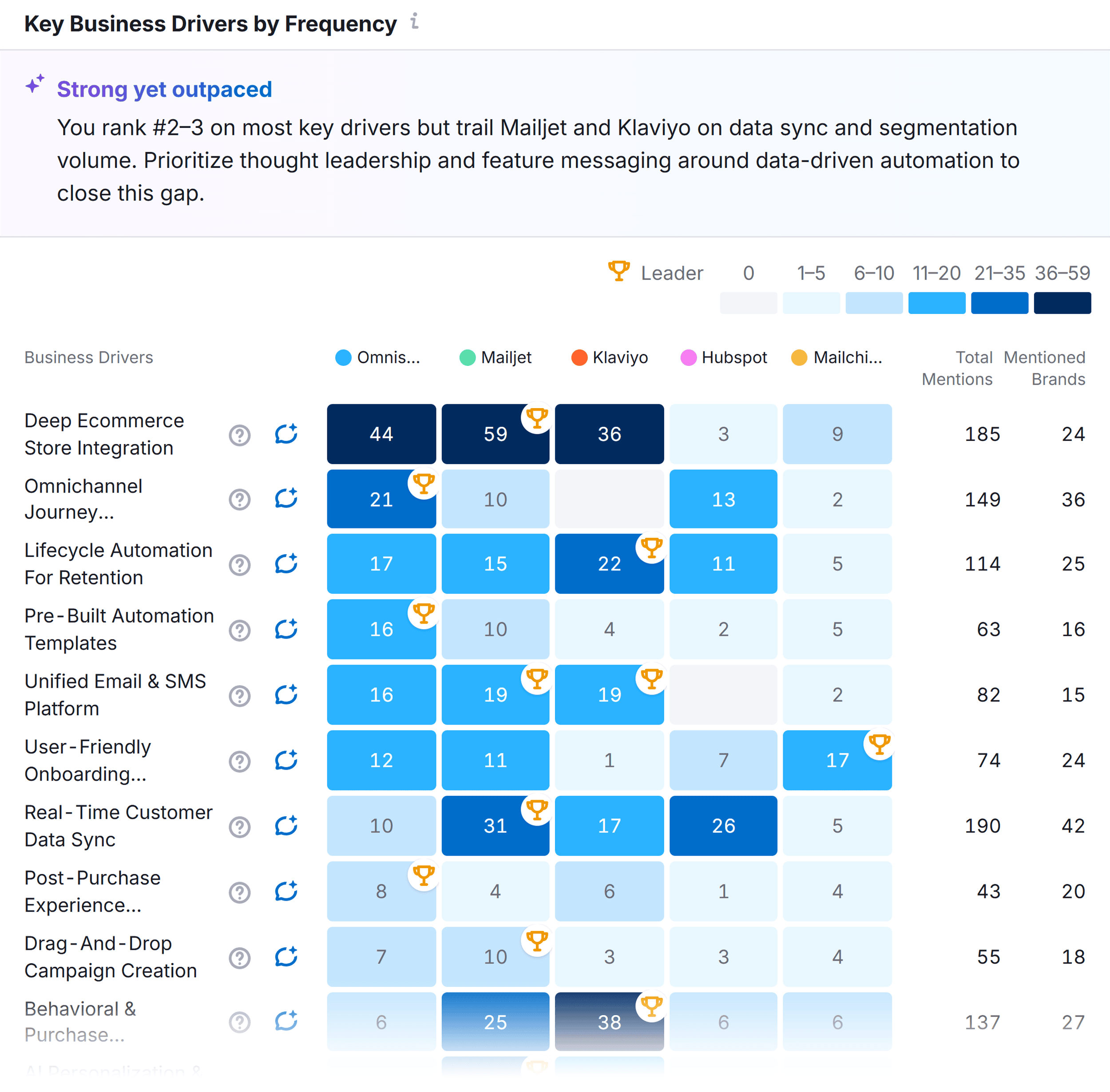
Market perception research explores how the brand and industry are viewed by the broader public. This involves monitoring social media platforms (Reddit threads, YouTube comments, LinkedIn discussions), analyzing third-party review sites, and delving into forums where potential customers discuss their challenges and compare solutions. Paying close attention to emotional language and recurring frustrations can reveal unmet needs or prevailing sentiments. Tools like Semrush’s AI Visibility Toolkit offer an innovative approach by assessing how Large Language Models (LLMs) perceive a brand. By simulating AI searches for relevant prompts, businesses can understand the "crowdsourced opinion" of their brand as interpreted by AI systems, which increasingly influence user discovery. For example, analysis of Omnisend through such tools might reveal its strong association with "deep e-commerce store integration," aligning with direct customer feedback and market positioning as an email marketing solution tailored for e-commerce. This dual perspective—human and AI—provides a holistic view of brand perception.
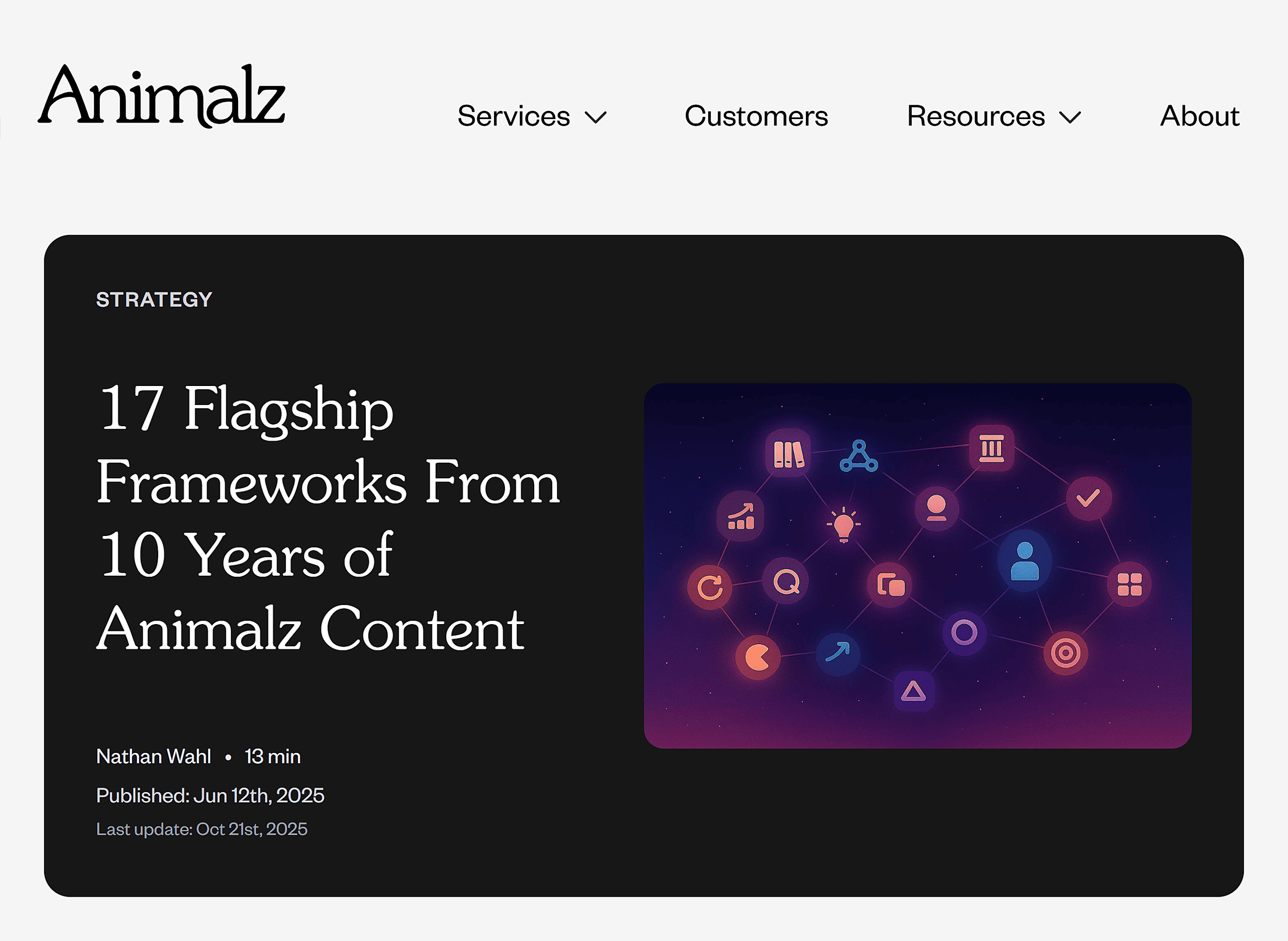
Competitor research adds another vital layer, illuminating existing market narratives and strategic gaps. By observing competitors’ messaging, channel choices, and customer feedback, businesses can identify opportunities for differentiation. For instance, the content marketing agency Animalz recognized that many competitors were vying for generic SEO keywords. However, their ideal clients—CMOs and founders—prioritized experience-driven insights over sheer traffic volume. Animalz strategically pivoted to focus on original research, proprietary frameworks, and thought leadership derived from hundreds of content programs. This allowed them to attract high-quality leads from clients like Google, Amazon, Airtable, and Atlassian, by positioning themselves as providers of unique, actionable insights rather than just traffic generators.

By systematically gathering and analyzing data from these three sources, businesses can validate their UVP, refine their understanding of audience pain points and motivations, and strategically position themselves to be both relevant and uniquely differentiated. This process culminates in a clear articulation of who the ideal customer is, what problems the brand solves for them, and why the brand is the superior choice.
Strategic Channel Selection: Prioritizing Impact Over Omnipresence
The notion of "being everywhere" is a costly and often ineffective myth in modern marketing. Each marketing channel possesses distinct mechanics, audience expectations, and resource demands. A strategic approach mandates selecting a focused number of channels based on the target audience’s online behavior, the specific marketing goals, and available resources.

Here’s an overview of major channels and their strategic applications:
- Email Marketing: Consistently cited as a high-ROI channel, email excels in nurturing leads, fostering customer retention, and driving revenue expansion. Its accessibility and proven conversion rates (e.g., 2.8% for B2C and 2.4% for B2B, according to First Page Sage’s 2026 report) make it a foundational element. HubSpot, for example, masterfully uses educational newsletters to deliver value, subtly guiding engaged readers toward their tools and premium offerings.
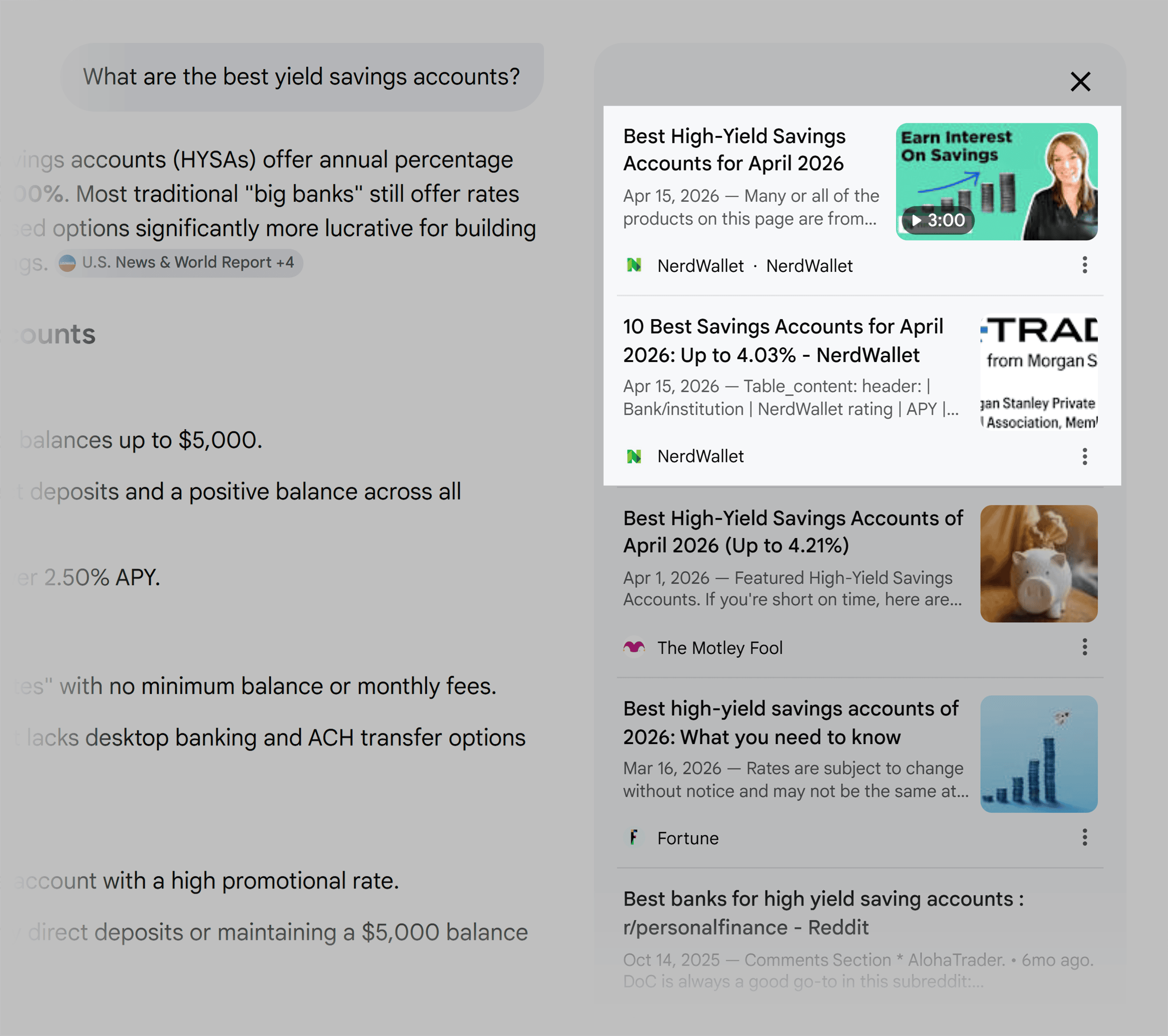
- Search (SEO & AI Optimization): Long-form, evergreen content, when strategically optimized, can generate compounding results. The evolving search landscape requires a dual focus: traditional SEO for organic rankings and AI optimization for visibility in zero-click environments like Google’s AI Overviews. Content must be structured for clarity, ensuring it is easily understood and summarized by AI systems. NerdWallet’s comparison-driven financial guides are a prime example, achieving high search rankings and appearing prominently in AI-generated answers, thus building brand visibility even when users don’t click through.
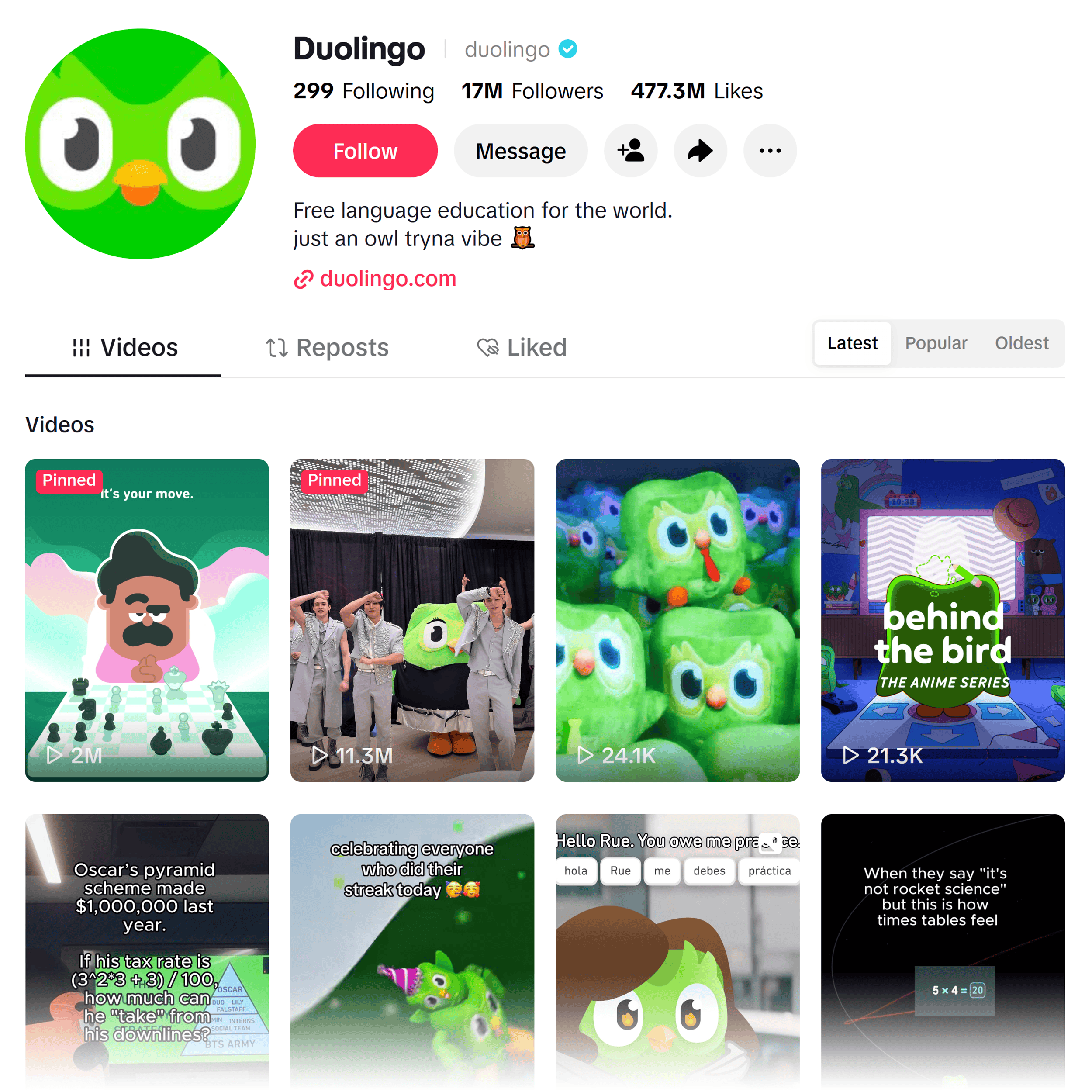
- Social Media Marketing: Platforms like TikTok, Instagram, and LinkedIn offer immense potential for discovery and engagement through native content. Success hinges on a deep understanding of audience demographics and current trends. Duolingo’s strategic use of humor and its distinct mascot across TikTok and Instagram has generated massive brand awareness and a dedicated following (e.g., 17 million followers on TikTok) without direct selling.
- Affiliate and Influencer Marketing: Leveraging trusted voices expands reach and enhances credibility. Brands like Glossier actively partner with creators to generate authentic recommendations, integrating word-of-mouth directly into their growth strategy. This builds trust and resonates with audiences seeking genuine endorsements.
- Paid Advertising: Offers speed and precision in capturing high-intent audiences. Effective paid campaigns demand rigorous budget discipline and clear measurement. Shopify, for instance, strategically bids on high-intent keywords like "how to start dropshipping for free," consistently appearing as a top ad, demonstrating its commitment to capturing users at critical decision points. Historical data often confirms the long-term efficacy of such sustained paid efforts.
- Customer and Community Marketing: Building owned spaces for customer interaction cultivates trust and advocacy. While resource-intensive, these communities can yield significant long-term returns. Notion’s support for user-led communities and template sharing has transformed its customer base into a powerful engine of education and evangelism, showcasing the power of empowering users.
After reviewing these options, businesses must ask: Which channels align best with our target audience’s habits? Which offer the highest potential impact relative to effort and resources? Which channels can demonstrably contribute to our primary business goals? Committing to a select few primary channels (typically 1-2 initially) and defining clear success metrics for each, while being realistic about resource constraints, is crucial. The use of an impact-vs-effort scoring model can further refine these decisions, ensuring strategic alignment and efficient resource allocation.
Harmonizing Messaging and Differentiation Across Channels
A critical challenge in multi-channel marketing is maintaining brand consistency while adapting messaging for platform-specific nuances. Copy-pasting content across platforms risks appearing out of place, while reinvention on each channel can lead to brand fragmentation. The goal is to strike a balance: consistent core promise, adapted execution.
For each chosen channel, marketers must define the primary audience problem addressed, the most effective content formats for that platform, and the unique brand persona or "how we show up." This is more vital than ever, as consumers often encounter brands across multiple platforms before visiting a website. Furthermore, AI systems increasingly rely on consistent messaging across the web to inform their responses to user queries, impacting AI visibility.
The Duolingo example perfectly illustrates this balance. Their core brand promise remains consistent: language learning should be fun and accessible. However, their execution varies dramatically by channel:
- TikTok: Chaotic, trend-driven humor featuring their mascot, Duo, engaging with viral content. This entertainment-first strategy has garnered over 17 million followers.
- Instagram: Similar humor, but more polished and adapted to Reels culture, showcasing visually appealing, short-form content.
- Facebook: A toned-down, slightly more mature humor, catering to an older demographic with engaging posts and community interaction.
- LinkedIn: Professional yet still recognizably Duolingo, focusing on career development, language learning benefits, and corporate responsibility.
This approach ensures the brand’s essence is preserved while optimizing for each platform’s unique environment. By the end of this step, businesses should have a clear understanding of their primary channels, the specific problems they address on each, the appropriate content formats, and the distinct brand voice that will resonate with each platform’s audience.
Assigning Project Ownership and Allocating Resources
Even the most brilliant marketing strategy will falter without clear ownership and adequate resources. For every primary channel identified, a single individual should be held accountable for results. This prevents diffusion of responsibility and ensures momentum.
Before assigning owners, a realistic assessment of team capacity and existing resources is essential. Key questions include: Do we have the internal expertise for this channel? What tools or external partnerships are necessary? What is the allocated budget, and is it sufficient? What are the current team’s bandwidth constraints? A frank assessment prevents overcommitment and ensures that chosen strategies are executable.
Once constraints are understood, roles should be clarified using a RACI (Responsible, Accountable, Consulted, Informed) matrix for each strategic initiative.
- Responsible: The individual(s) who do the work.
- Accountable: The one person ultimately answerable for the correct and thorough completion of the task, who delegates work to those responsible.
- Consulted: Individuals whose opinions are sought, typically subject matter experts.
- Informed: Individuals who are kept up-to-date on progress.
Crucially, marketing channels should not operate in isolation. Insights from SEO should inform paid advertising strategies, sales objections should shape content creation, and customer success feedback should influence customer marketing tactics. These cross-functional teams fall into the "consulted" category, fostering collaboration that strengthens the entire digital marketing ecosystem. This operational clarity transforms a theoretical strategy into an actionable plan.
Establishing KPIs and a Dynamic Reporting Plan
Key Performance Indicators (KPIs) are vital for measuring the effectiveness of a marketing strategy and providing the feedback necessary for continuous improvement. In an era of fragmented customer journeys and increasing privacy controls, direct revenue attribution can be challenging. Therefore, a multi-layered approach to tracking metrics is recommended:
- Visibility Metrics: Track initial exposure and reach (e.g., impressions, unique visitors, brand mentions, AI visibility scores).
- Engagement Metrics: Measure audience interaction (e.g., click-through rates, time on page, social shares, comments, video watch time).
- Intent Metrics: Quantify actions indicating a deeper interest or move towards conversion (e.g., lead magnet downloads, demo requests, shopping cart additions, assisted conversions).
For email marketing, this might translate to tracking open rates (visibility), click rates (engagement), and conversion rates from email campaigns (intent). For social media, metrics could include reach (visibility), comments (engagement), and saves or direct messages (trust/intent).

Addressing the perennial question of revenue attribution requires more than just last-click models. Businesses should implement systems that:
- Tag campaigns rigorously: Use consistent UTM parameters across all channels to track traffic sources accurately.
- Implement event tracking: Monitor key user actions throughout the customer journey, providing granular data on engagement.
- Integrate CRM data: Connect marketing activities with sales outcomes to understand the full lifecycle impact.
- Leverage multi-touch attribution (where possible): While complex, understanding the cumulative effect of various touchpoints on conversion offers a more holistic view.
Even without perfect multi-touch attribution from day one, consistent tracking of qualified traffic, assisted conversions, and branded search growth can provide strong directional clarity on a channel’s contribution to revenue.
Reporting should transcend mere data dumps, narrating a story of progress and highlighting areas for strategic pivots. Rather than getting overwhelmed by complex dashboards, businesses can start by identifying 2-3 essential metrics per channel, assigning a clear reporting owner, and establishing a regular review cadence (monthly or quarterly). This allows for iterative learning:
- Month 1: Establish baselines. Track initial visibility, engagement, and intent metrics.
- Months 2-3: Validate what matters. Identify which metrics correlate most strongly with desired outcomes and begin A/B testing variations.
- Months 4+: Optimize and scale. Refine tactics based on validated insights, scale successful initiatives, and continuously monitor for shifts.
Quarterly reviews are essential for revisiting channel performance, assessing KPI relevance, and evaluating execution quality. This structured feedback loop—Plan, Execute, Measure, Learn, Adapt—ensures the marketing strategy remains agile and effective.
Evolving Your Marketing Strategy for Continuous Growth
A marketing strategy is not a static document but a dynamic, living system. The journey described above provides a clear structure, culminating in:
- Precisely defined business goals.
- A compelling, validated Unique Value Proposition.
- Deep insights into the target audience and market.
- Strategic selection of high-impact marketing channels.
- Tailored messaging and differentiation for each channel.
- Clear project ownership and resource allocation.
- A robust system for KPI tracking and reporting.
This clarity streamlines execution, allowing teams to focus their efforts on initiatives most likely to yield results. The immediate next step for any business is to document these decisions using a dedicated marketing strategy workbook. This initial framework, while not a final version, serves as a crucial starting point that can be revisited, refined, and strengthened as the business matures and the market continues to evolve. With a solid strategy in place, businesses can then delve deeper into execution, focusing on specific areas like developing a comprehensive SEO strategy or optimizing paid campaigns, ensuring every effort contributes to sustainable and measurable growth.