Email Marketing Landscape Shifts: WPExplorer.com Migrates Newsletter from Mailchimp to Flodesk Amidst Cost and Feature Optimization Trends

WPExplorer.com, a prominent resource for WordPress users and web professionals, has announced a strategic migration of its long-running newsletter subscriber list from Mailchimp to Flodesk. This move, finalized in early 2026 after approximately a year-long hiatus in newsletter operations, signals a broader industry trend where established digital platforms are being re-evaluated by users based on evolving needs for cost-efficiency, feature relevance, and user interface simplicity. The decision by WPExplorer.com highlights the increasing scrutiny businesses and content creators are placing on their email marketing infrastructure, particularly concerning the balance between comprehensive features and predictable pricing models.
For many years, WPExplorer.com leveraged Mailchimp for its subscriber communications, benefiting from its robust feature set and widespread industry recognition. Mailchimp, a pioneer in the email marketing space, has grown significantly since its inception, evolving into a comprehensive marketing automation platform offering a vast array of tools beyond basic email campaigns, including CRM integrations, landing page builders, social media management, and advanced analytics. This expansion, while beneficial for businesses requiring a full-stack marketing solution, has inherently led to a more complex pricing structure, typically tiered based on subscriber count and feature access. For entities like WPExplorer.com, which prioritized core newsletter delivery over an extensive suite of additional features, this growth in complexity and corresponding cost became a critical factor in their re-evaluation process. The website owners noted a proliferation of features within Mailchimp that were never utilized, leading to an perception of paying for functionality that did not align with their operational requirements. This sentiment is not unique to WPExplorer.com; a 2023 survey by HubSpot indicated that over 40% of small to medium-sized businesses (SMBs) found their current marketing software to be overly complex or expensive for their specific needs.

The search for a simpler, more affordable alternative led WPExplorer.com to Flodesk. Flodesk, which has gained traction in recent years, particularly among creative entrepreneurs, small businesses, and content creators, positions itself as a visually intuitive and user-friendly email marketing platform. Its appeal often lies in its streamlined interface, emphasis on aesthetically pleasing email templates, and, crucially, a simplified pricing model. At the time of WPExplorer.com’s migration, Flodesk was offering an "unlimited subscribers and emails at a flat rate" plan. This model stands in stark contrast to the tiered pricing prevalent in much of the industry, where costs escalate directly with subscriber growth, potentially penalizing successful list building. The impending retirement of Flodesk’s unlimited plan acted as a catalyst for WPExplorer.com to secure this pricing model before its discontinuation, underscoring the dynamic nature of platform offerings and the importance of timely decision-making for businesses. This move reflects a broader market desire for transparency and predictability in software expenditure, especially for operations with fluctuating or rapidly growing audiences.
The Strategic Imperative: Cost vs. Features in Email Marketing
The core of WPExplorer.com’s decision reflects a critical juncture many digital businesses face: optimizing operational costs without compromising essential functionality. Email marketing remains an indispensable tool for audience engagement, lead nurturing, and driving traffic, boasting an average return on investment (ROI) of $36 for every $1 spent, according to Litmus data from 2022. However, the cost structures of leading platforms can significantly impact profitability, especially for businesses with large, engaged subscriber bases. Mailchimp’s acquisition by Intuit in 2021 for approximately $12 billion further integrated it into a broader financial and business management ecosystem, likely influencing its strategic direction towards enterprise-level solutions and feature expansion. While this broadened its appeal to larger organizations seeking an all-in-one platform, it simultaneously raised concerns among smaller users regarding pricing and the perceived necessity of its expanded feature set.

Flodesk, on the other hand, emerged as a disruptor by focusing on a specific niche: users who prioritize elegant design and simplicity over a vast array of complex integrations and advanced analytics. Its flat-rate model, particularly the "unlimited" offering, resonated with creators and small businesses who sought predictable monthly expenses regardless of their audience size. This model democratizes access to professional email marketing for growing ventures that might otherwise face prohibitive costs as their subscriber numbers increase. The impending discontinuation of Flodesk’s unlimited plan suggests a maturation of its business model, potentially moving towards more segmented or value-based pricing in the future, a common trajectory for successful SaaS platforms as they scale. This highlights the transient nature of even seemingly stable pricing models and the constant need for businesses to monitor and adapt to platform changes.
A Detailed Look at the Migration Process
The migration of an email list, while conceptually straightforward, requires careful execution to ensure data integrity and minimal disruption. WPExplorer.com’s process, mirroring industry best practices, involved several key stages:
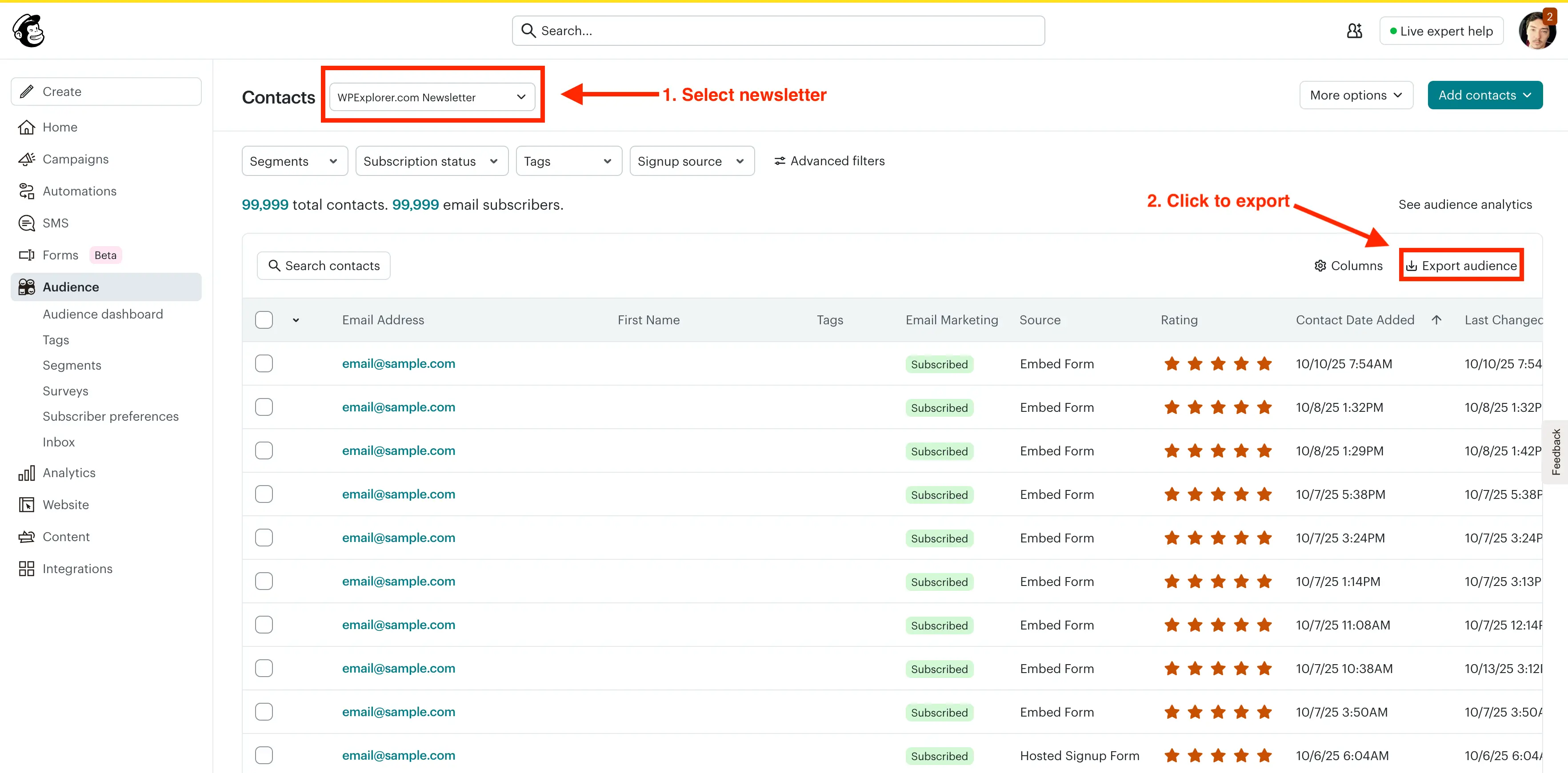
- Exporting Subscriber Data from Mailchimp: The foundational step involved downloading the entire subscriber list from Mailchimp. This typically yields a ZIP file containing one or more CSV (Comma Separated Values) files. Mailchimp provides a clear pathway through its audience management interface to export all contacts, ensuring that essential data like email addresses, first names, and subscription dates are captured. This initial export is critical as it forms the raw dataset for the new platform.
- Preparing the CSV File for Flodesk: Once the Mailchimp export is obtained, the CSV file often requires some refinement. Mailchimp exports can include numerous columns corresponding to various subscriber data points, segmentation tags, and internal metrics (like "Member Rating," "Avg. Open Rate," "Avg. Click Rate"). While many of these are valuable within Mailchimp’s ecosystem, not all are directly compatible or necessary for a direct import into a new platform like Flodesk, which often has a more streamlined data structure.
- Data Cleaning and Mapping: WPExplorer.com opted to align their exported CSV with Flodesk’s sample CSV structure. This involved identifying and retaining only the most critical fields, such as email address and first name, while either discarding or remapping less critical Mailchimp-specific fields. For instance, Mailchimp’s "Member Rating" – a 1 to 5-star indicator of subscriber engagement – was preserved by mapping it to a custom field within Flodesk. This foresight allows for future segmentation based on past engagement, a crucial factor for email deliverability and targeted campaigns. The removal of superfluous columns not only simplifies the import process but also ensures that the new database is lean and optimized for Flodesk’s architecture.
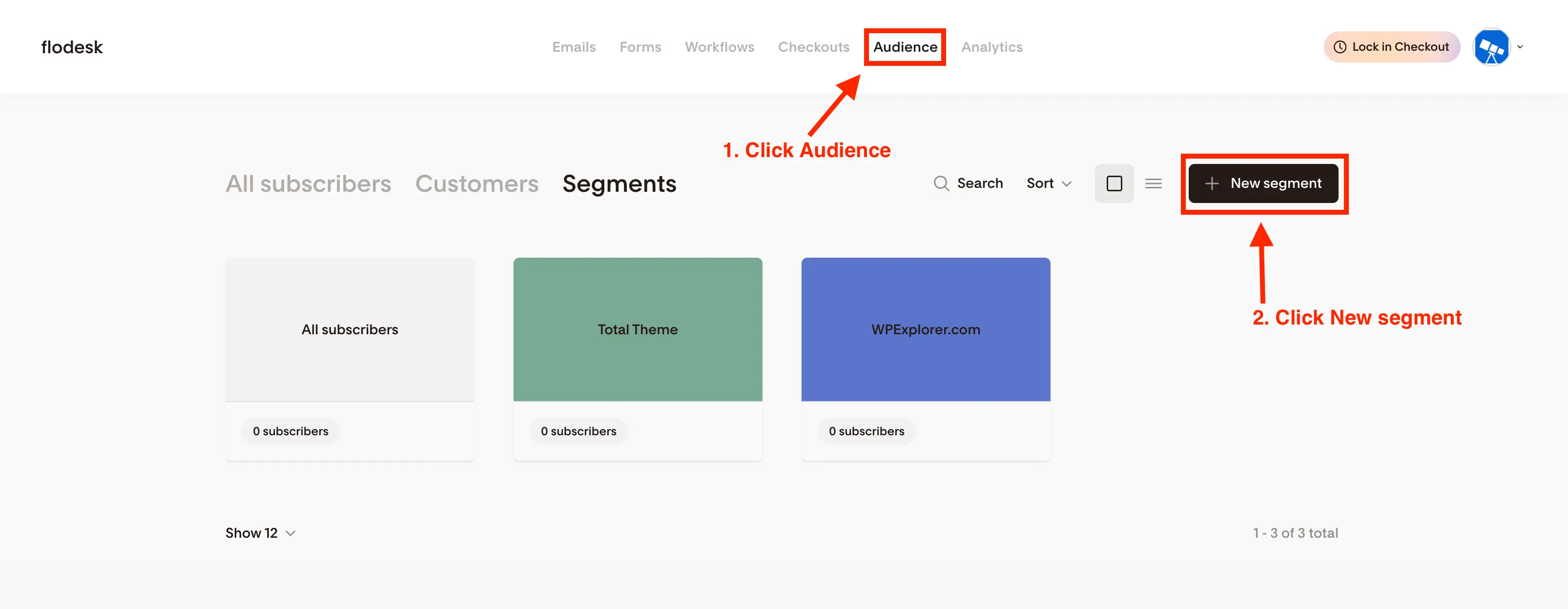
- Creating Segments in Flodesk: Before importing, establishing the target structure within Flodesk is paramount. Flodesk, like most modern email platforms, utilizes "segments" to organize subscribers. Instead of creating a single, monolithic list, segmenting allows for more granular audience management, enabling targeted campaigns and personalized communication. WPExplorer.com’s strategy involved creating a dedicated segment, such as "Imported from Mailchimp," to house the incoming contacts. For businesses managing multiple distinct lists in their previous platform, creating corresponding segments in Flodesk ensures continuity and facilitates specialized content delivery. This step is a proactive measure against data disorganization and enhances the long-term utility of the subscriber base.
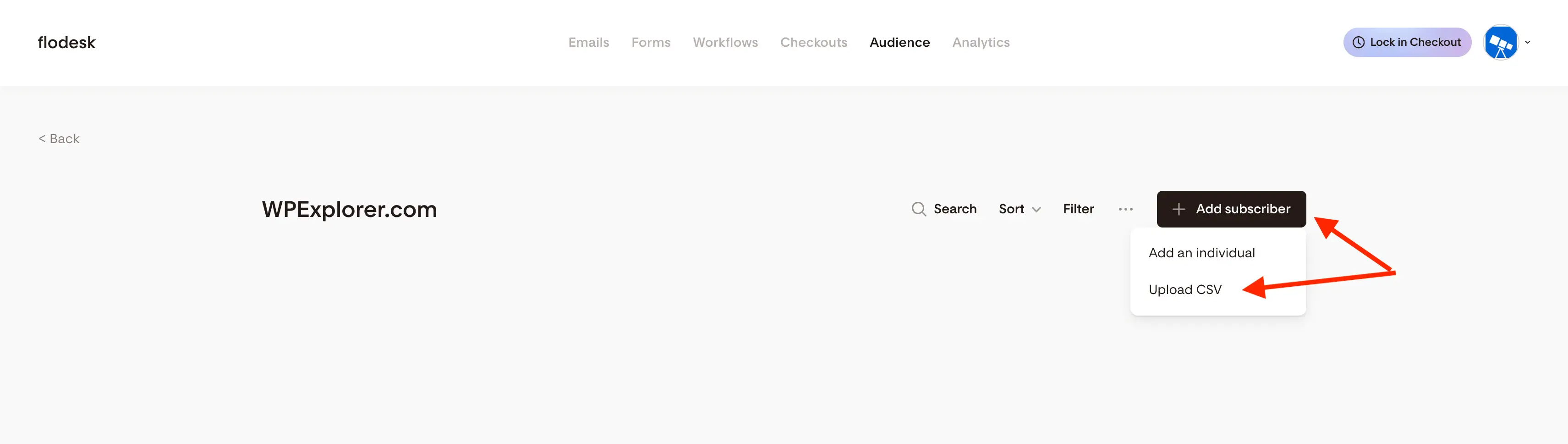
- Importing the Subscriber List into Flodesk: With the CSV prepared and segments established, the final stage is the actual data transfer. Flodesk provides an intuitive import wizard that guides users through uploading the CSV file and mapping the fields. This mapping process ensures that the columns in the uploaded CSV (e.g., "Email Address," "First Name") correctly correspond to the fields in Flodesk’s database. Flodesk’s system processes the upload, and once complete, the contacts populate the designated segment. This process, while seemingly simple, can take time depending on the list size, and automated email notifications confirm successful completion.
- Post-Migration Essential: Domain Warm-up
A critical, often overlooked, step following any email marketing platform migration is the "domain warm-up." This process is vital for establishing and maintaining a positive sender reputation with Internet Service Providers (ISPs) like Gmail, Outlook, and Yahoo. When a new email service provider (ESP) or sending domain is used to send a large volume of emails, ISPs view this new activity with caution to prevent spam. A sudden blast of emails from a new source can trigger spam filters, leading to low deliverability rates and potentially damaging the sender’s reputation.
The primary goal of domain warm-up is to gradually increase email volume over several days or weeks, sending to highly engaged subscribers first. This demonstrates to ISPs that the sending domain is legitimate and that recipients are interacting positively with the emails (opening, clicking, not marking as spam). WPExplorer.com’s strategy, informed by best practices, includes:
- Gradual Volume Increase: Starting with small batches of emails and slowly escalating the volume.
- Targeting Engaged Subscribers: Leveraging historical data, such as Mailchimp’s "Member Rating," to identify and prioritize the most active subscribers for initial sends. These subscribers are more likely to open and click, sending positive signals to ISPs.
- Consistent Sending: Maintaining a regular sending schedule to establish a predictable pattern.
- Monitoring Deliverability: Closely tracking open rates, click-through rates, and bounce rates to identify and address any potential issues early.
Neglecting domain warm-up can have severe consequences, including emails landing in spam folders, blocked domains, and a damaged sender reputation that can take months to repair. Therefore, dedicating time and resources to this phase is as important as the migration itself, ensuring that the investment in a new platform translates into effective audience reach.
Broader Market Implications and Future Outlook
WPExplorer.com’s migration is a microcosm of larger trends shaping the email marketing industry. The landscape is increasingly bifurcated: on one side, comprehensive marketing automation suites catering to larger enterprises with complex needs and budgets; on the other, specialized, user-friendly platforms targeting SMBs and individual creators who value simplicity, design, and predictable pricing. This diversification offers users more choice but also necessitates careful evaluation of their specific requirements against platform offerings and pricing models.
The ongoing evolution of pricing strategies, exemplified by Flodesk’s decision to retire its unlimited plan, underscores the economic realities faced by SaaS companies as they scale. While an "unlimited" model can be a powerful acquisition tool in early growth phases, it often becomes unsustainable as user bases and infrastructure costs expand. This suggests a future where even "simpler" platforms may eventually adopt more nuanced pricing tiers, albeit perhaps less complex than their established counterparts.
For businesses and content creators, the implications are clear: flexibility and data portability are paramount. The ease with which WPExplorer.com could export its data from Mailchimp and import it into Flodesk highlights the importance of open standards (like CSV) and user-friendly migration tools provided by platforms. This reduces vendor lock-in and empowers users to switch providers if their needs or market conditions change. The emphasis on domain warm-up also points to the ever-increasing sophistication required to ensure email deliverability, a challenge that will only grow as ISPs continue to refine their spam detection algorithms.
In conclusion, WPExplorer.com’s move from Mailchimp to Flodesk is more than a simple platform switch; it represents a calculated business decision to optimize operational efficiency and cost structure in a dynamic digital marketing environment. It reflects a growing demand for specialized tools that align precisely with user needs, eschewing unnecessary features for focused functionality and transparent pricing. As the email marketing landscape continues to evolve, businesses must remain agile, continuously evaluating their tools and strategies to ensure maximum audience engagement and return on investment. The successful migration and subsequent domain warm-up undertaken by WPExplorer.com offer a practical blueprint for others contemplating similar strategic pivots in their digital communication efforts.