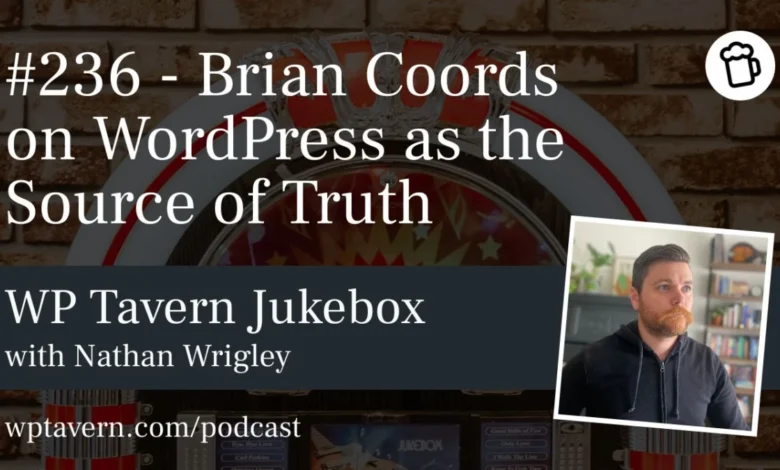
The landscape of modern web development is currently navigating a period of unprecedented transformation, marked by the rapid integration of generative artificial intelligence and the architectural shift toward block-based design systems. At the recent WordCamp US, a cornerstone event for the WordPress community, developer advocate Brian Coords delivered a seminal presentation titled The Site is the Source of Truth: Block Themes, AI, and Agency Workflows. This discourse highlighted a critical strategic pivot for agencies and product teams: moving away from fragmented, multi-tool workflows toward a centralized, WordPress-centric model that prioritizes stability, consistency, and human-led design.
The Evolution of the Agency Workflow
For over a decade, the agency model for web development remained relatively static: clients required a bespoke website, developers utilized a combination of themes and plugins, and the final product was often a collection of disparate technologies. However, the introduction of Generative AI has disrupted this cycle. Agencies are increasingly experimenting with AI to automate coding tasks, content generation, and design layouts.
While these tools promise efficiency, they introduce significant risks to brand consistency. When AI is permitted to generate landing pages or design components from scratch without a centralized framework, the resulting output often lacks cohesion. Coords argues that the WordPress site itself should act as the "source of truth." By establishing a robust system of patterns, templates, and pre-approved design tokens directly within the WordPress block editor, agencies can create a predictable environment. This allows AI to act as a supportive tool rather than a chaotic generator, as the technology is constrained to work within the parameters of the brand’s established design language.
WordPress and the Block Theme Transition
The shift to block themes represents one of the most significant technical transitions in the history of the WordPress ecosystem. While initial adoption rates were slower than some industry analysts projected, the transition is gaining momentum as the functional benefits become clearer.
For platforms like WooCommerce, the shift to block-based building is not merely an aesthetic upgrade; it is a structural necessity. Historically, e-commerce stores on WordPress were reliant on "plugin sprawl"—a phenomenon where site owners were forced to install dozens of individual plugins to manage headers, mini-carts, product carousels, and checkout modifications. Each additional plugin increases the surface area for security vulnerabilities and compatibility conflicts.
By atomizing these functions into native blocks, WooCommerce is enabling a more resilient architecture. Recent internal data from the WooCommerce development team suggests that approximately 90% of the functionality previously requiring third-party plugins can now be natively handled through the block editor. This reduction in dependency on third-party code is a crucial step toward creating more stable, high-performance e-commerce environments.
The Challenge of Core Functionality versus Ecosystem
A contentious point of discussion within the developer community concerns the "tightrope walk" between integrating features into WordPress Core and maintaining the viability of the third-party plugin ecosystem. As WooCommerce moves to integrate more features—such as enhanced product variation image galleries—directly into its core software, it inevitably overlaps with the functionality offered by independent developers.
This creates a complex economic reality. Historically, small-scale plugins providing niche functionality have served as reliable revenue streams for developers. However, the rise of AI-assisted coding has lowered the barrier to entry for building basic functionality, effectively commoditizing simple features.
Brian Coords emphasizes that the objective for WooCommerce is not to dismantle the developer ecosystem, but to prioritize the user experience of the store owner. The prevailing sentiment among core developers is that the necessity of managing dozens of extensions for basic site operations is a major point of friction. By internalizing essential tools, the platform aims to reduce the "update fatigue" that plagues many site administrators. The consensus among industry experts is that while "set-it-and-forget-it" plugins face a clear existential threat from both AI and core integration, the market for complex, high-value integrations remains robust.
The Human-Centric Future of Content and Code
Despite the aggressive adoption of automation, a significant trend has emerged within the community: a re-evaluation of the human role in creative output. Recent internal initiatives at major WordPress contributors have signaled a push toward a "humans-first" content philosophy.
This shift is not merely nostalgic; it is a strategic response to market saturation. As AI-generated content and code become ubiquitous, the value of verified human authorship and artisan-level craftsmanship is expected to rise. Evidence suggests that consumers and businesses alike are becoming increasingly skeptical of content that lacks a clear human lineage. In the realm of e-commerce, where revenue is directly tied to the reliability of the storefront, this skepticism acts as a protective moat.
The "log-in" experience—the deliberate act of entering a familiar, controlled environment to manage a business—retains a psychological and practical importance that automated agents cannot yet replicate. For the foreseeable future, the dashboard remains the command center for the business owner, providing a sense of agency and oversight that a conversational AI interface cannot match.
Broader Implications for the WordPress Ecosystem
The implications of these developments are twofold. First, the role of the agency is shifting from "builder of websites" to "architect of systems." Agencies that survive the next decade will likely be those that can successfully curate the "source of truth" within a client’s WordPress instance, enabling both humans and AI to operate within an established, high-quality framework.
Second, the technical standards of the platform are maturing. The transition to Full Site Editing (FSE) and block-based architecture is fundamentally altering how developers interact with the platform. While this requires a steep learning curve, it provides a level of granular control that was previously inaccessible to the average user.
As the industry moves forward, the focus will remain on balancing innovation with stability. For WordPress, the challenge lies in maintaining its market share among simple, brochure-style sites while simultaneously evolving into a heavy-duty engine for complex, revenue-generating commerce. The data from WordCamp US indicates that the community is not looking to discard the platform in favor of newer, static-site paradigms. Instead, they are looking to fortify it, using block themes and centralized workflows to ensure that WordPress remains the most viable, secure, and flexible solution for the next decade of web development.
In summary, the trajectory of WordPress, as outlined by experts in the field, points toward a future where the platform serves as a stable foundation in an otherwise volatile digital landscape. By embracing the block-based model and resisting the urge to outsource core business logic to unvetted AI, developers and agencies can maintain the integrity and profitability of their web projects. The "source of truth" model is not just a technical recommendation; it is a strategy for long-term sustainability in an era of rapid technological disruption.